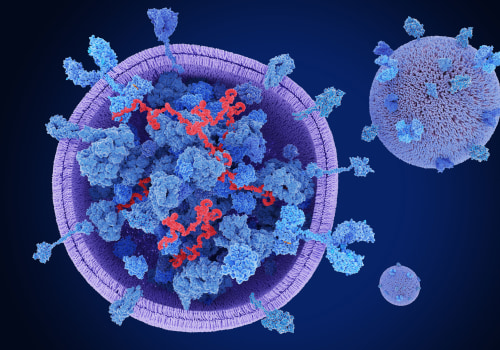
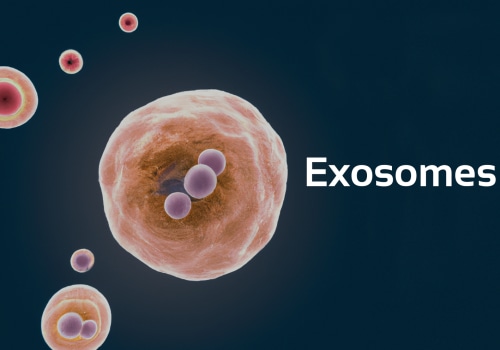
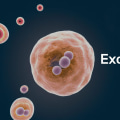
Exosomes are small, membrane-bound vesicles that play a crucial role in intercellular communication. These nanometre-sized structures, typically ranging from 30 to 150 nanometres in diameter, are secreted by various cell types into the extracellular environment. They are formed through the inward budding of the endosomal membrane, leading to the creation of multivesicular bodies that subsequently fuse with the plasma membrane to release exosomes into the surrounding fluid. This process not only facilitates the transfer of bioactive molecules but also serves as a means for cells to communicate and coordinate their activities.The significance of exosomes extends beyond mere cellular communication; they are involved in a multitude of biological processes, including immune responses, tissue repair, and even the progression of diseases such as cancer.
By carrying proteins, lipids, and nucleic acids—such as mRNA and microRNA—exosomes can influence the behaviour of recipient cells. This cargo is selectively packaged based on the originating cell type and its physiological state, allowing exosomes to convey specific signals that can modulate various cellular functions.Moreover, the importance of exosomes in both health and disease has garnered considerable attention in recent years. Their ability to act as natural carriers for therapeutic agents makes them a promising tool in drug delivery systems. Additionally, exosomes have emerged as potential biomarkers for diagnosing diseases due to their unique molecular signatures that reflect the state of their parent cells.
As research continues to unveil the complexities of exosome biology, it becomes increasingly clear that these vesicles are not just cellular waste products but rather vital players in maintaining homeostasis and facilitating communication within the body.
The Biogenesis of Exosomes
Exosomes are small extracellular vesicles that play a crucial role in intercellular communication. Their formation is a complex process that involves several cellular mechanisms, primarily centred around the endosomal system. Understanding the biogenesis of exosomes is essential for appreciating their diverse functions and potential therapeutic applications.The process of exosome formation begins with the inward budding of the plasma membrane, leading to the creation of early endosomes. These early endosomes then mature into late endosomes, which are also referred to as multivesicular bodies (MVBs).Within these MVBs, intraluminal vesicles (ILVs) are formed through a process known as invagination. This mechanism is critical as it allows for the encapsulation of various biomolecules, including proteins, lipids, and nucleic acids.One of the key players in the biogenesis of exosomes is the Endosomal Sorting Complex Required for Transport (ESCRT). The ESCRT machinery is responsible for sorting ubiquitinated proteins into ILVs, ensuring that specific cargo is packaged into exosomes. This process can be divided into several stages:
- ESCRT-0: Recognises and sequesters ubiquitinated proteins on the endosomal membrane.
- ESCRT-I and ESCRT-II: Facilitate the budding of ILVs by promoting membrane invagination.
- ESCRT-III: Drives the final scission of the vesicles from the membrane, releasing them into the lumen of the MVB.
These include the involvement of tetraspanins and specific lipids that help in membrane remodelling and cargo selection. Tetraspanins, such as CD63 and CD81, play a significant role in stabilising exosomes and facilitating their interaction with target cells.Once formed, MVBs can either fuse with lysosomes for degradation or be transported to the plasma membrane, where they release their ILVs as exosomes into the extracellular space. This release is often regulated by various stimuli, including cellular stress or changes in microenvironmental conditions.The precise regulation of exosome biogenesis is vital for maintaining cellular homeostasis and facilitating communication between cells. As research continues to uncover the intricacies of this process, it becomes increasingly clear that exosomes hold significant promise as diagnostic tools and therapeutic agents in various medical fields.
Molecular Composition of Exosomes
Exosomes are complex nanovesicles that play a pivotal role in intercellular communication, and their molecular composition is fundamental to understanding their diverse functions.These vesicles are composed of a variety of biomolecules, including proteins, lipids, and nucleic acids, each contributing to their unique properties and biological activities.
Proteins in Exosomes
- Exosomes contain a rich array of proteins that can be classified into several categories, including:
- Structural proteins: These proteins, such as tetraspanins (e.g., CD63, CD81), play a crucial role in maintaining the integrity and stability of the exosomal membrane.
- Enzymes: Various enzymes are present in exosomes, which can influence metabolic processes in recipient cells. For instance, exosomal alkaline phosphatase has been implicated in modulating cellular signalling pathways.
- Signalling proteins: These include growth factors and cytokines that can initiate signalling cascades upon interaction with target cells, thereby influencing cellular behaviour.
Lipids in Exosomes
The lipid bilayer of exosomes is not merely a structural component; it also plays a significant role in their functionality. The lipid composition includes:
- Phospholipids: The predominant class of lipids found in exosomes, phospholipids such as phosphatidylcholine and sphingomyelin contribute to membrane fluidity and stability.
- Sphingolipids: These lipids are involved in cell signalling and can affect the fusion of exosomes with target cells.
- Cholesterol: Present in significant amounts, cholesterol is essential for maintaining membrane integrity and facilitating the formation of lipid rafts that are crucial for protein sorting.
Nucleic Acids in Exosomes
The genetic material encapsulated within exosomes primarily consists of RNA, including:
- MicroRNAs (miRNAs): These small non-coding RNAs play a vital role in post-transcriptional regulation of gene expression and can modulate various cellular processes in recipient cells.
- Messenger RNAs (mRNAs): Although less abundant than miRNAs, mRNAs found in exosomes can be translated into proteins once delivered to target cells, thereby influencing their function.
- LncRNAs (long non-coding RNAs): Emerging evidence suggests that lncRNAs may also be involved in intercellular communication through exosomes, impacting gene expression and cellular responses.
Mechanisms of Action: How Exosomes Communicate
Exosomes are pivotal players in intercellular communication, facilitating a range of biological processes through their unique mechanisms of action.Understanding how exosomes communicate with target cells is essential for harnessing their potential in therapeutic applications.One of the primary mechanisms by which exosomes exert their influence is through direct fusion with the plasma membrane of recipient cells. This process allows for the seamless transfer of exosomal contents, including proteins, lipids, and nucleic acids, directly into the cytoplasm of the target cell. The lipid bilayer of exosomes is compatible with that of the target cell membrane, enabling this fusion to occur efficiently. This direct interaction not only delivers bioactive molecules but also initiates signalling cascades within the recipient cell, altering its functional state.In addition to direct fusion, exosomes can also engage in receptor-mediated interactions.
Exosomal surfaces are adorned with specific proteins that can bind to receptors on target cells. These interactions can trigger various cellular responses, such as activation of signalling pathways or modulation of gene expression. For instance, exosomal microRNAs (miRNAs) can bind to complementary mRNA sequences in recipient cells, leading to post-transcriptional regulation and influencing cellular behaviour.The process of internalization is another critical mechanism through which exosomes communicate with cells. Exosomes can be taken up by target cells via endocytosis, a process where the cell membrane engulfs extracellular material to form vesicles.
This internalization allows for a more controlled release of exosomal contents within the cellular environment, further enhancing their functional impact. Various endocytic pathways, including clathrin-mediated endocytosis and caveolin-dependent uptake, have been identified as routes for exosome entry into cells.Moreover, the specificity of exosome targeting is influenced by their cargo composition. Different cell types release exosomes with distinct molecular signatures that dictate their interaction with specific recipient cells. This selective targeting is crucial for ensuring that the biological messages carried by exosomes are delivered accurately and effectively.In summary, the mechanisms through which exosomes communicate with target cells—ranging from direct fusion and receptor interactions to internalization—highlight their sophisticated role in cellular communication.
As research continues to unravel these complex processes, the potential for utilising exosomes in clinical settings becomes increasingly promising.
Exosomal Cargo: The Role of miRNAs and Proteins
Exosomes are pivotal in intercellular communication, primarily due to their cargo, which includes a diverse array of microRNAs (miRNAs) and proteins. These molecules play crucial roles in modulating the behaviour of recipient cells, influencing various physiological processes such as inflammation, immune response, and tissue repair.The Significance of miRNAs in Exosomes
miRNAs are small, non-coding RNA molecules that regulate gene expression by binding to complementary sequences on target messenger RNAs (mRNAs). Within exosomes, miRNAs can be selectively packaged and transported to distant cells, where they exert significant regulatory effects. This transport mechanism allows for the fine-tuning of cellular functions across different tissues.- Regulation of Gene Expression: Upon entering recipient cells, exosomal miRNAs can downregulate or upregulate specific genes, thereby influencing cellular pathways involved in proliferation, differentiation, and apoptosis.
- Role in Disease Modulation: In pathological conditions such as cancer, exosomal miRNAs can facilitate tumour progression or suppression by altering the gene expression landscape of surrounding cells.
- Impact on Immune Responses: Exosomal miRNAs have been shown to modulate immune cell activity, enhancing or inhibiting inflammatory responses depending on the context.
Protein Cargo: A Multifaceted Role
The protein content of exosomes is equally important in determining their functional roles.These proteins can include receptors, enzymes, and structural proteins that contribute to the stability and functionality of exosomes.
- Signalling Molecules: Proteins on the surface of exosomes can interact with receptors on target cells, initiating signalling cascades that lead to various cellular responses.
- Enzymatic Functions: Some exosomal proteins possess enzymatic activity that can directly influence metabolic processes within recipient cells.
- Cellular Communication: The presence of specific proteins allows exosomes to be recognised by particular cell types, ensuring targeted delivery of their cargo and enhancing the specificity of intercellular communication.
Therapeutic Applications of Exosomes
Exosomes have emerged as a promising tool in the field of therapeutics, particularly due to their unique properties that facilitate targeted drug delivery and regenerative medicine. These nanosized vesicles, secreted by various cell types, play a crucial role in intercellular communication and can carry a diverse array of bioactive molecules, including proteins, lipids, and nucleic acids.One of the most significant therapeutic applications of exosomes lies in their ability to serve as drug delivery vehicles.Their natural origin allows them to evade the immune system, enhancing the stability and bioavailability of therapeutic agents. By encapsulating drugs within exosomes, researchers can improve the pharmacokinetics and biodistribution of these compounds. This is particularly beneficial for delivering chemotherapeutic agents directly to cancer cells while minimising off-target effects on healthy tissues.Moreover, exosomes derived from stem cells have shown remarkable potential in regenerative medicine. For instance, mesenchymal stem cell (MSC)-derived exosomes have been demonstrated to promote tissue repair and regeneration in various conditions, including cardiovascular diseases and neurodegenerative disorders.
The regenerative properties of these exosomes are attributed to their rich cargo of growth factors and microRNAs that can modulate cellular responses and enhance healing processes.In addition to their roles in drug delivery and tissue regeneration, exosomes are being explored for their potential in treating autoimmune diseases and inflammatory conditions. Their anti-inflammatory properties can help modulate immune responses, providing a novel approach to managing chronic inflammatory diseases.As research continues to advance, the therapeutic applications of exosomes are expanding rapidly. Ongoing studies aim to elucidate the mechanisms by which exosomes exert their effects and to optimise their use in clinical settings. The ability to engineer exosomes for specific therapeutic purposes holds great promise for the future of medicine, paving the way for innovative treatments that harness the natural capabilities of these vesicles.
Exosomes as Diagnostic Biomarkers
Exosomes have emerged as promising diagnostic biomarkers due to their unique ability to reflect the physiological state of their parent cells.These nanovesicles, which are secreted by various cell types, carry a diverse array of molecular cargo, including proteins, lipids, and nucleic acids. This cargo is indicative of the cellular environment from which the exosomes originate, making them valuable for disease detection and monitoring.One of the key advantages of using exosomes as diagnostic tools is their non-invasive nature. Traditional biopsy methods can be invasive and uncomfortable for patients, whereas exosomes can be isolated from easily obtainable biological fluids such as blood, urine, and saliva. This accessibility not only enhances patient compliance but also allows for repeated sampling over time, facilitating dynamic monitoring of disease progression or response to treatment.The diagnostic potential of exosomes lies in their specific cargo composition.
For instance, exosomal microRNAs (miRNAs) have been identified as critical biomarkers in various cancers. Changes in the levels of specific miRNAs within exosomes can indicate the presence of malignancies, providing a potential avenue for early detection. Similarly, proteins associated with inflammation or cellular stress found in exosomes can serve as indicators for conditions such as autoimmune diseases or neurodegenerative disorders.Moreover, the ability to profile exosomal content allows for a more nuanced understanding of disease states. For example, in cancer diagnostics, the identification of exosomal markers can help differentiate between various tumour types and stages, leading to more tailored therapeutic approaches.
This specificity is particularly important in personalised medicine, where treatments are increasingly being designed based on individual patient profiles.In addition to their role in cancer diagnostics, exosomes are being explored for their potential in detecting infectious diseases. The presence of specific viral RNA or proteins within exosomes can provide insights into viral infections and their progression. This capability is especially relevant in the context of emerging infectious diseases, where rapid and accurate diagnostics are crucial.In conclusion, the use of exosomes as diagnostic biomarkers holds significant promise across various medical fields. Their ability to encapsulate and transport molecular information reflective of their parent cells positions them as a powerful tool for non-invasive disease detection and monitoring.
As research continues to uncover the complexities of exosomal biology, we can expect advancements that will further enhance their utility in clinical diagnostics.
Challenges and Future Directions in Exosome Research
Research into exosomes has made significant strides in recent years, yet it is not without its challenges. One of the primary obstacles is the heterogeneity of exosomes themselves. Exosomes can vary greatly in size, composition, and function depending on their cellular origin and the physiological state of the parent cell. This variability complicates the standardisation of isolation and characterisation methods, making it difficult to draw consistent conclusions across different studies.Another challenge lies in the limited understanding of the mechanisms governing exosome biogenesis and release.While progress has been made in identifying key proteins and pathways involved in these processes, many questions remain unanswered. For instance, the role of specific lipids and proteins in determining the cargo of exosomes is still under investigation. This lack of comprehensive knowledge hampers our ability to manipulate exosome production for therapeutic purposes.Moreover, the methods currently employed for exosome isolation—such as ultracentrifugation, size exclusion chromatography, and immunoaffinity capture—each have their own limitations. These techniques can introduce artefacts or fail to capture all exosome subtypes, leading to incomplete datasets that may misrepresent the biological roles of exosomes.Looking towards the future, advancements in technology hold great promise for overcoming these challenges.
For example, innovations in microfluidics and nanotechnology could enable more precise isolation and characterisation of exosomes. These technologies may allow researchers to analyse exosome populations at a single-vesicle level, providing insights into their functional diversity.Furthermore, integrating omics technologies—such as proteomics, genomics, and metabolomics—could enhance our understanding of exosomal content and its implications for health and disease. By employing these comprehensive approaches, researchers can begin to elucidate the complex signalling networks mediated by exosomes.In addition to technological advancements, interdisciplinary collaboration will be crucial for future research on exosomes. By bringing together experts from various fields—including molecular biology, bioengineering, and clinical medicine—researchers can foster innovative approaches to studying exosomes and their potential applications in diagnostics and therapeutics.In summary, while challenges persist in exosome research, ongoing technological advancements and collaborative efforts are paving the way for a deeper understanding of these fascinating vesicles.
As we continue to unravel their complexities, the potential for utilising exosomes in clinical settings becomes increasingly promising.
Conclusion: The Significance of Understanding Exosome Mechanisms
In summary, the exploration of exosomes and their mechanisms of action has unveiled a complex yet fascinating landscape that holds significant implications for both scientific research and clinical applications. As we have discussed, exosomes are not merely cellular waste; they are sophisticated biovesicles that play a pivotal role in intercellular communication and the regulation of various physiological processes.Understanding the mechanisms by which exosomes exert their effects is crucial for several reasons:- Therapeutic Potential: The ability of exosomes to carry bioactive molecules such as proteins, lipids, and nucleic acids positions them as promising candidates for targeted drug delivery systems. Their natural origin allows for reduced immunogenicity and enhanced biocompatibility, making them ideal vehicles for therapeutic agents.
- Diagnostic Biomarkers: The specific cargo of exosomes can reflect the physiological state of their cells of origin. This characteristic makes them valuable as non-invasive biomarkers for various diseases, including cancer and neurodegenerative disorders.
By analysing exosomal content, clinicians can gain insights into disease progression and treatment responses.
- Regenerative Medicine: Exosomes derived from stem cells have shown remarkable potential in promoting tissue repair and regeneration. Their ability to modulate inflammation and enhance cell survival opens new avenues for treating conditions such as chronic wounds and degenerative diseases.
- Research Advancements: Continued investigation into the biogenesis and functional roles of exosomes will deepen our understanding of cellular communication. This knowledge is essential for elucidating the underlying mechanisms of various diseases and developing innovative therapeutic strategies.
The future of exosome research is promising, with the potential to revolutionise how we approach disease diagnosis and treatment.In conclusion, the significance of understanding exosome mechanisms cannot be overstated. As we continue to unravel the complexities surrounding these nanovesicles, we pave the way for groundbreaking advancements in medicine that could transform patient care and improve health outcomes.