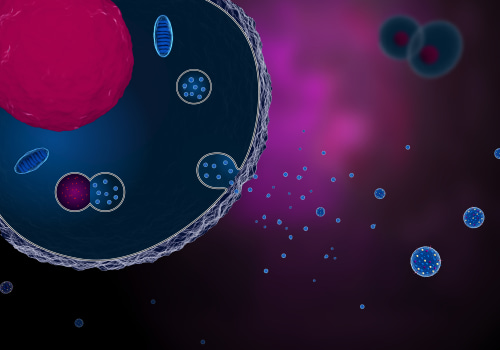
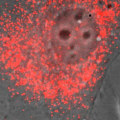
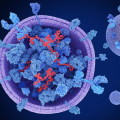
Exosomes are small extracellular vesicles that play a crucial role in intercellular communication. These nano-sized structures, typically ranging from 30 to 150 nanometers in diameter, are secreted by various cell types and contain a complex mixture of proteins, lipids, and nucleic acids. Their primary function is to facilitate the transfer of molecular signals between cells, thereby influencing numerous biological processes such as immune responses, tissue repair, and cellular regeneration. Understanding exosomes is essential for grasping their potential applications in both medicine and aesthetic treatments.In essence, exosomes act as messengers that carry information from one cell to another.
They encapsulate bioactive molecules that can modulate the behaviour of recipient cells, promoting healing and regeneration. This unique capability has garnered significant interest in the field of regenerative medicine, where exosomes are being explored for their therapeutic potential in treating various conditions, including degenerative diseases and injuries. Their ability to enhance cellular communication makes them a promising tool for advancing medical treatments.Moreover, the significance of exosomes extends beyond traditional medicine into the realm of aesthetics. In recent years, they have emerged as a revolutionary component in skin rejuvenation therapies.
By harnessing the regenerative properties of exosomes, practitioners aim to stimulate collagen production, improve skin texture, and promote overall skin health. This innovative approach not only offers a non-invasive alternative to conventional treatments but also aligns with the growing demand for natural and effective solutions in cosmetic procedures.As research continues to unveil the multifaceted roles of exosomes in cellular dynamics, their potential applications are expanding rapidly. From enhancing wound healing to revitalising aged skin, exosomes represent a frontier in both scientific inquiry and practical application. Understanding their biological significance is the first step towards appreciating how they can be effectively utilised in various therapeutic contexts.
The Science Behind Exosome Therapy
Exosome therapy is an innovative approach that leverages the natural properties of exosomes to promote healing and regeneration within the body.Exosomes are small extracellular vesicles secreted by various cell types, playing a crucial role in intercellular communication. They contain a rich cargo of proteins, lipids, nucleic acids, and growth factors that facilitate cellular processes essential for tissue repair and regeneration.One of the primary mechanisms by which exosomes exert their effects is through the transfer of bioactive molecules to target cells. When exosomes are introduced into the body, they can fuse with recipient cells, delivering their molecular contents directly into those cells. This process enhances cellular communication and stimulates various biological responses, including:
- Cell Proliferation: Exosomes can promote the growth and division of cells, which is vital for tissue repair.
- Anti-Inflammatory Effects: They help modulate inflammatory responses, reducing chronic inflammation that can hinder healing.
- Angiogenesis: Exosomes support the formation of new blood vessels, ensuring that tissues receive adequate oxygen and nutrients during the healing process.
- Stem Cell Activation: They can activate stem cells in the body, encouraging them to differentiate into specific cell types needed for repair.
In aesthetic medicine, for instance, exosome therapy has shown promise in skin rejuvenation and hair restoration. By enhancing collagen production and improving skin elasticity, exosomes can lead to a more youthful appearance. Additionally, their ability to stimulate hair follicles makes them a potential solution for individuals experiencing hair loss.Moreover, exosome therapy is not limited to cosmetic applications; it has significant implications in regenerative medicine. For conditions such as joint injuries or degenerative diseases, exosomes can be injected directly into affected areas to promote healing and reduce pain.
Their low risk of side effects and minimally invasive nature make them an attractive option for patients seeking effective treatment alternatives.In summary, the science behind exosome therapy highlights its potential as a powerful tool for healing and regeneration. By harnessing the natural properties of exosomes, medical professionals can offer innovative treatments that address a variety of health concerns while promoting overall well-being.
Current Applications of Exosome Injections
Exosome injections are emerging as a revolutionary approach in both aesthetic and medical fields, harnessing the natural regenerative properties of these tiny vesicles. Exosomes, which are secreted by cells, play a crucial role in intercellular communication and can significantly influence various biological processes, including tissue repair and regeneration.Aesthetic Treatments with Exosomes
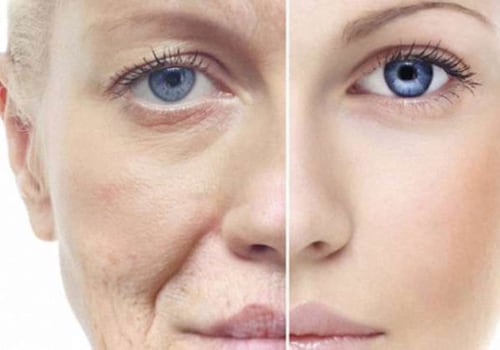
- Skin Rejuvenation: One of the most popular applications of exosome injections is in skin rejuvenation. By injecting exosomes directly into the dermis, practitioners can stimulate collagen production, enhance skin elasticity, and promote overall skin health.
This treatment is particularly beneficial for individuals looking to reduce the appearance of fine lines, wrinkles, and other signs of aging.
- Hair Restoration: Exosome therapy has also gained traction in the field of hair restoration. When injected into the scalp, exosomes can activate dormant hair follicles and encourage new hair growth. This non-invasive procedure is appealing to those experiencing thinning hair or pattern baldness, offering a promising alternative to more invasive surgical options.
- Scar Treatment: Exosomes can aid in the healing process of scars by promoting tissue regeneration. Their ability to enhance cellular communication helps in reducing scar visibility and improving skin texture.
Medical Applications of Exosomes
- Tissue Repair: In medical settings, exosome injections are being explored for their potential to facilitate tissue repair following injuries or surgeries.
By delivering growth factors and other regenerative molecules directly to the damaged area, exosomes can accelerate healing and reduce inflammation.
- Joint Health: Exosome therapy is also being investigated for its efficacy in treating joint conditions such as osteoarthritis. Injecting exosomes into affected joints may help alleviate pain and improve mobility by promoting cartilage repair.
- Cardiovascular Health: Research is ongoing into the use of exosomes for cardiovascular applications, including their potential to improve heart function after myocardial infarction (heart attack) by promoting cell survival and regeneration.
Regulatory Landscape for Exosome Injections in the UK
The regulatory landscape for exosome injections in the UK is complex and evolving, reflecting the broader challenges faced by innovative medical treatments. Currently, the use of exosomes in aesthetic procedures, particularly injections, is not legally sanctioned within the UK.This restriction stems from the stringent regulations imposed by the Medicines and Healthcare products Regulatory Agency (MHRA), which governs the use of medical products and treatments to ensure patient safety.Exosomes, which are small extracellular vesicles involved in intercellular communication, have garnered attention for their potential in regenerative medicine and aesthetic applications. However, their classification as advanced therapy medicinal products (ATMPs) means that any treatment involving exosome injections must undergo rigorous clinical trials and regulatory approval before being offered to patients. As of now, no such approvals have been granted for cosmetic use.Practitioners considering the use of exosome therapy must navigate these legal restrictions carefully. Offering unapproved treatments can lead to significant legal repercussions, including fines and loss of medical licensure.
Furthermore, patients seeking these therapies should be aware that any exosome injections performed outside of regulated environments may pose risks due to a lack of oversight regarding product quality and treatment protocols.Despite these challenges, some practitioners have explored alternative methods of administering exosomes, such as topical applications following microneedling. While this approach may not fall under the same regulatory scrutiny as injections, it still raises questions about efficacy and safety. Patients should always consult with qualified healthcare professionals who are well-versed in current regulations and can provide guidance on safe treatment options.In summary, while the potential benefits of exosome therapy are promising, the current legal status in the UK presents significant barriers to its widespread adoption in aesthetic practices. As research progresses and more data becomes available, it is possible that regulations will evolve to accommodate these innovative treatments, paving the way for safer and more effective applications in the future.
Benefits of Injecting Exosomes
Injecting exosomes has emerged as a revolutionary approach in the fields of regenerative medicine and aesthetic treatments, offering a multitude of benefits that set it apart from traditional therapies.Below are some of the key advantages of exosome injections:
- Enhanced Healing Properties: Exosomes are rich in growth factors, proteins, and nucleic acids that facilitate cellular communication and promote tissue repair. When injected, they can significantly accelerate the healing process, making them particularly beneficial for patients recovering from injuries or surgical procedures.
- Minimally Invasive: Unlike more invasive surgical options, exosome injections are minimally invasive. This means that patients can experience less discomfort and a quicker recovery time, allowing them to return to their daily activities sooner.
- Low Risk of Side Effects: The safety profile of exosome therapy is generally favourable. Common side effects associated with injections, such as mild redness or swelling at the injection site, are typically transient and resolve quickly.
This makes exosome therapy a safer alternative compared to more aggressive treatments.
- Versatile Applications: Exosome injections can be tailored to address a variety of concerns, from skin rejuvenation to hair restoration. This versatility allows practitioners to customise treatments based on individual patient needs, enhancing overall satisfaction with the results.
- Natural Approach: As exosomes are derived from human cells, they offer a more natural method of treatment compared to synthetic alternatives. This biocompatibility reduces the risk of adverse reactions and aligns with the body’s natural healing processes.
- Improved Absorption: When injected directly into the target area, exosomes can penetrate deeper layers of tissue compared to topical applications. This direct delivery enhances their effectiveness in stimulating cellular regeneration and repair.
- Long-lasting Results: Many patients report sustained improvements in skin texture and hair growth following exosome therapy.
The regenerative properties of exosomes can lead to long-term benefits, making them an attractive option for those seeking lasting results.
Potential Risks and Side Effects of Exosome Injections
While exosome therapy presents a promising avenue for skin rejuvenation and other aesthetic treatments, it is essential to consider the potential risks and side effects associated with exosome injections. Understanding these factors can help individuals make informed decisions about their treatment options.One of the primary concerns regarding exosome injections is the possibility of adverse reactions.Although many patients experience minimal side effects, some may encounter more significant issues. Commonly reported side effects include:
- Redness: This is often localized to the injection site and typically resolves within a few hours to a few days.
- Swelling: Similar to redness, swelling can occur at the injection site but usually subsides quickly.
- Bruising: Some patients may experience bruising, particularly if the injection is administered in sensitive areas.
- Pain or discomfort: Mild pain or discomfort at the injection site is not uncommon, but this is generally short-lived.
- Infection: As with any injection, there is a risk of infection if proper sterile techniques are not followed.
- Allergic reactions: Some individuals may have an allergic response to the components of the exosomes, leading to symptoms such as itching, rash, or swelling beyond the injection site.
- Tissue damage: Improper injection techniques or incorrect dosages could potentially lead to tissue damage or necrosis.
Patients should be aware that while immediate side effects may be manageable, the long-term implications of repeated exosome injections remain uncertain.It is crucial for individuals considering exosome therapy to consult with qualified healthcare professionals who can provide guidance based on their specific health conditions and treatment goals. A thorough discussion about potential risks and benefits will help ensure that patients are well-informed and prepared for their treatment journey.In conclusion, while exosome injections offer exciting possibilities for skin rejuvenation and healing, potential risks and side effects must be carefully weighed. By understanding these factors and seeking professional advice, individuals can make choices that align with their health needs and aesthetic aspirations.
Comparing Injection Methods: Exosomes vs. Other Treatments
When considering aesthetic treatments for skin rejuvenation, it is essential to evaluate the various methods available, particularly exosome injections and microneedling.Both techniques have gained popularity for their ability to enhance skin health and appearance, yet they operate through different mechanisms and offer unique benefits.
Exosome Injections
- Mechanism of Action: Exosomes are nanoscale vesicles secreted by cells that facilitate intercellular communication. They contain proteins, lipids, and nucleic acids that promote tissue repair and regeneration. When injected into the skin, exosomes can stimulate cellular processes that lead to improved skin texture, elasticity, and overall vitality.
- Application: The injection method allows for targeted delivery of exosomes directly into the dermis, ensuring that the active components reach the intended area effectively. This precision can lead to more pronounced results in skin rejuvenation.
- Benefits: Exosome therapy is minimally invasive with a low risk of side effects.
Patients often experience minimal downtime, making it an attractive option for those seeking quick recovery.
Microneedling
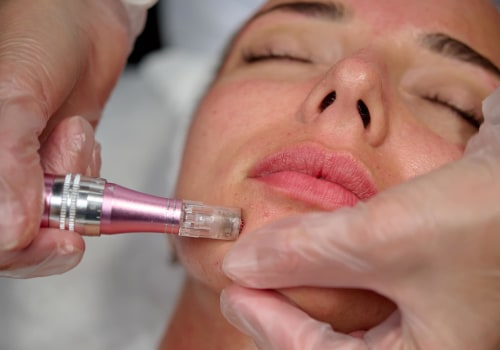
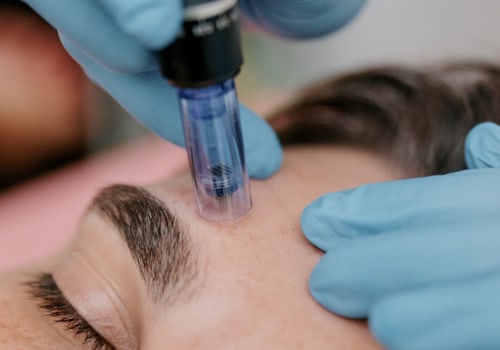
- Mechanism of Action: Microneedling involves creating micro-injuries in the skin using fine needles. This process triggers the body’s natural healing response, promoting collagen production and enhancing skin texture.
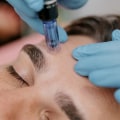
- Application: Typically performed with a device that creates controlled microlesions, microneedling can be combined with topical serums, including exosomes, to enhance absorption and efficacy. This dual approach can maximise results by allowing exosomes to penetrate deeper into the skin.
- Benefits: Microneedling is versatile and can address various skin concerns such as fine lines, acne scars, and overall skin tone. However, it may require more downtime compared to exosome injections due to potential redness and swelling post-treatment.
Comparative Analysis
While both exosome injections and microneedling offer significant benefits for skin rejuvenation, their effectiveness can vary based on individual needs and treatment goals.
Exosome injections provide a direct infusion of regenerative properties into the skin, potentially leading to quicker results with less downtime. In contrast, microneedling serves as a mechanical method that stimulates collagen production while allowing for enhanced absorption of topical treatments.Ultimately, the choice between these methods should be guided by a thorough consultation with a qualified practitioner who can assess individual skin conditions and recommend the most suitable treatment plan tailored to specific aesthetic goals.
Future Perspectives on Exosome Therapy
The field of exosome therapy is rapidly evolving, with ongoing research and clinical trials paving the way for its potential integration into mainstream medical and aesthetic practices. As scientists continue to uncover the multifaceted roles of exosomes in cellular communication and regeneration, we can anticipate significant advancements that may redefine treatment protocols across various disciplines.One of the most promising areas of development lies in the enhancement of exosome extraction and purification techniques. Current methods often yield exosomes that vary in quality and concentration, which can affect treatment outcomes.Future innovations may lead to standardised protocols that ensure a consistent supply of high-quality exosomes, thereby increasing their efficacy in therapeutic applications.Moreover, as our understanding of the molecular mechanisms underlying exosome function deepens, we may see tailored therapies that utilise specific exosomal contents for targeted treatments. For instance, researchers are exploring the potential of engineering exosomes to carry specific proteins or genetic material that could enhance their regenerative properties. This could lead to personalised medicine approaches where treatments are customised based on an individual’s unique biological profile.In the realm of aesthetic medicine , the future of exosome therapy appears particularly bright. As regulatory bodies begin to recognise the safety and efficacy of these treatments, we may witness a shift towards more widespread acceptance and utilisation in cosmetic procedures.
Exosomes could become a staple in skin rejuvenation protocols, offering patients a non-invasive alternative to traditional surgical methods.Furthermore, advancements in delivery systems, such as nanotechnology and microencapsulation, may enhance the absorption and effectiveness of exosome therapies. These innovations could facilitate deeper penetration into the skin layers, maximising the therapeutic benefits while minimising discomfort and downtime for patients.As we look ahead, it is essential for practitioners and patients alike to stay informed about ongoing research and emerging trends in exosome therapy. The potential for this innovative treatment modality to revolutionise both regenerative medicine and aesthetic practices is immense, making it an exciting area to watch in the coming years.
Frequently Asked Questions about Exosome Injections
As interest in exosome therapy continues to grow, many individuals have questions and concerns regarding the safety, efficacy, and application of exosome injections. Below are some of the most frequently asked questions that can help clarify these aspects for potential patients.What are exosomes?
Exosomes are tiny vesicles secreted by cells that play a crucial role in cell communication.They contain proteins, lipids, and nucleic acids that facilitate intercellular communication and influence various biological processes, including tissue repair and regeneration.
How are exosomes administered?
Exosomes can be administered through injections directly into the target area or applied topically after procedures like microneedling. The injection method allows for deeper penetration into the skin, while topical application enhances absorption through microlesions created during microneedling.Are exosome injections safe?
While exosome therapy is generally considered safe, it is essential to consult with a qualified medical professional. Common side effects may include temporary redness, swelling, or bruising at the injection site. These effects are usually mild and resolve quickly.What conditions can exosome therapy treat?
Exosome therapy has shown promise in treating various conditions, including:- Skin rejuvenation: Enhancing skin texture and reducing signs of aging.
- Hair restoration: Stimulating hair growth in thinning areas.
- Tissue repair: Promoting healing in joints and other damaged tissues.
How long do the effects of exosome injections last?
The duration of results can vary depending on individual factors such as age, skin condition, and overall health.Many patients report noticeable improvements for several months following treatment, but maintenance sessions may be recommended to sustain results.
Are there any regulations regarding exosome therapy in the UK?
Currently, exosome treatments are not legally approved for injection into the face in the UK. While some experimental applications exist in other countries, it is crucial to ensure that any treatment complies with local regulations and is performed by licensed professionals.If you have further questions or concerns about exosome injections, it is advisable to consult with a healthcare provider who specializes in regenerative medicine to receive tailored advice based on your specific needs.Conclusion: Should You Consider Exosome Injections?
As we conclude our exploration of exosome injections, it is essential to reflect on the key points discussed and consider whether this innovative treatment aligns with your personal health and aesthetic goals. The potential benefits of exosome therapy are significant, particularly in the realms of skin rejuvenation and hair restoration. These tiny vesicles, rich in proteins, lipids, and growth factors, play a crucial role in cellular communication and regeneration, making them a promising option for those seeking to enhance their appearance.Benefits of Exosome Injections
- Skin Rejuvenation: Exosomes can stimulate collagen production and promote skin repair, leading to improved texture and elasticity.
- Hair Restoration: When injected into the scalp, exosomes may encourage hair follicles to regenerate, potentially reversing hair thinning.
- Minimally Invasive: The treatment is generally well-tolerated, with minimal downtime compared to more invasive procedures.
- Low Risk of Side Effects: While some temporary redness or swelling may occur at the injection site, these effects are typically mild and resolve quickly.
As with any medical procedure, there are considerations to keep in mind:
- Regulatory Status: In the UK, exosome injections for cosmetic purposes are not yet fully approved, which may raise concerns about safety and efficacy.
- Variability in Results: Individual responses to treatment can vary significantly; what works for one person may not yield the same results for another.
- Expertise Required: It is vital to seek treatment from qualified professionals who understand the complexities of exosome therapy.
Final Thoughts on Exosomes
The decision to pursue exosome injections should be made after careful consideration of your specific needs and circumstances. Consulting with a qualified healthcare provider can help you navigate the options available and determine if this treatment is suitable for you. As research continues to evolve in this field, exosome therapy may become a more mainstream option for those looking to enhance their skin and hair health. Ultimately, staying informed and prioritising safety will empower you to make the best choice for your aesthetic journey.