Cancer metastasis is a complex and often devastating process that occurs when cancer cells spread from their original (primary) site to other parts of the body. This phenomenon is not merely a consequence of cancer progression; it represents a significant challenge in oncology, as metastatic disease is responsible for the majority of cancer-related deaths. Understanding how cancer cells migrate and establish secondary tumours is crucial for developing effective treatment strategies and improving patient outcomes.The journey of cancer cells from the primary tumour to distant organs involves several steps, including invasion into surrounding tissues, entry into the bloodstream or lymphatic system, and colonisation of new sites. This process can be facilitated by various factors, such as the tumour microenvironment, which can provide a supportive niche for cancer cells to thrive.
Additionally, certain biological mechanisms, including the secretion of exosomes—small vesicles that facilitate intercellular communication—play a pivotal role in promoting metastasis by enhancing the survival and adaptability of these rogue cells.Early detection of cancer is paramount in preventing metastasis. When cancer is identified at an initial stage, there are often more treatment options available, which can significantly reduce the risk of spread. Techniques such as regular screenings and awareness of early symptoms can lead to timely interventions, including surgery and adjuvant therapies like chemotherapy or immunotherapy. These approaches aim not only to eliminate the primary tumour but also to prevent the establishment of metastatic disease, thereby improving survival rates and quality of life for patients.
The Role of Exosomes in Cancer Biology
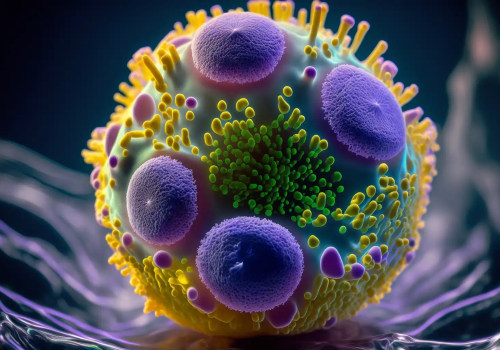
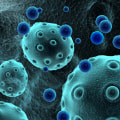
Exosomes are small extracellular vesicles, typically ranging from 30 to 150 nanometers in diameter, that are secreted by various cell types, including cancer cells.They play a crucial role in intercellular communication by transporting proteins, lipids, and nucleic acids between cells. This transfer of molecular information is vital for maintaining cellular homeostasis and regulating physiological processes. In the context of cancer, exosomes have emerged as significant players in the progression and metastasis of tumours.In cancer biology, exosomes facilitate communication between cancer cells and their surrounding microenvironment. They can influence the behaviour of neighbouring cells, including immune cells, fibroblasts, and endothelial cells, thereby altering the tumour microenvironment to favour cancer progression. They play a crucial role in intercellular communication by transporting proteins, lipids, and nucleic acids between cells. This transfer of molecular information is vital for maintaining cellular homeostasis and regulating physiological processes. In the context of cancer, exosomes have emerged as significant players in the progression and metastasis of tumours.In cancer biology, exosomes facilitate communication between cancer cells and their surrounding microenvironment. They can influence the behaviour of neighbouring cells, including immune cells, fibroblasts, and endothelial cells, thereby altering the tumour microenvironment to favour cancer progression.
For instance, exosomes derived from cancer cells can carry oncogenic proteins and genetic material that promote angiogenesis—the formation of new blood vessels—which is essential for tumour growth and metastasis.Moreover, exosomes can modulate immune responses. Cancer-derived exosomes often contain immunosuppressive factors that can inhibit the activity of immune cells such as T lymphocytes and natural killer (NK) cells. By doing so, they create an environment conducive to tumour survival and expansion. This immunosuppressive effect is particularly critical during the metastatic process, as it allows disseminated cancer cells to evade detection and destruction by the immune system.Another important aspect of exosomes in metastasis is their role in establishing pre-metastatic niches. For instance, exosomes derived from cancer cells can carry oncogenic proteins and genetic material that promote angiogenesis—the formation of new blood vessels—which is essential for tumour growth and metastasis.Moreover, exosomes can modulate immune responses. Cancer-derived exosomes often contain immunosuppressive factors that can inhibit the activity of immune cells such as T lymphocytes and natural killer (NK) cells. By doing so, they create an environment conducive to tumour survival and expansion. This immunosuppressive effect is particularly critical during the metastatic process, as it allows disseminated cancer cells to evade detection and destruction by the immune system.Another important aspect of exosomes in metastasis is their role in establishing pre-metastatic niches.
These niches are specific microenvironments that prepare distant organs for the arrival of circulating tumour cells (CTCs). Exosomes can carry signals that prime these distant sites, making them more receptive to incoming cancer cells. For example, they may deliver factors that enhance local inflammation or alter extracellular matrix components, facilitating the colonisation of metastatic cells.In summary, exosomes are not merely by-products of cellular activity; they are active participants in cancer biology. Their ability to mediate communication between cancer cells and their microenvironment significantly contributes to the processes of metastasis. These niches are specific microenvironments that prepare distant organs for the arrival of circulating tumour cells (CTCs). Exosomes can carry signals that prime these distant sites, making them more receptive to incoming cancer cells. For example, they may deliver factors that enhance local inflammation or alter extracellular matrix components, facilitating the colonisation of metastatic cells.In summary, exosomes are not merely by-products of cellular activity; they are active participants in cancer biology. Their ability to mediate communication between cancer cells and their microenvironment significantly contributes to the processes of metastasis.
Understanding the intricate roles of exosomes could pave the way for novel therapeutic strategies aimed at disrupting their function and ultimately preventing cancer spread.
Mechanisms by Which Exosomes Promote Metastasis
Exosomes, small extracellular vesicles secreted by various cell types, play a pivotal role in the metastatic process of cancer. Their ability to facilitate communication between cells is crucial for the progression of cancer, particularly in how they contribute to immune evasionimmune evasion, the formation of pre-metastatic niches, and the transfer of oncogenic signals.Immune Evasion
One of the primary mechanisms by which exosomes promote metastasis is through their involvement in immune evasion. Cancer cells can release exosomes that carry immunosuppressive molecules, such as programmed death-ligand 1 (PD-L1) and various cytokines. These molecules can inhibit the activity of immune cells, including T cells and natural killer (NK) cells, thereby allowing cancer cells to escape immune surveillance.
By modulating the immune response, exosomes create a more favourable environment for tumour growth and spread.
Formation of Pre-Metastatic Niches
Exosomes also play a significant role in establishing pre-metastatic niches. These are microenvironments that prepare distant organs for the arrival of circulating tumour cells (CTCs). Exosomes derived from primary tumours can influence the stromal cells in target organs, promoting changes that facilitate metastasis. For instance, they can induce angiogenesis and alter extracellular matrix (ECM) composition, making it easier for CTCs to colonise these sites.
This process is often mediated by the transfer of specific proteins and RNAs that modify the behaviour of recipient cells.
Transfer of Oncogenic Signals
The transfer of oncogenic signals via exosomes is another critical mechanism in metastasis. Exosomes can carry oncogenic proteins, microRNAs, and other genetic materials that can reprogram recipient cells to adopt a more aggressive phenotype. For example, exosomal microRNAs can downregulate tumour suppressor genes or upregulate genes associated with proliferation and invasion. This transfer not only enhances the malignancy of neighbouring cells but also contributes to the overall heterogeneity within the tumour microenvironment.In summary, exosomes are integral to the metastatic cascade through their roles in immune evasion, pre-metastatic niche formation, and oncogenic signal transfer.
Understanding these mechanisms provides valuable insights into potential therapeutic targets aimed at disrupting exosome-mediated communication in cancer progression.
Strategies to Target Exosomes for Cancer Prevention
Exosomes, small extracellular vesicles secreted by various cell types, play a pivotal role in intercellular communication and have emerged as significant players in cancer progression and metastasis. Targeting exosomes presents a promising strategy for cancer prevention, particularly in inhibiting the spread of malignant cells. Here, we explore several innovative approaches aimed at harnessing the potential of exosome-targeting therapies.1.Exosome Inhibitors
One of the most direct strategies involves the development of exosome inhibitors. These agents can disrupt the biogenesis or release of exosomes from cancer cells, thereby limiting their ability to communicate with surrounding tissues and promote metastasis.
For instance, certain compounds have been identified that can inhibit the formation of exosomes by targeting specific proteins involved in their production. By blocking these pathways, it may be possible to reduce the metastatic potential of tumours.
2.Targeting Exosomal Cargo
Exosomes carry a variety of molecular cargo, including proteins, lipids, and nucleic acids that can influence recipient cells. Therapeutic strategies that focus on neutralising or altering this cargo can significantly impact cancer progression. For example, using RNA interference (RNAi) technologies to target oncogenic mRNAs within exosomes could prevent the transfer of pro-tumorigenic signals to healthy cells.
This approach not only hampers the growth of metastatic lesions but also enhances the efficacy of existing therapies.
3.Novel Drug Delivery Systems
Exosomes themselves can be engineered as drug delivery vehicles. By loading therapeutic agents into exosomes derived from non-cancerous cells, researchers can exploit their natural ability to target specific tissues and evade immune detection. This method allows for a more precise delivery of anti-cancer drugs directly to tumour sites while minimising systemic side effects. Furthermore, modifying the surface proteins of these engineered exosomes can enhance their targeting capabilities towards metastatic niches.
4.Immunotherapeutic Approaches
Immunotherapy is another promising avenue for targeting exosomes in cancer treatment.
By harnessing the immune system's ability to recognise and destroy cancer cells, therapies that stimulate immune responses against exosomal antigens could be developed. This strategy not only targets the primary tumour but also addresses circulating tumour cells that may lead to metastasis.In conclusion, targeting exosomes offers a multifaceted approach to preventing cancer metastasis. Through the use of exosome inhibitors, manipulation of their cargo, innovative drug delivery systems, and immunotherapeutic strategies, researchers are paving the way for more effective cancer treatments that could significantly improve patient outcomes.
The Impact of Lifestyle Factors on Exosome Activity
Understanding the role of exosomes in cancer progression and metastasis is crucial, as these small vesicles are involved in intercellular communication and can influence tumour behaviour. Recent research indicates that lifestyle factors, particularly diet and exercise , can significantly affect exosome activity, potentially reducing the risk of cancer metastasis.The Role of Diet in Modulating Exosome Activity
A well-balanced diet rich in antioxidants, vitamins, and minerals can enhance the body’s ability to combat cancer.Foods high in polyphenols, such as berries, green tea, and dark chocolate, have been shown to influence exosome release and composition. These compounds can modulate the secretion of exosomes from cancer cells, potentially inhibiting their ability to promote metastasis.
- Fruits and Vegetables: A diet abundant in fruits and vegetables provides essential nutrients that support immune function and may alter exosome profiles to favour anti-cancer effects.
- Healthy Fats: Incorporating sources of omega-3 fatty acids, such as fish and flaxseeds, can reduce inflammation and may impact exosome-mediated communication between cancer cells.
- Whole Grains: Whole grains are rich in fibre and can help maintain a healthy gut microbiome, which has been linked to improved immune responses against cancer.
The Impact of Exercise on Cancer Prevention
Regular physical activity is another critical lifestyle factor that can influence exosome activity. Exercise has been shown to enhance immune function and reduce inflammation, both of which are vital in preventing cancer progression.- Improved Circulation: Exercise increases blood flow, which may facilitate the transport of immune cells and exosomes throughout the body, enhancing their ability to target cancer cells.
- Hormonal Regulation: Physical activity helps regulate hormones such as insulin and oestrogen, which can play a role in cancer development. By maintaining hormonal balance, exercise may indirectly affect exosome activity related to tumour growth.
- Stress Reduction: Engaging in regular exercise can reduce stress levels, which is important since chronic stress has been linked to increased cancer risk.
Lower stress levels may lead to a more favourable exosomal environment for immune response.
Current Research and Future Directions in Exosome Studies
Recent advancements in the field of exosome research have unveiled their significant role in cancer biology, particularly in the context of metastasis. Exosomes, which are small extracellular vesicles secreted by various cell types, have emerged as crucial mediators of intercellular communication. They carry a cargo of proteins, lipids, and nucleic acids that can influence the behaviour of recipient cells, including cancer cells.This has led to a growing interest in understanding how exosomes contribute to cancer progression and metastasis.One of the most promising areas of research is the potential of exosomes as biomarkers for early cancer detection. Studies have shown that the molecular composition of exosomes can reflect the pathological state of their parent cells. For instance, specific RNA profiles found in exosomes derived from cancer patients can be used to distinguish between different cancer types and stages. This capability could revolutionise early diagnosis and enable more tailored treatment approaches.Moreover, ongoing clinical trials are exploring the therapeutic potential of exosome-based interventions.
For example, researchers are investigating the use of engineered exosomes to deliver therapeutic agents directly to tumour cells while minimising off-target effects. These engineered exosomes can be loaded with drugs or RNA molecules designed to inhibit pathways critical for cancer cell survival and proliferation. Such targeted delivery systems could enhance the efficacy of existing treatments while reducing side effects.In addition to therapeutic applications, there is a growing body of evidence suggesting that modulating exosomal pathways could prevent metastasis. By inhibiting the release or uptake of exosomes that promote tumour growth and spread, researchers aim to develop strategies that could significantly reduce metastatic potential.
This approach is particularly relevant given that metastasis remains one of the leading causes of cancer-related mortality.Looking ahead, future research will likely focus on elucidating the complex mechanisms by which exosomes influence tumour microenvironments and immune responses. Understanding these interactions could pave the way for novel therapeutic strategies that harness the power of exosomes in combating cancer. As clinical trials continue to explore various aspects of exosome biology, it is clear that this field holds great promise for advancing cancer treatment and improving patient outcomes.
FAQs About Exosomes and Cancer Metastasis
Exosomes have emerged as a significant area of research in understanding cancer metastasis. Below are some frequently asked questions that clarify their role and implications in cancer treatment.What are exosomes?
Exosomes are small extracellular vesicles, typically ranging from 30 to 150 nanometers in diameter, that are secreted by various cell types, including cancer cells.They play a crucial role in intercellular communication by transporting proteins, lipids, and RNA molecules between cells. This communication can influence various biological processes, including those related to cancer progression and metastasis.
How do exosomes contribute to cancer metastasis?
Exosomes can facilitate cancer metastasis by promoting the survival and proliferation of disseminated tumor cells. They carry molecular signals that can alter the behaviour of recipient cells, enabling them to create a supportive microenvironment for tumour growth. For instance, exosomes can enhance angiogenesis (the formation of new blood vessels) and modulate immune responses, allowing cancer cells to evade detection by the immune system.Can exosomes be targeted for cancer treatment?
Yes, targeting exosomes presents a promising strategy for cancer therapy.Researchers are exploring ways to inhibit the production or function of exosomes derived from cancer cells. By disrupting their communication pathways, it may be possible to hinder the metastatic process and improve treatment outcomes. Additionally, exosomes can be engineered to deliver therapeutic agents directly to tumour sites, enhancing the efficacy of existing treatments.
What is the significance of exosomal biomarkers in cancer?
Exosomal biomarkers are molecules found within exosomes that can provide valuable information about the presence and progression of cancer. These biomarkers can be used for early detection, monitoring treatment response, and predicting patient outcomes.Their non-invasive nature makes them an attractive option for liquid biopsies, which could revolutionise how we diagnose and manage cancer.
Are there any current therapies targeting exosomes?
While research is ongoing, several experimental therapies targeting exosomes are being developed. These include agents designed to block exosome release or inhibit their uptake by recipient cells. Clinical trials are underway to evaluate the safety and effectiveness of these approaches in various types of cancers.Understanding the role of exosomes in cancer metastasis is crucial for developing innovative therapeutic strategies that could significantly improve patient outcomes.Conclusion: The Path Forward in Preventing Cancer Metastasis
In conclusion, the fight against cancer metastasis is a multifaceted challenge that requires a comprehensive understanding of the underlying biological mechanisms. Throughout this article, we have explored the pivotal role of exosomes in cancer progression and metastasis.These small extracellular vesicles are not merely byproducts of cellular activity; they are active participants in the communication between cancer cells and their microenvironment, influencing processes such as immune evasion, angiogenesis, and the establishment of pre-metastatic niches.Understanding the function of exosomes opens new avenues for therapeutic intervention. By targeting the pathways involved in exosome production and release, researchers may develop strategies to inhibit the spread of cancer cells. For instance, blocking specific proteins that facilitate exosome formation could potentially reduce the ability of tumours to communicate with surrounding tissues and evade immune responses.Moreover, the potential of exosomes as biomarkers for early detection cannot be overstated. Their presence in bodily fluids such as blood or urine could provide a non-invasive means to identify cancer at an earlier stage, allowing for timely intervention before metastasis occurs.
This highlights the importance of ongoing research into exosomal content and its implications for cancer diagnostics.As we move forward, it is crucial to foster collaboration between researchers, clinicians, and policymakers to enhance awareness and funding for studies focused on exosomes in cancer prevention. Public education campaigns can also play a vital role in informing patients about the significance of early detection and the latest advancements in treatment options.In summary, while preventing cancer metastasis remains a complex challenge, understanding the role of exosomes provides hope for innovative approaches to combat this devastating aspect of cancer. Continued research in this area is essential not only for improving patient outcomes but also for paving the way towards more effective prevention strategies.