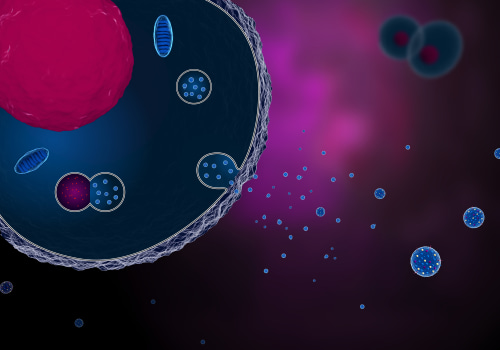
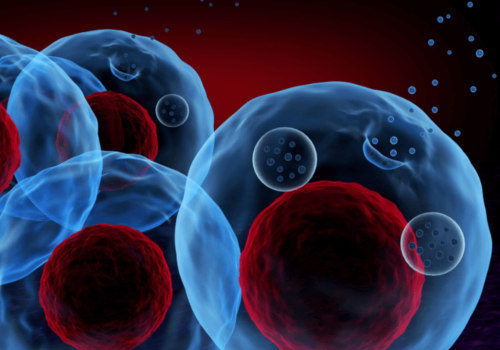
Exosomes are fascinating extracellular vesicles that play a pivotal role in intercellular communication. These tiny particles, typically ranging from 30 to 160 nanometers in diameter, are secreted by various cell types, including immune cells, neurons, and cancer cells. Their unique composition includes proteins, lipids, and nucleic acids such as mRNA and microRNA, which can influence the behaviour of recipient cells. This ability to transfer molecular information makes exosomes essential players in numerous biological processes.The functions of exosomes extend far beyond mere cellular waste disposal. Exosomes are fascinating extracellular vesicles that play a pivotal role in intercellular communication. These tiny particles, typically ranging from 30 to 160 nanometers in diameter, are secreted by various cell types, including immune cells, neurons, and cancer cells. Their unique composition includes proteins, lipids, and nucleic acids such as mRNA and microRNA, which can influence the behaviour of recipient cells. This ability to transfer molecular information makes exosomes essential players in numerous biological processes.The functions of exosomes extend far beyond mere cellular waste disposal.
They are involved in critical processes such as immune response modulation, tissue repair, and even the progression of diseases like cancer. For instance, exosomes can carry antigens from infected or malignant cells to dendritic cells, thereby activating They are involved in critical processes such as immune response modulation, tissue repair, and even the progression of diseases like cancer. For instance, exosomes can carry antigens from infected or malignant cells to dendritic cells, thereby activating T cells and initiating an immune response. Conversely, exosomes derived from tumour cells can suppress immune activity, highlighting their dual role as both facilitators and inhibitors of immune responses.Understanding the importance of exosomes is crucial for advancing therapeutic strategies. Their natural ability to transport bioactive molecules makes them promising candidates for drug delivery systems. They are involved in critical processes such as immune response modulation, tissue repair, and even the progression of diseases like cancer. For instance, exosomes can carry antigens from infected or malignant cells to dendritic cells, thereby activating T cells and initiating an immune response. Conversely, exosomes derived from tumour cells can suppress immune activity, highlighting their dual role as both facilitators and inhibitors of immune responses.Understanding the importance of exosomes is crucial for advancing therapeutic strategies. Their natural ability to transport bioactive molecules makes them promising candidates for drug delivery systems.
Researchers are exploring how to harness exosomes to deliver therapeutic agents directly to target cells, potentially revolutionising treatment approaches for various diseases. Moreover, the molecular content of exosomes can serve as biomarkers for early disease detection, offering a non-invasive method for diagnosing conditions such as cancer.In summary, exosomes are not just cellular by-products; they are sophisticated messengers that carry vital information between cells. Their multifaceted roles in health and disease underscore their significance in biomedical research and therapeutic applications. As we delve deeper into the world of exosomes, we uncover their potential to transform our understanding of cellular communication and pave the way for innovative medical treatments.
Understanding Exosome Biology
Exosomes are fascinating entities that play a pivotal role in intercellular communication.To fully appreciate their significance, it is essential to understand their biological composition and the intricate processes involved in their formation, known as biogenesis .
Composition of Exosomes
Exosomes are composed of a diverse array of biomolecules, which can be broadly categorised into three main components:
- Proteins: The protein content of exosomes includes a variety of functional proteins such as receptors, enzymes, and structural proteins. These proteins are crucial for the exosome's stability and functionality. Notably, tetraspanins (e.g., CD63, CD81) are commonly found on the surface of exosomes and play a role in mediating interactions with recipient cells.
- Lipids: The lipid bilayer of exosomes is primarily composed of phospholipids, cholesterol, and sphingolipids. This lipid composition not only provides structural integrity but also influences the exosome's ability to fuse with target cells and deliver their cargo.
- Genetic Material: Exosomes carry various forms of genetic material, including mRNA, microRNA (miRNA), and even DNA fragments.
This genetic cargo is instrumental in modulating gene expression in recipient cells, thereby influencing cellular behaviour and function.
Biogenesis of Exosomes
The process of exosome formation begins within the cell through a series of well-coordinated steps:
- Endocytosis: The biogenesis process starts with the inward budding of the plasma membrane, leading to the formation of early endosomes.
- Maturation: These early endosomes undergo maturation to become late endosomes or multivesicular bodies (MVBs). During this maturation phase, intraluminal vesicles (ILVs) are formed by the inward budding of the endosomal membrane. These early endosomes undergo maturation to become late endosomes or multivesicular bodies (MVBs). During this maturation phase, intraluminal vesicles (ILVs) are formed by the inward budding of the endosomal membrane.
- Exosome Release: MVBs can either fuse with lysosomes for degradation or with the plasma membrane to release ILVs as exosomes into the extracellular space.
The Role of Exosomes in Cell Communication
Exosomes play a pivotal role in cell communication, acting as essential mediators that facilitate the exchange of information between cells. These nanoscale vesicles are secreted by various cell types and contain a rich cargo of proteins, lipids, and nucleic acids, which can influence the behaviour of recipient cells.The mechanisms through which exosomes operate in intercellular communication are complex and multifaceted.One of the primary functions of exosomes is to transfer bioactive molecules that can modulate cellular responses. For instance, when exosomes are released from a stressed or damaged cell, they can carry specific proteins and genetic material that signal neighbouring cells to initiate protective mechanisms. This process is crucial for maintaining homeostasis within tissues, especially during times of physiological stress.Exosomes also play a significant role in the immune response. They can transport antigens from infected or cancerous cells to dendritic cells, which then present these antigens to T cells, thereby activating the immune system.
This antigen presentation is vital for the body’s ability to recognise and respond to pathogens or malignancies effectively.Moreover, exosomes are involved in the regulation of various signalling pathways. They can deliver microRNAs (miRNAs) and messenger RNAs (mRNAs) to target cells, influencing gene expression and cellular behaviour. For example, miRNAs carried by exosomes can silence specific genes in recipient cells, altering their function and potentially leading to changes in cell fate.The ability of exosomes to mediate communication extends beyond local interactions; they can also facilitate long-distance signalling. Exosomes released into the bloodstream can travel significant distances, allowing for systemic communication between distant organs.
This characteristic highlights their potential as therapeutic vehicles for targeted drug delivery and as biomarkers for disease detection.In summary, exosomes are integral to cell communication, serving as vehicles for molecular exchange that influences cellular behaviour and responses. Their role in maintaining homeostasis and mediating stress responses underscores their importance in both health and disease.
Exosomes in Disease: A Double-Edged Sword
Exosomes play a complex and multifaceted role in the context of disease, particularly in cancer and immune responses. These tiny vesicles, which are secreted by various cell types, can act as both facilitators of disease progression and as mediators of immune responses, making them a double-edged sword in the realm of health and disease.In cancer, exosomes are known to contribute significantly to tumor growth and metastasis. They achieve this by transferring bioactive molecules such as proteins, lipids, and nucleic acids between cells.For instance, exosomes derived from cancer cells can carry oncogenic factors that promote the proliferation of nearby healthy cells or even reprogram distant cells to create a more favourable microenvironment for tumour growth. This process can lead to enhanced angiogenesis, where new blood vessels form to supply nutrients to the growing tumour.Moreover, exosomes can facilitate the spread of cancer by aiding in the process of metastasis. They can modify the behaviour of surrounding stromal cells, promoting a supportive niche for cancer cells to invade other tissues. This is particularly evident in studies showing that exosomes from metastatic cancer cells can induce changes in recipient cells that enhance their migratory and invasive capabilities.However, exosomes also play a crucial role in the immune response.
They can carry antigens from tumour cells to dendritic cells, which are essential for initiating an immune response against cancer. This antigen presentation is vital for activating T cells, which can then target and destroy cancerous cells. In this way, exosomes serve as vehicles for immune surveillance , helping the body to recognise and combat malignancies.Despite their potential benefits in immune modulation, exosomes derived from tumours can also have immunosuppressive effects. They may carry molecules that inhibit T cell activation or promote regulatory T cell expansion, thereby dampening the overall immune response.
This duality complicates their role in cancer therapy; while they can be harnessed for immunotherapy strategies, they can also contribute to immune evasion by tumours.Understanding the dual roles of exosomes in disease is crucial for developing effective therapeutic strategies. By targeting specific pathways involved in exosome biogenesis or uptake, researchers hope to manipulate their functions to enhance anti-tumour immunity while inhibiting their pro-tumorigenic effects. This complexity underscores the need for further research into the precise mechanisms by which exosomes influence both cancer progression and immune responses.
Exosomes as Biomarkers for Disease Detection
Exosomes have emerged as a promising avenue for disease detection, particularly in the realm of oncology. These nanoscale vesicles, secreted by various cell types, carry a wealth of molecular information that can provide insights into the physiological state of their parent cells.This characteristic makes exosomes invaluable as biomarkers for a range of diseases, including cancer.One of the most significant advantages of using exosomes as biomarkers is their presence in easily accessible body fluids such as blood, urine, and saliva. This non-invasive approach to diagnostics is often referred to as liquid biopsy. Unlike traditional biopsy methods, which can be invasive and painful, liquid biopsies allow for the collection of samples with minimal discomfort to the patient.The molecular content of exosomes reflects the characteristics of the cells from which they originate. For instance, exosomes derived from cancer cells can contain specific proteins, lipids, and nucleic acids that are indicative of tumour presence and progression.
Studies have shown that these exosomal markers can be detected in various body fluids, making them suitable candidates for early cancer detection.In particular, researchers have identified several key components within exosomes that serve as potential biomarkers:
- Proteins: Certain proteins found in exosomes can indicate the presence of cancerous cells. For example, proteins associated with tumour growth or metastasis may be elevated in exosomes from patients with specific cancers.
- Nucleic Acids: Exosomal RNA, including mRNA and microRNA (miRNA), can provide information about gene expression changes associated with disease states. The presence of specific miRNAs has been linked to various cancers and can serve as indicators for diagnosis.
- Lipids: The lipid composition of exosomes can also change in response to disease. Alterations in lipid profiles may reflect metabolic changes within cancer cells.
Research is ongoing into their role in other diseases such as neurodegenerative disorders and cardiovascular diseases. For instance, exosomal proteins have been implicated in Alzheimer’s disease, where they may contribute to the formation of amyloid plaques.In conclusion, the ability of exosomes to encapsulate and transport molecular signatures from their parent cells positions them as powerful tools for disease detection. As research continues to uncover the complexities of exosomal content and its implications for health and disease, we may see a shift towards more widespread adoption of liquid biopsies in clinical practice, paving the way for earlier diagnosis and improved patient outcomes.
Therapeutic Applications of Exosomes
Exosomes have emerged as a promising avenue for therapeutic applications, particularly in the realms of drug delivery and gene therapy. Their unique properties, including their ability to encapsulate various biomolecules and facilitate intercellular communication, make them ideal candidates for targeted therapies.Exosome Therapy: A New Frontier
Exosome therapy leverages the natural capabilities of exosomes to transport therapeutic agents directly to specific cells.
This targeted approach is particularly beneficial in treating diseases such as cancer, where traditional drug delivery methods often fail to achieve the desired efficacy due to systemic toxicity and poor bioavailability.Recent advancements in engineering exosomes have allowed researchers to modify their surface proteins, enhancing their ability to target specific cell types. For instance, exosomes can be engineered to express ligands that bind selectively to receptors overexpressed on cancer cells. This specificity not only increases the uptake of therapeutic agents by the target cells but also minimizes off-target effects, thereby improving patient outcomes.
Drug Delivery Using Exosomes
The use of exosomes as vehicles for drug delivery has shown significant promise in preclinical studies. Exosomes can encapsulate a variety of therapeutic agents, including small molecules, proteins, and nucleic acids.
Their lipid bilayer protects these agents from degradation in the bloodstream, allowing for sustained release at the target site.One notable example is the use of exosomes derived from dendritic cells to deliver anticancer drugs. These exosomes can carry chemotherapeutic agents while simultaneously presenting tumor antigens, thus enhancing the immune response against cancer cells. This dual functionality not only improves drug efficacy but also helps in activating the body’s immune system to fight cancer more effectively.
Gene Therapy with Exosomes
Exosomes are also being explored as vehicles for gene therapy. Their ability to transport RNA molecules, such as mRNA and siRNA, makes them suitable for delivering genetic material into target cells.
This is particularly relevant in conditions where gene expression needs to be modulated or corrected.For instance, researchers have successfully loaded exosomes with therapeutic mRNA that encodes for proteins missing or dysfunctional in certain genetic disorders. Once delivered into recipient cells, this mRNA can be translated into functional proteins, potentially reversing disease pathology.The engineering of exosomes for gene therapy is still in its infancy; however, ongoing studies are revealing their potential to revolutionise treatment strategies for a range of diseases, including genetic disorders and cancers.In conclusion, the therapeutic applications of exosomes represent a rapidly evolving field with significant implications for medicine. As research continues to uncover their capabilities and refine engineering techniques, exosomes may soon become a cornerstone of targeted therapies in clinical practice.
Challenges and Future Directions in Exosome Research
The field of exosome research is burgeoning, yet it is not without its challenges. One of the primary hurdles is the isolation of exosomes from various biological fluids.Current methods, such as ultracentrifugation, precipitation, and size-exclusion chromatography, each have their own limitations. For instance, ultracentrifugation, while widely used, can lead to the co-isolation of contaminants that may skew results. Furthermore, these techniques often require specialised equipment and can be time-consuming, which poses a barrier for widespread adoption in clinical settings.Another significant challenge lies in the standardisation of exosome research methodologies. The lack of universally accepted protocols for exosome isolation and characterisation makes it difficult to compare results across studies.
This inconsistency can hinder the validation of findings and slow down the translation of research into clinical applications. To address this issue, there is a pressing need for collaborative efforts among researchers to establish standard operating procedures (SOPs) that can be widely adopted.Looking towards the future, the potential for exosome therapy is immense. Advances in nanotechnology and molecular biology are paving the way for innovative approaches to enhance exosome functionality. For example, engineering exosomes to carry specific therapeutic agents or genetic material could revolutionise treatment strategies for various diseases, including cancer and neurodegenerative disorders.
Additionally, the development of targeted delivery systems using exosomes could improve the efficacy of existing therapies while minimising side effects.Moreover, ongoing research into the role of exosomes in intercellular communication is likely to yield new insights into disease mechanisms. Understanding how exosomes influence cellular behaviour could lead to breakthroughs in personalised medicine, where treatments are tailored based on an individual’s unique exosomal profile.In conclusion, while challenges in exosome research persist, the future holds great promise. By addressing current limitations and harnessing technological advancements, researchers can unlock the full potential of exosomes as diagnostic tools and therapeutic vehicles.
Conclusion: The Promise of Exosomes in Medicine
In summary, the exploration of exosomes has unveiled a remarkable dimension of cellular communication and interaction that was previously underappreciated. These nanometre-sized vesicles, secreted by various cell types, serve as crucial messengers, carrying a diverse array of molecular cargo, including proteins, lipids, and nucleic acids.Their role in mediating intercellular communication is not only fundamental to normal physiological processes but also pivotal in the context of disease.One of the most significant implications of exosome research lies in their potential as diagnostic biomarkers. The ability to isolate and analyse exosomes from body fluids such as blood, urine, and saliva opens new avenues for non-invasive diagnostics. This is particularly promising in oncology, where exosomes derived from cancer cells can provide insights into tumour characteristics and progression. As we refine our techniques for exosome isolation and analysis, we may soon have powerful tools for early detection and monitoring of various diseases.Moreover, the therapeutic applications of exosomes are equally compelling.
Their natural ability to transport bioactive molecules makes them ideal candidates for drug delivery systems. Researchers are actively investigating how to harness this capability to develop targeted therapies that can improve treatment efficacy while minimising side effects. The modification of exosome surfaces to enhance their targeting capabilities further expands their potential in personalised medicine.As we continue to unravel the complexities of exosome biology, it is clear that these tiny vesicles hold immense promise for the future of medicine. They not only enhance our understanding of cellular dynamics but also pave the way for innovative diagnostic and therapeutic strategies that could transform patient care.
The ongoing research into exosomes is a testament to the evolving landscape of biomedical science, where the smallest entities can have the most profound impacts on health and disease.