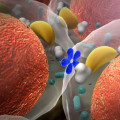
Exosomes are small extracellular vesicles, typically ranging from 30 to 150 nanometres in diameter, that play a pivotal role in intercellular communication. They are secreted by various cell types and contain a complex mixture of proteins, lipids, and nucleic acids, which can influence the behaviour of recipient cells. This unique composition allows exosomes to act as carriers of biological information, facilitating the transfer of molecular signals between cells. As such, they are increasingly recognised as crucial players in numerous physiological and pathological processes, including immune responses, tissue repair, and even cancer progression.The importance of exosomes cannot be overstated.
They serve as a means for cells to communicate with one another, enabling the exchange of vital information that can affect cellular functions and overall homeostasis. For instance, exosomes derived from immune cells can modulate the activity of other immune cells, thereby influencing the body’s response to infections or diseases. Furthermore, their ability to cross biological barriers makes them potential vehicles for drug delivery and therapeutic agents, opening new avenues for treatment strategies.Understanding the functions of exosomes is essential for harnessing their potential in research and clinical applications. They are involved in various processes such as antigen presentation, modulation of inflammation, and even the promotion of angiogenesis—the formation of new blood vessels.
This multifaceted role highlights why selecting the right source of exosomes is critical for achieving desired outcomes in therapeutic applications. The source can significantly impact their functional properties and efficacy, making it imperative to consider factors such as origin, processing methods, and storage conditions when choosing exosomes for specific research or clinical purposes.
Types of Exosome Sources: Fresh vs. Lyophilized
When it comes to sourcing exosomes, the choice between fresh adipose tissue-derived exosomes and lyophilized exosomes is pivotal. Each source has its own unique processing methods, advantages, and disadvantages that can significantly influence the outcomes of research and therapeutic applications.Fresh Adipose Tissue-Derived Exosomes
Fresh exosomes are isolated directly from adipose tissue, typically obtained through liposuction procedures.This method ensures that the exosomes retain their natural properties and biological activity. The processing of fresh exosomes involves:
- Isolation: The adipose tissue is processed immediately to extract the exosomes, which helps in preserving their integrity.
- Characterisation: Fresh exosomes undergo rigorous characterisation to confirm their size, morphology, and functional capabilities.
- Storage: They are often stored at low temperatures to maintain their viability until use.
Lyophilized Exosomes
In contrast, lyophilized exosomes are freeze-dried to remove moisture, allowing for long-term storage without compromising their structural integrity. The process includes:- Freeze-Drying: Exosomes are frozen and then subjected to a vacuum that removes water content, resulting in a stable powder form.
- Reconstitution: Before use, lyophilized exosomes must be reconstituted in a suitable buffer or medium.
They can be stored at room temperature for prolonged periods, making them more convenient for researchers. However, the lyophilization process may alter some properties of the exosomes, potentially affecting their functionality.In summary, the choice between fresh and lyophilized exosomes should be guided by specific research goals and application needs. While fresh exosomes offer superior biological activity, lyophilized options provide logistical advantages that may be crucial for certain studies or treatments.
The Role of Antifreeze in Exosome Preservation
When it comes to the preservation of exosomes, the choice of antifreeze agents plays a pivotal role in maintaining their integrity and functionality during cryopreservation. The two primary categories of antifreeze agents are permeable and non-permeable antifreeze, each with distinct mechanisms and implications for exosomal stability.Permeable Antifreeze Agents
Permeable antifreeze agents, such as dimethyl sulfoxide (DMSO) and ethylene glycol, are characterised by their ability to penetrate cell membranes.This property is crucial as it helps to prevent the formation of ice crystals within the exosomes during freezing. Ice crystal formation can lead to significant structural damage, compromising the biological activity of the exosomes. Studies have indicated that exosomes preserved with permeable antifreeze maintain a morphology similar to that of fresh exosomes, which is essential for their intended applications.Moreover, short-term cryopreservation using permeable antifreeze has been shown not to significantly alter the functional properties of exosomes. This makes them a viable option for researchers looking to store exosomes for brief periods without losing their efficacy.
Non-Permeable Antifreeze Agents
In contrast, non-permeable antifreeze agents, such as trehalose and sucrose, do not penetrate cell membranes but instead work by forming a protective matrix around the exosomes.These agents create hydrogen bonds with water molecules, resulting in a vitreous state that prevents vesicle aggregation and mitigates damage caused by ice crystals. Trehalose, in particular, has emerged as a highly effective non-permeable antifreeze due to its ability to replace water molecules surrounding lipid groups in exosomal membranes.While non-permeable antifreeze may not offer the same level of immediate protection against ice crystal formation as their permeable counterparts, they are often preferred for long-term storage due to their safety profile. The use of non-permeable agents can reduce the risk of cytotoxicity associated with permeable antifreeze, making them suitable for applications where cell viability is paramount.
Choosing the Right Antifreeze
The decision between using permeable or non-permeable antifreeze should be guided by specific research objectives and storage duration. For short-term preservation where immediate functionality is critical, permeable antifreeze may be advantageous.Conversely, for long-term storage where safety and stability are priorities, non-permeable antifreeze could be the better choice.Ultimately, understanding the properties and effects of different antifreeze agents is essential for optimising exosome preservation. Careful consideration of these factors will ensure that researchers can maintain the integrity and functionality of exosomes for various applications in regenerative medicine and beyond.
Evaluating Exosome Quality: Key Factors to Consider
When it comes to utilising exosomes for research or therapeutic applications, understanding the quality of these vesicles is paramount. The effectiveness of exosomes can be significantly influenced by several key factors, including their purity, concentration, and functional activity. Below, we delve into these critical aspects to help you assess exosome quality effectively.Purity of Exosomes
The purity of exosomes is a fundamental factor that directly impacts their functionality.Contaminants such as proteins, lipids, and nucleic acids from the source material can compromise the integrity of exosomes. To ensure high purity levels, it is essential to employ rigorous isolation techniques. Common methods include:
- Ultrafiltration: This technique uses membranes to separate exosomes based on size, effectively removing larger contaminants.
- Density Gradient Centrifugation: By layering samples over a gradient, this method allows for the separation of exosomes based on their buoyancy.
- Chromatography: Various chromatography techniques can be employed to isolate exosomes while eliminating impurities.
Concentration of Exosomes
The concentration of exosomes in a given sample is another critical parameter. A higher concentration often correlates with enhanced biological activity and therapeutic potential.To evaluate concentration accurately, methods like NTA or enzyme-linked immunosorbent assay (ELISA) can be employed. It is important to note that while high concentrations are desirable, they should not come at the expense of purity.
Functional Activity
The ultimate goal of using exosomes is to harness their biological functions. Therefore, assessing their functional activity is crucial. This can involve:- In vitro assays: These tests can measure the ability of exosomes to promote cellular processes such as proliferation, migration, or differentiation.
- In vivo studies: Evaluating the therapeutic effects of exosomes in animal models provides insights into their efficacy and safety.
By employing appropriate isolation techniques and analytical methods, researchers can ensure that they are working with high-quality exosomes that meet their specific research or therapeutic needs.
Choosing Between Exosomes and Growth Factors
When considering therapeutic applications, the choice between exosomes and growth factors is pivotal. Both have garnered attention for their regenerative properties, yet they operate through distinct mechanisms and offer unique benefits.Understanding Exosomes
- Cellular Communication: Exosomes are nano-sized vesicles secreted by various cell types, facilitating intercellular communication. They carry proteins, lipids, and RNA, which can influence the behaviour of recipient cells.
- Regenerative Potential: Due to their ability to transfer bioactive molecules, exosomes can promote tissue repair and regeneration. They have been shown to enhance wound healing and reduce inflammation.
- Minimal Immunogenicity: Exosomes derived from the patient’s own cells exhibit low immunogenicity, reducing the risk of adverse reactions compared to foreign growth factors.
The Role of Growth Factors
- Direct Cellular Effects: Growth factors are proteins that bind to specific receptors on target cells, triggering a cascade of biological responses.
They play a crucial role in cell proliferation, differentiation, and survival.
- Established Applications: Growth factors have a long history of use in clinical settings, particularly in wound healing and tissue engineering. Their effects are well-documented, making them a reliable choice for many practitioners.
- Targeted Action: The specificity of growth factors allows for targeted therapeutic interventions. For instance, certain growth factors can be used to stimulate collagen production in skin rejuvenation treatments.
Comparative Benefits
The decision between exosomes and growth factors ultimately hinges on the specific needs of the patient and the desired outcomes. Exosomes may be more suitable for conditions requiring broad regenerative effects due to their multifaceted nature.
In contrast, growth factors might be preferred for targeted therapies where specific cellular responses are needed.In conclusion, both exosomes and growth factors present valuable options in regenerative medicine. Understanding their unique properties will empower practitioners to make informed decisions tailored to individual patient needs.
Applications of Exosomes in Research and Therapy
Exosomes have emerged as a pivotal component in the landscape of medical research and therapeutic applications, owing to their unique properties and functionalities. These nanoscale vesicles, secreted by various cell types, play a crucial role in intercellular communication and have shown immense potential in several domains.Regenerative Medicine
One of the most promising applications of exosomes is in regenerative medicine. Their ability to transfer bioactive molecules, such as proteins, lipids, and RNAs, makes them ideal candidates for promoting tissue repair and regeneration.For instance, exosomes derived from stem cells have been shown to enhance wound healing and tissue regeneration by modulating inflammatory responses and promoting cell proliferation. Research indicates that these exosomes can significantly improve outcomes in conditions such as myocardial infarction and spinal cord injuries.
Drug Delivery Systems
Exosomes are also being explored as innovative drug delivery systems. Their natural origin allows them to evade the immune system, making them suitable carriers for therapeutic agents. By encapsulating drugs within exosomes, researchers can enhance the bioavailability and targeted delivery of these agents to specific tissues or cells.This targeted approach not only increases the efficacy of the treatment but also reduces potential side effects associated with conventional drug delivery methods.
Diagnostics
In addition to their therapeutic uses, exosomes hold significant promise in the field of diagnostics. They can serve as biomarkers for various diseases due to their content reflecting the physiological state of their parent cells. For example, exosomal RNA profiles can provide insights into cancer progression or response to therapy. The non-invasive nature of exosome isolation from bodily fluids such as blood or urine makes them an attractive option for early disease detection and monitoring.In summary, the applications of exosomes in research and therapy are vast and varied.From regenerative medicine to drug delivery systems and diagnostics, their potential continues to be explored, paving the way for innovative solutions in healthcare.
Future Trends in Exosome Research and Development
The field of exosome research is rapidly evolving, with numerous advancements paving the way for innovative applications across various sectors, including medicine, biotechnology, and cosmetics. As we look to the future, several key trends are emerging that promise to reshape our understanding and utilisation of exosomes.1.Enhanced Isolation Techniques
One of the most significant challenges in exosome research has been the efficient isolation and purification of these vesicles from biological fluids. Future advancements are likely to focus on developing more refined techniques that enhance yield and purity. Techniques such as microfluidics and nanotechnology are being explored to create more effective separation methods, allowing researchers to obtain high-quality exosomes with minimal contamination.
2.Exosome Engineering
Another exciting trend is the engineering of exosomes for targeted drug delivery.
Researchers are investigating ways to modify the surface proteins of exosomes to enhance their targeting capabilities. This could lead to more effective therapies for diseases such as cancer, where precision medicine is crucial. By attaching specific ligands or antibodies to exosomes, it may be possible to direct therapeutic agents precisely to diseased cells, minimising side effects and improving treatment outcomes.
3.Integration with Artificial Intelligence
The integration of artificial intelligence (AI) in exosome research is set to revolutionise data analysis and interpretation. AI algorithms can process vast amounts of data generated from exosome studies, identifying patterns and correlations that may not be immediately apparent to human researchers.
This could accelerate the discovery of new biomarkers for diseases and enhance our understanding of exosome functions in various biological processes.
4.Expanding Applications in Regenerative Medicine
Exosomes are increasingly being recognised for their potential in regenerative medicine. Future research is likely to explore their role in tissue repair and regeneration, particularly in conditions such as heart disease and neurodegenerative disorders. By harnessing the natural healing properties of exosomes, scientists aim to develop novel therapies that promote tissue regeneration and improve patient outcomes.
5.Regulatory Frameworks and Standardisation
As the field matures, there will be a growing need for regulatory frameworks that ensure the safety and efficacy of exosome-based therapies. Standardisation of isolation methods, characterisation techniques, and quality control measures will be essential to facilitate clinical translation.
This will help build trust among clinicians and patients regarding the use of exosomes in therapeutic applications.In conclusion, the future of exosome research holds immense promise, driven by technological advancements and innovative applications. As researchers continue to uncover the complexities of these vesicles, we can expect significant breakthroughs that will enhance our ability to diagnose and treat a wide range of diseases.
Frequently Asked Questions About Exosome Sources
When it comes to selecting the right source for exosomes, many individuals have questions that can significantly influence their decision-making process. Below are some of the most frequently asked questions regarding exosome sources, along with detailed answers to help clarify any uncertainties.What are the primary sources of exosomes?
Exosomes can be derived from various biological sources, including:- Human tissues: Exosomes can be isolated from fresh tissues such as adipose tissue, bone marrow, and umbilical cord blood.
- Cell cultures: Many researchers opt for exosomes produced by cultured cells, which can be tailored to specific research needs.
- Body fluids: Exosomes are also found in bodily fluids like blood, urine, and saliva, making them accessible for non-invasive studies.
How do I choose the best source for my needs?
The choice of exosome source largely depends on your specific application. Consider the following factors:- Research objectives: Determine whether you need exosomes for therapeutic applications, diagnostics, or basic research.
- Purity and yield: Assess the purity levels and yield of exosomes from different sources.
Higher purity often leads to more reliable results.
- Functional properties: Different sources may yield exosomes with varying biological activities. It’s essential to choose a source that aligns with your intended use.
Are there safety concerns associated with exosome sources?
Yes, safety is a critical consideration when selecting an exosome source. Here are some points to keep in mind:- Contamination risks: Ensure that the source is free from pathogens and contaminants that could compromise your research or therapeutic outcomes.
- Ethical considerations: When using human-derived exosomes, it is vital to adhere to ethical guidelines and obtain necessary approvals.
Can I use lyophilized exosomes instead of fresh ones?
Lyophilized exosomes offer convenience in storage and transport; however, they may not retain all functional properties compared to fresh exosomes. If your application requires high biological activity, fresh exosomes might be preferable.Always evaluate the specific requirements of your project before making a decision.By addressing these common questions, we hope to provide clarity on the selection process for exosome sources. Making an informed choice will ultimately enhance the quality and effectiveness of your research or therapeutic applications.
Conclusion: Making an Informed Choice for Your Exosome Needs
In conclusion, the journey of selecting the right source of exosomes is pivotal for achieving optimal outcomes in both research and therapeutic applications. Throughout this guide, we have explored various aspects that influence this decision, highlighting the significance of understanding the differences between fresh adipose tissue-derived exosomes and lyophilized exosomes.One of the primary considerations is the processing and storage methods employed. The role of antifreeze agents cannot be overstated, as they play a crucial part in preserving the integrity and functionality of exosomes during cryopreservation.Choosing between permeable and non-permeable antifreeze options can significantly affect the viability of exosomes, with permeable agents like dimethyl sulfoxide (DMSO) maintaining morphological similarities to fresh exosomes, while non-permeable options like trehalose offer enhanced safety.Moreover, the decision to utilise exosomes versus growth factors is another critical factor. Each option presents unique advantages tailored to specific skin needs. The innovative approach of creating "artificial exosomes" through ultrasound cavitation further exemplifies how advancements in technology can cater to individual requirements.Ultimately, making an informed choice involves a thorough evaluation of your specific objectives and the biological activity required from the exosomes. It is essential to ensure that any product selected contains minimal impurities to guarantee optimal results.
By considering these factors carefully, you can enhance the effectiveness of your applications and contribute to meaningful advancements in your field.In summary, whether you are engaged in cutting-edge research or seeking therapeutic solutions, understanding the nuances of exosome sourcing will empower you to make decisions that align with your goals. The right choice can lead to significant improvements in efficacy and outcomes, underscoring the importance of diligence in this critical selection process.