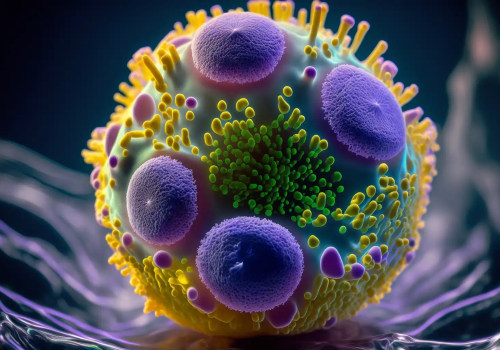
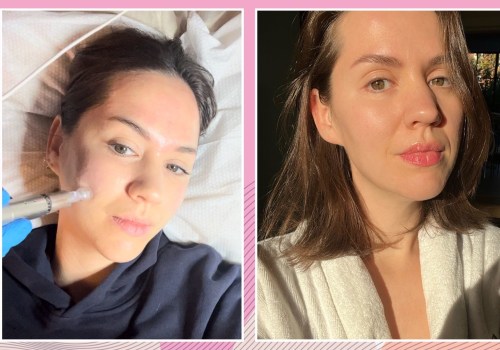
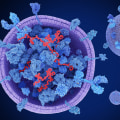
Exosomes are small extracellular vesicles that play a pivotal role in cellular communication and regeneration. These nano-sized particles, typically ranging from 30 to 150 nanometers, are secreted by various cell types and contain a rich cargo of proteins, lipids, and nucleic acids. Their primary function is to facilitate intercellular communication, allowing cells to exchange information and influence each other's behaviour. This unique ability makes exosomes a focal point of research in various fields, including regenerative medicine and skincare.In the realm of skincare, exosomes have emerged as a groundbreaking innovation, particularly in the context of facial rejuvenation.
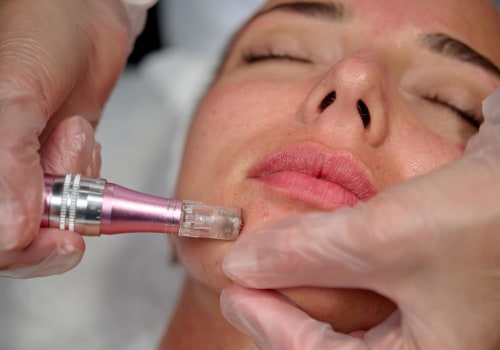
Their regenerative properties are harnessed to promote skin health by stimulating cellular repair and enhancing the skin's natural healing processes. When applied topically or introduced into the skin through advanced techniques such as microneedling, exosomes can significantly improve skin texture, tone, and elasticity. This makes them an attractive option for individuals seeking to combat the visible signs of aging without resorting to invasive procedures.The application of exosomes in facial rejuvenation techniques represents a shift towards more holistic and biologically aligned approaches to skincare. Unlike traditional treatments that often focus on superficial improvements, exosome therapy targets the underlying cellular mechanisms responsible for skin vitality.
By promoting collagen production and encouraging the regeneration of healthy skin cells, exosomes offer a comprehensive solution for those looking to achieve a youthful and radiant complexion.
The Science Behind Exosomes
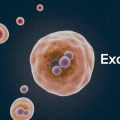
Exosomes are small extracellular vesicles, typically ranging from 30 to 150 nanometers in diameter, that play a crucial role in intercellular communication. They are secreted by various cell types, including stem cells, and contain a rich cargo of proteins, lipids, and nucleic acids. This unique composition allows exosomes to facilitate the transfer of molecular signals between cells, thereby influencing numerous biological processes.Origin and Function of Exosomes
Exosomes originate from the endosomal system of cells. When a cell produces these vesicles, they are formed within multivesicular bodies (MVBs) that eventually fuse with the plasma membrane, releasing exosomes into the extracellular space.
This process is vital for maintaining cellular homeostasis and regulating immune responses.One of the most significant aspects of exosomes is their ability to mediate communication between cells. They carry specific proteins and genetic material that can alter the behaviour of recipient cells. For instance, when exosomes derived from stem cells are introduced to damaged tissues, they can promote healing by stimulating cellular repair mechanisms and enhancing regeneration.
Mechanisms of Action
The therapeutic potential of exosomes lies in their ability to modulate various biological pathways. Upon entering target cells, exosomes can:
- Deliver growth factors: These proteins can stimulate cell proliferation and differentiation.
- Regulate gene expression: Exosomal RNA can influence the transcriptional activity of recipient cells.
- Enhance immune response: Exosomes can activate immune cells, promoting a more robust response to injury or infection.
Benefits of Exosome Therapy
The application of exosome therapy in facial rejuvenation offers numerous benefits:
- Natural Regeneration: By harnessing the body’s own healing mechanisms, exosome therapy promotes natural skin regeneration without invasive procedures.
- Reduced Inflammation: Exosomes have anti-inflammatory properties that can help soothe irritated skin and reduce redness.
- Improved Skin Texture: The stimulation of collagen and elastin production leads to smoother, firmer skin.
- Minimal Downtime: Compared to traditional surgical methods, exosome therapy typically involves less recovery time.
As research continues to unfold, the applications of exosome therapy are likely to expand, offering even more innovative solutions for skin health and aesthetics.
Benefits of Exosome Therapy for Facial Rejuvenation
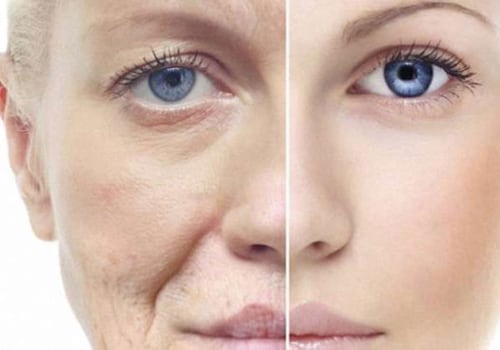
Exosome therapy has emerged as a groundbreaking approach in the realm of facial rejuvenation, offering a multitude of benefits that cater to various skin concerns. This innovative treatment harnesses the power of exosomes, which are tiny vesicles secreted by cells, particularly stem cells, that play a crucial role in cell communication and regeneration.One of the primary advantages of exosome therapy is its ability to significantly improve skin texture. Patients often report a smoother, more even complexion following treatment. This is largely due to the exosomes' role in promoting cellular repair and regeneration, which helps to eliminate dead skin cells and stimulate the growth of new, healthy skin.Another notable benefit is the reduction of wrinkles and fine lines.As we age, our skin loses collagen and elastin, leading to sagging and the formation of wrinkles. Exosomes facilitate increased collagen production, which not only helps to plump the skin but also enhances its elasticity. This results in a more youthful appearance, making exosome therapy an attractive option for those seeking to combat the signs of aging.Moreover, exosome therapy aids in enhancing overall skin health. The anti-inflammatory properties of exosomes can help reduce redness and irritation, making it an excellent choice for individuals with sensitive or reactive skin.
By promoting healing at a cellular level, exosomes can also assist in addressing various skin conditions such as acne scars and hyperpigmentation.In addition to these aesthetic benefits, exosome therapy is known for its minimal downtime compared to traditional surgical procedures. Patients can typically resume their daily activities shortly after treatment, making it a convenient option for those with busy lifestyles.Furthermore, the versatility of exosome therapy allows it to be combined with other treatments such as microneedling or laser therapy for enhanced results. This synergistic approach not only maximises the benefits but also provides a comprehensive solution for facial rejuvenation.In summary, the benefits of exosome therapy for facial rejuvenation are extensive. From improved skin texture and reduced wrinkles to enhanced collagen production and overall skin health, this revolutionary treatment offers a safe and effective way to achieve a more youthful and radiant appearance.
Methods of Administering Exosomes
When it comes to the administration of exosomes for facial rejuvenation, there are several effective methods available, each with its own unique benefits and applications.Understanding these methods can help individuals make informed decisions about their skincare treatments.
Exosome Injection Methods
One of the most direct ways to deliver exosomes into the skin is through injections. This method allows for precise targeting of specific areas, ensuring that the exosomes are delivered directly to the dermis where they can exert their regenerative effects. The injection process typically involves:- Preparation: The skin is cleansed and a topical anaesthetic may be applied to minimise discomfort.
- Injection: Using a fine needle, exosomes are injected into predetermined areas of the face, such as around the eyes, mouth, or forehead.
- Post-Care: After the procedure, patients may experience mild swelling or redness, which usually subsides within a few hours.
Topical Application of Exosomes
For those who prefer a non-invasive approach, topical application of exosomes is an excellent alternative. This method involves applying a serum containing exosomes directly onto the skin's surface.The process generally includes:
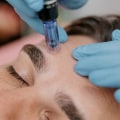
- Microneedling Preparation: Before applying the serum, microneedling may be performed to create micro-channels in the skin. This enhances absorption and allows the exosomes to penetrate deeper.
- Application: The exosome serum is then massaged into the skin, allowing it to seep into the micro-channels created by microneedling.
- Aftercare: Patients are advised to avoid sun exposure and harsh skincare products for a few days following treatment.
Safety and Side Effects of Exosome Therapy
As with any medical treatment, understanding the safety and potential side effects of exosome therapy is essential for anyone considering this innovative approach to facial rejuvenation.While exosome therapy has shown promising results in promoting skin regeneration and reducing the signs of aging, it is crucial to be aware of the associated risks and how to mitigate them.
Safety Profile of Exosome Therapy
Exosome therapy is generally regarded as safe when performed by qualified professionals in a controlled clinical environment. The exosomes used in treatments are typically derived from stem cells, which are known for their regenerative properties. However, the regulatory landscape surrounding exosome therapy varies by region, and in some areas, it remains an experimental procedure.Before undergoing treatment, patients should ensure that their provider follows strict safety protocols, including:
- Utilising exosomes sourced from reputable laboratories that adhere to stringent quality control measures.
- Conducting thorough patient assessments to identify any contraindications or pre-existing conditions that may increase risks.
- Implementing sterile techniques during the administration of exosomes to prevent infections.
Potential Side Effects
While many patients experience minimal side effects, it is important to be aware of possible reactions following exosome therapy. Common side effects may include:
- Redness and swelling: These are typically mild and resolve within a few hours to a few days post-treatment.
- Bruising: Some patients may notice bruising at the injection site, which usually fades over time.
- Itching or irritation: Temporary discomfort may occur as the skin adjusts to the treatment.
- Infection: Although uncommon, there is a risk of infection if proper hygiene practices are not followed.
- Allergic reactions: Some individuals may have an adverse reaction to the components of the exosomes or other substances used during treatment.
Managing Risks
The key to minimising risks associated with exosome therapy lies in choosing a qualified practitioner who has extensive experience with this treatment.
Patients should engage in open discussions with their providers about any concerns they may have and ensure they understand the procedure thoroughly before proceeding.In conclusion, while exosome therapy presents exciting opportunities for facial rejuvenation, being informed about its safety and potential side effects is vital. By taking appropriate precautions and seeking treatment from reputable professionals, patients can enjoy the benefits of this revolutionary approach with confidence.
Comparing Exosome Therapy to Traditional Treatments
When considering options for facial rejuvenation, it is essential to understand the differences between exosome therapy and traditional treatments such as dermal fillers and Botox. Each method has its unique benefits and limitations, making it crucial for individuals to choose the right approach based on their specific needs and desired outcomes.Understanding Traditional Treatments
- Dermal Fillers: These injectable treatments are designed to add volume to specific areas of the face, such as the cheeks, lips, and nasolabial folds. They work by filling in wrinkles and restoring lost volume, providing immediate results.
However, the effects are temporary, typically lasting from six months to two years, depending on the type of filler used.
- Botox: This neurotoxin is used to temporarily paralyse muscles that cause dynamic wrinkles, such as crow's feet and frown lines. While Botox can effectively reduce the appearance of these wrinkles, it does not address skin texture or elasticity. The results usually last three to six months before re-treatment is necessary.
The Advantages of Exosome Therapy
In contrast to traditional treatments, exosome therapy offers a more holistic approach to skin rejuvenation. Here are some key advantages:
- Natural Regeneration: Exosomes promote the body’s natural healing processes by stimulating collagen and elastin production.
This leads to improved skin texture and elasticity over time, rather than merely masking signs of aging.
- Long-Lasting Results: Unlike fillers and Botox, which require regular maintenance, the effects of exosome therapy can be more enduring as it encourages the regeneration of healthy skin cells.
- Minimal Downtime: Patients often experience little to no downtime with exosome therapy compared to traditional injectables, which may cause swelling or bruising at injection sites.
- Versatility: Exosomes can be used in conjunction with other treatments, enhancing their effectiveness. For instance, combining exosome therapy with microneedling can amplify results by allowing deeper penetration of growth factors into the skin.
A Comprehensive Approach
While traditional treatments like fillers and Botox can provide immediate aesthetic improvements, they often do not address underlying skin health. In contrast, exosome therapy focuses on rejuvenating the skin from within, offering a more comprehensive solution for those seeking long-term results. As patients become increasingly aware of the benefits of natural therapies, exosome treatment is gaining popularity as a revolutionary alternative in facial rejuvenation.
Expert Insights on Exosome Therapy
As the field of aesthetic medicine continues to evolve, the integration of exosome therapy has garnered significant attention from professionals.Experts in the industry are increasingly recognising the potential of exosomes to revolutionise facial rejuvenation treatments. Dr. Emily Carter, a renowned dermatologist, states, "Exosomes are not just a trend; they represent a fundamental shift in how we approach skin health and rejuvenation. Their ability to facilitate cellular communication and regeneration is unparalleled in traditional treatments."Many practitioners have begun to incorporate exosome therapy into their treatment protocols, citing its effectiveness in enhancing skin texture and elasticity.
James Thompson, an aesthetic physician with over a decade of experience, shares his insights: "In my practice, I have observed remarkable improvements in patients' skin conditions after exosome treatments. The results are often visible within weeks, making it an attractive option for those seeking quick yet effective solutions for aging skin."Testimonials from patients further underscore the positive impact of exosome therapy. One patient, Sarah, who underwent treatment at a leading clinic, expressed her satisfaction: "I was sceptical at first, but after just a few sessions, my skin felt revitalised. The fine lines around my eyes have diminished significantly, and I feel more confident than ever." Such feedback highlights the growing acceptance and enthusiasm surrounding this innovative approach.Moreover, experts emphasise the importance of combining exosome therapy with other skincare treatments for optimal results.
Lisa Nguyen, a specialist in regenerative medicine, notes, "While exosomes are powerful on their own, their efficacy can be enhanced when used alongside microneedling or laser treatments. This combination not only maximises absorption but also stimulates deeper layers of the skin for comprehensive rejuvenation."In conclusion, expert opinions on exosome therapy reflect a consensus that this treatment is paving the way for new possibilities in skincare. As research continues to unfold and more practitioners adopt this technique, it is clear that exosomes will play a pivotal role in the future of aesthetic medicine.
Future Trends in Exosome Research and Application
The field of exosome research is rapidly evolving, with numerous studies and clinical trials underway to explore their potential applications in skincare and beyond. As we look to the future, several key trends are emerging that promise to enhance the efficacy and accessibility of exosome therapy.Advancements in Exosome Isolation and Characterization
One of the most significant areas of research focuses on improving the methods for isolating and characterizing exosomes.Current techniques can be time-consuming and may not yield pure exosome populations. Future advancements may include:
- Microfluidics: This technology allows for the rapid separation of exosomes from other cellular components, potentially increasing yield and purity.
- Nanotechnology: The use of nanoparticles could enhance the targeting capabilities of exosomes, allowing for more precise delivery to specific skin cells.
- Standardization: Developing standardized protocols for exosome extraction and analysis will ensure consistency across studies, facilitating better comparisons and understanding of their effects.
Integration with Other Skincare Technologies
As the skincare industry continues to innovate, we can expect to see exosomes integrated with other advanced technologies. For instance:- Combination Therapies: Exosome therapy may be combined with laser treatments, microneedling, or chemical peels to enhance overall results by promoting deeper skin regeneration.
- Personalized Skincare: With advancements in genomics and proteomics, future skincare regimens could be tailored based on individual skin profiles, utilising exosomes that are specifically beneficial for a person's unique skin condition.
Regulatory Developments and Market Expansion
The regulatory landscape surrounding exosome therapy is also expected to evolve. As more evidence emerges regarding their safety and efficacy, regulatory bodies may begin to approve exosome-based treatments for broader use in aesthetic medicine.This could lead to:
- Increased Accessibility: With regulatory approval, more clinics may offer exosome therapies, making them accessible to a wider audience.
- Market Growth: The demand for innovative skincare solutions is on the rise, and as exosome therapies gain traction, we can anticipate significant growth in this sector.
Conclusion: Embracing the Power of Exosomes for Youthful Skin
In conclusion, the integration of exosomes into facial rejuvenation represents a significant leap forward in aesthetic medicine. As we have explored throughout this article, exosomes are not merely a trend; they are a scientifically-backed innovation that harnesses the body’s natural healing processes to promote skin regeneration and combat the visible signs of aging.The benefits of exosome therapy are manifold. Firstly, their ability to stimulate collagen and elastin production is crucial for restoring skin elasticity and firmness.This natural approach not only enhances the skin's appearance but also improves its overall health. Furthermore, exosomes facilitate cellular communication, which can lead to more effective healing and rejuvenation compared to traditional methods.Moreover, the versatility of exosome applications—whether through microneedling or topical serums—makes them accessible to a broader audience. This adaptability allows practitioners to tailor treatments to individual needs, ensuring optimal results for various skin types and conditions.As we look towards the future, it is clear that ongoing research will continue to unlock the full potential of exosomes in aesthetic treatments. With advancements in technology and a deeper understanding of cellular biology, we can anticipate even more refined techniques and applications that will enhance the efficacy of exosome therapy.For those considering options for facial rejuvenation, embracing exosome therapy could be a transformative decision.
It offers a safe, effective, and innovative solution for achieving youthful, radiant skin. As always, it is essential to consult with qualified professionals who can provide expert guidance tailored to your unique skin concerns.In summary, the power of exosomes in facial rejuvenation is undeniable. By choosing this revolutionary approach, you are not just opting for a treatment; you are investing in your skin's future health and vitality.