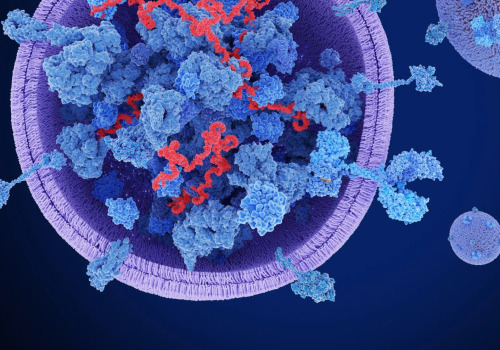
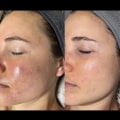
Exosomes are small extracellular vesicles that play a pivotal role in cellular communication and the transfer of biomolecules between cells. These nanometre-sized vesicles, typically ranging from 30 to 150 nanometres in diameter, are secreted by various cell types and contain a complex mixture of proteins, lipids, and nucleic acids. Their biological significance cannot be overstated, as they facilitate intercellular communication, influencing numerous physiological processes such as immune responses, tissue repair, and even the progression of diseases.To understand the importance of exosomes, it is essential to grasp their primary functions. Exosomes act as carriers of molecular signals, enabling cells to exchange information and respond to their environment effectively.
For instance, they can transport growth factors that promote cell proliferation and differentiation, or they may carry microRNAs that regulate gene expression in recipient cells. This unique ability to mediate communication between cells positions exosomes as critical players in both health and disease.Moreover, the study of exosomes has opened new avenues in medical research and therapeutic applications. Their natural role in transporting bioactive molecules makes them an attractive option for drug delivery systems. Researchers are exploring how exosomes can be harnessed to deliver therapeutic agents directly to target cells, potentially revolutionising treatment strategies for various conditions, including cancer and degenerative diseases.
As we delve deeper into the realm of exosome treatments, understanding their fundamental characteristics will provide a solid foundation for appreciating their potential applications in regenerative medicine and cosmetic treatments.
The Role of Exosomes in Medicine and Aesthetics
Exosomes, the tiny extracellular vesicles secreted by cells, have emerged as a revolutionary component in both the medical and aesthetic fields. Their unique ability to facilitate intercellular communication and transport biomolecules makes them invaluable in various therapeutic applications.Exosomes in Medicine
In the realm of medicine, exosomes are being explored for their potential in diagnostics and treatment. They play a crucial role in:
- Drug Delivery: Exosomes can encapsulate therapeutic agents, allowing for targeted delivery to specific cells or tissues. This targeted approach can enhance the efficacy of treatments while minimizing side effects.
- Regenerative Medicine: Exosomes derived from stem cells have shown promise in promoting tissue repair and regeneration.
They contain growth factors and proteins that can stimulate healing processes, making them a focal point in treating conditions such as heart disease and neurodegenerative disorders.
- Biomarkers for Disease: The molecular content of exosomes reflects the physiological state of their parent cells. This characteristic allows researchers to use exosomes as biomarkers for various diseases, including cancer, where they can provide insights into tumour progression and response to therapy.
Exosomes in Aesthetics
The aesthetic industry has also begun to harness the power of exosomes, particularly in skin rejuvenation treatments. Their benefits include:
- Skin Repair: Exosome treatments can enhance skin healing by promoting collagen production and reducing inflammation. This is particularly beneficial for individuals with acne scars or other skin imperfections.
- Anti-Aging Effects: By stimulating cellular regeneration, exosomes can help reduce the appearance of fine lines and wrinkles, leading to a more youthful complexion.
- Improved Skin Texture: Many patients report smoother skin texture following exosome treatments, as these vesicles aid in cellular turnover and repair.
As research continues to unfold, we can expect to see even more innovative uses for these remarkable vesicles, potentially transforming how we approach treatment across various disciplines.
Current Regulations Surrounding Exosome Treatments in the UK
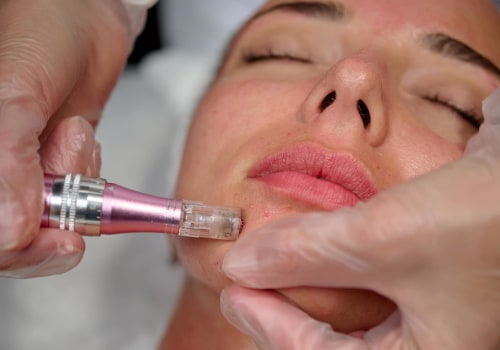
The landscape of exosome treatments in the UK is shaped by a complex framework of regulations that govern their use, particularly in cosmetic and medical applications. Understanding these regulations is crucial for both practitioners and patients to ensure compliance and safety.Currently, the use of exosomes in the UK is not straightforward. While exosome therapy has shown promise in various fields, including aesthetics and regenerative medicine, the legal status of these treatments remains ambiguous. The primary regulatory body overseeing such practices is the Medicines and Healthcare products Regulatory Agency (MHRA).This agency is responsible for ensuring that all medical products, including biological therapies like exosomes, meet stringent safety and efficacy standards.As it stands, injectable exosome treatments are not legally permitted in the UK. This prohibition stems from concerns regarding the sourcing and manufacturing of exosomes, particularly those derived from human cells. The MHRA has not yet approved any injectable formulations, primarily due to the potential risks associated with foreign molecules that could elicit an immune response.However, there are avenues through which exosomes can be legally utilised. For instance, topical applications during procedures such as microneedling are permissible when conducted by licensed professionals in a regulated clinical environment.
This method allows for the delivery of regenerative molecules without breaching current regulations.It is also important to note that while some countries have embraced exosome therapies more readily, the UK remains cautious. The European Union has similarly restricted the use of human-derived exosomes for cosmetic purposes, reflecting a broader trend towards stringent regulatory oversight.In summary, while there is significant interest in the potential benefits of exosome treatments within the UK, practitioners must navigate a challenging regulatory landscape. Compliance with MHRA guidelines is essential to ensure that any treatment offered is both safe and legal. As research progresses and more data becomes available, it is possible that regulations may evolve to accommodate new therapeutic options involving exosomes.
The Science Behind Exosome Therapy: How It Works
Exosome therapy is an innovative approach that leverages the natural communication mechanisms of cells to promote healing and regeneration.At the core of this therapy are exosomes, which are small extracellular vesicles secreted by various cell types. These vesicles play a crucial role in intercellular communication, carrying proteins, lipids, and genetic material that can influence the behaviour of recipient cells.To understand how exosome therapy works, it is essential to delve into the mechanisms of action of these vesicles. Exosomes are formed within the endosomal system of cells and are released into the extracellular space when multivesicular bodies fuse with the plasma membrane. Once released, they can be taken up by other cells through various mechanisms, including endocytosis and membrane fusion.Upon entering a target cell, exosomes deliver their cargo, which can include:
- Proteins: These can be growth factors or enzymes that stimulate cellular processes such as proliferation and differentiation.
- MicroRNAs: These small non-coding RNAs can regulate gene expression, influencing cellular responses and functions.
- Lipids: Certain lipids in exosomes can modulate membrane dynamics and signalling pathways.
- Promoting Cell Proliferation: Exosomes can stimulate the growth of surrounding cells, aiding in tissue repair.
- Reducing Inflammation: They can modulate immune responses, helping to alleviate chronic inflammation.
- Enhancing Regeneration: By delivering regenerative signals, exosomes can facilitate the healing process in damaged tissues.
This makes them a promising tool not only in cosmetic applications but also in regenerative medicine. Ongoing research continues to uncover the vast potential of exosomes in treating various conditions, from skin rejuvenation to more complex diseases.
Exosome Treatments: Current Practices and Techniques
Exosome treatments have emerged as a revolutionary approach in the field of regenerative medicine and aesthetics, offering a range of techniques that harness the power of these tiny vesicles. Among the most popular methods is microneedling with exosomes , a technique that combines traditional microneedling with the application of exosomes to enhance skin rejuvenation.Microneedling involves the use of fine needles to create micro-injuries in the skin, stimulating the body’s natural healing processes. When exosomes are applied during this procedure, they can significantly amplify the benefits by delivering growth factors and proteins directly to the targeted areas.This combination not only promotes collagen production but also aids in reducing fine lines, improving skin texture, and enhancing overall skin vitality.In addition to microneedling, there are several other exosome treatment techniquesexosome treatment techniques currently being explored:
- Topical Application: Exosomes can be formulated into serums or creams that are applied directly to the skin. This method allows for non-invasive delivery of regenerative molecules, making it suitable for patients who prefer less invasive options.
- Intravenous Infusion: For systemic benefits, exosomes can be administered through intravenous infusion. This technique is particularly useful for treating conditions beyond cosmetic concerns, such as inflammation or chronic pain.
- Localized Injections: In some cases, exosomes may be injected directly into specific areas of concern. This method is often used for targeted treatments in aesthetic procedures or to address localized injuries.
As research continues to evolve, we can expect to see even more innovative applications of exosome technology in both cosmetic and medical fields.It is essential for potential patients to consult with qualified professionals who are well-versed in these techniques to ensure safe and effective treatment outcomes. With ongoing advancements in exosome research and technology, the future looks promising for those seeking cutting-edge solutions for skin rejuvenation and healing.
Challenges and Controversies in Exosome Treatments
The use of exosomes in therapeutic applications has sparked considerable interest, yet it is not without its challenges and controversies. As the field evolves, understanding these complexities is essential for both practitioners and patients.Safety Concerns
One of the primary challenges surrounding exosome treatments is the issue of safety. While exosomes are naturally occurring vesicles that facilitate intercellular communication, their use in clinical settings raises several questions:
- Source of Exosomes: The origin of exosomes can significantly impact their safety profile.
Exosomes derived from human cells may carry foreign molecules that could provoke an immune response in recipients. This concern is particularly relevant when considering exosomes sourced from human fat or other tissues.
- Contamination Risks: The manufacturing process for exosome therapies must adhere to stringent protocols to prevent contamination. Any lapses in these protocols could lead to the introduction of pathogens or harmful substances into the treatment.
- Long-term Effects: As with any emerging therapy, the long-term effects of exosome treatments remain largely unknown. Ongoing research is crucial to ascertain whether there are any delayed adverse reactions associated with their use.
Ethical Considerations
The ethical implications of using exosomes in treatments also warrant discussion.
The following points highlight some of the key ethical dilemmas:
- Informed Consent: Patients must be fully informed about the potential risks and benefits associated with exosome therapies. This includes understanding that these treatments are still largely experimental and may not have undergone extensive clinical trials.
- Equity in Access: As exosome therapies become more mainstream, ensuring equitable access for all patients is a pressing concern. There is a risk that these advanced treatments may only be available to those who can afford them, exacerbating existing health disparities.
- Regulatory Oversight: The lack of comprehensive regulatory frameworks governing exosome treatments can lead to inconsistencies in practice. It is vital for regulatory bodies to establish clear guidelines to ensure patient safety and treatment efficacy.
Ongoing dialogue among researchers, clinicians, and patients will be essential in navigating these complex issues as we move towards a future where exosome treatments may become commonplace.
Future Prospects: The Evolution of Exosome Treatments in the UK
The landscape of exosome treatments in the UK is poised for significant transformation in the coming years. As research continues to unveil the therapeutic potential of exosomes, we can anticipate a range of advancements that will not only enhance their efficacy but also broaden their applications across various medical and cosmetic fields.One of the most promising areas of development is the refinement of exosome extraction and production techniques. Current methods often involve complex processes that can affect the purity and potency of exosomes. Future innovations may lead to more streamlined and efficient protocols, ensuring that exosomes are harvested in a way that maximises their regenerative properties.This could involve advancements in bioreactor technology or novel methods for isolating exosomes from cell cultures.Moreover, as regulatory frameworks evolve, we may see an increase in clinical trials aimed at validating the safety and effectiveness of exosome therapies. The UK’s regulatory bodies are likely to take cues from international practices, particularly from countries like the United States, where exosomes are already being explored as therapeutic agents for a variety of conditions. This could pave the way for more comprehensive guidelines that facilitate the use of exosomes in clinical settings.In addition to regulatory advancements, there is a growing interest in the personalisation of exosome treatments. Future therapies may be tailored to individual patients based on their unique biological profiles, enhancing treatment outcomes.
For instance, exosomes derived from a patient’s own cells could be used to create bespoke therapies that target specific skin concerns or medical conditions.Furthermore, as public awareness and acceptance of exosome therapy grow, we can expect an increase in demand for these treatments. This will likely encourage more clinics to offer exosome-based procedures, leading to greater competition and innovation within the market. Clinics that prioritise research-backed methods and adhere to stringent safety standards will likely emerge as leaders in this evolving field.In conclusion, the future of exosome treatments in the UK appears bright, with numerous advancements on the horizon. From improved extraction techniques to personalised therapies and enhanced regulatory support, these developments will not only expand the scope of exosome applications but also solidify their place as a cornerstone of modern medical and cosmetic treatments.
Conclusion: The Path Ahead for Exosome Treatments in the UK
As we look towards the future of exosome treatments in the UK, it is essential to reflect on the significant advancements and ongoing challenges that shape this innovative field.The potential of exosomes to revolutionise both cosmetic and medical therapies is immense, yet it is accompanied by a complex landscape of regulations and ethical considerations.Throughout this article, we have explored the current state of exosome treatments, highlighting their legal status and the importance of adhering to established guidelines. While the use of exosomes in facial aesthetics remains restricted, their application in clinical settings under regulated conditions offers a glimpse into their therapeutic promise. The ability of exosomes to facilitate cell communication and promote healing positions them as a valuable asset in regenerative medicine.Moreover, the ongoing research into exosome production methods and their efficacy underscores the need for rigorous scientific validation. As we have seen, not all exosome treatments are created equal; thus, it is crucial for practitioners and patients alike to remain informed about the sources and quality of these products.
The emergence of reputable companies dedicated to ethical practices in exosome production is a positive step towards ensuring safety and effectiveness.Looking ahead, the integration of exosome therapies into mainstream medical practice will likely depend on continued collaboration between researchers, regulatory bodies, and healthcare providers. As clinical trials progress and more data becomes available, we can anticipate a clearer understanding of how exosomes can be harnessed for various applications.In conclusion, while the path forward for exosome treatments in the UK is fraught with challenges, it is also filled with opportunities. By staying abreast of developments in this field and advocating for responsible practices, we can help pave the way for safe and effective use of exosomes in both cosmetic and medical contexts. The future holds great promise, and as we continue to explore the potential of these remarkable vesicles, we may very well witness a transformation in how we approach healing and rejuvenation.