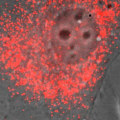
In recent years, the field of hair restoration has witnessed significant advancements, with exosome therapy emerging as a groundbreaking treatment for hair loss. This innovative approach harnesses the power of exosomes—tiny vesicles secreted by cells that play a crucial role in cell communication and regeneration. By utilising these natural components, exosome therapy aims to stimulate hair follicle activity, enhance hair growth, and improve overall scalp health.The significance of exosome therapy lies in its ability to address various types of hair loss, including androgenetic alopecia, which affects both men and women. Traditional treatments often focus on external applications or systemic medications that may not target the root causes of hair thinning.
In contrast, exosome therapy offers a more targeted solution by delivering growth factors and proteins directly to the hair follicles, promoting a more effective and sustainable regeneration process.As individuals seek effective solutions for their hair loss concerns, understanding the relevance of exosome therapy becomes paramount. This treatment not only provides hope for those experiencing thinning hair but also represents a shift towards more holistic and biologically-based methods in the realm of hair restoration. With ongoing research and clinical trials demonstrating promising results, exosome therapy is quickly becoming a preferred option for those looking to rejuvenate their hair and restore their confidence.
What Are Exosomes?
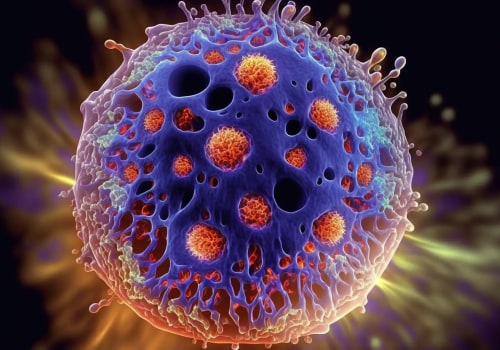
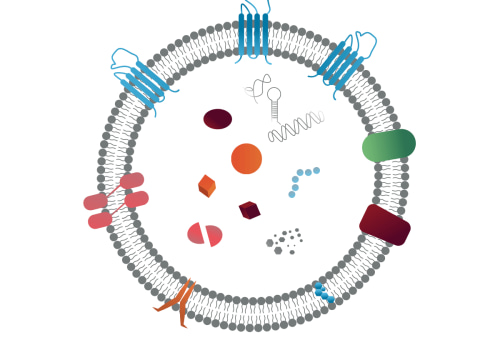
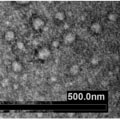
Exosomes are small extracellular vesicles that play a pivotal role in intercellular communication. These nano-sized structures, typically ranging from 30 to 150 nanometers in diameter, are secreted by various cell types and contain a complex mixture of proteins, lipids, and nucleic acids.Their primary function is to facilitate the transfer of molecular signals between cells, thereby influencing numerous biological processes.In essence, exosomes act as messengers, carrying important information from one cell to another. This communication is crucial for maintaining cellular homeostasis and regulating various physiological functions. For instance, exosomes can modulate immune responses, promote tissue repair, and even influence the behaviour of neighbouring cells. Their ability to encapsulate and transport bioactive molecules makes them essential players in many biological pathways.One of the most significant aspects of exosomes is their role in regenerative medicine, particularly in the context of hair loss treatments.
When it comes to hair restoration, exosomes derived from mesenchymal stem cells (MSCs) have garnered considerable attention. These MSC-derived exosomes are rich in growth factors and cytokines that can stimulate hair follicle activity and promote hair growth.Moreover, exosomes contribute to reducing inflammation and oxidative stress within the scalp, both of which are known factors that can exacerbate hair loss. By delivering these beneficial molecules directly to the target area, exosome therapy aims to rejuvenate dormant hair follicles and enhance overall scalp health.Understanding the biological role of exosomes is crucial for appreciating their therapeutic potential. As research continues to unveil the complexities of these vesicles, their application in treating hair loss becomes increasingly promising.
The ability of exosomes to communicate and influence cellular behaviour positions them as a revolutionary tool in the field of hair restoration.
How Exosomes Promote Hair Growth
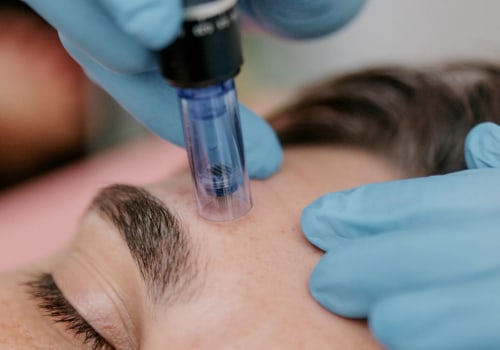
Exosomes are small extracellular vesicles that play a crucial role in cell communication and regeneration. In the context of hair growth, exosomes derived from mesenchymal stem cells (MSCs) have shown remarkable potential in stimulating hair follicles and enhancing overall scalp health. These vesicles are rich in growth factors, proteins, and genetic material that can significantly influence cellular processes.When exosomes are introduced into the scalp through microinjections, they deliver a concentrated dose of bioactive molecules directly to the hair follicles. This targeted approach helps to rejuvenate dormant or weakened hair follicles, promoting their activation and encouraging new hair growth.The mechanism by which exosomes work involves several key processes:
- Cell Signalling: Exosomes facilitate communication between cells by transferring proteins and RNA. This signalling can stimulate hair follicle cells to enter the anagen (growth) phase of the hair cycle.
- Reduction of Inflammation: Chronic inflammation is a significant contributor to hair loss. Exosomes possess anti-inflammatory properties that can help reduce inflammation in the scalp, creating a healthier environment for hair growth.
- Promotion of Angiogenesis: Exosomes can enhance blood flow to the scalp by promoting the formation of new blood vessels (angiogenesis). Improved circulation ensures that hair follicles receive adequate nutrients and oxygen, which are essential for healthy hair growth.
- Stimulation of Stem Cells: The presence of exosomes can activate local stem cells in the scalp, further supporting the regeneration of hair follicles and contributing to thicker, healthier hair.
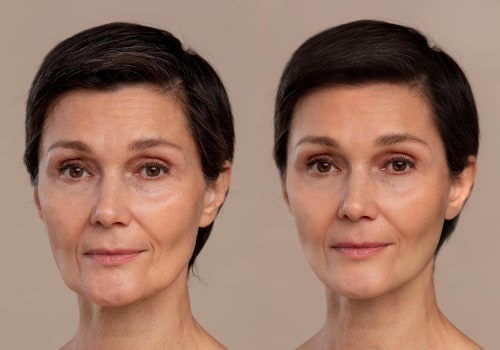
Patients often report improvements in hair texture, density, and overall scalp health. As exosomes work at a cellular level, they not only promote new hair growth but also enhance the quality of existing hair by reducing oxidative stress and improving follicle resilience.In summary, exosomes represent a cutting-edge approach to treating hair loss by harnessing the body’s natural regenerative processes. Their ability to communicate with cells, reduce inflammation, promote blood flow, and stimulate stem cells makes them a powerful tool in the quest for effective hair restoration solutions.
Recommended Frequency of Exosome Treatments for Hair Loss
When considering exosome treatments for hair loss, understanding the recommended frequency of sessions is crucial for achieving optimal results. The treatment schedule typically involves an initial phase followed by maintenance sessions tailored to individual needs.Initially, patients are advised to undergo a series of exosome therapy sessions, usually ranging from three to six treatments.These sessions are generally spaced every two to four weeks. This initial phase is essential as it allows the exosomes to effectively stimulate hair follicles and promote hair growth.After completing the initial series, many practitioners recommend transitioning to a maintenance schedule. This often involves receiving treatments every three to six months, depending on the individual's response to therapy and the extent of hair loss. Regular maintenance is vital as it helps sustain the benefits gained during the initial treatment phase and encourages continued hair growth.It is important to note that the frequency of exosome treatments can vary significantly based on several factors:
- Severity of Hair Loss: Individuals experiencing more advanced stages of hair loss may require more frequent sessions initially compared to those with mild thinning.
- Desired Results: Personal goals regarding hair density and overall appearance can influence how often treatments are scheduled.
- Overall Hair Health: The condition of the scalp and existing hair can also dictate treatment frequency; healthier scalps may respond better and require less frequent interventions.
They will assess individual circumstances and tailor a schedule that aligns with personal goals and medical history.In summary, while the initial treatment phase typically consists of three to six sessions spaced two to four weeks apart, ongoing maintenance every three to six months is recommended for sustained results. Adapting the frequency of exosome therapy based on personal needs ensures that individuals achieve the best possible outcomes in their journey towards combating hair loss.
Factors Influencing Treatment Frequency
When considering the frequency of exosome treatments for hair loss, several key factors come into play that can significantly influence an individual's treatment plan. Understanding these factors is essential for tailoring a regimen that meets personal needs and optimises results.Severity of Hair Loss
The extent of hair loss is one of the primary determinants in establishing how often exosome therapy should be administered. Individuals experiencing mild thinning may require fewer sessions compared to those with more advanced hair loss.For instance, someone with early-stage hair thinning might benefit from an initial series of three to four treatments spaced two to four weeks apart, while someone with significant bald patches may need a more intensive approach, potentially starting with six sessions within a similar timeframe.
Individual Health Conditions
Each person's health status can also affect the frequency of exosome treatments. Factors such as age, hormonal balance, and underlying medical conditions (like thyroid issues or autoimmune disorders) can influence how well a patient responds to therapy. For example, younger patients or those without significant health concerns may see quicker results and thus might require less frequent follow-ups after the initial treatment series. Conversely, individuals with complicating health factors may need more regular assessments and adjustments to their treatment schedule.Personal Goals and Expectations
Another critical aspect is the individual's personal goals regarding hair restoration.Some may seek rapid improvement in hair density and are willing to commit to a more aggressive treatment plan, while others might prefer a gradual approach. Setting realistic expectations is vital; understanding that results can take time will help in determining how often treatments should occur. Regular consultations with a healthcare provider can help align treatment frequency with these personal objectives.Ultimately, the frequency of exosome therapy should be customised based on these factors, ensuring that each individual receives the most effective care tailored to their unique situation. Regular follow-ups with a specialist will allow for adjustments in treatment frequency as progress is monitored and individual needs evolve.
Expected Results and Timeline After Exosome Treatments
After undergoing exosome therapy for hair loss, patients often have questions regarding the expected results and the timeline for hair regrowth.Understanding these aspects can help set realistic expectations and alleviate concerns about the treatment process.
Initial Changes and Early Results
Typically, patients may start to notice subtle changes in their hair within two to three months following their initial treatment session. This early phase often includes:- Increased Hair Shedding: It is not uncommon for patients to experience a temporary increase in hair shedding shortly after treatment. This phenomenon, known as "shedding phase," occurs as the hair follicles transition into a new growth cycle.
- Improved Scalp Health: Many individuals report enhanced scalp health, including reduced inflammation and irritation, which can contribute to a more conducive environment for hair growth.
Significant Growth and Density Improvements
The most noticeable results from exosome therapy typically manifest around the six-month mark. During this period, patients can expect:- Visible Hair Regrowth: New hair growth becomes more apparent, with fine, soft hairs emerging in areas previously affected by thinning or baldness.
- Increased Hair Density: As the treatment continues to take effect, many patients observe a significant improvement in overall hair density, leading to fuller-looking hair.
Long-Term Results and Maintenance
The benefits of exosome therapy can last anywhere from six months to two years, depending on individual factors such as:- Severity of Hair Loss: Those with more advanced stages of hair loss may require additional sessions or maintenance treatments to sustain results.
- Overall Hair Health: Patients with healthier hair follicles may experience longer-lasting effects from the therapy.
This ongoing care helps ensure that the benefits of exosome therapy are preserved over time.In conclusion, while individual experiences may vary, understanding the expected timeline and results of exosome therapy can empower patients to make informed decisions about their hair restoration journey.
Consultation with a Hair Restoration Specialist
Before embarking on any treatment for hair loss, including exosome therapy, it is essential to consult with a qualified healthcare provider or a hair restoration specialist. This initial consultation serves as a critical step in determining the most effective treatment plan tailored to your individual needs.During the consultation, you can expect a comprehensive evaluation of your hair loss condition. The specialist will likely begin by discussing your medical history, including any previous treatments you may have undergone and any underlying health issues that could be contributing to your hair loss. This information is vital as it helps the specialist understand the unique factors affecting your hair health.Furthermore, the specialist will conduct a thorough examination of your scalp and hair follicles.This may involve assessing the density of your hair, identifying areas of thinning or baldness, and evaluating the overall health of your scalp. Such assessments are crucial for determining whether exosome therapy is an appropriate option for you.In addition to physical evaluations, the consultation provides an opportunity for you to ask questions and express any concerns you may have regarding the treatment process. Understanding what to expect from exosome therapy, including potential side effects and recovery times, can help alleviate anxiety and set realistic expectations for results.Moreover, a professional consultation allows for personalized advice based on your specific situation. The frequency and number of exosome treatments required can vary significantly from person to person, depending on factors such as the severity of hair loss and individual response to treatment.
A specialist can recommend a tailored schedule that optimally balances treatment efficacy with safety.Finding a reputable hair restoration specialist is equally important. Look for professionals with extensive experience in administering exosome therapy and positive patient reviews. Credentials such as board certification in dermatology or trichology can also indicate a higher level of expertise.In summary, consulting with a hair restoration specialist is not just advisable; it is essential for anyone considering exosome therapy. This step ensures that you receive informed, personalized care that addresses your unique needs and maximizes the potential benefits of treatment.
Potential Side Effects and Considerations
Exosome therapy for hair loss is gaining popularity due to its potential to stimulate hair growth and improve overall hair health.However, like any medical treatment, it is essential to consider the potential side effects and risks associated with this therapy before proceeding.
Common Side Effects
- Injection Site Reactions: Patients may experience mild discomfort, swelling, or redness at the injection sites. These symptoms are typically temporary and resolve within a few days.
- Itching or Irritation: Some individuals may notice itching or irritation on the scalp following treatment. This can often be alleviated with over-the-counter antihistamines.
- Headaches: A small number of patients report headaches after receiving exosome injections. These are usually mild and can be managed with standard pain relief methods.
Less Common Risks
- Infection: As with any procedure that involves injections, there is a risk of infection.
It is crucial to follow post-treatment care instructions to minimise this risk.
- Allergic Reactions: Although rare, some individuals may have an allergic reaction to the components of the exosome solution. Symptoms can range from mild rashes to more severe reactions requiring medical attention.
- Scarring: In rare cases, patients may develop scarring at the injection sites, particularly if they have a history of keloid formation.
Considerations Before Starting Therapy
Before undergoing exosome therapy, it is vital to consult with a qualified healthcare provider or hair restoration specialist. They will assess your individual situation and help determine if this treatment is appropriate for you. Considerations include:
- Medical History: Inform your provider about any pre-existing conditions or medications you are taking that could affect your treatment outcome.
- Type of Hair Loss: Not all types of hair loss respond equally to exosome therapy.
Understanding the underlying cause of your hair loss is crucial for effective treatment planning.
- Expectations: Set realistic expectations regarding the results of exosome therapy. While many patients experience positive outcomes, results can vary significantly from person to person.
FAQs About Exosome Therapy for Hair Loss
Exosome therapy for hair loss has garnered significant attention, leading to numerous inquiries from potential patients. Below are some of the most frequently asked questions regarding this innovative treatment.What are exosomes?
Exosomes
are tiny vesicles secreted by cells that play a crucial role in cell communication.
They contain proteins, lipids, and genetic material that can influence various biological processes, including hair follicle regeneration. In the context of hair loss, exosomes derived from mesenchymal stem cells (MSCs) are particularly effective in promoting hair growth and improving scalp health.
How does exosome therapy work for hair loss?
The therapy involves the injection of exosomes directly into the scalp, where they interact with hair follicles. This interaction stimulates the follicles to enter the growth phase, enhances blood circulation, and reduces inflammation. As a result, patients often experience improved hair density and quality over time.Is exosome therapy safe?
Yes, exosome therapy is considered safe when performed by qualified professionals.Since exosomes are derived from the patient's own cells or from well-characterised sources, the risk of adverse reactions is minimal. However, as with any medical procedure, it is essential to discuss potential risks with your healthcare provider.
How many sessions of exosome therapy will I need?
The number of sessions required can vary based on individual factors such as the severity of hair loss and personal goals. Typically, an initial series of three to six sessions spaced two to four weeks apart is recommended. Following this initial phase, maintenance treatments may be scheduled every three to six months to sustain results.When can I expect to see results?
Results from exosome therapy can vary among individuals.Many patients begin to notice improvements in hair growth within two to three months post-treatment, with more significant changes often visible around six months after the initial sessions. It is important to maintain realistic expectations and understand that optimal results may take time.
Can I combine exosome therapy with other treatments?
Yes, exosome therapy can be effectively combined with other hair restoration treatments such as PRP (platelet-rich plasma) therapy or topical solutions. However, it is crucial to consult with your healthcare provider to develop a comprehensive treatment plan tailored to your specific needs.If you have further questions or concerns about exosome therapy for hair loss, it is advisable to schedule a consultation with a qualified specialist who can provide personalised guidance and support throughout your treatment journey.Conclusion: The Future of Hair Restoration with Exosomes
As we conclude our exploration of exosome therapy for hair restoration, it is essential to reflect on the significant advancements this innovative treatment offers. The potential of exosomes in promoting hair growth and improving overall scalp health is not just a fleeting trend; it represents a paradigm shift in how we approach hair loss.Throughout this article, we have discussed the mechanisms by which exosomes function, including their ability to deliver vital growth factors and proteins directly to hair follicles.This targeted approach not only stimulates hair growth but also enhances the quality and density of existing hair. As research continues to evolve, we can expect even more refined techniques and protocols that will optimise the efficacy of exosome treatments.Moreover, the adaptability of exosome therapy allows for personalised treatment plans tailored to individual needs. Factors such as the severity of hair loss, patient health, and desired outcomes can all influence the frequency and duration of treatment sessions. This bespoke approach ensures that patients receive the most effective care possible, maximising their chances for successful results.Looking ahead, the future of hair restoration with exosomes appears promising.
Ongoing clinical trials and studies are likely to uncover new applications and benefits of exosome therapy, potentially expanding its use beyond just hair loss. As we gain a deeper understanding of cellular communication and regeneration, exosomes may play a crucial role in various aspects of regenerative medicine.In conclusion, while exosome therapy is already making waves in the field of hair restoration, its full potential is yet to be realised. As technology advances and our knowledge deepens, we can anticipate a future where exosomes become a cornerstone in not only treating hair loss but also enhancing overall scalp health. For those struggling with thinning hair or baldness, this innovative treatment offers hope and a pathway towards renewed confidence.