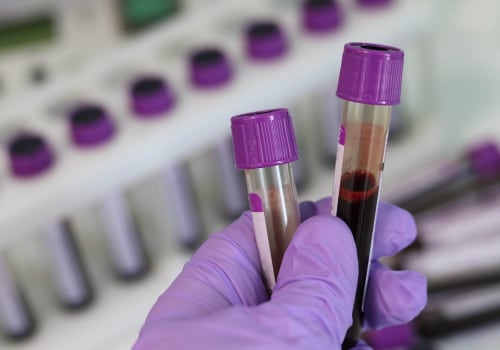
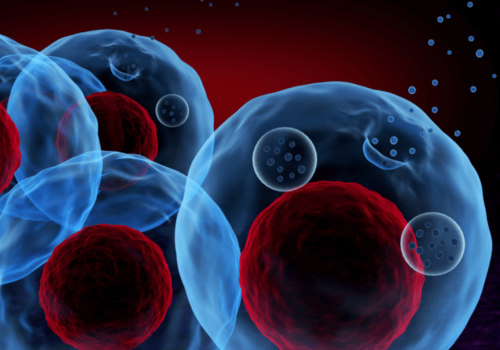
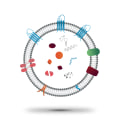
Exosomes are fascinating biological entities that play a crucial role in intercellular communication. These tiny vesicles, typically ranging from 30 to 150 nanometers in diameter, are secreted by various cell types and are found in numerous biological fluids, including blood, urine, and saliva. Exosomes serve as carriers of proteins, lipids, and nucleic acids, facilitating the transfer of molecular information between cells. This process is essential for maintaining cellular homeostasis and regulating various physiological functions.The definition of exosomes extends beyond their mere existence; they are integral to numerous biological processes such as immune response, tissue repair, and even the progression of diseases.
By encapsulating and transporting bioactive molecules, exosomes can influence the behaviour of recipient cells, promoting regeneration or modulating immune responses. This unique ability makes them a focal point of research in regenerative medicine and therapeutic applications.Understanding the function of exosomes is vital for appreciating their potential in medical treatments. They act as mediators of cell-to-cell communication, enabling cells to share information about their environment and respond accordingly. For instance, in the context of wound healing, exosomes released from stem cells can stimulate surrounding cells to proliferate and migrate to the injury site, thereby accelerating the healing process.
Furthermore, exosomes have been shown to play a role in various conditions, including cancer and neurodegenerative diseases, highlighting their significance in both health and disease.As research continues to unveil the complexities of exosome biology, their applications in therapeutic settings are becoming increasingly promising. From enhancing skin rejuvenation to promoting hair growth, the potential uses of exosomes in medicine are vast and varied. This introductory exploration sets the stage for a deeper understanding of how exosomes can be harnessed for innovative treatments that address a range of health concerns.
Where Can Exosomes Be Injected?
Exosomes, as innovative cellular messengers, have garnered attention for their potential in various therapeutic applications, particularly in aesthetic medicine. Understanding the anatomical locations where exosomes can be injected is crucial for maximising their benefits.Below are the primary sites for exosome injections, along with the techniques employed and the rationale behind each location.Below are the primary sites for exosome injections, along with the techniques employed and the rationale behind each location.
Facial Applications
The face is one of the most common areas for exosome injections, primarily due to its visibility and the desire for rejuvenation. Exosomes can be injected into specific regions such as:- Forehead: To reduce fine lines and wrinkles, promoting smoother skin.
- Cheeks: Enhancing volume and elasticity, which can diminish sagging.
- Under-eye area: Targeting dark circles and fine lines to restore a youthful appearance.
- Lips: Improving texture and hydration, which can enhance lip fullness.
Scalp Injections
Another significant area for exosome therapy is the scalp, particularly for individuals experiencing hair loss or thinning. Injecting exosomes into the scalp can:Another significant area for exosome therapy is the scalp, particularly for individuals experiencing hair loss or thinning. Injecting exosomes into the scalp can:- Stimulate hair follicle regeneration: Exosomes promote the growth of new hair follicles and enhance blood circulation to existing follicles.
- Improve hair density: By encouraging cellular communication and regeneration, exosomes can lead to thicker hair.
The use of a fine needle ensures minimal discomfort while delivering concentrated doses of exosomes directly to the target area.
Other Potential Injection Sites
While facial and scalp applications are the most prevalent, exosomes can also be injected into other areas of the body for various therapeutic benefits:- Neck: To combat signs of aging such as sagging skin and wrinkles.
- Hands: Improving skin texture and reducing age spots.
- Knees and elbows: Addressing joint pain or skin laxity in these areas.
Exosome Injections in Facial Aesthetics
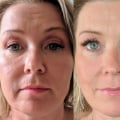
Exosomes have emerged as a promising innovation in the field of facial aesthetics, offering a natural approach to rejuvenating the skin and combating the visible signs of aging. These tiny vesicles, which are secreted by cells, play a crucial role in cell communication and regeneration, making them an ideal candidate for enhancing skin health.One of the primary benefits of using exosomes in facial rejuvenation is their ability to improve skin elasticity.As we age, our skin loses its natural firmness and suppleness due to a decrease in collagen and elastin production. Exosome therapy can stimulate the production of these essential proteins, leading to firmer, more resilient skin. This process not only enhances the overall texture but also contributes to a more youthful appearance.Moreover, exosomes are known for their regenerative properties. They contain various growth factors and proteins that promote healing and tissue repair.
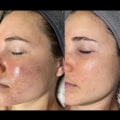
When applied to the skin, exosomes can help reduce the appearance of fine lines, wrinkles, and other signs of aging by encouraging the growth of new skin cells. This regenerative effect can lead to a smoother complexion and improved skin tone.In addition to their anti-aging benefits, exosomes can also address specific skin concerns such as acne scars and hyperpigmentation. By promoting cellular turnover and enhancing the skin's natural healing processes, exosome therapy can significantly improve the appearance of scars and uneven pigmentation.Despite their potential benefits, it is important to note that the use of exosome injections for facial aesthetics is currently not approved in the UK. Regulatory bodies have yet to establish comprehensive guidelines regarding their safety and efficacy for cosmetic use.
While some countries have begun to explore exosome injections in aesthetic treatments, practitioners in the UK must adhere to existing regulations that limit such applications.As research continues into the safety and effectiveness of exosome therapy, it is crucial for individuals considering this treatment to consult with qualified professionals who can provide guidance based on current regulations and best practices. In summary, while exosomes hold great promise for enhancing facial aesthetics through improved skin elasticity and rejuvenation, further studies are needed before they can be widely adopted in cosmetic procedures within the UK.
Exosome Therapy for Hair Restoration
Exosome therapy has emerged as a promising solution for individuals experiencing hair loss or thinning hair. This innovative treatment harnesses the power of exosomes, which are tiny vesicles secreted by cells that play a crucial role in cell communication and regeneration. By injecting exosomes into the scalp, patients can stimulate hair growth and restore their hair's natural vitality.Mechanisms of Action
Exosomes contain a rich array of proteins, lipids, and genetic material that facilitate cellular communication and promote healing.
When injected into the scalp, these exosomes interact with local hair follicle cells, enhancing their regenerative capabilities. The key mechanisms through which exosomes promote hair restoration include:When injected into the scalp, these exosomes interact with local hair follicle cells, enhancing their regenerative capabilities. The key mechanisms through which exosomes promote hair restoration include:
- Stimulation of Hair Follicle Activity: Exosomes activate dormant hair follicles, encouraging them to enter the anagen (growth) phase of the hair cycle.
- Increased Blood Supply: The growth factors within exosomes enhance blood circulation to the scalp, ensuring that hair follicles receive adequate nutrients and oxygen.
- Reduction of Inflammation: Exosomes possess anti-inflammatory properties that can help mitigate conditions such as androgenetic alopecia, which is often exacerbated by inflammation.
- Promotion of Collagen Production: By stimulating collagen synthesis in the scalp, exosomes improve the overall health of the skin, creating a more conducive environment for hair growth.
Clinical Evidence Supporting Efficacy
Recent clinical studies have demonstrated the effectiveness of exosome therapy in promoting hair growth. In one study, patients receiving exosome injections reported significant improvements in hair density and thickness after just a few sessions. The results were attributed to the enhanced regenerative properties of exosomes, which outperformed traditional treatments such as platelet-rich plasma (PRP).Moreover, exosome therapy is considered safe with minimal side effects, making it an attractive option for those seeking non-surgical solutions for hair restoration.
As research continues to evolve, it is anticipated that exosome therapy will become a standard treatment for various types of hair loss.In conclusion, exosome injections represent a revolutionary approach to hair restoration, offering a natural and effective means to combat thinning hair and promote new growth. For individuals struggling with hair loss, consulting with a qualified practitioner about exosome therapy could be a pivotal step towards regaining confidence and achieving fuller, healthier hair.
Mechanisms of Action: How Exosomes Work
Exosomes are small extracellular vesicles that play a pivotal role in intercellular communication, facilitating various biological processes essential for healing and regeneration. Understanding the mechanisms of action behind exosomes is crucial for appreciating their therapeutic potential in regenerative medicine and aesthetic treatments.Cellular Communication
Exosomes are secreted by almost all cell types and contain a rich cargo of proteins, lipids, RNA, and other molecules. This cargo is instrumental in mediating communication between cells.
When exosomes are introduced into the body, they can transfer their contents to recipient cells, influencing their behaviour and promoting various cellular responses. This process is vital for tissue repair and regeneration.
Promotion of Healing
One of the primary mechanisms through which exosomes exert their effects is by promoting healing in damaged tissues. They stimulate the proliferation and migration of fibroblasts, which are crucial for wound healing. By enhancing collagen synthesis and deposition, exosomes help restore the structural integrity of the skin and other tissues.
Anti-Inflammatory Effects
Exosomes also possess significant anti-inflammatory properties.
They can modulate immune responses by inhibiting the activation of pro-inflammatory cytokines and promoting the release of anti-inflammatory factors. This dual action helps to create a more favourable environment for healing, reducing inflammation that can hinder recovery.
Regeneration of Skin Cells
The regenerative capabilities of exosomes extend to skin cells as well. They promote the differentiation of keratinocytes and enhance the survival of dermal cells, leading to improved skin texture and elasticity. This is particularly beneficial in aesthetic applications where rejuvenation is desired.
Stimulation of Angiogenesis
Another critical aspect of exosome therapy is their ability to stimulate angiogenesis—the formation of new blood vessels.
This process is essential for delivering nutrients and oxygen to healing tissues, further supporting regeneration. Exosomes achieve this by releasing growth factors that encourage endothelial cell proliferation and migration.In summary, the mechanisms through which exosomes operate are multifaceted, involving cellular communication, promotion of healing, anti-inflammatory effects, regeneration of skin cells, and stimulation of angiogenesis. These actions collectively contribute to their therapeutic potential in various medical fields, including dermatology and regenerative medicine.
Safety and Side Effects of Exosome Injections
When considering exosome injections, understanding the safety profile and potential side effects is crucial. While exosome therapy is heralded for its regenerative properties, it is essential to approach this treatment with a clear awareness of the associated risks.Safety Profile of Exosome Injections
Exosomes are naturally occurring vesicles that facilitate cell communication and regeneration.
Their use in therapy is based on their ability to promote healing and rejuvenation. However, the safety of exosome injections can vary depending on several factors, including the source of the exosomes, the method of administration, and the individual patient's health status.Currently, exosome injections are not widely approved for cosmetic use in many regions, including the UK. This lack of regulatory approval stems from insufficient clinical data regarding their long-term safety and efficacy. Therefore, it is vital to consult with a qualified medical professional who can provide guidance based on the latest research and regulatory updates.
Potential Side Effects
While many patients report positive outcomes from exosome therapy, some may experience side effects.
Commonly reported side effects include:
- Redness and swelling: These are typical reactions following any injection and usually subside within a few hours to days.
- Pain at the injection site: Mild discomfort may occur but typically resolves quickly.
- Allergic reactions: Although rare, some individuals may have an allergic response to components within the exosome preparation.
- Infection: As with any injection procedure, there is a risk of infection if proper sterile techniques are not followed.
Risks Associated with Exosome Injections
The risks associated with exosome injections can be influenced by various factors:
- Source of Exosomes: Exosomes derived from different sources (e.g., stem cells from adipose tissue or umbilical cord) may carry varying risks. It is crucial to ensure that exosomes are sourced from reputable providers who adhere to strict safety protocols.
- Underlying Health Conditions: Patients with certain health conditions or compromised immune systems may face higher risks when undergoing exosome therapy.
- Lack of Standardisation: The absence of standardised protocols for exosome extraction and administration can lead to variability in treatment outcomes and safety profiles.
Regulatory Landscape for Exosome Treatments in the UK
The regulatory landscape for exosome treatments in the UK is complex and evolving. Currently, the use of exosomes in cosmetic procedures, particularly injections, remains largely unregulated.This situation arises from a combination of factors, including the novelty of the treatment, the need for comprehensive clinical data, and the cautious approach taken by regulatory bodies.In the UK, the primary regulatory body overseeing medical treatments is the Medicines and Healthcare products Regulatory Agency (MHRA). The MHRA is responsible for ensuring that medicines and medical devices are safe and effective for public use. As of now, exosome injections have not received approval from the MHRA for cosmetic applications. This lack of approval stems from insufficient evidence regarding their safety and efficacy in treating conditions such as skin aging or hair loss.One of the main reasons for this stringent regulatory stance is the need for rigorous clinical trials that demonstrate not only the effectiveness of exosome therapy but also its long-term safety profile.
While preliminary studies suggest promising results, more extensive research is required to fully understand how exosomes interact with human tissues and their potential side effects.Patients seeking exosome treatments in the UK should be aware that while some clinics may offer these services, they are operating in a legal grey area. The absence of formal approval means that patients may not have access to the same level of oversight and protection as they would with approved treatments. It is crucial for individuals to conduct thorough research and consult with qualified healthcare professionals before considering such therapies.Furthermore, ongoing discussions within the medical community and among regulatory bodies indicate that there may be changes on the horizon. As more data becomes available and as exosome therapy continues to gain traction globally, there is potential for future regulatory updates that could allow for broader applications of exosome treatments in the UK.In summary, while exosome injections hold promise for various aesthetic applications, their current legal status in the UK remains restrictive.
Patients should stay informed about regulatory developments and consider alternative treatments that are already approved and established within the healthcare system.
Combining Exosome Therapy with Other Treatments
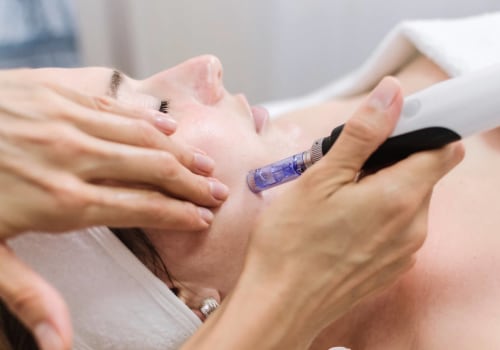
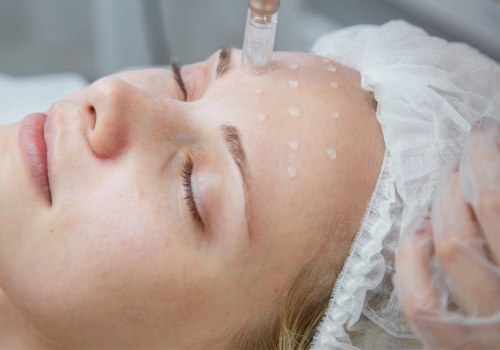
Exosome therapy has emerged as a promising treatment modality in the fields of aesthetic medicine and regenerative therapies. However, its potential can be significantly enhanced when combined with other treatments, creating a synergistic effect that optimises patient outcomes. This multi-modal approach not only addresses various skin and hair concerns but also maximises the benefits of each individual treatment.One of the most effective combinations involves pairing exosome therapy with microneedling. During a microneedling session, tiny channels are created in the skin, allowing for deeper penetration of exosomes.This enhances the delivery of growth factors and proteins contained within the exosomes, promoting accelerated healing and rejuvenation. The combination can lead to improved skin texture, reduced fine lines, and enhanced overall radiance.Another beneficial pairing is exosome therapy with laser treatments. Lasers can stimulate collagen production and improve skin tone, while exosomes can further enhance this process by providing essential growth factors that support tissue regeneration. For instance, after a fractional laser treatment, applying exosomes can help soothe the skin and promote faster recovery, resulting in a more youthful appearance.In the realm of hair restoration, exosome therapy can be effectively combined with PRP (Platelet-Rich Plasma) treatments.
Both therapies work synergistically to stimulate hair follicle activity and promote hair growth. While PRP provides a rich source of platelets and growth factors, exosomes enhance cellular communication and regeneration, leading to thicker and healthier hair.Moreover, incorporating topical skincare products that contain exosomes into a patient’s regimen can further amplify results. These products can be used post-treatment to maintain hydration and support ongoing skin repair processes. This holistic approach ensures that patients receive comprehensive care tailored to their specific needs.Ultimately, combining exosome therapy with other aesthetic treatments not only enhances efficacy but also provides a more personalised experience for patients.
Practitioners should consider these multi-modal strategies to optimise treatment outcomes and ensure patient satisfaction.
Frequently Asked Questions about Exosome Injections
As interest in exosome therapy continues to grow, many potential patients have questions regarding the procedure, its benefits, and safety. Below are some of the most frequently asked questions about exosome injections.What are exosomes?
Exosomes are small vesicles secreted by cells that play a crucial role in cell communication and regeneration. They contain proteins, lipids, and genetic material that facilitate intercellular communication, promoting healing and tissue repair.How are exosomes administered?
Exosomes can be administered through various methods, including:- Microneedling: This technique involves creating tiny channels in the skin, allowing exosomes to penetrate effectively.
- Topical application: After microneedling or laser treatments, exosomes can be applied directly to the skin.
- Intravenous (IV) therapy: In some cases, exosomes may be delivered through IV for systemic benefits.
Are exosome injections safe?
While exosome therapy is generally considered safe, it is essential to consult with a qualified medical professional. The lack of comprehensive clinical data on the long-term effects of exosome injections in the UK means that patients should proceed with caution and ensure they are receiving treatment from a reputable provider.What conditions can exosome therapy treat?
Exosome therapy has shown promise in treating various conditions, including:- Aging skin and wrinkles
- Hair loss and thinning
- Acne scars and stretch marks
- Tissue regeneration following injury or surgery
How many treatments will I need?
The number of treatments required varies depending on individual goals and skin conditions.Typically, patients may see noticeable improvements after a few sessions, with maintenance treatments recommended every six months to sustain results.
What should I expect during recovery?
Recovery from exosome therapy is generally quick. Patients may experience mild redness or swelling at the injection site, which typically subsides within a few days. Most individuals can return to their normal activities shortly after treatment.If you have further questions or concerns about exosome injections, it is advisable to schedule a consultation with a qualified practitioner who can provide tailored information based on your specific needs.Conclusion: The Future of Exosome Therapy
As we look towards the future of exosome therapy, it is essential to reflect on the significant advancements and potential applications that this innovative treatment offers across various medical fields. The discussion surrounding exosomes has evolved rapidly, highlighting their role not only in aesthetic treatments but also in regenerative medicine, oncology, and beyond.One of the most compelling aspects of exosome therapy is its ability to facilitate cell communication and promote tissue regeneration.This characteristic positions exosomes as a promising candidate for treating a range of conditions, from chronic wounds to degenerative diseases. As research continues to unfold, we may witness an expansion in the therapeutic applications of exosomes, potentially revolutionising how we approach healing and recovery.
Summary of Benefits
- Natural Healing: Exosomes are derived from our own cells, making them a natural option for promoting healing without the risk of adverse reactions associated with synthetic treatments.
- Versatility: Their ability to enhance skin rejuvenation, stimulate hair growth, and support recovery from injuries showcases their versatility in various therapeutic contexts.
- Minimal Side Effects: Compared to traditional treatments, exosome therapy generally presents a lower risk of side effects, making it suitable for a broader range of patients.
- Enhanced Efficacy: Exosomes have been shown to improve outcomes in combination with other therapies, enhancing overall treatment efficacy.
With continued advancements in our understanding of cellular communication and regeneration, we may soon see exosomes become a standard component in therapeutic regimens aimed at enhancing health and well-being.