Exosomes are small extracellular vesicles that play a crucial role in intercellular communication. These nano-sized structures, typically ranging from 30 to 150 nanometers in diameter, are secreted by various cell types and contain a complex mixture of proteins, lipids, and nucleic acids. Their primary function is to facilitate the transfer of molecular signals between cells, thereby influencing numerous biological processes. This includes modulating immune responses, promoting tissue repair, and even participating in the progression of diseases such as cancer.The significance of exosomes extends beyond mere cellular communication; they are increasingly recognised for their potential applications in medicine.
As natural carriers of biomolecules, exosomes can be harnessed for targeted drug delivery systems, offering a promising avenue for therapeutic interventions. For instance, exosomes derived from stem cells have shown remarkable regenerative properties, making them a focal point in regenerative medicine research. Their ability to encapsulate and transport therapeutic agents directly to target cells enhances the efficacy of treatments while minimising side effects.Despite their promising applications, the regulatory landscape surrounding exosomes remains complex and somewhat ambiguous. Currently, exosome-based products are not approved by the FDA for therapeutic use, which raises important questions about their safety and efficacy.
As research continues to unveil the multifaceted roles of exosomes in health and disease, understanding their biological significance becomes essential for both clinicians and patients alike. This knowledge not only informs ongoing discussions about their regulatory status but also highlights the need for rigorous scientific evaluation before these innovative therapies can be widely adopted.
What Are Exosomes?
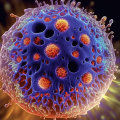
Exosomes are small extracellular vesicles that play a pivotal role in intercellular communication. They are typically 30 to 150 nanometers in diameter and are secreted by various cell types, including stem cells, immune cells, and cancer cells. The structure of exosomes is complex, comprising a lipid bilayer that encapsulates a variety of biomolecules, including proteins, lipids, and nucleic acids.This unique composition allows exosomes to facilitate the transfer of molecular signals between cells, influencing numerous biological processes.Originating from the endosomal system, exosomes are formed when multivesicular bodies (MVBs) fuse with the plasma membrane of a cell, releasing their contents into the extracellular space. This process is crucial for maintaining cellular homeostasis and regulating immune responses. The biological significance of exosomes extends beyond mere cellular waste disposal; they are involved in various physiological and pathological processes, including inflammation, tissue repair, and cancer progression.
Types of Exosomes
Exosomes can be classified based on their cellular origin and functional roles. Some notable types include:- Mesenchymal Stem Cell-Derived Exosomes: These exosomes are known for their regenerative properties and have been studied for their potential in treating various conditions such as osteoarthritis and cardiovascular diseases.
- Immune Cell-Derived Exosomes: Secreted by immune cells like dendritic cells and macrophages, these exosomes play a crucial role in modulating immune responses and can influence the behaviour of other immune cells.
- Cancer Cell-Derived Exosomes: Tumour-derived exosomes can carry oncogenic factors that promote tumour growth and metastasis, making them a focus of research in cancer biology.
Understanding the biology of exosomes is essential for developing targeted therapies that harness their potential for drug delivery and regenerative medicine. As research progresses, the therapeutic applications of exosomes continue to expand, promising innovative solutions for various medical challenges.
The Role of Exosomes in Medicine
Exosomes, which are small extracellular vesicles secreted by various cell types, have emerged as pivotal players in the field of medicine, particularly in the realms of regenerative therapies and drug delivery systems. Their unique ability to facilitate intercellular communication and transport biomolecules makes them a focal point of research aimed at harnessing their therapeutic potential.One of the most promising applications of exosomes lies in regenerative medicine. These vesicles are known to carry proteins, lipids, and nucleic acids that can influence the behaviour of recipient cells.For instance, exosomes derived from mesenchymal stem cells (MSCs) have shown remarkable efficacy in promoting tissue repair and regeneration. Studies indicate that these exosomes can enhance wound healing, improve cartilage repair, and even support nerve regeneration. This regenerative capability is attributed to their role in modulating inflammation and promoting cellular survival.Moreover, exosomes are being explored as vehicles for targeted drug delivery. Their natural origin allows them to evade the immune system more effectively than synthetic carriers, making them ideal candidates for delivering therapeutic agents directly to diseased tissues. For instance, exosomes derived from mesenchymal stem cells (MSCs) have shown remarkable efficacy in promoting tissue repair and regeneration. Studies indicate that these exosomes can enhance wound healing, improve cartilage repair, and even support nerve regeneration. This regenerative capability is attributed to their role in modulating inflammation and promoting cellular survival.Moreover, exosomes are being explored as vehicles for targeted drug delivery. Their natural origin allows them to evade the immune system more effectively than synthetic carriers, making them ideal candidates for delivering therapeutic agents directly to diseased tissues.
By encapsulating drugs within exosomes, researchers aim to improve the bioavailability and efficacy of treatments while minimising side effects. This targeted approach is particularly beneficial in treating conditions such as cancer, where precision is crucial.Despite their potential, it is essential to acknowledge that the use of exosomes in clinical settings remains largely unregulated. The lack of FDA approval for exosome-based therapies raises significant concerns regarding safety and efficacy. As research continues to advance, establishing clear regulatory frameworks will be vital to ensure that these innovative therapies can be safely integrated into standard medical practice.In conclusion, the role of exosomes in medicine is multifaceted and holds great promise for future therapeutic applications.
Their involvement in regenerative medicine and drug delivery systems underscores the need for ongoing research and regulatory oversight to fully realise their potential benefits while safeguarding patient health.
Current FDA Regulations on Exosomes
The FDA (Food and Drug Administration) plays a crucial role in regulating medical products, including exosomes. Currently, exosome products are not approved for therapeutic use in humans, which raises significant concerns for both patients and healthcare providers. Understanding the regulatory landscape surrounding exosomes is essential for making informed decisions regarding their use.Exosomes are small extracellular vesicles that facilitate intercellular communication and have garnered attention for their potential applications in regenerative medicine and drug delivery. However, the FDA has not yet granted approval for any exosome-based therapies.This lack of approval stems from several factors:
- Insufficient Clinical Evidence: The FDA requires robust clinical data demonstrating the safety and efficacy of any new treatment before it can be approved. Currently, there is a lack of comprehensive studies that meet these rigorous standards for exosome therapies.
- Variability in Production: The production of exosomes can vary significantly based on the source of the donor cells and the methods used to isolate them. This variability can affect the quality and therapeutic potential of the exosomes, complicating regulatory approval.
- Potential Risks: As with any biological product, there are potential risks associated with exosome therapies, including immune reactions or unintended effects on cellular functions. The FDA prioritises patient safety, necessitating thorough evaluation before approval.
This can lead to misleading claims about their effectiveness and safety. Patients should be cautious and seek treatments that comply with established regulatory standards.The FDA has issued guidance indicating that exosome products intended for human use are classified as biological products under the Public Health Service Act and the Federal Food, Drug, and Cosmetic Act. This classification means they are subject to pre-market review and must meet specific criteria before being made available to patients.In conclusion, while the potential of exosomes in medicine is promising, their current status as unapproved products highlights the need for further research and regulatory clarity. Patients and healthcare providers must remain informed about these regulations to ensure safe and effective treatment options.
Challenges in Regulating Exosome Therapies
The regulation of exosome therapies presents a myriad of challenges that stem from their complex nature and the evolving landscape of regenerative medicine.As exosomes are derived from various biological sources, their composition can vary significantly, leading to difficulties in establishing standardised protocols for their production and application.One of the primary challenges in regulating exosome therapies is ensuring consistent quality control. Unlike traditional pharmaceuticals, which have well-defined chemical structures, exosomes are heterogeneous vesicles that can carry a diverse array of proteins, lipids, and nucleic acids. This variability complicates the assessment of their safety and efficacy. Regulatory bodies like the FDA require rigorous testing to ensure that any therapeutic product meets specific quality standards, but the lack of established guidelines for exosome characterisation makes this process challenging.Moreover, the methods used to isolate and purify exosomes can significantly influence their biological activity.
Different extraction techniques may yield exosomes with varying properties, which can affect their therapeutic potential. As a result, there is an urgent need for standardisation in the production processes of exosome therapies to ensure that all products are comparable in terms of quality and effectiveness.Another significant hurdle is the regulatory classification of exosomes themselves. Depending on their intended use, exosomes may be classified as drugs, biological products, or even medical devices. This ambiguity can lead to confusion among manufacturers and healthcare providers regarding the necessary regulatory pathways for approval.
Clear guidelines are essential to navigate these classifications effectively.Furthermore, the rapid pace of research in the field of exosome therapy often outstrips existing regulatory frameworks. As new findings emerge regarding the therapeutic applications of exosomes, regulatory agencies must adapt quickly to incorporate these advancements into their oversight processes. This dynamic environment necessitates ongoing dialogue between researchers, clinicians, and regulators to ensure that safety and efficacy are not compromised.In conclusion, while the potential of exosome therapies is vast, addressing these regulatory challenges is crucial for their successful integration into clinical practice. Stakeholders must work collaboratively to establish robust quality control measures and clear regulatory pathways that will facilitate the safe and effective use of exosomes in medicine.
Misconceptions About Exosome Therapies
As the field of regenerative medicine evolves, exosome therapies have garnered significant attention.However, this interest has also led to a proliferation of misconceptions that can mislead potential patients. Understanding these myths is crucial for making informed decisions regarding treatment options.One prevalent misconception is that exosome therapies are fully approved and regulated by the FDA. In reality, while exosomes are a promising area of research, they are not currently approved for therapeutic use in humans. This lack of approval means that many products marketed as exosome therapies may not have undergone rigorous testing for safety and efficacy.
Patients should be cautious and seek treatments that comply with established regulatory standards.Another common myth is that exosomes can cure a wide range of diseases without any side effects. While exosomes have shown potential in various studies, claiming they can universally treat conditions is misleading. The therapeutic effects of exosomes depend heavily on their source and the specific conditions being treated. Moreover, the absence of comprehensive clinical trials means that the long-term effects and potential risks remain largely unknown.Additionally, some clinics may promote exosome therapies as a miracle solution, often using anecdotal evidence to support their claims.
This approach can create unrealistic expectations among patients. It is essential for individuals to understand that while exosomes may offer benefits, they are not a substitute for traditional medical treatments and should be considered as part of a broader therapeutic strategy.Patient awareness is vital in navigating the landscape of exosome therapies. Prospective patients should engage in thorough research and consult healthcare professionals who can provide evidence-based information. Questions to consider include:
- What specific conditions are being treated with exosome therapy?
- What does the current research say about the efficacy and safety of these treatments?
- Are there any FDA-approved alternatives available?
This will ultimately empower patients to make choices that align with their health needs and expectations.
Future Directions for Exosome Research and Regulation
The future of exosome therapy holds significant promise, driven by ongoing research and technological advancements that aim to unlock the full potential of these cellular vesicles. As scientists delve deeper into the mechanisms of exosome function, we can expect a surge in innovative applications across various fields, particularly in regenerative medicine and targeted drug delivery.One of the most exciting areas of research is the engineering of exosomes to enhance their therapeutic efficacy. By modifying the surface proteins or loading exosomes with specific therapeutic agents, researchers are exploring ways to improve their targeting capabilities and stability. This could lead to more effective treatments for a range of conditions, from neurodegenerative diseases to cancer.Moreover, advancements in analytical techniques are paving the way for better characterization and quality control of exosome products.Techniques such as nanopore sensing, mass spectrometry, and advanced imaging methods are being developed to provide insights into the composition and functionality of exosomes. These innovations will not only enhance our understanding of exosome biology but also facilitate the establishment of standardized protocols for their production and application.As research progresses, regulatory frameworks surrounding exosome therapies are also expected to evolve. Currently, the lack of clear guidelines poses challenges for researchers and clinicians alike. However, as more data becomes available demonstrating the safety and efficacy of exosome-based treatments, regulatory bodies like the FDA may begin to formulate specific pathways for approval.In particular, there is a growing recognition of the need for a tailored regulatory approach that considers the unique properties of exosomes compared to traditional drugs.
This could involve establishing criteria for preclinical testing, manufacturing practices, and post-market surveillance that are specific to exosome therapies.Furthermore, collaborative efforts between academia, industry, and regulatory agencies will be crucial in shaping the future landscape of exosome research. By fostering partnerships that encourage knowledge sharing and innovation, stakeholders can work together to address existing challenges and expedite the translation of promising research into clinical practice.In conclusion, while the path towards FDA approval for exosome therapies may be complex, ongoing advancements in research and regulation hold great potential for transforming this field. As we continue to uncover the intricacies of exosomes and their applications, we can anticipate a future where these biological entities play a pivotal role in modern medicine.
Conclusion: The Path Forward for Exosomes
In summary, the current landscape surrounding exosomes is both complex and promising. While exosomes are not yet approved by the FDA for therapeutic use, their potential applications in medicine are vast and varied.As we have explored, exosomes play a crucial role in intercellular communication and have shown promise in areas such as regenerative medicine, drug delivery, and diagnostics.Despite their potential, it is essential to approach the use of exosome therapies with caution. The lack of FDA approval means that many products on the market may not have undergone rigorous testing for safety and efficacy. This situation underscores the importance of conducting further research to establish standardized protocols for the production and application of exosomes in clinical settings.Moreover, as the scientific community continues to investigate the therapeutic benefits of exosomes, it is vital to ensure that regulatory frameworks evolve alongside these advancements. The FDA's role in overseeing the development of exosome-based therapies will be crucial in safeguarding public health while fostering innovation.Looking ahead, several key areas warrant attention:
- Research and Development: Continued investment in research will be necessary to unlock the full potential of exosomes.
This includes understanding their mechanisms of action, optimizing production methods, and identifying specific clinical applications.
- Regulatory Clarity: Establishing clear guidelines for the regulation of exosome products will help protect consumers and ensure that only safe and effective therapies reach the market.
- Public Awareness: Educating both healthcare professionals and patients about the current status of exosome therapies is essential. This knowledge will empower individuals to make informed decisions regarding their treatment options.