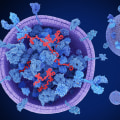
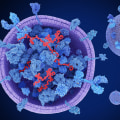
In recent years, the field of stem cell treatment has garnered significant attention, particularly in the context of regenerative medicine. This innovative approach aims to harness the body's own healing mechanisms to repair or replace damaged tissues and organs. One of the most exciting developments in this area is the role of exosomes, which are small extracellular vesicles secreted by cells that play a crucial part in intercellular communication. Exosomes are believed to carry proteins, lipids, and genetic material that can influence the behaviour of recipient cells, making them a focal point in advancing stem cell therapies.The legal landscape surrounding stem cell treatment in the UK is complex and multifaceted.
While certain types of stem cell research and therapies are permitted under strict regulations, others remain controversial or outright illegal. For instance, embryonic stem cell research is tightly regulated and requires licensing from the Human Embryology and Fertilization Authority (HFEA). This regulatory framework aims to ensure ethical practices while promoting scientific advancement. As a result, understanding the legality of various stem cell treatments is essential for both practitioners and patients considering these options.As we delve deeper into the implications of exosomes in stem cell therapy, it becomes evident that they hold great promise for enhancing treatment outcomes.
Their ability to facilitate communication between cells can potentially lead to more effective therapies for a range of conditions, from degenerative diseases to injuries. However, navigating the legalities and ethical considerations surrounding their use is paramount. This article will explore these aspects in detail, providing insights into how exosomes are shaping the future of regenerative medicine within the UK’s regulatory framework.
The Regulatory Framework for Stem Cell Research in the UK
The regulatory landscape for stem cell research in the UK is both comprehensive and intricate, designed to ensure ethical practices while fostering scientific advancement. Central to this framework is the Human Fertilisation and Embryology Authority (HFEA) , which plays a pivotal role in overseeing research involving human embryos and stem cells.Established under the Human Fertilisation and Embryology Act 1990 , the HFEA is responsible for licensing clinics and research facilities that engage in activities related to human embryos, including the derivation of embryonic stem cells.To conduct any form of stem cell research that involves human embryos, researchers must obtain a license from the HFEA. This process involves rigorous scrutiny of research proposals to ensure compliance with ethical standards and legal requirements. The HFEA evaluates factors such as the purpose of the research, potential benefits, and the methods employed to ensure that they align with established ethical guidelines.In addition to the HFEA, other regulatory bodies contribute to the governance of stem cell research in the UK. The Medicines and Healthcare products Regulatory Agency (MHRA) oversees clinical trials involving stem cells, ensuring that any new treatments are safe and effective before they can be administered to patients.
Furthermore, the Human Tissue Authority (HTA) regulates the removal, storage, and use of human tissues for research purposes, including stem cells.The legal framework also stipulates that any manipulation of embryonic stem cells must adhere to strict guidelines. For instance, while it is permissible to derive stem cells from embryos created through in vitro fertilisation (IVF), any subsequent use of these cells for therapeutic purposes must not involve significant modification unless specifically licensed. This ensures that all research adheres to ethical standards while protecting the rights of donors.Moreover, public opinion plays a significant role in shaping stem cell regulations in the UK. Ongoing debates about the moral implications of using human embryos for research have led to calls for transparency and accountability within the sector.
As a result, researchers are encouraged to engage with the public and stakeholders to foster understanding and support for their work.In summary, the regulatory framework governing stem cell research in the UK is robust and multifaceted, involving several key authorities that work together to ensure ethical compliance and scientific integrity. This framework not only facilitates groundbreaking research but also safeguards public trust in scientific advancements.
Types of Stem Cells and Their Legal Status
Stem cells are unique cells with the remarkable ability to develop into various cell types in the body. They play a crucial role in regenerative medicine and have garnered significant attention for their potential therapeutic applications. In the UK, the legal status of different types of stem cells varies, reflecting ethical considerations and regulatory frameworks.Embryonic Stem Cells
Embryonic stem cells
(ESCs) are derived from early-stage embryos, specifically from the blastocyst stage, which is approximately five days post-fertilization.
These cells are pluripotent, meaning they can differentiate into any cell type in the body. However, the extraction of these cells raises ethical concerns regarding the destruction of embryos. In the UK, research involving embryonic stem cells is permitted but strictly regulated. Researchers must obtain a license from the Human Fertilisation and Embryology Authority (HFEA), ensuring that all ethical guidelines are followed.
Adult Stem Cells
Adult stem cells
, also known as somatic or tissue-specific stem cells, are found in various tissues throughout the body, such as bone marrow, fat, and blood.
Unlike embryonic stem cells, adult stem cells are multipotent, meaning they can only differentiate into a limited range of cell types related to their tissue of origin. The use of adult stem cells is generally less controversial and is more widely accepted in clinical applications. In the UK, treatments using adult stem cells do not require the same level of regulatory oversight as embryonic stem cell research.
Mesenchymal Stem Cells
Mesenchymal stem cells
(MSCs) are a specific type of adult stem cell that can be isolated from various tissues, including bone marrow and adipose (fat) tissue. MSCs have gained popularity due to their ability to differentiate into multiple cell types, including bone, cartilage, and fat cells.
The legal status of MSCs in the UK is more permissive compared to embryonic stem cells; however, any clinical application must still comply with regulations set forth by the Medicines and Healthcare products Regulatory Agency (MHRA) and other governing bodies.
Legal Status Overview
The legal landscape surrounding stem cell research in the UK is complex and multifaceted. While embryonic stem cell research is tightly regulated due to ethical concerns, adult and mesenchymal stem cells enjoy a more lenient regulatory environment. This distinction reflects ongoing debates about the moral implications of using human embryos for research versus utilising adult tissues that do not involve such ethical dilemmas. As advancements in regenerative medicine continue to evolve, so too will the legal frameworks governing these powerful biological tools.Exosomes: A New Frontier in Stem Cell Therapy
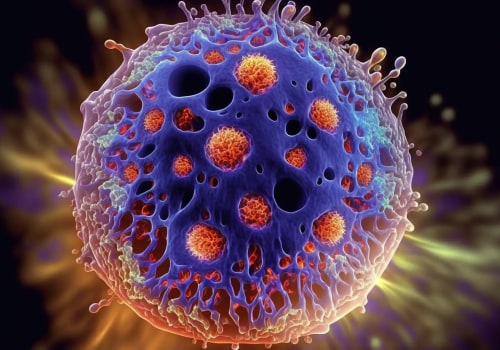
Exosomes are small extracellular vesicles that play a crucial role in intercellular communication, carrying proteins, lipids, and nucleic acids between cells.Their significance in medicine, particularly in the realm of stem cell therapy, has garnered increasing attention from researchers and clinicians alike. These nano-sized vesicles are secreted by various cell types, including stem cells, and are believed to mediate many of the therapeutic effects attributed to stem cell treatments.One of the most promising aspects of exosomes is their ability to enhance treatment outcomes in regenerative medicine. When stem cells are administered to a patient, it is often the exosomes they release that facilitate healing and tissue regeneration. This is due to their rich content of growth factors and cytokines that can modulate inflammation, promote cell survival, and stimulate tissue repair.
As a result, exosome therapy is emerging as a potential alternative or adjunct to traditional stem cell therapies.
The Role of Exosomes in Stem Cell Therapy
Exosomes derived from stem cells have been shown to possess several beneficial properties:- Anti-inflammatory effects: Exosomes can reduce inflammation by inhibiting pro-inflammatory cytokines, which is particularly beneficial in conditions like arthritis and other inflammatory diseases.
- Tissue repair: They promote the proliferation and migration of local cells, aiding in the repair of damaged tissues.
- Cell survival: Exosomes can enhance the survival of injured cells by providing protective signals that prevent apoptosis (cell death).
The future of exosome therapy looks promising, with ongoing studies aimed at elucidating their full therapeutic potential and ensuring safe application in clinical practice.
Current Applications of Stem Cell Treatments in the UK
In the UK, stem cell treatments have gained traction as a promising avenue for addressing various medical conditions. These treatments leverage the unique properties of stem cells to promote healing and regeneration in damaged tissues. While the regulatory landscape is stringent, several clinics across the country are now offering these therapies, focusing on specific conditions that can benefit from stem cell intervention.Conditions Treated with Stem Cells
- Orthopaedic Issues: One of the most common applications of stem cell therapy is in treating joint pain and injuries. Conditions such as osteoarthritis, tendon injuries, and cartilage damage can potentially be alleviated through the regenerative capabilities of stem cells.
- Sports Injuries: Athletes often turn to stem cell treatments for quicker recovery from injuries.
This includes conditions like ligament tears and muscle strains, where traditional rehabilitation may take longer.
- Chronic Pain: Stem cell therapy is being explored as a treatment for chronic pain syndromes, including back pain and fibromyalgia, by targeting the underlying causes rather than just managing symptoms.
- Neurological Disorders: Emerging research suggests that stem cells may play a role in treating neurological conditions such as multiple sclerosis and spinal cord injuries, although these applications are still largely experimental.
- Cardiovascular Diseases: Some clinics are investigating the use of stem cells to repair heart tissue damaged by heart attacks or chronic heart disease.
Clinics Offering Stem Cell Therapy
A number of reputable clinics in the UK are at the forefront of providing stem cell treatments. These facilities often employ advanced techniques and adhere to strict regulatory standards to ensure patient safety. Some notable clinics include:
- The London Stem Cell Clinic: Specialising in orthopaedic treatments, this clinic offers tailored stem cell therapies for joint and sports injuries.
- The Regenerative Clinic: With locations across the UK, this clinic focuses on a range of conditions, including chronic pain and degenerative diseases.
- Cell Therapy Group: This clinic provides innovative treatments for various ailments, including neurological disorders and cardiovascular issues.
Ethical Considerations Surrounding Stem Cell Research and Treatment
The ethical landscape surrounding stem cell research and treatment is complex and multifaceted, reflecting a range of societal values, scientific advancements, and moral considerations.In the UK, the use of stem cells, particularly those derived from embryos, raises significant ethical questions that are often at the forefront of public discourse.One of the primary ethical issues is the source of stem cells. The extraction of embryonic stem cells involves the destruction of human embryos, which many individuals and groups view as morally unacceptable. This has led to heated debates about when life begins and the rights of embryos versus the potential benefits of stem cell therapies. In contrast, adult stem cells and induced pluripotent stem cells (iPSCs), which do not involve embryo destruction, are often seen as more ethically acceptable alternatives.Public opinion on stem cell research in the UK is varied.
While many people support the use of stem cells for medical research and treatment due to their potential to cure debilitating diseases, there remains a significant portion of the population that opposes embryonic stem cell research on ethical grounds. Surveys indicate that public attitudes can shift based on increased awareness and understanding of the scientific processes involved, as well as the potential health benefits that could arise from such research.To navigate these ethical dilemmas, the UK has established a robust framework of guidelines and regulations governing stem cell research. The Human Fertilisation and Embryology Authority (HFEA) plays a crucial role in overseeing research involving human embryos, ensuring that it is conducted ethically and responsibly. Researchers must adhere to strict ethical guidelines that include:
- Informed Consent: Participants must provide informed consent before any use of their cells or tissues.
- Transparency: Research proposals must be transparent and subject to rigorous ethical review.
- Minimisation of Harm: Researchers are obligated to minimise any potential harm to participants or embryos involved in studies.
- Public Engagement: Engaging with the public to address concerns and foster understanding is essential.
As advancements continue in this field, it is vital for stakeholders—including scientists, ethicists, policymakers, and the public—to engage in meaningful discussions that balance innovation with ethical responsibility.
Challenges and Controversies in Stem Cell Treatment Legality
The landscape of stem cell treatment legality in the UK is fraught with challenges and controversies that continue to spark debate among scientists, ethicists, and policymakers. As advancements in stem cell research progress, the legal framework governing these therapies often struggles to keep pace, leading to a myriad of issues that complicate the situation.One of the primary challenges is the distinction between therapeutic and research applications of stem cells. While research using embryonic stem cells is tightly regulated, the application of these cells in clinical settings raises ethical questions. The UK’s Human Fertilisation and Embryology Authority (HFEA) oversees these regulations, but as new techniques emerge, such as the use of exosomes derived from stem cells, the existing laws may not adequately address their implications.Moreover, there is a growing concern regarding the proliferation of private clinics offering unregulated stem cell therapies.Many of these establishments promote treatments that lack robust scientific backing, leading to potential harm for patients seeking relief from conditions like arthritis or joint pain. This has prompted calls for stricter regulations to protect patients from misleading claims and unsafe practices.The legal challenges surrounding stem cell treatments are further complicated by international differences in regulation. While some countries embrace progressive policies that encourage research and clinical application, others impose stringent restrictions. This inconsistency can lead to a brain drain, where researchers migrate to more permissive environments, potentially stifling innovation within the UK.As public interest in regenerative medicine grows, so too does the demand for clearer guidelines and policies.
Stakeholders are advocating for a comprehensive review of existing laws to ensure they reflect current scientific understanding and ethical considerations. The future of stem cell treatment legality in the UK hinges on balancing innovation with safety and ethical responsibility.In conclusion, navigating the complexities of stem cell treatment legality requires ongoing dialogue among all parties involved. As research evolves and new therapies emerge, it is crucial for regulatory frameworks to adapt accordingly, ensuring that patients receive safe and effective treatments while fostering an environment conducive to scientific advancement.
Future Directions for Stem Cell Research and Exosome Therapy
The landscape of stem cell research and exosome therapy is rapidly evolving, with significant advancements anticipated in the coming years. As researchers continue to explore the potential of stem cells and their derivatives, such as exosomes, the future holds promise for innovative treatments and therapies that could transform medical practice.One of the most exciting prospects in stem cell research is the increasing understanding of exosomes—small vesicles secreted by cells that play a crucial role in intercellular communication.These exosomes are rich in proteins, lipids, and nucleic acids, making them valuable for therapeutic applications. Researchers are investigating their potential to facilitate tissue repair and regeneration, particularly in conditions such as neurodegenerative diseases, cardiovascular disorders, and autoimmune conditions.
Advancements in Exosome Therapy
Recent studies have highlighted the ability of exosomes to modulate immune responses and promote healing processes. This has led to a surge in interest regarding their use as a therapeutic agent. For instance, exosome therapy could potentially reduce inflammation and enhance recovery in patients undergoing treatment for chronic conditions.As clinical trials progress, we may witness a shift towards more widespread adoption of exosome-based therapies.Moreover, advancements in biomanufacturing techniques are expected to streamline the production of exosomes, making them more accessible for clinical use. The integration of technologies such as machine learning and automation could significantly enhance the efficiency and safety of exosome extraction and purification processes.
Potential Changes in Regulations
The evolving nature of stem cell research and exosome therapy may also prompt changes in regulatory frameworks. As new evidence emerges regarding the safety and efficacy of these treatments, regulatory bodies like the Medicines and Healthcare products Regulatory Agency (MHRA) may adapt existing guidelines to accommodate innovative therapies. This could lead to a more flexible regulatory environment that encourages research while ensuring patient safety.In conclusion, the future of stem cell research and exosome therapy is poised for significant advancements that could reshape treatment paradigms.As researchers continue to unlock the potential of these biological tools, it is essential for regulatory frameworks to evolve accordingly, ensuring that patients benefit from safe and effective therapies.
Frequently Asked Questions about Stem Cell Treatment Legality in the UK
As interest in stem cell treatments continues to grow, many potential patients have questions regarding their legality in the UK. Below are some frequently asked questions that address common concerns about stem cell treatments and the use of exosomes.1.Is stem cell treatment legal in the UK?
Yes, stem cell treatment is legal in the UK, but it is subject to strict regulations. The use of embryonic stem cells is heavily regulated and requires a license from the Human Fertilisation and Embryology Authority (HFEA). Treatments that involve adult stem cells or exosomes derived from these cells are generally more permissible, provided they comply with existing laws.2.What are exosomes and how do they relate to stem cell therapy?
Exosomes are small extracellular vesicles that play a crucial role in cell communication.They are released by various types of cells, including stem cells, and contain proteins, lipids, and genetic material. In the context of stem cell therapy, exosomes are being researched for their potential to promote healing and regeneration without the ethical concerns associated with embryonic stem cells.
3.Are there any legal concerns regarding exosome therapies?
While exosome therapies are considered less controversial than traditional stem cell treatments, they still fall under regulatory scrutiny. The Medicines and Healthcare products Regulatory Agency (MHRA) oversees the use of exosome-based therapies to ensure they meet safety and efficacy standards. Clinics offering such treatments must adhere to these regulations to operate legally.4.Can I receive stem cell treatment for any condition?
Stem cell treatments are available for various conditions, including joint pain and degenerative diseases.However, not all conditions are approved for treatment under UK law. It is essential to consult with a qualified healthcare provider who can guide you on the legality and appropriateness of specific treatments.
5.What should I consider before pursuing stem cell treatment?
- Research the clinic: Ensure that the clinic is licensed and follows regulatory guidelines.
- Consult healthcare professionals: Discuss your options with a qualified medical professional who understands the legal landscape.
- Understand the risks: Be aware of potential risks and benefits associated with any treatment.
Conclusion: Navigating Stem Cell Treatment Legality and Future Prospects
In conclusion, the landscape of stem cell treatment in the UK is shaped by a robust regulatory framework that prioritises safety and ethical considerations. The legality of these treatments is complex, particularly when it comes to the use of exosomes and other derived products.While stem cell therapies are available for certain conditions, the extraction and manipulation of embryonic stem cells remain strictly regulated and often prohibited for clinical use.The role of exosomes in regenerative medicine is gaining attention as researchers explore their potential in cell communication and tissue repair. These nano-sized vesicles, secreted by various cell types, carry proteins, lipids, and genetic material that can influence cellular behaviour. As our understanding of exosomes deepens, they may offer a promising avenue for developing new therapies that comply with existing regulations.It is essential for patients considering stem cell treatments to be aware of the legal landscape and the implications of undergoing such therapies. The UK’s Human Fertilisation and Embryology Authority (HFEA) plays a crucial role in overseeing research and clinical applications involving stem cells, ensuring that ethical standards are upheld.As we look to the future, advancements in technology and research may pave the way for more innovative approaches to stem cell therapy.
The potential for exosomes to serve as therapeutic agents could revolutionise treatment options while adhering to legal frameworks. However, it is vital for patients to consult with qualified healthcare professionals and stay informed about the evolving regulations surrounding stem cell treatments.Ultimately, navigating the complexities of stem cell treatment legality requires a careful balance between scientific innovation and ethical responsibility. As research progresses, ongoing dialogue among scientists, ethicists, and policymakers will be essential in shaping a future where safe and effective stem cell therapies are accessible to those in need.