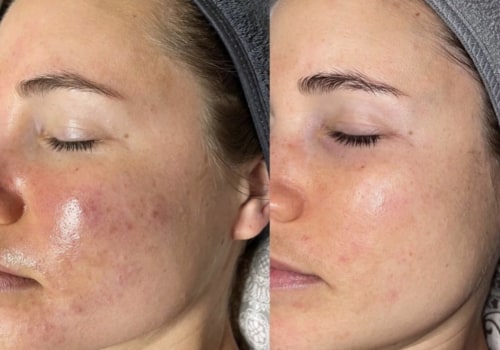
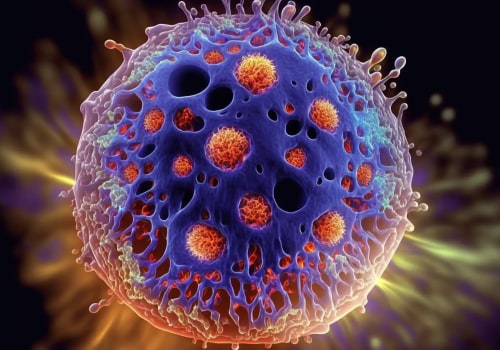
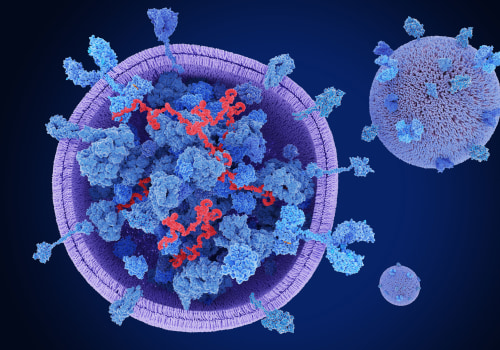
Exosomes are tiny extracellular vesicles that play a crucial role in cellular communication and regeneration. These nano-sized particles are secreted by various cell types, including stem cells, and are rich in proteins, lipids, and genetic material. Their primary function is to facilitate intercellular communication by transferring molecular signals between cells, which can significantly influence cellular behaviour and promote healing processes. In the realm of skin health, exosomes have emerged as a groundbreaking component in the field of regenerative medicine, particularly in enhancing skin rejuvenation.As we age, our skin undergoes various changes, including loss of elasticity, increased dryness, and the appearance of fine lines and wrinkles.
These changes are often exacerbated by environmental factors such as UV exposure and pollution. Exosome therapy harnesses the natural regenerative properties of these vesicles to stimulate the skin's healing mechanisms. By delivering essential growth factors and cytokines directly to targeted skin cells, exosomes can enhance collagen production, improve hydration levels, and promote overall skin texture and tone.The significance of exosomes in skin health cannot be overstated. They not only aid in repairing damaged tissues but also help in maintaining the skin's youthful appearance by promoting cellular turnover and regeneration.
This innovative approach to skincare offers a more holistic solution compared to traditional methods that often focus solely on surface-level treatments. With exosome therapy, patients can expect not just immediate improvements but also long-lasting benefits that contribute to healthier, more vibrant skin.
What Are Exosomes?
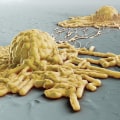
Exosomes are small extracellular vesicles that play a pivotal role in intercellular communication. These nano-sized structures, typically ranging from 30 to 150 nanometers in diameter, are secreted by various cell types and contain a complex mixture of proteins, lipids, and nucleic acids. Their primary function is to facilitate the transfer of molecular signals between cells, thereby influencing numerous biological processes.Origin of Exosomes
Exosomes originate from the endosomal system of cells.
They are formed when early endosomes mature into late endosomes, which then bud off to create multivesicular bodies (MVBs). These MVBs can either fuse with lysosomes for degradation or release their contents into the extracellular space as exosomes. This process is crucial for maintaining cellular homeostasis and regulating various physiological functions.
Functions of Exosomes
- Cellular Communication: Exosomes serve as messengers, carrying proteins, lipids, and RNA molecules that can modulate the behaviour of recipient cells. This communication is essential for processes such as immune response, tissue repair, and cellular differentiation.
- Regenerative Potential: In the context of regenerative medicine, exosomes derived from stem cells have garnered significant attention.
They possess the ability to promote healing and regeneration by delivering growth factors and other bioactive molecules that stimulate tissue repair.
- Biomarkers: Due to their unique composition, exosomes can also act as biomarkers for various diseases. Their presence in bodily fluids such as blood and urine makes them valuable for non-invasive diagnostic applications.
How Exosomes Work on Skin
Exosomes are tiny extracellular vesicles that play a crucial role in cell communication and regeneration. They are secreted by various cell types, including stem cells, and contain a rich cargo of proteins, lipids, and genetic material.This unique composition allows exosomes to facilitate a range of biological processes, particularly in the context of skin health and rejuvenation.When applied to the skin, exosomes act as powerful mediators of healing and regeneration. They deliver essential signals to skin cells, prompting them to initiate repair mechanisms. This process is vital for addressing common skin concerns such as fine lines, wrinkles, and uneven texture.
Mechanism of Action
The mechanism by which exosomes promote skin rejuvenation involves several key steps:- Cell Signalling: Exosomes contain growth factors and cytokines that communicate with surrounding cells. These signals encourage fibroblasts to produce collagen and elastin, two proteins essential for maintaining skin elasticity and firmness.
- Anti-Inflammatory Effects: Exosomes have been shown to reduce inflammation in the skin.
By modulating the immune response, they help alleviate redness and irritation, leading to a more even complexion.
- Cellular Repair: The genetic material within exosomes can influence gene expression in target cells. This capability allows them to enhance cellular repair processes, promoting healthier skin at a molecular level.
- Hydration Boost: Exosomes can improve the skin's hydration levels by enhancing the function of keratinocytes, the primary cells in the outer layer of the skin. This results in a plumper, more youthful appearance.
Their ability to signal cellular repair and regeneration makes them an invaluable tool in aesthetic medicine.
Timeline of Results: When to Expect Changes After Exosome Therapy
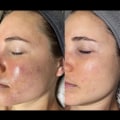
Understanding the timeline for visible results after exosome therapy is crucial for anyone considering this innovative treatment. While individual experiences may vary, there are general patterns that can help set realistic expectations.Typically, patients begin to notice initial changes within 1 to 2 weeks following their exosome therapy session. These early improvements often include enhanced skin hydration, a more radiant complexion, and a subtle reduction in the appearance of fine lines. However, these initial results are just the beginning of a more profound transformation.For more significant and noticeable changes, such as improved skin texture and tone, patients can expect to see results manifesting between 4 to 8 weeks post-treatment.During this period, the exosomes work diligently to stimulate cellular repair and regeneration, leading to enhanced collagen production and overall skin rejuvenation.It is important to note that the extent of improvement can be influenced by several factors:
- Age: As we age, our skin's natural regenerative abilities decline, which may affect how quickly and effectively it responds to exosome therapy.
- Skin Condition: The severity of existing skin issues, such as acne scars or pigmentation irregularities, can also impact the timeline for visible results.
- Aftercare: Adhering to post-treatment care instructions is vital for optimising results. This includes using sunscreen and moisturisers as recommended.
Understanding this timeline can help patients appreciate the gradual yet impactful nature of exosome therapy in achieving healthier, rejuvenated skin.
Factors Influencing the Effectiveness of Exosome Therapy
Exosome therapy has gained significant attention for its potential to rejuvenate the skin and promote healing. However, the effectiveness of this treatment can vary widely among individuals due to several influencing factors. Understanding these factors is crucial for setting realistic expectations and achieving optimal results.Age
plays a pivotal role in how well exosome therapy works. As we age, our skin undergoes various changes, including decreased collagen production, reduced elasticity, and slower cellular regeneration.
These age-related factors can impact the body’s response to exosomes. Younger individuals may experience quicker and more pronounced results due to their skin's inherent ability to heal and regenerate more efficiently. In contrast, older patients might require more sessions or a tailored approach to achieve similar outcomes.The condition of the skin prior to treatment is another critical factor. Skin that is already compromised—whether due to sun damage, acne scars, or other conditions—may respond differently compared to healthy skin.
For instance, individuals with significant pigmentation issues or deep wrinkles may notice improvements over a longer period as the exosomes work to repair and rejuvenate damaged tissues. Conversely, those with relatively healthy skin may see faster results in terms of texture and hydration.
Overall health
also influences the effectiveness of exosome therapy. Factors such as nutrition, hydration levels, and lifestyle choices can significantly affect skin health and healing capabilities. A well-balanced diet rich in vitamins and antioxidants can enhance the body’s regenerative processes, thereby improving the outcomes of exosome treatments.
Additionally, habits like smoking or excessive alcohol consumption can hinder healing and diminish results.Furthermore, genetic predispositions can affect how an individual’s skin responds to treatments. Some people may have a genetic makeup that allows for better absorption and utilisation of exosomes, leading to more effective results.In summary, while exosome therapy offers promising benefits for skin rejuvenation, its effectiveness is influenced by a combination of age, skin condition, overall health, and genetic factors. By considering these elements, patients can better understand their unique circumstances and work with their healthcare providers to optimise their treatment plans.
Comparing Exosome Therapy with Other Skin Treatments
When considering skin rejuvenation options, it is essential to understand how exosome therapy compares to other popular treatments such as dermal fillers and laser therapies. Each method has its unique advantages and potential drawbacks, making it crucial for individuals to choose the right approach based on their specific skin concerns and desired outcomes.Exosome Therapy vs.
FillersDermal fillers are commonly used to add volume to areas of the face, such as the cheeks and lips, and to smooth out wrinkles. While they provide immediate results, the effects are temporary, typically lasting from six months to a year. In contrast, exosome therapy works at a cellular level to promote natural healing and regeneration of the skin. This therapy stimulates collagen production and improves skin texture over time, leading to more sustainable results.Moreover, exosome therapy enhances overall skin health by addressing underlying issues such as inflammation and dryness, which fillers do not target.
Patients seeking long-term improvements in skin quality may find exosome therapy a more beneficial option than fillers.
Exosome Therapy vs. Laser Treatments
Laser therapies, including fractional lasers and ablative treatments, are designed to resurface the skin and treat various concerns like pigmentation, scarring, and fine lines. While these procedures can yield significant improvements in skin appearance, they often come with considerable downtime and potential side effects such as redness and swelling.On the other hand, exosome therapy offers a non-invasive alternative with minimal recovery time. The regenerative properties of exosomes help accelerate healing after laser treatments while also enhancing the results achieved through these procedures.This synergy allows patients to enjoy the benefits of both therapies without the extended downtime associated with lasers alone.
Benefits of Exosome Therapy
- Natural Healing: Exosomes facilitate the body’s innate healing processes, promoting healthier skin from within.
- Sustained Results: Unlike fillers that require regular touch-ups, exosome therapy can lead to long-lasting improvements in skin texture and tone.
- Minimal Downtime: Patients can typically resume their daily activities shortly after treatment.
- Diverse Applications: Exosome therapy is versatile and can address various concerns, including fine lines, pigmentation issues, and overall skin rejuvenation.
- Enhanced Recovery: It can be used in conjunction with other treatments to improve outcomes and reduce recovery time.
Aftercare and Maintenance for Optimal Results
After undergoing exosome therapy, it is crucial to follow a comprehensive aftercare routine to maximise the benefits of the treatment. Proper aftercare not only enhances the results but also ensures the longevity of the improvements achieved. Here are some essential guidelines to consider:Immediate Aftercare
In the first few days post-treatment, your skin may feel sensitive or slightly irritated.To aid recovery, consider the following:
- Avoid Direct Sunlight: Protect your skin from sun exposure by wearing a broad-spectrum sunscreen with at least SPF 30. This helps prevent pigmentation issues and shields your skin from harmful UV rays.
- Skip Harsh Products: Refrain from using exfoliants, retinoids, or any products containing alcohol for at least a week. These can irritate your skin and hinder the healing process.
- Hydrate: Keep your skin well-hydrated by using a gentle, hydrating moisturiser. Look for products with hyaluronic acid or ceramides to support moisture retention.
Long-Term Skincare Routine
To maintain the results of your exosome therapy, it’s essential to establish a consistent skincare routine:- Cleansing: Use a mild cleanser that does not strip your skin of its natural oils.
Cleanse twice daily to keep your skin free from impurities.
- Moisturising: Continue using a quality moisturiser to maintain hydration levels. Consider incorporating serums rich in antioxidants to combat free radicals and promote skin health.
- Sunscreen Application: Daily application of sunscreen is non-negotiable. Reapply every two hours if you are outdoors for extended periods.
Lifestyle Choices
Your lifestyle can significantly impact the effectiveness of exosome therapy results. Here are some tips to consider:- Stay Hydrated: Drink plenty of water throughout the day to keep your skin hydrated from within.
- Avoid Smoking and Excessive Alcohol: Both can accelerate skin aging and diminish the benefits of your treatment.
- Healthy Diet: Incorporate a balanced diet rich in vitamins, minerals, and antioxidants.
Foods like fruits, vegetables, nuts, and fatty fish can support skin health.
Frequently Asked Questions About Exosome Therapy for Skin
Exosome therapy is gaining traction in the field of aesthetic treatments, but many individuals still have questions about its efficacy, safety, and overall process. Below are some of the most frequently asked questions regarding exosome therapy for skin rejuvenation.What are exosomes?
Exosomes are tiny vesicles secreted by cells that play a crucial role in cell communication. They contain proteins, lipids, and genetic material that can influence the behaviour of other cells.In the context of skin therapy, exosomes derived from mesenchymal stem cells are particularly beneficial as they promote healing and regeneration.
How does exosome therapy work?
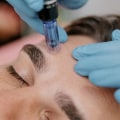
During exosome therapy, these vesicles are applied to the skin, often following procedures like microneedling. The exosomes deliver growth factors and signalling molecules that stimulate cellular repair and rejuvenation. This process enhances collagen production, improves skin texture, and reduces signs of ageing.Is exosome therapy safe?
Yes, exosome therapy is generally considered safe when performed by qualified professionals. The exosomes used in aesthetic treatments are typically sourced from human tissues such as umbilical cord or amniotic fluid, which undergo rigorous screening to ensure safety and efficacy.However, as with any medical procedure, it is essential to consult with a licensed practitioner to discuss any potential risks.
How long does it take to see results?
Most patients begin to notice improvements in their skin within 1 to 2 weeks post-treatment. However, optimal results often manifest between 6 to 8 weeks as the skin continues to regenerate and heal. For more significant changes, such as enhanced elasticity and reduced fine lines, it may take up to three months.Are there any side effects?
While side effects are minimal, some patients may experience mild redness or swelling at the treatment site. These symptoms typically resolve within a few days.It is crucial to follow aftercare instructions provided by your practitioner to minimise any potential discomfort.
How many sessions are needed for best results?
The number of sessions required can vary based on individual skin conditions and goals. Generally, a series of treatments spaced several weeks apart is recommended for optimal outcomes. Many practitioners suggest a maintenance schedule every 6 to 12 months to sustain results.In summary, exosome therapy offers a promising avenue for skin rejuvenation with minimal downtime and significant benefits. As always, thorough consultation with a qualified professional will help tailor the treatment plan to your specific needs.Conclusion: The Future of Exosome Therapy in Aesthetic Medicine
As we conclude our exploration of exosome therapy in aesthetic medicine, it is essential to reflect on the significant advancements and the promising future this innovative treatment holds.Throughout this article, we have delved into the mechanisms by which exosomes function, their role in skin rejuvenation, and the timelines associated with visible results. Understanding these aspects is crucial for prospective patients considering this cutting-edge therapy.The timeline for seeing results from exosome therapy typically ranges from a few weeks to several months, depending on individual factors such as age, skin condition, and overall health. Most patients begin to notice improvements in skin texture and hydration within 1 to 2 weeks post-treatment, with more profound changes manifesting over a period of 6 to 8 weeks. This gradual enhancement underscores the regenerative capabilities of exosomes, which work at a cellular level to stimulate healing and rejuvenation.Looking ahead, the potential applications of exosome therapy extend beyond mere aesthetic enhancements.
As research continues to unfold, we may witness its integration into various medical fields, addressing chronic conditions and promoting overall wellness. The versatility of exosomes—derived from human sources such as mesenchymal stem cells—positions them as a revolutionary tool in regenerative medicine.Moreover, as more practitioners adopt exosome therapy into their practices, patient education will become increasingly vital. Understanding the treatment process, expected outcomes, and aftercare will empower individuals to make informed decisions about their aesthetic journeys.In summary, exosome therapy represents a significant leap forward in aesthetic medicine, offering natural and effective solutions for skin rejuvenation. As we continue to explore its potential, both patients and practitioners alike should remain informed about the evolving landscape of this remarkable treatment.