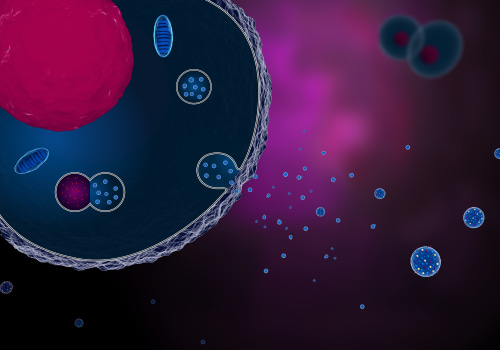
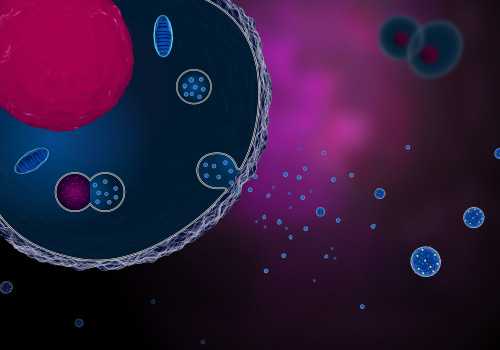
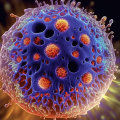
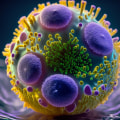
Exosomes are small extracellular vesicles, typically ranging from 30 to 150 nanometers in diameter, that play a pivotal role in intercellular communication. These vesicles are secreted by various cell types and are found in numerous biological fluids, including blood, urine, and saliva. Their discovery has opened new avenues in the field of cell biology and medicine, as they are now recognised as crucial players in the transfer of proteins, lipids, and nucleic acids between cells. This transfer is essential for maintaining cellular homeostasis and facilitating various physiological processes.The definition of exosomes can be understood through their origin and function.
They are formed within the endosomal system of cells, specifically through the inward budding of the membrane of multivesicular bodies (MVBs). When these MVBs fuse with the plasma membrane, they release exosomes into the extracellular space. This process not only allows for the removal of cellular waste but also enables cells to communicate with one another by delivering bioactive molecules that can influence the behaviour of recipient cells.Functionally, exosomes serve multiple roles in both health and disease. They are involved in immune responses, where they can modulate the activity of immune cells, thereby influencing inflammation and immune tolerance.
Additionally, exosomes have been implicated in various pathological conditions, including cancer, neurodegenerative diseases, and cardiovascular disorders. Their ability to carry specific molecular signatures makes them potential biomarkers for disease diagnosis and prognosis. Furthermore, researchers are exploring their therapeutic potential as vehicles for drug delivery, given their natural origin and ability to cross biological barriers.Understanding exosomes is fundamental for grasping their significance in regenerative medicine and therapy. As we delve deeper into their mechanisms and applications, it becomes increasingly clear that these tiny vesicles hold immense promise for advancing medical science and improving patient outcomes.
The Role of Exosomes in Regenerative Medicine
Exosomes, the nanoscale extracellular vesicles secreted by various cell types, have emerged as pivotal players in the field of regenerative medicine.Their unique ability to facilitate intercellular communication and transport bioactive molecules such as proteins, lipids, and RNAs positions them as promising therapeutic agents. This section explores the multifaceted roles of exosomes in regenerative medicine, highlighting their therapeutic potential and diverse applications.One of the most significant aspects of exosomes is their capacity to mediate tissue repair and regeneration. They are involved in various biological processes, including inflammation modulation, cell proliferation, and apoptosis regulation. For instance, exosomes derived from mesenchymal stem cells (MSCs) have been shown to enhance wound healing by promoting angiogenesis and reducing inflammation.
This makes them particularly valuable in treating chronic wounds and skin injuries.Moreover, exosomes play a crucial role in the regeneration of damaged tissues in organs such as the heart and liver. Research indicates that exosomes can improve cardiac function following myocardial infarction by delivering growth factors that stimulate cardiomyocyte survival and proliferation. Similarly, in liver diseases, exosome therapy has demonstrated potential in promoting hepatocyte regeneration and mitigating fibrosis.In addition to their regenerative capabilities, exosomes are being investigated for their role in drug delivery systems. Their natural origin allows for enhanced biocompatibility and reduced immunogenicity compared to synthetic carriers.
By encapsulating therapeutic agents within exosomes, researchers aim to improve the targeted delivery of drugs to specific tissues or cells, thereby increasing efficacy while minimising side effects.The therapeutic potential of exosomes extends beyond tissue repair; they are also being explored for their applications in neurodegenerative diseases. Exosomes derived from neural stem cells have shown promise in delivering neuroprotective factors that may slow down the progression of conditions such as Alzheimer’s disease and Parkinson’s disease.Despite the exciting prospects of exosome therapy, several challenges remain. The standardisation of exosome isolation and characterisation methods is crucial for ensuring reproducibility and safety in clinical applications. Furthermore, regulatory frameworks need to be established to guide the development and approval of exosome-based therapies.In conclusion, the role of exosomes in regenerative medicine is rapidly evolving, with ongoing research uncovering their vast therapeutic potential.
As we continue to explore their applications across various medical fields, it is essential to address the challenges associated with their use to fully realise their benefits in clinical practice.
Current Research and Developments in Exosome Therapy
Recent advancements in exosome therapy have sparked significant interest within the scientific community, leading to a surge in research aimed at understanding their therapeutic potential. Exosomes, which are nanosized extracellular vesicles secreted by various cell types, play a crucial role in intercellular communication and have emerged as promising candidates for innovative treatment strategies across a range of diseases.One of the most notable areas of research focuses on the use of exosomes derived from mesenchymal stem cells (MSCs). Studies have demonstrated that MSC-derived exosomes possess anti-inflammatory properties and can promote tissue regeneration. For instance, a recent study published in the journal Stem Cells Translational Medicine highlighted how these exosomes can enhance wound healing by modulating immune responses and promoting angiogenesis.Moreover, researchers are exploring the potential of exosomes in treating neurodegenerative diseases.A groundbreaking study in Nature Communications revealed that exosomes can facilitate the delivery of therapeutic agents across the blood-brain barrier, offering new hope for conditions such as Alzheimer’s and Parkinson’s disease. This capability underscores the versatility of exosomes as drug delivery vehicles, potentially revolutionising treatment paradigms.In oncology, exosome therapy is being investigated for its ability to inhibit tumour growth and metastasis. Recent findings suggest that exosomes derived from certain immune cells can stimulate anti-tumour immunity, making them a focal point for developing novel cancer therapies. The potential to harness these vesicles for targeted drug delivery or as biomarkers for cancer progression is an exciting avenue currently under exploration.Furthermore, advancements in exosome isolation and characterization techniques are enhancing our understanding of their biological functions.
Techniques such as ultrafiltration, size exclusion chromatography, and microfluidics are being refined to improve yield and purity, which is essential for clinical applications. As these methodologies evolve, they will facilitate more robust preclinical and clinical studies.In summary, the landscape of exosome therapy is rapidly evolving, with ongoing research revealing their multifaceted roles in regenerative medicine, neuroprotection, and oncology. As we continue to uncover the mechanisms underlying exosome function and develop innovative isolation techniques, the future holds great promise for translating these findings into effective clinical therapies.
Regulatory Landscape for Exosome Therapies
The regulatory landscape for exosome therapies is complex and evolving, reflecting the innovative nature of these treatments and the need for rigorous safety and efficacy standards. Currently, in the United States, exosome products are not FDA-approved, which raises significant concerns for both practitioners and patients regarding their use in clinical settings.Exosomes, being derived from biological materials, fall under the category of drugs and biological products as per FDA regulations.This classification necessitates that any product intended for therapeutic use undergoes a stringent pre-market review process. The absence of FDA-approved exosome therapies means that many clinics offering these treatments do so without formal regulatory oversight, which can lead to potential risks for patients.Moreover, the FDA has issued warnings about unapproved exosome products, highlighting the importance of consumer awareness regarding the claims made by some clinics. These warnings serve to protect patients from misleading information about the capabilities of exosome therapies to prevent or cure diseases.Internationally, the regulatory framework for exosome therapies varies significantly. For instance, in Japan, exosomes are classified as biological products and are subject to similar regulatory requirements as vaccines and blood products.
This classification ensures a higher level of scrutiny and safety assurance compared to other regions where regulations may be less stringent.To promote safe clinical use, organisations such as the International Society for Extracellular Vesicles have established guidelines that outline minimum information required in studies involving exosomes. These guidelines aim to standardise research practices and enhance the reliability of findings related to exosome therapies.As research progresses and more data becomes available, it is anticipated that regulatory bodies will adapt their frameworks to accommodate the unique characteristics of exosome therapies. This evolution is crucial not only for ensuring patient safety but also for fostering innovation in regenerative medicine.In conclusion, while the potential of exosome therapies is vast, navigating the regulatory landscape remains a significant challenge. Ongoing dialogue between researchers, clinicians, and regulatory agencies will be essential in shaping a future where This classification ensures a higher level of scrutiny and safety assurance compared to other regions where regulations may be less stringent.To promote safe clinical use, organisations such as the International Society for Extracellular Vesicles have established guidelines that outline minimum information required in studies involving exosomes. These guidelines aim to standardise research practices and enhance the reliability of findings related to exosome therapies.As research progresses and more data becomes available, it is anticipated that regulatory bodies will adapt their frameworks to accommodate the unique characteristics of exosome therapies. This evolution is crucial not only for ensuring patient safety but also for fostering innovation in regenerative medicine.In conclusion, while the potential of exosome therapies is vast, navigating the regulatory landscape remains a significant challenge. Ongoing dialogue between researchers, clinicians, and regulatory agencies will be essential in shaping a future where exosome-based treatments can be safely integrated into clinical practice.
Challenges and Limitations of Exosome Therapy
While the potential of exosome therapy is promising, several challenges and limitations must be addressed to fully realise its therapeutic benefits.Understanding these obstacles is crucial for researchers, clinicians, and patients alike.
1.Regulatory Hurdles
One of the most significant challenges facing exosome therapy is the regulatory landscape. Currently, there are no FDA-approved exosome products available for clinical use. This lack of approval stems from the need for rigorous testing to ensure safety and efficacy. The regulatory framework surrounding exosomes is still evolving, which can lead to uncertainty for practitioners and patients considering these treatments.
2.Standardisation Issues
The production of exosomes can vary significantly based on the source and method of extraction.
This variability can affect the quality and potency of exosome preparations, making it difficult to standardise treatments across different clinics and studies. Without standardisation, it becomes challenging to compare results from various research studies or clinical applications.
3.Limited Understanding of Mechanisms
Despite ongoing research, our understanding of the precise mechanisms by which exosomes exert their therapeutic effects remains limited. This gap in knowledge can hinder the development of targeted therapies and may lead to unpredictable outcomes in clinical settings. Further research is needed to elucidate how exosomes interact with target cells and tissues.
4.Potential Risks and Side Effects
As with any emerging therapy, there are potential risks associated with exosome treatments.
These may include:
- Immune Reactions: The introduction of foreign exosomes into the body may trigger immune responses, leading to inflammation or other adverse effects.
- Off-Target Effects: Exosomes may interact with unintended cells or tissues, potentially causing harmful side effects.
- Biodistribution Challenges: The distribution of exosomes within the body can be unpredictable, affecting their therapeutic efficacy.
5.Ethical Considerations
The use of biological materials in exosome therapy raises ethical questions regarding sourcing and consent, particularly when derived from human tissues. Ensuring ethical practices in obtaining these materials is essential for maintaining public trust in regenerative medicine.In conclusion, while exosome therapy holds great promise for treating various conditions, addressing these challenges is vital for advancing this field. Continued research, regulatory clarity, and ethical considerations will play crucial roles in shaping the future landscape of exosome-based treatments.
Future Directions: What Lies Ahead for Exosome Therapy?
As we look towards the future of exosome therapy, it is essential to consider the myriad of possibilities that lie ahead. The field of regenerative medicine is rapidly evolving, and exosomes are at the forefront of this transformation.With ongoing research and technological advancements, we can anticipate several key trends and breakthroughs that may redefine therapeutic approaches.
1.Enhanced Understanding of Exosome Biology
One of the most promising directions for exosome therapy is a deeper understanding of their biological functions. As researchers continue to unravel the complexities of exosome biogenesis, composition, and mechanisms of action, we may discover novel therapeutic targets. This knowledge could lead to the development of more effective exosome-based treatments tailored to specific diseases.
2.Standardisation and Regulatory Frameworks
The establishment of robust regulatory frameworks will be crucial for the advancement of exosome therapies. As the FDA and other regulatory bodies develop guidelines for the approval of exosome products, we can expect a surge in clinical trials aimed at validating their efficacy and safety.
This standardisation will not only enhance public trust but also facilitate broader acceptance within the medical community.
3.Innovations in Delivery Systems
Future research may also focus on improving delivery systems for exosome therapies. Current methods often face challenges related to biodistribution and cellular uptake. Innovations such as targeted delivery mechanisms or combination therapies with nanoparticles could significantly enhance the therapeutic potential of exosomes, ensuring they reach their intended sites of action more effectively.
4.Expansion into Diverse Therapeutic Areas
While current applications of exosome therapy are primarily focused on regenerative medicine, there is potential for expansion into various therapeutic areas, including oncology, neurology, and cardiovascular diseases. The ability of exosomes to modulate immune responses and facilitate intercellular communication positions them as versatile agents in treating a wide range of conditions.
5.Personalised Medicine Approaches
The future may also see a shift towards personalised medicine in exosome therapy.
By harnessing patient-specific exosomes derived from their own cells, clinicians could develop tailored treatments that maximise efficacy while minimising adverse effects. This approach could revolutionise how we treat chronic diseases and improve patient outcomes.In conclusion, the future of exosome therapy is filled with potential breakthroughs that could transform medical practice. As research progresses and our understanding deepens, we can expect to see innovative applications that not only enhance treatment efficacy but also pave the way for new therapeutic paradigms in healthcare.
Frequently Asked Questions about Exosome Therapy
As interest in exosome therapy continues to grow, many individuals have questions regarding its applications, safety, and efficacy. Below are some of the most frequently asked questions about exosome therapy that can help clarify common concerns.What are exosomes?
Exosomes are small extracellular vesicles that are secreted by various cell types.They play a crucial role in cell communication and can carry proteins, lipids, and nucleic acids from one cell to another. This ability to transfer molecular information makes them a focal point in regenerative medicine and therapeutic applications.
How is exosome therapy administered?
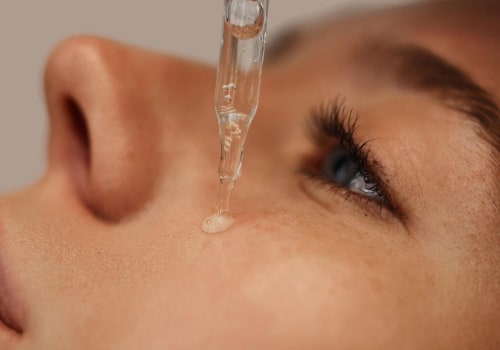
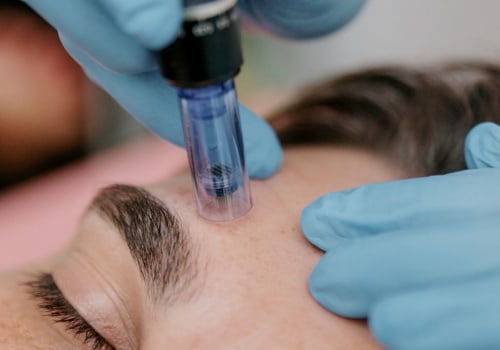
Exosome therapy can be administered through various methods, including injections directly into the affected area or intravenously. The method of administration often depends on the condition being treated and the specific formulation of the exosome product.Is exosome therapy safe?
While exosome therapy shows promise, it is essential to note that it is not yet FDA-approved for general use. Safety profiles are still being established through ongoing clinical trials.Patients should consult with healthcare professionals to understand the potential risks and benefits before undergoing treatment.
What conditions can exosome therapy potentially treat?
Research indicates that exosome therapy may be beneficial for a variety of conditions, including:- Orthopedic injuries
- Neurological disorders
- Skin rejuvenation
- Wound healing
- Cardiovascular diseases
Are there any side effects associated with exosome therapy?
As with any medical treatment, there may be side effects. Commonly reported side effects include mild swelling or discomfort at the injection site. However, comprehensive studies are needed to fully understand the long-term effects and any potential adverse reactions.How do I choose a clinic for exosome therapy?
When selecting a clinic for exosome therapy, it is crucial to consider the following factors:- The clinic's reputation and reviews from previous patients.
- The qualifications and experience of the medical staff.
- The source and quality of the exosomes used in treatments.
- The clinic's adherence to safety protocols and regulatory guidelines.
Conclusion: The Promise of Exosome Therapy in Modern Medicine
In conclusion, the exploration of exosome therapy represents a significant frontier in modern medicine, offering a wealth of potential for treating a variety of conditions. Throughout this article, we have delved into the multifaceted roles that exosomes play in cellular communication and their therapeutic applications, particularly in regenerative medicine.The promise of exosome therapy lies not only in its ability to facilitate healing and regeneration but also in its potential to revolutionise treatment paradigms for chronic diseases.As we have discussed, exosomes are pivotal in mediating intercellular interactions, which can lead to enhanced tissue repair and reduced inflammation. This is particularly relevant for conditions such as osteoarthritis, cardiovascular diseases, and even neurodegenerative disorders.However, it is crucial to acknowledge the current regulatory landscape surrounding exosome products. While the FDA has yet to approve any exosome-based therapies, ongoing research and clinical trials are paving the way for future advancements. The establishment of clear guidelines and regulatory frameworks will be essential in ensuring the safety and efficacy of these treatments.Moreover, as we look towards the future, it is imperative that researchers continue to investigate the mechanisms by which exosomes exert their effects.
Understanding these pathways will not only enhance our knowledge but also improve the design of clinical trials aimed at evaluating their therapeutic potential.In summary, while challenges remain in the path towards widespread adoption of exosome therapy, the potential benefits are undeniable. As we continue to unravel the complexities of exosomes and their applications in medicine, it is vital for both the scientific community and regulatory bodies to collaborate closely. This partnership will ultimately foster innovation and lead to breakthroughs that could transform patient care.As we stand on the brink of this exciting new era in medicine, further exploration into exosome therapy is not just encouraged; it is essential. The future holds great promise for these tiny vesicles, and with continued research and development, we may soon witness their full potential realised in clinical practice.