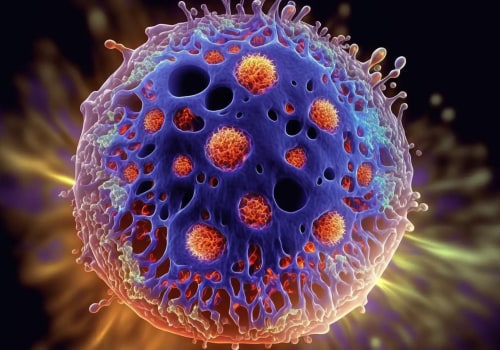
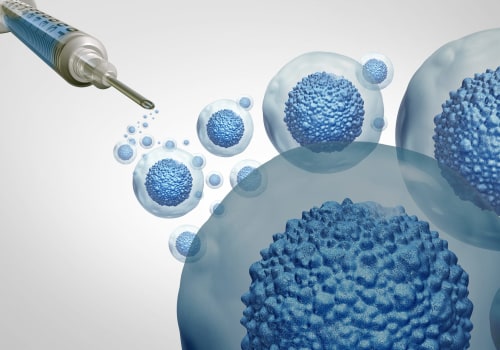
Exosomes are fascinating extracellular vesicles that play a pivotal role in intercellular communication. These tiny, membrane-bound particles, typically ranging from 30 to 150 nanometres in diameter, are secreted by various cell types and are found in numerous biological fluids, including blood, urine, and saliva. Their discovery has opened new avenues in the field of regenerative medicine , as they are now recognised for their significant role in mediating cellular processes and influencing the behaviour of recipient cells.Originating from the endosomal system of cells, exosomes are formed when multivesicular bodies (MVBs) fuse with the plasma membrane, releasing their contents into the extracellular space. This process is not merely a passive release; rather, it is a highly regulated mechanism that allows cells to package and transport proteins, lipids, and nucleic acids.
The composition of exosomes can vary significantly depending on the cell type from which they are derived, making them unique carriers of molecular information that can reflect the physiological state of their parent cells.The functions of exosomes are diverse and multifaceted. They facilitate cell-to-cell communication by transferring bioactive molecules that can modulate various biological processes such as immune responses, inflammation, and tissue repair. For instance, exosomes derived from stem cells have been shown to promote healing in damaged tissues by enhancing cell proliferation and migration. Additionally, they play a crucial role in the pathogenesis of diseases, including cancer, where they can influence tumour growth and metastasis by altering the microenvironment.Understanding the fundamental aspects of exosomes is essential for appreciating their potential therapeutic applications.
As research continues to unveil their intricate roles in health and disease, exosomes are emerging as promising candidates for innovative treatment strategies aimed at harnessing their natural capabilities for regenerative purposes.
The Science Behind Exosome Therapies
Exosomes are small extracellular vesicles, typically ranging from 30 to 150 nanometres in diameter, that play a crucial role in intercellular communication. They are secreted by various cell types and contain a complex mixture of proteins, lipids, and nucleic acids, which can influence the behaviour of recipient cells. Understanding the mechanisms by which exosomes operate is essential for harnessing their therapeutic potential.One of the primary functions of exosomes is to facilitate cell communication. They act as vehicles for transferring molecular signals between cells, thereby influencing numerous biological processes.For instance, exosomes can carry growth factors, cytokines, and microRNAs that modulate gene expression in target cells. This ability to convey information allows exosomes to play a pivotal role in tissue repair and regeneration.In the context of regenerative medicine , exosomes derived from stem cells have garnered significant attention. These exosomes are believed to promote healing by:
- Enhancing Cell Proliferation: Exosomes can stimulate the proliferation of various cell types, including fibroblasts and endothelial cells, which are essential for tissue repair.
- Modulating Inflammation: Exosomal contents can help regulate inflammatory responses, reducing excessive inflammation that may hinder healing.
- Promoting Angiogenesis: The formation of new blood vessels is critical for supplying nutrients and oxygen to healing tissues. Exosomes can release factors that encourage angiogenesis.
- Facilitating Extracellular Matrix (ECM) Remodelling: Exosomes contribute to the synthesis and remodelling of the ECM, which provides structural support to tissues.
For example, exosomes derived from mesenchymal stem cells (MSCs) have been shown to possess unique properties that enhance their regenerative capabilities. Research indicates that these MSC-derived exosomes can significantly improve outcomes in conditions such as osteoarthritis and myocardial infarction.Moreover, the mechanisms through which exosomes exert their effects involve complex signalling pathways. Upon uptake by recipient cells, exosomal contents can activate specific receptors or pathways that lead to changes in cellular behaviour. This intricate interplay underscores the potential of exosome therapies in treating a variety of diseases.In summary, the science behind exosome therapies lies in their ability to mediate communication between cells and promote regenerative processes. For example, exosomes derived from mesenchymal stem cells (MSCs) have been shown to possess unique properties that enhance their regenerative capabilities. Research indicates that these MSC-derived exosomes can significantly improve outcomes in conditions such as osteoarthritis and myocardial infarction.Moreover, the mechanisms through which exosomes exert their effects involve complex signalling pathways. Upon uptake by recipient cells, exosomal contents can activate specific receptors or pathways that lead to changes in cellular behaviour. This intricate interplay underscores the potential of exosome therapies in treating a variety of diseases.In summary, the science behind exosome therapies lies in their ability to mediate communication between cells and promote regenerative processes.
As research continues to unveil the complexities of exosome biology, we may see an expansion in their therapeutic applications across multiple medical fields.
Applications of Exosome Therapies in Medicine
Exosome therapies are emerging as a transformative approach across various medical fields, showcasing their potential in regenerative medicine, oncology, and dermatology. These tiny vesicles, which facilitate intercellular communication, are being harnessed to address a range of health conditions.Orthopaedics
In orthopaedics, exosome therapy is gaining traction for its ability to enhance tissue repair and regeneration. Studies have indicated that exosomes derived from mesenchymal stem cells (MSCs) can significantly promote healing in musculoskeletal injuries. For instance, exosomes have been shown to stimulate the proliferation and differentiation of chondrocytes, the cells responsible for cartilage formation.This application is particularly promising for patients suffering from osteoarthritis or cartilage damage, where traditional treatments may fall short.
Oncology
In the realm of oncology, exosomes are being explored for their role in cancer treatment and diagnosis. Tumour-derived exosomes can provide valuable insights into the tumour microenvironment and help in monitoring disease progression. Moreover, researchers are investigating the potential of using exosomes as vehicles for targeted drug delivery. By encapsulating chemotherapeutic agents within exosomes, it may be possible to enhance the efficacy of treatments while minimising side effects.This targeted approach could revolutionise how we treat various cancers.
Dermatology
Exosome therapy is also making waves in dermatology, particularly in skin rejuvenation and wound healing. Exosomes derived from stem cells have been shown to promote collagen synthesis and improve skin elasticity. Clinical applications include treating conditions such as acne scars, wrinkles, and other signs of ageing. The regenerative properties of exosomes can accelerate wound healing by enhancing cellular migration and proliferation at the injury site.As research continues to unfold, the versatility of exosome therapies becomes increasingly evident.Their applications span multiple disciplines, offering hope for innovative treatments that could significantly improve patient outcomes across a variety of medical conditions.
Current Research and Clinical Trials on Exosome Therapies
Recent advancements in the field of exosome therapies have sparked significant interest among researchers and clinicians alike. Numerous studies are currently underway, exploring the potential applications of exosomes in various medical conditions, including cancer, neurodegenerative diseases, and cardiovascular disorders.One of the most promising areas of research involves the use of exosomes derived from mesenchymal stem cells (MSCs). These exosomes are believed to possess regenerative properties that can aid in tissue repair and modulate immune responses. For instance, a recent clinical trial investigated the efficacy of MSC-derived exosomes in patients with chronic obstructive pulmonary disease (COPD).Preliminary results indicated improvements in lung function and a reduction in inflammation, suggesting that exosome therapy could offer a novel approach to managing this debilitating condition.
Ongoing Clinical Trials
As of now, several clinical trials are actively recruiting participants to evaluate the safety and effectiveness of exosome therapies. One notable trial is examining the use of exosomes for treating diabetic foot ulcers. Researchers aim to determine whether these vesicles can enhance wound healing by promoting angiogenesis and collagen synthesis. Early findings from pilot studies have shown that patients receiving exosome treatments experienced faster healing times compared to those receiving standard care.Another area of focus is the application of exosomes in oncology.A study is currently assessing the role of exosome-based therapies in patients with metastatic breast cancer. The goal is to evaluate whether these therapies can improve patient outcomes by delivering targeted therapeutic agents directly to cancer cells while minimising side effects associated with traditional chemotherapy.
Latest Research Findings
In addition to clinical trials, numerous preclinical studies have provided insights into the mechanisms by which exosomes exert their effects. Research has demonstrated that exosomes can transfer bioactive molecules such as proteins, lipids, and RNAs between cells, facilitating intercellular communication. This property is particularly relevant in cancer research, where tumour-derived exosomes have been shown to promote metastasis by altering the behaviour of surrounding healthy cells.Furthermore, studies have highlighted the potential of exosomes as diagnostic tools.Their presence in bodily fluids such as blood and urine makes them ideal candidates for non-invasive biomarkers. Recent investigations have identified specific exosomal signatures associated with various diseases, paving the way for early detection and personalised treatment strategies.In conclusion, the landscape of exosome research is rapidly evolving, with ongoing clinical trials and emerging findings promising to reshape our understanding of regenerative medicine. As more data becomes available, it is crucial for both clinicians and patients to stay informed about these developments, as they may soon lead to groundbreaking therapeutic options.
Regulatory Landscape Surrounding Exosome Therapies
The regulatory landscape surrounding exosome therapies is complex and evolving, reflecting the innovative nature of these treatments and the need for stringent safety measures. As exosomes are derived from living cells, their use in medical applications raises significant regulatory questions, particularly regarding their classification and approval processes.In the United States, the Food and Drug Administration (FDA) plays a crucial role in overseeing the development and application of exosome therapies.Currently, exosomes are classified as biological products, which means they are subject to rigorous regulatory scrutiny. This classification requires that any product intended for human use must undergo extensive testing to demonstrate its safety and efficacy before receiving FDA approval.One of the primary challenges in regulating exosome therapies is the variability in their composition. Exosomes can differ significantly based on their source—whether derived from human, animal, or plant cells—and this variability can impact their therapeutic effects. Consequently, the FDA mandates that manufacturers provide comprehensive data on the source, processing methods, and biological activity of exosomes to ensure consistent quality and safety.Moreover, the legal status of exosome treatments varies across different jurisdictions.
In some countries, regulations may be more lenient, allowing for broader use of exosome therapies without extensive clinical trials. However, this can lead to potential risks for patients if treatments are not adequately vetted for safety and effectiveness.In the UK, the Medicines and Healthcare products Regulatory Agency (MHRA) oversees similar regulations. The MHRA requires that any exosome-based treatment must comply with strict guidelines to ensure patient safety. This includes ensuring that all products are free from contaminants and that they meet specific manufacturing standards.As research into exosome therapies continues to advance, it is essential for both practitioners and patients to stay informed about the latest regulatory developments.
Understanding these regulations not only helps in navigating the complexities of treatment options but also ensures that patients receive safe and effective care.In conclusion, while the potential of exosome therapies is vast, navigating the regulatory landscape is critical for their successful implementation in clinical practice. Ongoing dialogue between researchers, regulatory bodies, and healthcare providers will be vital in shaping a framework that supports innovation while prioritising patient safety.
Safety and Risks Associated with Exosome Treatments
As the field of regenerative medicine continues to evolve, exosome therapies have emerged as a promising avenue for treatment. However, it is essential to address the safety and potential risks associated with these therapies to ensure that patients can make informed decisions.Exosomes, which are nanosized vesicles secreted by cells, play a crucial role in intercellular communication. While they hold great therapeutic potential, their use is not without risks.The safety of exosome treatments largely depends on several factors, including the source of the exosomes, the method of administration, and the overall health of the patient.
Potential Risks of Exosome Treatments
- Allergic Reactions: Some patients may experience allergic reactions to components within exosome preparations. Symptoms can range from mild irritation to severe anaphylaxis.
- Infections: If exosomes are not processed in a sterile environment, there is a risk of introducing pathogens into the body, leading to infections.
- Inflammation: The introduction of exosomes can sometimes trigger an inflammatory response at the injection site, causing discomfort and swelling.
- Unknown Long-term Effects: As exosome therapy is still relatively new, there is limited data on the long-term effects of these treatments. Patients should be aware that unforeseen complications may arise over time.
This dialogue can help identify potential risks and tailor treatments to individual needs.In conclusion, while exosome therapies offer exciting possibilities in regenerative medicine, understanding the associated risks is vital. By prioritising safety and informed decision-making, patients can navigate this innovative treatment landscape with greater confidence.
Future Perspectives: The Promise of Exosome Therapies
The future of exosome therapies holds immense promise, particularly in the realm of regenerative medicine. As research continues to evolve, we can anticipate significant advancements that may transform how we approach various medical conditions. The potential applications of exosomes are vast, ranging from targeted drug delivery systems to innovative treatments for chronic diseases.One of the most exciting prospects is the development of exosome-based therapies tailored for specific diseases.For instance, researchers are exploring the use of exosomes derived from stem cells to treat neurodegenerative disorders such as Alzheimer’s and Parkinson’s disease. These therapies could potentially facilitate the repair of damaged neural tissues and promote neuroprotection, offering hope to millions affected by these debilitating conditions.Moreover, advancements in exosome isolation and characterization techniques are likely to enhance our understanding of their biological functions. Improved methods for extracting and purifying exosomes will enable researchers to study their molecular contents more effectively, leading to the identification of novel biomarkers for disease diagnosis and prognosis. This could pave the way for personalized medicine approaches, where treatments are tailored based on an individual’s unique exosomal profile.In addition, the integration of nanotechnology with exosome research is expected to yield groundbreaking results.
By engineering exosomes to carry therapeutic agents or genetic material, scientists can create highly efficient delivery systems that target specific cells or tissues. This precision medicine approach could significantly reduce side effects associated with conventional therapies while enhancing treatment efficacy.Furthermore, as regulatory frameworks evolve, we may see a shift towards the clinical application of exosome therapies. Regulatory bodies are beginning to recognize the potential of these treatments, which could lead to expedited approval processes for safe and effective exosome-based products. This shift would not only accelerate research but also increase accessibility for patients seeking innovative treatment options.In conclusion, the future of exosome therapies is bright, with ongoing research poised to unlock new possibilities in regenerative medicine.
As we continue to explore the multifaceted roles of exosomes in health and disease, we can expect a wave of innovations that may redefine therapeutic strategies and improve patient outcomes across various medical fields.
Frequently Asked Questions about Exosomes and Their Therapies
As the field of regenerative medicine continues to evolve, many individuals have questions about exosomes and their therapeutic applications. Below are some of the most frequently asked questions that can help clarify common misconceptions and provide valuable insights into this promising area of research.What are exosomes?
Exosomes are small extracellular vesicles, typically ranging from 30 to 150 nanometers in diameter, that are secreted by various cell types. They play a crucial role in intercellular communication by transporting proteins, lipids, and nucleic acids between cells. This ability to transfer molecular signals makes exosomes a focal point in research for therapeutic applications.How are exosomes used in therapy?
Exosome therapies harness the natural properties of these vesicles to promote healing and regeneration in damaged tissues.They can be derived from stem cells or other cell types and are believed to facilitate tissue repair by enhancing cell proliferation, reducing inflammation, and promoting angiogenesis (the formation of new blood vessels). Current research is exploring their use in treating conditions such as osteoarthritis, cardiovascular diseases, and neurodegenerative disorders.
Are exosome therapies safe?
While exosome therapies show great promise, it is essential to note that they are still largely experimental and not yet approved by regulatory bodies like the FDA for widespread clinical use. Safety largely depends on the source of the exosomes, the method of administration, and the overall health of the patient. It is crucial to seek treatment from qualified professionals who adhere to safety protocols.What are common misconceptions about exosomes?
- Misconception 1: All exosome therapies are the same.
- Misconception 2: Exosomes can cure diseases instantly.
- Misconception 3: Exosome treatments are completely risk-free.
Each treatment varies based on the source of exosomes and the specific condition being addressed. Moreover, while they hold potential, results may take time and vary among individuals.In conclusion, as research progresses, it is essential to stay informed about exosomes and their therapeutic potential while also recognising the importance of regulatory oversight and clinical validation.
Conclusion: The Future of Exosome Therapies in Medicine
As we draw our exploration of exosome therapies to a close, it is essential to reflect on the remarkable potential these tiny vesicles hold for the future of medicine. Throughout this article, we have delved into the multifaceted roles that exosomes play in regenerative medicine, drug delivery, and diagnostics. Their ability to facilitate intercellular communication and promote tissue repair positions them as a promising avenue for treating a variety of conditions.However, while the prospects are exciting, it is crucial to acknowledge the current limitations and challenges that accompany exosome therapies.The lack of FDA approval for many exosome-based treatments underscores the necessity for rigorous research and clinical trials to establish their safety and efficacy. As highlighted, the quality of exosomes is paramount; their therapeutic effects can vary significantly depending on their source and preparation methods.Moreover, the regulatory landscape surrounding exosome therapies is still evolving. It is imperative for researchers and practitioners to adhere to established guidelines and ensure that any treatments offered are compliant with regulatory standards. This not only safeguards patient health but also fosters trust in emerging therapies.In conclusion, the future of exosome therapies in medicine appears bright, yet it is intertwined with the need for continued investigation and validation.
As we advance our understanding of these biological entities, we may unlock new treatment paradigms that could revolutionise patient care. The journey towards integrating exosome therapies into mainstream medical practice will require collaboration among scientists, clinicians, and regulatory bodies to ensure that these innovations are both safe and effective.Ultimately, as research progresses and more data becomes available, we may witness a paradigm shift in how we approach treatment for various diseases. The potential of exosomes is vast, and with careful stewardship, they could become a cornerstone of future therapeutic strategies.