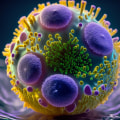
Exosomes are small extracellular vesicles, typically ranging from 30 to 150 nanometers in diameter, that play a crucial role in intercellular communication. They are secreted by various cell types, including cancer cells, and contain a complex array of biomolecules such as proteins, lipids, and nucleic acids. This unique composition allows exosomes to reflect the physiological state of their parent cells, making them invaluable in the context of cancer research. As our understanding of exosome biology deepens, their potential as biomarkers for cancer diagnosis and prognosis becomes increasingly evident.The clinical significance of exosomes lies in their ability to provide insights into the molecular landscape of tumours.
They can carry specific genetic material, such as microRNAs and long non-coding RNAs, which can influence tumour behaviour and response to treatment. For instance, the presence of certain exosomal miRNAs has been associated with various cancer types, offering a non-invasive means to monitor disease progression and therapeutic efficacy. This is particularly important in cancers where traditional biopsy methods may be invasive or impractical.Moreover, exosomes can facilitate the transfer of oncogenic signals between cells within the tumour microenvironment, thereby promoting cancer progression and metastasis. Their role in mediating communication between tumour cells and surrounding stromal or immune cells highlights their potential as targets for therapeutic intervention. They can carry specific genetic material, such as microRNAs and long non-coding RNAs, which can influence tumour behaviour and response to treatment. For instance, the presence of certain exosomal miRNAs has been associated with various cancer types, offering a non-invasive means to monitor disease progression and therapeutic efficacy. This is particularly important in cancers where traditional biopsy methods may be invasive or impractical.Moreover, exosomes can facilitate the transfer of oncogenic signals between cells within the tumour microenvironment, thereby promoting cancer progression and metastasis. Their role in mediating communication between tumour cells and surrounding stromal or immune cells highlights their potential as targets for therapeutic intervention.
By harnessing the information carried by exosomes, researchers aim to develop innovative diagnostic tools that could lead to earlier detection of cancer and more tailored treatment strategies.In summary, exosomes represent a promising frontier in cancer research. Their ability to serve as biomarkers not only enhances our understanding of cancer biology but also opens new avenues for clinical applications. As we continue to explore the intricate relationship between exosomes and cancer, it is clear that these vesicles hold significant promise for improving patient outcomes through enhanced diagnostic and therapeutic approaches.
Understanding Exosomes: Biogenesis and Composition
Exosomes are a subtype of extracellular vesicles (EVs) that play a pivotal role in intercellular communication, particularly in the context of cancer biology. Understanding the biogenesis of exosomes is essential for elucidating their functions and potential as biomarkers in cancer diagnostics and therapeutics.Biogenesis of Exosomes
The formation of exosomes involves a complex multi-step process that begins with the inward budding of the plasma membrane, leading to the creation of early endosomes.
These early endosomes can mature into late endosomes or multivesicular bodies (MVBs). During this maturation process, intraluminal vesicles (ILVs) are formed within the MVBs. Eventually, MVBs can either fuse with lysosomes for degradation or be transported to the plasma membrane, where they release their ILVs into the extracellular space as exosomes.This biogenesis is regulated by various molecular mechanisms, including the Endosomal Sorting Complex Required for Transport (ESCRT) machinery, which plays a crucial role in the sorting and packaging of cargo into ILVs. Additionally, lipid rafts and tetraspanin proteins contribute to the stability and functionality of exosomes during their formation and release.
Composition of Exosomes
Exosomes are rich in a diverse array of molecular components that reflect their cellular origin.
They typically contain:
- Proteins: These include membrane proteins, cytosolic proteins, and proteins involved in signaling pathways. Notably, exosomal proteins can serve as potential biomarkers for various cancers.
- Nucleic Acids: Exosomes carry various types of RNA, including messenger RNA (mRNA), microRNA (miRNA), and long non-coding RNA (lncRNA). These nucleic acids can influence gene expression in recipient cells and play significant roles in cancer progression.
- Lipids: The lipid bilayer of exosomes not only maintains their structural integrity but also participates in cell signaling. Specific lipid compositions can indicate pathological states and may serve as biomarkers for cancer.
- Metabolites: Exosomes can also encapsulate metabolites that reflect the metabolic state of their parent cells, providing insights into tumor metabolism.
Their ability to encapsulate and protect molecular cargo from degradation enhances their potential as diagnostic tools and therapeutic agents.
Exosomes as Biomarkers: Diagnostic and Prognostic Potential
Exosomes have emerged as a promising avenue for cancer diagnostics and prognostics, primarily due to their unique ability to encapsulate and transport a variety of biomolecules, including proteins, lipids, and nucleic acids. These extracellular vesicles are secreted by various cell types, including cancer cells, and reflect the physiological state of their cells of origin. This characteristic makes exosomes particularly valuable as biomarkers in the context of cancer.Numerous studies have demonstrated the diagnostic potential of exosomal biomarkers across different cancer types. For instance, research has shown that exosomal microRNA (miRNA) profiles can distinguish between malignant and benign conditions with high sensitivity and specificity.A notable study reported an area under the curve (AUC) of 0.927 for exosomal miRNA-21 in diagnosing non-small cell lung cancer (NSCLC), underscoring the potential of these biomarkers in early detection.Moreover, exosomes derived from specific tumour types can provide insights into disease progression and treatment response. For example, the presence of certain long non-coding RNAs (lncRNAs) within exosomes has been linked to poor prognosis in gastric cancer patients. The lncRNA RP5-977B1 has been identified as a minimally invasive biomarker for NSCLC diagnosis and prognosis, highlighting the role of exosomal content in reflecting tumour dynamics.In addition to their diagnostic capabilities, exosomal biomarkers also hold promise for prognostic applications. By analysing the molecular cargo of exosomes, clinicians can gain insights into tumour behaviour and patient outcomes. A notable study reported an area under the curve (AUC) of 0.927 for exosomal miRNA-21 in diagnosing non-small cell lung cancer (NSCLC), underscoring the potential of these biomarkers in early detection.Moreover, exosomes derived from specific tumour types can provide insights into disease progression and treatment response. For example, the presence of certain long non-coding RNAs (lncRNAs) within exosomes has been linked to poor prognosis in gastric cancer patients. The lncRNA RP5-977B1 has been identified as a minimally invasive biomarker for NSCLC diagnosis and prognosis, highlighting the role of exosomal content in reflecting tumour dynamics.In addition to their diagnostic capabilities, exosomal biomarkers also hold promise for prognostic applications. By analysing the molecular cargo of exosomes, clinicians can gain insights into tumour behaviour and patient outcomes.
For instance, studies have indicated that specific protein markers within exosomes correlate with treatment resistance and disease recurrence, providing valuable information for tailoring therapeutic strategies.Despite these advancements, challenges remain in the clinical application of exosomal biomarkers. The heterogeneity of cancer types and the complexity of exosome biogenesis can complicate the standardisation of diagnostic tests. Furthermore, isolating exosomes from biological fluids requires sophisticated techniques to ensure purity and accuracy.Nevertheless, ongoing research continues to refine methods for utilising exosomes in clinical settings. As our understanding of their biology deepens, it is likely that exosomal biomarkers will play an increasingly integral role in cancer diagnosis and prognosis, paving the way for more personalised treatment approaches.
Mechanisms of Exosome-Mediated Intercellular Communication in Cancer
Exosomes play a pivotal role in facilitating intercellular communication within the complex landscape of the tumor microenvironment.These nanoscale extracellular vesicles are secreted by various cell types, including cancer cells, stromal cells, and immune cells, and they carry a diverse array of molecular cargo, such as proteins, lipids, and nucleic acids. This cargo is crucial for mediating communication between cells and influencing cancer progression.One of the primary mechanisms by which exosomes contribute to cancer progression is through the transfer of bioactive molecules that can alter the behaviour of recipient cells. For instance, exosomes derived from tumor cells can deliver oncogenic proteins and microRNAs to surrounding normal cells, promoting a pro-tumorigenic environment. This process can lead to enhanced cell proliferation, migration, and invasion, thereby facilitating the spread of cancer.Moreover, exosomes are instrumental in shaping the tumor microenvironment.
They can modulate the activity of immune cells, either by promoting immune evasion or by enhancing anti-tumor responses. For example, exosomal proteins can induce immunosuppressive pathways in T cells or dendritic cells, allowing tumor cells to escape immune surveillance. Conversely, some exosomes may carry signals that activate immune responses against tumors, highlighting their dual role in cancer biology.The ability of exosomes to influence therapy resistance is another critical aspect of their function in cancer. Tumor-derived exosomes can transfer resistance-associated factors to neighboring cancer cells or even distant sites within the body.
This transfer can result in altered drug metabolism or enhanced survival pathways that enable cancer cells to withstand therapeutic interventions. As a result, understanding the mechanisms behind exosome-mediated communication is essential for developing effective treatment strategies.In summary, exosomes serve as vital mediators of communication within the tumor microenvironment, influencing various aspects of cancer progression and therapy resistance. Their capacity to transfer molecular information between cells underscores their potential as biomarkers and therapeutic targets in oncology.
Challenges in Utilizing Exosomes as Clinical Biomarkers
The clinical application of exosomal biomarkers in cancer diagnosis and treatment presents several significant challenges that must be addressed to harness their full potential. One of the primary issues is the heterogeneity observed among different cancer types.Each cancer can exhibit unique exosomal profiles, influenced by factors such as the tumor microenvironment, genetic mutations, and the stage of disease. This variability complicates the standardisation of exosomal biomarkers across various malignancies, making it difficult to establish universally applicable diagnostic criteria.Moreover, the isolation and characterization of exosomes pose additional hurdles. The current methods for isolating exosomes, such as ultracentrifugation, precipitation, and size-exclusion chromatography, often yield low quantities of exosomes and may introduce contaminants that affect downstream analyses. These contaminants can include proteins and other extracellular vesicles that may obscure the specific signals associated with cancerous exosomes.
Consequently, achieving high purity and yield is crucial for accurate biomarker identification.Another challenge lies in the complexity of exosomal content. Exosomes carry a diverse array of molecular cargo, including proteins, lipids, and nucleic acids. This complexity necessitates advanced analytical techniques to decipher their contents accurately. Current technologies may not be sufficiently sensitive or specific to detect low-abundance biomarkers within the exosomal cargo, leading to potential false negatives or positives in clinical settings.Furthermore, the dynamic nature of exosome release from cells can vary significantly based on external stimuli such as hypoxia or therapeutic interventions.
This variability can result in fluctuating biomarker levels that complicate the interpretation of results over time. For instance, a biomarker that is indicative of disease progression at one point may not hold the same significance later due to changes in the tumor environment or treatment response.Lastly, there are regulatory and logistical challenges associated with implementing exosomal biomarkers in clinical practice. The need for rigorous validation through clinical trials is paramount to ensure that these biomarkers provide reliable diagnostic and prognostic information. However, the path from discovery to clinical application can be lengthy and fraught with obstacles, including funding limitations and the need for multidisciplinary collaboration among researchers, clinicians, and regulatory bodies.In summary, while exosomes hold great promise as biomarkers in cancer management, addressing these challenges is essential for their successful integration into clinical practice.
Continued research efforts aimed at improving isolation techniques, enhancing analytical methods, and understanding the biological variability of exosomes will be critical in overcoming these barriers.
Current Research and Clinical Trials Involving Exosomal Biomarkers
Recent advancements in the field of oncology have highlighted the potential of exosomal biomarkers as pivotal tools in cancer diagnosis and treatment monitoring. Numerous clinical trials are currently underway, focusing on the efficacy of exosomes in various cancer types, including lung, breast, and prostate cancers.One notable area of research involves the use of exosomal microRNAs (miRNAs) as diagnostic markers. For instance, a clinical trial investigating the role of exosomal miRNA-21 in non-small cell lung cancer (NSCLC) has shown promising results, with an area under the curve (AUC) of 0.927 for distinguishing between cancerous and non-cancerous tissues. This suggests that exosomal miRNAs could serve as reliable biomarkers for early detection and prognosis.Moreover, studies are exploring the potential of exosomes to monitor treatment responses.A recent trial assessed the changes in exosomal protein profiles in patients undergoing chemotherapy for breast cancer. The findings indicated that specific protein markers within exosomes correlated with treatment efficacy, providing a non-invasive method to evaluate therapeutic outcomes.In addition to diagnostic applications, researchers are investigating the therapeutic potential of exosomes. Some trials are examining engineered exosomes designed to deliver therapeutic agents directly to tumour sites, enhancing treatment specificity while minimising side effects. This innovative approach could revolutionise cancer therapy by utilising the natural properties of exosomes to improve drug delivery systems.Despite these advancements, challenges remain in standardising exosome isolation and characterisation methods across different studies. A recent trial assessed the changes in exosomal protein profiles in patients undergoing chemotherapy for breast cancer. The findings indicated that specific protein markers within exosomes correlated with treatment efficacy, providing a non-invasive method to evaluate therapeutic outcomes.In addition to diagnostic applications, researchers are investigating the therapeutic potential of exosomes. Some trials are examining engineered exosomes designed to deliver therapeutic agents directly to tumour sites, enhancing treatment specificity while minimising side effects. This innovative approach could revolutionise cancer therapy by utilising the natural properties of exosomes to improve drug delivery systems.Despite these advancements, challenges remain in standardising exosome isolation and characterisation methods across different studies.
Variability in protocols can lead to inconsistent results, complicating the interpretation of data from clinical trials. To address this issue, collaborative efforts among research institutions aim to establish guidelines for exosome research, ensuring reproducibility and reliability.Looking ahead, the integration of exosomal biomarkers into routine clinical practice holds great promise. As ongoing trials continue to validate their efficacy, we may soon witness a paradigm shift in how cancers are diagnosed and treated, paving the way for more personalised and effective therapeutic strategies.
Future Perspectives: The Role of Exosomes in Cancer Therapy
As the understanding of exosome biology deepens, their potential as therapeutic targets and vehicles for drug delivery in cancer therapy is becoming increasingly evident. Exosomes, which are naturally occurring extracellular vesicles, possess unique properties that make them ideal candidates for innovative therapeutic strategies.Exosomes as Therapeutic Targets
One of the most promising avenues for cancer treatment involves targeting the exosomes themselves.
Tumour-derived exosomes can carry oncogenic proteins and nucleic acids that contribute to cancer progression and metastasis. By developing therapies that specifically inhibit the release or function of these exosomes, it may be possible to disrupt the communication pathways that tumours use to promote growth and evade immune responses. For instance, targeting the molecular machinery involved in exosome biogenesis, such as the endosomal sorting complexes required for transport (ESCRT), could reduce the secretion of pro-tumorigenic factors.
Exosomes as Drug Delivery Systems
In addition to being targets, exosomes can also serve as effective drug delivery systems. Their lipid bilayer structure allows them to encapsulate a variety of therapeutic agents, including small molecules, proteins, and RNA-based therapies.
This encapsulation not only protects these agents from degradation but also facilitates their targeted delivery to specific cells or tissues. For example, exosomes derived from dendritic cells can be engineered to carry tumour antigens, enhancing the immune response against cancer cells.Moreover, exosomes have the ability to cross biological barriers, such as the blood-brain barrier (BBB), which is a significant challenge in treating brain cancers. This characteristic opens up new possibilities for delivering therapeutics directly to brain tumours while minimising systemic side effects.
Innovative Approaches in Exosome Engineering
Recent advancements in nanotechnology and molecular biology have paved the way for engineering exosomes with enhanced therapeutic capabilities. Techniques such as genetic modification of donor cells can be employed to produce exosomes with specific surface markers or loaded with therapeutic agents tailored for particular cancer types.
This precision medicine approach not only improves treatment efficacy but also reduces off-target effects.In conclusion, the dual role of exosomes as both therapeutic targets and drug delivery vehicles presents a transformative opportunity in cancer therapy. Continued research into their biology and engineering will likely yield novel strategies that enhance treatment outcomes and patient quality of life.
Conclusion: The Promise of Exosomes in Cancer Management
In conclusion, the exploration of exosomes as potential biomarkers in cancer management presents a transformative opportunity for the field of oncology. Throughout this article, we have highlighted the multifaceted roles that exosomes play in cancer biology, particularly their capacity to facilitate intercellular communication and influence tumor progression. The unique molecular composition of exosomes, which includes proteins, lipids, and nucleic acids, allows them to serve as a reflection of their cells of origin, making them invaluable for diagnostic and prognostic purposes.The clinical significance of exosomes is underscored by their ability to provide insights into tumor heterogeneity and the dynamic nature of cancer.As we have discussed, exosomal biomarkers have demonstrated promising diagnostic accuracy across various cancer types, showcasing their potential to enhance early detection and improve patient outcomes. For instance, the identification of specific exosomal microRNAs and long non-coding RNAs has opened new avenues for non-invasive testing methods that could replace more invasive procedures.Moreover, the role of exosomes in mediating therapeutic resistance highlights their importance not only as biomarkers but also as targets for novel treatment strategies. By understanding the mechanisms through which exosomes contribute to therapy resistance, researchers can develop more effective interventions that circumvent these challenges.Looking ahead, the integration of exosome-based diagnostics into clinical practice could revolutionise cancer management. The ongoing research into artificial exosomes and advanced detection technologies promises to enhance the reliability and reproducibility of exosome isolation and analysis.
As we continue to unravel the complexities of exosome biology, it is clear that they hold significant promise for improving cancer diagnostics and therapeutics.In summary, the potential applications of exosomes in cancer management are vast and varied. Their ability to serve as biomarkers for early detection, monitor disease progression, predict treatment responses, and even act as therapeutic vehicles positions them at the forefront of cancer research. As we advance our understanding of these extracellular vesicles, we move closer to realising their full potential in transforming cancer care.