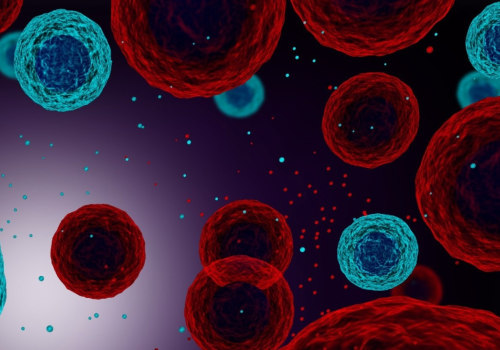
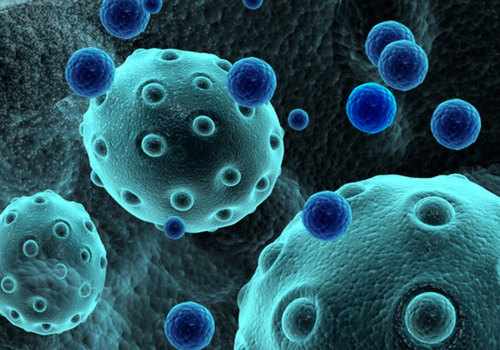
Exosomes are a fascinating class of extracellular vesicles that play a pivotal role in intercellular communication. Defined as nanoscale vesicles ranging from 30 to 150 nanometres in diameter, exosomes are secreted by various cell types into the extracellular environment. They are formed through a complex process involving the inward budding of the endosomal membrane, leading to the creation of multivesicular bodies (MVBs) that eventually fuse with the plasma membrane to release their contents. This unique mechanism not only facilitates the transfer of molecular information between cells but also highlights their significance in numerous biological processes.The characteristics of exosomes are what make them particularly intriguing in the context of cancer research.
Composed of a lipid bilayer, exosomes encapsulate a diverse array of biomolecules, including proteins, lipids, and nucleic acids such as mRNA and microRNA. This molecular cargo is selectively packaged, reflecting the physiological state of the parent cell and providing insights into its functional status. The presence of specific surface markers, such as tetraspanins (CD63, CD81, and CD9), further aids in the identification and characterization of exosomes, allowing researchers to distinguish them from other types of vesicles.Biologically, exosomes serve as crucial mediators of cell-to-cell communication, influencing various physiological and pathological processes. In cancer, they have emerged as key players in tumor progression and metastasis by facilitating the transfer of oncogenic signals between cancer cells and their microenvironment. Composed of a lipid bilayer, exosomes encapsulate a diverse array of biomolecules, including proteins, lipids, and nucleic acids such as mRNA and microRNA. This molecular cargo is selectively packaged, reflecting the physiological state of the parent cell and providing insights into its functional status. The presence of specific surface markers, such as tetraspanins (CD63, CD81, and CD9), further aids in the identification and characterization of exosomes, allowing researchers to distinguish them from other types of vesicles.Biologically, exosomes serve as crucial mediators of cell-to-cell communication, influencing various physiological and pathological processes. In cancer, they have emerged as key players in tumor progression and metastasis by facilitating the transfer of oncogenic signals between cancer cells and their microenvironment. such as mRNA and microRNA. This molecular cargo is selectively packaged, reflecting the physiological state of the parent cell and providing insights into its functional status. The presence of specific surface markers, such as tetraspanins (CD63, CD81, and CD9), further aids in the identification and characterization of exosomes, allowing researchers to distinguish them from other types of vesicles.Biologically, exosomes serve as crucial mediators of cell-to-cell communication, influencing various physiological and pathological processes. In cancer, they have emerged as key players in tumor progression and metastasis by facilitating the transfer of oncogenic signals between cancer cells and their microenvironment. Composed of a lipid bilayer, exosomes encapsulate a diverse array of biomolecules, including proteins, lipids, and nucleic acids such as mRNA and microRNA. This molecular cargo is selectively packaged, reflecting the physiological state of the parent cell and providing insights into its functional status. The presence of specific surface markers, such as tetraspanins (CD63, CD81, and CD9), further aids in the identification and characterization of exosomes, allowing researchers to distinguish them from other types of vesicles.Biologically, exosomes serve as crucial mediators of cell-to-cell communication, influencing various physiological and pathological processes. In cancer, they have emerged as key players in tumor progression and metastasis by facilitating the transfer of oncogenic signals between cancer cells and their microenvironment.
This ability to modulate cellular behaviour underscores their potential as both biomarkers for early cancer detection and therapeutic targets for innovative treatment strategies. Understanding the fundamental nature and characteristics of exosomes is essential for unraveling their complex roles in cancer biology.
Biogenesis of Exosomes: How They Are Formed
Exosomes are small extracellular vesicles that play a pivotal role in intercellular communication, particularly in the context of cancer. Understanding the biogenesis of exosomes is essential for grasping their functions and implications in oncological processes. The formation of exosomes involves a complex series of steps, primarily initiated within the endosomal system of the cell.The process begins with the inward budding of the plasma membrane, leading to the formation of early endosomes.These early endosomes can mature into late endosomes or multivesicular bodies (MVBs). The endosomal sorting complex required for transport (ESCRT)endosomal sorting complex required for transport (ESCRT) plays a crucial role in this maturation process. ESCRT is a multi-protein complex that facilitates the sorting and packaging of specific proteins and lipids into intraluminal vesicles (ILVs) within MVBs.Once formed, these ILVs can either be degraded by lysosomes or be released into the extracellular space as exosomes. The release occurs when MVBs fuse with the plasma membrane, allowing the ILVs to be expelled as exosomes.
This mechanism is not only vital for normal cellular function but also significantly impacts cancer progression.In addition to ESCRT, other pathways contribute to exosome biogenesis. For instance, ceramide-mediated pathways have been identified as alternative routes for exosome formation. Ceramide, a sphingolipid, can induce membrane curvature and promote budding, thus facilitating the release of exosomes independently of ESCRT.Moreover, proteins such as tetraspanins, which are known to enrich exosomal membranes, also play a role in determining the content and functionality of exosomes. These proteins assist in the sorting of specific cargoes into exosomes, influencing their biological activity and potential therapeutic applications.Understanding these mechanisms not only sheds light on how exosomes are formed but also highlights their potential as biomarkers and therapeutic targets in cancer treatment.
By manipulating the biogenesis pathways of exosomes, researchers may develop innovative strategies to enhance drug delivery systems or inhibit cancer progression.
The Role of Exosomes in Cancer Development
Exosomes play a pivotal role in the intricate web of interactions that characterise the cancer microenvironment. These nanoscale vesicles, secreted by various cell types, facilitate communication between tumour cells and their surrounding stroma, significantly influencing cancer development and progression.One of the primary functions of exosomes in cancer is their ability to transfer molecular cargo, including proteins, lipids, and nucleic acids, between cells. This transfer can alter the behaviour of recipient cells, promoting processes such as tumour growth , invasion, and metastasis. For instance, exosomes derived from cancer cells often contain oncogenic proteins and microRNAs that can reprogram normal cells into a more tumour-promoting phenotype.Moreover, exosomes contribute to the establishment of a supportive microenvironment for tumours.They can modulate immune responses by carrying immunosuppressive factors that inhibit the activity of immune cells, allowing cancer cells to evade detection and destruction. This immunosuppressive effect is particularly crucial in the context of solid tumours, where the local immune landscape can significantly impact disease progression.In addition to facilitating immune evasion, exosomes are involved in promoting angiogenesis—the formation of new blood vessels—which is essential for tumour growth and metastasis. By delivering pro-angiogenic factors to endothelial cells, exosomes can enhance vascular permeability and promote the supply of nutrients and oxygen to rapidly growing tumours.Furthermore, the role of exosomes extends to enhancing tumour invasion. They can facilitate the degradation of extracellular matrix components through the delivery of matrix metalloproteinases (MMPs) to surrounding tissues.
This degradation not only allows cancer cells to invade adjacent tissues but also prepares distant sites for metastatic colonisation.In summary, exosomes are integral to cancer development through their multifaceted roles in cell communication, immune modulation, angiogenesis, and invasion. Understanding these mechanisms provides valuable insights into potential therapeutic strategies aimed at disrupting exosome-mediated pathways in cancer treatment.
Exosomes as Biomarkers for Cancer Diagnosis and Prognosis
Exosomes have emerged as a promising avenue for cancer diagnosis and prognosis, primarily due to their unique ability to reflect the physiological state of their cells of origin. These nanoscale vesicles carry a diverse array of biomolecules, including proteins, lipids, and nucleic acids, which can provide critical insights into the biological processes underlying cancer.One of the most significant advantages of using exosomes as biomarkers is their presence in various bodily fluids, such as blood, urine, and saliva. This accessibility allows for non-invasive sampling methods, making it easier to monitor disease progression and treatment response over time.By analysing the molecular content of exosomes, researchers can identify specific markers associated with different cancer types, enabling early detection and improved prognostic assessments.
Insights into Cancer Progression
The analysis of exosomal contents can reveal vital information about cancer progression. For instance, certain proteins or RNA molecules found in exosomes may indicate the presence of tumour cells or their aggressive behaviour. Studies have shown that exosomes derived from cancer cells often contain elevated levels of specific oncogenic proteins or mutated genetic material that can serve as indicators of disease state.Moreover, the composition of exosomes can change in response to therapeutic interventions. By monitoring these changes, clinicians can gain insights into how well a patient is responding to treatment.For example, a decrease in the levels of specific exosomal markers may correlate with a positive treatment response, while an increase could suggest resistance or disease progression.
Prognostic Value of Exosomes
The prognostic value of exosomes is particularly noteworthy. Research has demonstrated that certain exosomal markers are associated with patient outcomes. For instance, high levels of exosomal microRNAs have been linked to poor prognosis in various cancers. This correlation suggests that these molecules could be used not only for diagnosis but also for predicting disease trajectory and patient survival.In conclusion, the potential of exosomes as biomarkers for cancer diagnosis and prognosis is vast.Their ability to provide real-time insights into tumour biology and treatment response positions them as valuable tools in oncology. As research continues to evolve, integrating exosomal analysis into clinical practice could significantly enhance early detection strategies and personalised treatment approaches.
Therapeutic Applications of Exosomes in Cancer Treatment
The therapeutic potential of exosomes in cancer treatment is gaining significant attention in the scientific community. These nanoscale vesicles, which facilitate intercellular communication, are being explored not only as biomarkers for cancer diagnosis but also as innovative tools for targeted therapy.One of the most promising applications of exosomes lies in their ability to serve as drug delivery vehicles. Their natural origin allows them to encapsulate therapeutic agents, such as chemotherapeutic drugs, RNA molecules, or proteins, and deliver them directly to cancer cells.This targeted approach can enhance the efficacy of treatments while minimising side effects on healthy tissues.
Mechanisms of Drug Delivery Using Exosomes
Exosomes can be engineered to improve their drug delivery capabilities. For instance, researchers can modify the surface proteins of exosomes to enhance their affinity for specific cancer cell types. This targeted delivery mechanism ensures that the therapeutic agents are released primarily at the tumour site, thereby increasing the concentration of the drug where it is needed most.Moreover, exosomes can protect their cargo from degradation in the bloodstream, allowing for a more sustained release of therapeutic agents. This characteristic is particularly beneficial for RNA-based therapies, which are often unstable and prone to rapid degradation.Recent Advancements in Exosome-Based Therapies
Recent studies have demonstrated the successful use of exosome-based therapies in various cancer models.For example, exosomes loaded with small interfering RNA (siRNA) have shown promise in silencing oncogenes and inhibiting tumour growth. Additionally, exosomes derived from immune cells have been investigated for their potential to enhance anti-tumour immunity by delivering immune-modulating agents directly to cancer cells.Furthermore, clinical trials are underway to evaluate the safety and efficacy of exosome-based therapies in humans. These trials aim to establish protocols for isolating and characterising exosomes from patient samples, ensuring that they are suitable for therapeutic use.In conclusion, the therapeutic applications of exosomes in cancer treatment represent a frontier in oncology that holds great promise. As research continues to unveil their mechanisms and capabilities, exosomes may revolutionise how we approach cancer therapy, offering more effective and less toxic treatment options for patients.
Challenges and Limitations in Exosome Research
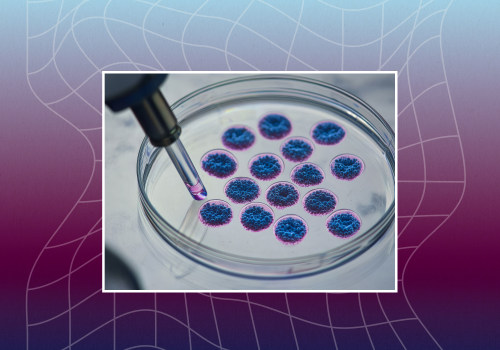
Research into exosomes has gained significant momentum in recent years, yet it is not without its challenges and limitations.Understanding these hurdles is crucial for advancing the field and ensuring that the potential of exosomes is fully realised in cancer research and therapy.One of the primary challenges in exosome research lies in the isolation techniques. Exosomes are typically isolated from biological fluids such as blood, urine, or saliva, but the methods employed can significantly affect the yield and purity of the exosomes obtained. Common techniques include ultracentrifugation, size exclusion chromatography, and precipitation methods. Each of these approaches has its own set of advantages and disadvantages:
- Ultracentrifugation: While this method is widely used and can yield high-purity exosomes, it is time-consuming and requires expensive equipment.
Additionally, it may not effectively isolate exosomes from complex biological matrices.
- Size exclusion chromatography: This technique allows for the separation of exosomes based on size but may not adequately remove contaminants such as proteins or lipoproteins.
- Precipitation methods: These are simpler and faster but often result in lower purity due to co-isolation of other vesicles or proteins.
This variability poses a challenge when attempting to establish a clear understanding of their functions in cancer progression and treatment response.Moreover, the heterogeneity of exosomes adds another layer of complexity. Different subpopulations of exosomes may exist within a single sample, each with distinct molecular profiles and functional roles. This heterogeneity complicates efforts to identify specific biomarkers for cancer diagnosis or prognosis.Finally, while there is great enthusiasm surrounding the therapeutic applications of exosomes, several issues remain unresolved. For instance, engineering exosomes for targeted drug delivery requires a thorough understanding of their surface markers and how these interact with recipient cells.
Without this knowledge, there is a risk that engineered exosomes may not achieve their intended therapeutic effects or could even elicit unintended immune responses.In conclusion, while the potential of exosomes in cancer research is immense, addressing these challenges is essential for translating laboratory findings into clinical applications. Continued efforts to standardise isolation techniques, unravel the complexities of exosome biology, and develop robust methodologies for their application will be critical for advancing this promising field.
Future Directions: The Promise of Exosome Research in Oncology
The future of exosome research in oncology holds immense promise, with ongoing studies and innovations poised to transform cancer treatment paradigms. As our understanding of exosomes deepens, several key areas are emerging as focal points for future exploration.One significant direction is the development of exosome-based diagnostic tools. Researchers are investigating the potential of exosomes to serve as non-invasive biomarkers for early cancer detection.By analysing the molecular contents of exosomes derived from bodily fluids such as blood or urine, scientists aim to identify specific markers associated with various cancer types. This could lead to earlier diagnosis and improved patient outcomes.Moreover, advancements in nanotechnology are paving the way for engineered exosomes that can deliver therapeutic agents directly to cancer cells. This targeted drug delivery system could enhance the efficacy of existing treatments while minimising side effects. For instance, studies are exploring the loading of chemotherapeutic drugs or RNA molecules into exosomes, allowing for precise targeting of tumour sites and reducing damage to healthy tissues.Another promising avenue is the role of exosomes in overcoming drug resistance.
Research is focusing on how exosomes can be manipulated to reverse resistance mechanisms in cancer cells. By understanding the molecular pathways involved, scientists hope to develop strategies that enhance the sensitivity of tumours to chemotherapy and immunotherapy.Furthermore, the potential for exosomes to facilitate intercellular communication within the tumour microenvironment is an exciting area of study. Investigating how exosomes influence interactions between cancer cells and surrounding stromal or immune cells could unveil new therapeutic targets and strategies for disrupting tumour progression.In summary, the future directions of exosome research in oncology are rich with potential breakthroughs. From novel diagnostic tools to innovative therapeutic applications, the continued exploration of exosomes may revolutionise our approach to cancer treatment, offering hope for more effective and personalised therapies.
Conclusion: The Significance of Exosomes in Cancer Research and Treatment
In summary, the exploration of exosomes in the context of cancer research has unveiled a wealth of information that underscores their significance in both the understanding and treatment of this complex disease.As we have discussed, exosomes serve as vital mediators of intercellular communication, facilitating the transfer of molecular information that can influence tumor behaviour, progression, and metastasis.One of the most compelling aspects of exosomes is their potential as biomarkers. Their unique composition reflects the cellular environment from which they originate, allowing for the possibility of early detection and monitoring of cancer. By analysing exosomal contents, researchers can gain insights into the molecular underpinnings of various cancers, paving the way for more precise diagnostic tools and prognostic indicators.Moreover, the therapeutic applications of exosomes are equally promising. Their ability to encapsulate and deliver therapeutic agents directly to target cells presents a novel approach to cancer treatment.
This targeted delivery system not only enhances the efficacy of existing therapies but also minimises adverse effects on healthy tissues, a significant challenge in conventional cancer treatments.However, it is crucial to acknowledge the dual role that exosomes can play in cancer. While they hold great promise as therapeutic vehicles, they can also contribute to drug resistance by transferring resistance factors between cells. This highlights the necessity for ongoing research to fully elucidate their mechanisms and interactions within the tumour microenvironment.As we move forward in cancer research, a deeper understanding of exosomes will undoubtedly lead to innovative strategies that could revolutionise how we diagnose and treat cancer. The potential for exosomes to act as both biomarkers and therapeutic agents positions them at the forefront of oncological research, making them an area worthy of continued investigation.