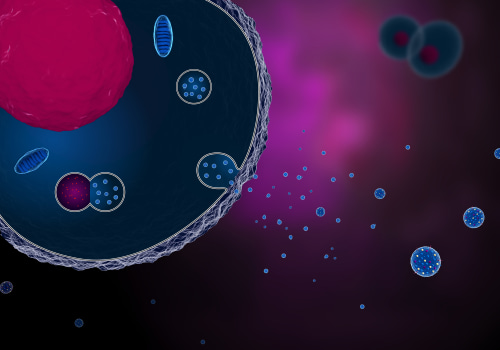
Exosomes are small extracellular vesicles, typically ranging from 30 to 150 nanometres in diameter, that play a pivotal role in intercellular communication. These vesicles are secreted by various cell types and contain a complex mixture of proteins, lipids, and nucleic acids, including Exosomes are small extracellular vesicles, typically ranging from 30 to 150 nanometres in diameter, that play a pivotal role in intercellular communication. These vesicles are secreted by various cell types and contain a complex mixture of proteins, lipids, and nucleic acids, including messenger RNA (mRNA) and microRNA (miRNA). Their ability to transfer molecular information between cells makes them crucial players in numerous biological processes, including those related to cancer progression and treatment.The significance of exosomes in cancer research cannot be overstated. They are involved in the modulation of the tumour microenvironment, influencing not only the behaviour of cancer cells but also the surrounding stromal and immune cells.
By carrying specific cargo that can alter gene expression and cellular functions, exosomes facilitate processes such as tumour growth , metastasis , and even the development of resistance to therapies. This intricate network of communication underscores the potential of exosomes as both biomarkers for early cancer detection and as therapeutic targets.As we delve deeper into the mechanisms by which exosomes contribute to cancer dynamics, it becomes evident that their study could revolutionise our approach to cancer treatment. Understanding how these vesicles operate may lead to innovative strategies for combating malignancies, enhancing the efficacy of existing therapies, and ultimately improving patient outcomes. The exploration of exosomes is not merely an academic pursuit; it holds the promise of translating into tangible benefits for those affected by cancer.
Understanding Exosomes: Biogenesis and Composition
Exosomes are a type of extracellular vesicle that play a pivotal role in intercellular communication, particularly in the context of cancer.Understanding the biogenesis and composition of exosomes is essential for elucidating their functions and implications in cancer progression and treatment.
Biogenesis of Exosomes
The formation of exosomes begins with the inward budding of the plasma membrane, leading to the creation of early endosomes. These early endosomes can mature into late endosomes, which then undergo a process called multivesicular body (MVB) formation. During this maturation, intraluminal vesicles (ILVs) are generated within the MVBs. Eventually, these MVBs can either fuse with lysosomes for degradation or be transported to the plasma membrane, where they release their ILVs into the extracellular space as exosomes.This biogenesis process is tightly regulated by various proteins and lipids that dictate the sorting and packaging of specific molecules into exosomes.
For instance, the ESCRT (endosomal sorting complexes required for transport) machinery plays a crucial role in the formation of ILVs and the subsequent release of exosomes.
Composition of Exosomes
Exosomes are composed of a diverse array of biomolecules, including:
- Proteins: These include membrane proteins, cytosolic proteins, and proteins involved in signaling pathways. The protein content can vary significantly depending on the cell type from which the exosome originates.
- Lipids: The lipid bilayer of exosomes is enriched with specific lipids such as sphingolipids and cholesterol, which contribute to their stability and functionality.
- Nucleic Acids: Exosomes carry various types of nucleic acids, including messenger RNA (mRNA), microRNA (miRNA), and other non-coding RNAs. These nucleic acids can influence gene expression in recipient cells, thereby modulating cellular behaviour.
As research continues to uncover the complexities surrounding these vesicles, they may offer new avenues for therapeutic intervention and biomarker discovery in oncology.
Exosomes in Cancer Progression: Mechanisms and Implications
Exosomes play a pivotal role in the intricate web of cancer progression, acting as mediators of intercellular communication that significantly influence tumor dynamics. These small extracellular vesicles, secreted by various cell types, including cancer cells, are rich in bioactive molecules such as proteins, lipids, and nucleic acids. Their ability to transfer these molecular cargoes between cells facilitates a range of processes that promote tumor growth and metastasis.One of the primary mechanisms through which exosomes contribute to cancer progression is by altering the behaviour of recipient cells. When exosomes derived from cancer cells interact with normal cells in the tumour microenvironment, they can induce phenotypic changes that favour malignancy.For instance, exosomes can enhance the proliferation and survival of nearby cancer cells by delivering growth factors and oncogenic proteins. This not only accelerates tumour growth but also creates a supportive niche that fosters further cancer development.Moreover, exosomes are instrumental in promoting metastasis , the process by which cancer spreads from its original site to distant organs. They achieve this by facilitating the epithelial-mesenchymal transition (EMT), a critical step in metastasis where epithelial cells acquire migratory and invasive properties. Exosomal contents can upregulate genes associated with EMT, thereby enabling cancer cells to detach from the primary tumour and invade surrounding tissues.Additionally, exosomes can modulate the immune response within the tumour microenvironment.
They can carry immunosuppressive molecules that inhibit the activity of immune cells, allowing tumours to evade immune surveillance. This immunosuppressive effect not only aids in tumour survival but also enhances the potential for metastasis as the immune system is less capable of targeting disseminated cancer cells.The implications of these mechanisms are profound. Understanding how exosomes facilitate cancer progression opens new avenues for therapeutic interventions. By targeting exosomal pathways or their specific contents, researchers aim to disrupt these processes, potentially leading to more effective treatments for patients battling cancer.
The Role of Exosomes in Chemoresistance
Exosomes have emerged as pivotal players in the phenomenon of chemoresistance, a significant hurdle in the effective treatment of cancer.These nanoscale vesicles, secreted by various cell types, including cancer cells, are capable of transferring a multitude of bioactive molecules that can alter the behaviour of recipient cells. This intercellular communication can lead to the acquisition of drug-resistant traits in sensitive cancer cells, thereby complicating treatment regimens.One of the primary mechanisms through which exosomes contribute to chemoresistance is by facilitating the transfer of resistance-associated proteins and non-coding RNAs. For instance, studies have demonstrated that exosomes derived from drug-resistant cancer cells can carry proteins that inhibit apoptosis or promote survival pathways in neighbouring sensitive cells. This transfer not only enhances the survival of these cells under therapeutic stress but also enables them to develop a resistance phenotype.Moreover, exosomes can modulate the tumour microenvironment, creating a niche that supports drug resistance.
They can influence stromal cells and immune cells within the tumour microenvironment, leading to changes that favour tumour growth and survival. For example, exosomes can induce an inflammatory response that promotes angiogenesis, further supporting tumour progression and complicating treatment outcomes.The challenges posed by exosome-mediated chemoresistance are multifaceted:
- Therapeutic Evasion: Exosomes can actively remove chemotherapeutic agents from cancer cells, reducing drug efficacy. This efflux mechanism diminishes the intracellular concentration of drugs, rendering them less effective.
- Heterogeneity: The heterogeneous nature of exosomes complicates their study and application in therapy. Different cancer types and even different stages within the same tumour can produce exosomes with varying contents and functions.
- Targeting Exosomes: Developing strategies to specifically target exosomes for therapeutic intervention remains a significant challenge.
Identifying the key components that mediate their role in chemoresistance is crucial for designing effective therapies.
Exosomes as Biomarkers for Cancer Diagnosis and Prognosis
Exosomes have emerged as a promising avenue for cancer diagnosis and prognosis, primarily due to their unique ability to reflect the physiological state of their cells of origin. These extracellular vesicles are secreted by various cell types, including cancer cells, and carry a cargo rich in proteins, lipids, and nucleic acids that can provide critical insights into the disease process.One of the most significant advantages of using exosomes as biomarkers is their specificity. The molecular composition of exosomes varies depending on the type of cell from which they are derived.For instance, exosomes released from tumour cells may contain specific proteins or genetic material that are not present in exosomes from normal cells. This specificity allows for the potential development of targeted diagnostic tests that can accurately identify the presence of cancer at an early stage.Moreover, the analysis of exosomal content can yield valuable prognostic information. Studies have shown that certain biomarkers found within exosomes correlate with disease progression and patient outcomes. For example, elevated levels of specific microRNAs in exosomes have been associated with advanced stages of cancer and poorer prognosis.
This correlation suggests that monitoring exosomal biomarkers could help clinicians assess the aggressiveness of a tumour and tailor treatment strategies accordingly.In addition to their role in diagnosis and prognosis, exosomes can also facilitate real-time monitoring of treatment responses. As patients undergo therapy, changes in the composition of circulating exosomes can indicate how well a treatment is working or if resistance is developing. This dynamic monitoring capability could lead to more personalised treatment plans, allowing for timely adjustments based on individual patient responses.Despite these promising developments, several challenges remain in the clinical application of exosome-based biomarkers. Standardisation of isolation and analysis techniques is crucial to ensure consistency and reliability across studies.
Furthermore, larger clinical trials are needed to validate the efficacy of exosomal biomarkers in diverse cancer types.In conclusion, the potential of exosomes as biomarkers for cancer diagnosis and prognosis is vast. Their specificity to cell types and ability to provide real-time insights into disease progression make them invaluable tools in oncology. Continued research into their biological roles and clinical applications will undoubtedly enhance our understanding and management of cancer.
Therapeutic Applications of Exosomes: Opportunities and Challenges
The therapeutic potential of exosomes in cancer treatment is an area of intense research, offering innovative avenues for drug delivery and therapeutic targeting. These nanoscale vesicles, naturally secreted by cells, possess unique properties that make them ideal candidates for delivering therapeutic agents directly to target cells, thereby enhancing treatment efficacy while minimising side effects.One of the most promising applications of exosomes lies in their ability to serve as drug delivery systems.Their lipid bilayer structure allows them to encapsulate a variety of therapeutic molecules, including small-molecule drugs, proteins, and nucleic acids. This encapsulation not only protects the cargo from degradation but also facilitates targeted delivery to specific cells or tissues. For instance, exosomes derived from immune cells can be engineered to carry anticancer agents directly to tumour sites, potentially improving the therapeutic index of these drugs.Moreover, exosomes can exploit the natural pathways of cellular uptake, allowing for efficient internalisation by recipient cells. This characteristic is particularly advantageous in overcoming biological barriers that often hinder drug delivery, such as the blood-brain barrier in neurological cancers.However, despite their potential, several challenges must be addressed before exosome-based therapies can be widely implemented.
One significant hurdle is the standardisation of exosome isolation and characterisation methods. The heterogeneity of exosomes—stemming from their diverse cellular origins—complicates the development of consistent and reproducible therapeutic products.Additionally, understanding the biological mechanisms governing exosome release and uptake is crucial for optimising their use in therapy. Factors such as the source of exosomes, their surface markers, and the nature of the cargo can all influence their therapeutic efficacy. Furthermore, there is a need for comprehensive studies to evaluate the long-term safety and potential immunogenicity of exosome-based therapies.In conclusion, while the use of exosomes as therapeutic vehicles presents exciting opportunities in cancer treatment, ongoing research is essential to overcome existing challenges.
By addressing these issues, we can unlock the full potential of exosomes in revolutionising cancer therapy and improving patient outcomes.
Future Directions in Exosome Research for Cancer Treatment
As we look to the future of exosome research in oncology, it is clear that the potential for these extracellular vesicles extends far beyond their current applications. Ongoing studies are exploring innovative ways to harness the unique properties of exosomes, paving the way for novel therapeutic strategies and diagnostic tools.One promising direction is the development of exosome-based drug delivery systems. Researchers are investigating how to engineer exosomes to carry therapeutic agents directly to cancer cells, minimising off-target effects and enhancing treatment efficacy. This targeted approach could revolutionise how we administer chemotherapy and other treatments, potentially leading to better patient outcomes.Moreover, advancements in nanotechnology are facilitating the isolation and characterisation of exosomes with greater precision.Techniques such as microfluidics and advanced imaging methods are enabling scientists to study exosome composition in detail, which is crucial for understanding their role in cancer progression and treatment resistance. By identifying specific biomarkers within exosomes, researchers can develop more accurate diagnostic tools that allow for earlier detection of malignancies.Another exciting avenue is the exploration of exosomes in combination therapies. By integrating exosome-based treatments with existing modalities such as immunotherapy or targeted therapies, there is potential to enhance the overall effectiveness of cancer treatment regimens. For instance, exosomes could be used to modulate the immune response, making tumours more susceptible to immunotherapeutic agents.Furthermore, as our understanding of the tumour microenvironment deepens, researchers are beginning to appreciate how exosomes facilitate communication between cancer cells and surrounding stromal cells.
This insight could lead to strategies aimed at disrupting these interactions, thereby inhibiting tumour growth and metastasis.In conclusion, the future of exosome research in cancer treatment is bright, with numerous avenues for exploration that promise to enhance clinical applications. As technology continues to advance and our understanding of these vesicles expands, we may soon witness a paradigm shift in how we approach cancer therapy, ultimately improving outcomes for patients worldwide.
Conclusion: The Promise of Exosomes in Cancer Management
In summary, the exploration of exosomes has unveiled a transformative potential in the realm of cancer management. These minute extracellular vesicles are not merely by-products of cellular activity; they are pivotal players in the intricate web of intercellular communication, particularly within the context of cancer progression and treatment.Throughout this article, we have delved into the multifaceted roles that exosomes play in cancer biology. Their ability to facilitate communication between cancer cells and their microenvironment significantly influences tumour growth, metastasis, and even the development of resistance to therapies.By transferring bioactive molecules such as proteins, lipids, and nucleic acids, exosomes can alter the behaviour of recipient cells, thereby promoting a more aggressive cancer phenotype.Moreover, the potential of exosomes as biomarkers for early cancer detection cannot be overstated. Their unique molecular signatures provide valuable insights into disease state and progression, enabling clinicians to tailor treatment strategies more effectively. This specificity is crucial in improving patient outcomes, as timely intervention can make a significant difference in survival rates.As we look to the future, the therapeutic applications of exosomes present an exciting frontier. Their capacity to serve as vehicles for targeted drug delivery offers a promising avenue for enhancing treatment efficacy while minimising side effects.
However, challenges remain in standardising exosome isolation and characterisation methods, as well as understanding their complex biology in various cancer types.In conclusion, the promise of exosomes in cancer management is vast and multifaceted. Continued research is essential to unlock their full potential and translate these findings into clinical practice. As we deepen our understanding of exosomal biology and refine our methodologies, we stand on the brink of a new era in cancer treatment that could significantly improve patient outcomes and revolutionise therapeutic approaches.