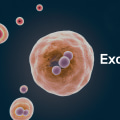
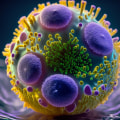
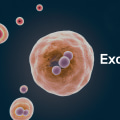
Exosomes are a fascinating class of extracellular vesiclesextracellular vesicles that play a crucial role in the intricate web of cellular communication. These tiny, membrane-bound structures, typically ranging from 30 to 150 nanometers in diameter, are secreted by various cell types into the extracellular environment. Their primary function is to facilitate the transfer of molecular information between cells, thereby influencing numerous biological processes. By carrying a diverse array of bioactive molecules, including proteins, lipids, and nucleic acids such as mRNA and microRNA, exosomes serve as vital messengers that can modulate the behaviour of recipient cells.The importance of exosomes extends far beyond mere cellular communication; they are pivotal in maintaining homeostasis within tissues and organs.
For instance, exosomes can influence immune responses, promote tissue repair, and even contribute to the progression of diseases such as cancer. Their unique lipid bilayer structure not only protects their cargo from degradation but also allows them to traverse biological barriers, making them ideal candidates for targeted drug delivery systems. This capability has sparked significant interest in the potential therapeutic applications of exosomes in various medical fields.Moreover, the study of exosomes has opened new avenues for understanding complex biological phenomena and disease mechanisms. As researchers delve deeper into their functions, it becomes increasingly clear that exosomes are not merely byproducts of cellular activity; they are active participants in intercellular communication and play a significant role in both health and disease.
This growing body of knowledge underscores the need for further exploration into the multifaceted roles of exosomes, paving the way for innovative diagnostic and therapeutic strategies that harness their unique properties.
What Are Exosomes?
Exosomes are a type of extracellular vesicle that play a pivotal role in intercellular communication. These small vesicles, typically ranging from 30 to 150 nanometers in diameter, are secreted by various cell types and can be found in numerous biological fluids, including blood, urine, and saliva. Understanding the structure and composition of exosomes is essential for appreciating their biological functions and potential therapeutic applications.Structure of Exosomes
The defining feature of exosomes is their lipid bilayer membranelipid bilayer membrane, which encapsulates their contents and protects them from degradation. This membrane is composed primarily of phospholipids, similar to the membranes of the cells from which they originate.
The lipid bilayer not only provides structural integrity but also facilitates the fusion of exosomes with target cells, allowing for the transfer of their cargo.Within this lipid bilayer, exosomes contain an aqueous core that houses a variety of biomolecules. The composition of these vesicles can vary significantly depending on the cell type and its physiological state, making them highly versatile mediators of cellular communication.
Composition of Exosomes
Exosomes carry a diverse array of molecules that include:
- Proteins: These can include enzymes, receptors, and adhesion molecules that play roles in cell signalling and interaction.
- Nucleic Acids: Exosomes are rich in RNA species, including mRNA and microRNA (miRNA), which can influence gene expression in recipient cells.
- Lipids: The lipid content can vary widely and may include bioactive lipids that participate in signalling pathways.
- Cytokines: These signalling proteins can modulate immune responses and inflammation.
Types of Exosomes
Exosomes can be classified based on their origin or function. Some common types include:
- Oncosomes: Derived from cancer cells, these exosomes are involved in tumour progression and metastasis.
- Microvesicles: Larger than typical exosomes, these vesicles are formed by direct budding from the plasma membrane.
- Apoptotic bodies: Released during programmed cell death, these vesicles contain cellular debris and can influence surrounding cells.
As research continues to evolve, the potential for harnessing exosomes in therapeutic applications becomes increasingly promising.
The Biological Functions of Exosomes
Exosomes play a pivotal role in the intricate web of cellular communication, acting as messengers that facilitate the transfer of information between cells. These small extracellular vesicles, typically ranging from 30 to 150 nanometers in diameter, are secreted by various cell types and are found in numerous biological fluids, including blood, urine, and saliva. Their significance extends beyond mere communication; they are essential for maintaining homeostasis and influencing cellular behaviour.One of the primary functions of exosomes is their ability to transport macromolecules such as proteins, lipids, and nucleic acids. This transport mechanism is crucial for several biological processes:- Intercellular Communication: Exosomes carry specific molecular signatures that allow them to convey messages to target cells.
This communication can modulate various cellular functions, including proliferation, differentiation, and apoptosis.
- Immune Response: Exosomes play a vital role in the immune system by presenting antigens to immune cells, thereby enhancing the immune response. They can also carry immunomodulatory molecules that help regulate inflammation.
- Tissue Repair and Regeneration: In the context of injury or disease, exosomes can promote tissue repair by delivering growth factors and other bioactive molecules that stimulate healing processes.
Their roles in intercellular communication and macromolecular transport underscore their importance as mediators of cellular interactions. Understanding these functions not only sheds light on fundamental biological processes but also opens avenues for therapeutic interventions targeting exosome-mediated pathways.
Exosomes in Health and Disease
Exosomes play a pivotal role in both health and disease, acting as crucial mediators of intercellular communication. These small extracellular vesicles, which are secreted by various cell types, carry a diverse array of biomolecules, including proteins, lipids, and nucleic acids. Their ability to transfer this molecular cargo makes them significant players in numerous physiological and pathological processes.In the context of disease , exosomes have garnered considerable attention for their involvement in cancer.Tumour cells release exosomes that can influence the behaviour of surrounding cells, promoting processes such as tumour progression, metastasis, and drug resistance. For instance, exosomes derived from cancer cells can carry oncogenic proteins and microRNAs that alter the gene expression of recipient cells, thereby facilitating a more aggressive tumour phenotype.Moreover, exosomes can serve as valuable biomarkers for cancer diagnosis and prognosis. Their presence in bodily fluids such as blood and urine allows for non-invasive sampling, making them ideal candidates for early detection of malignancies. Research has shown that specific exosomal profiles correlate with different cancer types and stages, providing insights into disease progression and potential therapeutic targets.The therapeutic applications of exosomes are also being explored extensively.
Due to their natural origin and ability to encapsulate therapeutic agents, exosomes are being investigated as drug delivery systems. They can be engineered to carry anticancer drugs or RNA-based therapies directly to target cells while minimising off-target effects. This targeted approach not only enhances the efficacy of treatments but also reduces the side effects commonly associated with conventional therapies.In summary, exosomes represent a promising frontier in medical research, particularly in understanding their roles in disease mechanisms and their potential as therapeutic agents. As our knowledge of these vesicles expands, they may offer innovative solutions for diagnosing and treating various diseases, especially cancer.
Therapeutic Applications of Exosomes
Exosomes have emerged as a groundbreaking tool in the realm of therapeutic applications, particularly in drug delivery systems and regenerative medicine.Their unique properties allow them to serve as natural carriers for therapeutic agents, making them an attractive option for targeted treatment strategies.One of the most promising applications of exosomes is in drug delivery. Due to their lipid bilayer structure, exosomes can encapsulate a variety of therapeutic molecules, including proteins, nucleic acids, and small molecules. This encapsulation not only protects the cargo from degradation but also facilitates its transport across biological barriers, such as the blood-brain barrier. This capability is particularly significant for treating neurological disorders where traditional drug delivery methods often fail.Moreover, exosomes can be engineered to enhance their targeting capabilities.
By modifying their surface proteins, researchers can direct exosomes to specific cell types or tissues, thereby increasing the efficacy of the delivered drugs while minimising side effects. This precision in targeting is crucial in cancer therapy, where exosomes can be used to deliver chemotherapeutic agents directly to tumour cells, sparing healthy cells from damage.In addition to drug delivery, exosomes play a vital role in regenerative medicine. They are involved in intercellular communication and can influence cellular behaviour by transferring bioactive molecules that promote tissue repair and regeneration. For instance, exosomes derived from stem cells have shown potential in enhancing wound healing and tissue regeneration by delivering growth factors and other signalling molecules that stimulate cellular proliferation and differentiation.The therapeutic potential of exosomes extends beyond just drug delivery and tissue repair; they also hold promise in immune modulation.
Exosomes can modulate immune responses by carrying immunomodulatory molecules that can either stimulate or suppress immune activity. This property is particularly beneficial in developing therapies for autoimmune diseases and organ transplantation, where controlling the immune response is critical.As research continues to uncover the multifaceted roles of exosomes in health and disease, their applications in medicine are likely to expand further. The ongoing exploration into their mechanisms of action and potential therapeutic uses positions exosomes at the forefront of innovative medical treatments.
Challenges and Future Directions in Exosome Research
Despite the promising potential of exosomes in various fields, including diagnostics and therapeutics, several challenges hinder the progress of exosome research. One significant challenge is the isolation and characterization of exosomes.The heterogeneity of exosomes, stemming from their diverse cellular origins and the complexity of biological fluids, complicates their isolation. Current methods, such as ultracentrifugation and size-exclusion chromatography, often yield impure populations that may not accurately represent the exosomal content.Moreover, the standardization of protocols for exosome research remains a pressing issue. Variability in isolation techniques can lead to inconsistent results across studies, making it difficult to compare findings and draw reliable conclusions. Establishing universally accepted guidelines for exosome isolation and characterization is essential for advancing this field.Another challenge lies in understanding the biological functions of exosomes in different contexts.
While significant progress has been made in elucidating their roles in intercellular communication, much remains unknown about how exosomes influence various physiological and pathological processes. This gap in knowledge limits the ability to harness exosomes effectively for therapeutic applications.Looking towards the future, advancements in exosome technology hold great promise. Innovations such as microfluidic devices and nanotechnology could enhance the efficiency and specificity of exosome isolation. Additionally, the development of engineered exosomes with tailored properties may enable targeted drug delivery systems that improve therapeutic outcomes.The integration of omics technologies , including proteomics and genomics, will also play a crucial role in advancing our understanding of exosomal content and function.
By employing these technologies, researchers can gain insights into the molecular signatures of exosomes derived from different cell types and disease states.In conclusion, while challenges persist in the field of exosome research, ongoing advancements and a collaborative approach among researchers can pave the way for innovative solutions. As we continue to unravel the complexities of exosomes, their potential as diagnostic and therapeutic tools will undoubtedly expand, offering new avenues for addressing various health conditions.
Frequently Asked Questions about Exosomes
Exosomes have garnered significant interest in recent years, leading to numerous questions about their nature and functions. Below are some frequently asked questions that help clarify common misconceptions and provide deeper insights into the role of exosomes in biological processes.What exactly are exosomes?
Exosomes are small extracellular vesicles, typically ranging from 30 to 150 nanometers in diameter, that are secreted by various cell types into the extracellular environment. They are formed within the endosomal system of cells and play a crucial role in intercellular communication by transporting proteins, lipids, and nucleic acids between cells.How do exosomes function in the body?
Exosomes facilitate communication between cells by delivering their cargo to target cells, influencing various physiological processes.They can modulate immune responses, promote tissue repair, and even contribute to the progression of diseases such as cancer. By carrying specific molecules, exosomes can alter the behaviour of recipient cells, making them essential players in both health and disease.
Are all exosomes the same?
No, exosomes are not uniform; they vary significantly depending on their cell of origin and the physiological state of those cells. Different cell types release exosomes with distinct molecular compositions, which can affect their functionality and the specific pathways they influence.Can exosomes be used in therapy?
Yes, exosomes hold great potential for therapeutic applications. Their natural ability to transport bioactive molecules makes them promising candidates for drug delivery systems.Researchers are exploring their use in targeted therapies for cancer, regenerative medicine, and even vaccine development.
What are some common misconceptions about exosomes?
- Misconception 1: All extracellular vesicles are exosomes. This is incorrect; exosomes are just one type of extracellular vesicle, distinct from microvesicles and apoptotic bodies.
- Misconception 2: Exosomes only play a role in disease. In reality, they are vital for normal cellular functions and homeostasis as well.
- Misconception 3: Exosome research is still in its infancy. While it is a rapidly evolving field, significant advancements have been made in understanding their biology and potential applications.
Conclusion: The Significance of Exosomes in Modern Science
In summary, exosomes are not merely cellular by-products; they are pivotal players in the intricate web of intercellular communication.Their ability to transport a diverse array of biomolecules, including proteins, lipids, and nucleic acids, underscores their significance in both physiological and pathological processes. Understanding the role of exosomes is crucial for several reasons.Firstly, exosomes facilitate cellular communication across various distances, enabling cells to share information and respond to changes in their environment. This communication is vital for maintaining homeostasis and orchestrating complex biological functions such as immune responses, tissue repair, and development.Secondly, the involvement of exosomes in disease mechanisms cannot be overstated. They have been implicated in the progression of numerous conditions, including cancer, neurodegenerative diseases, and cardiovascular disorders.
By carrying specific molecular signatures from their parent cells, exosomes can serve as biomarkers for early disease detection and prognosis.Moreover, the therapeutic potential of exosomes is an exciting frontier in modern medicine. Their natural ability to encapsulate and deliver therapeutic agents directly to target cells makes them ideal candidates for drug delivery systems. This capability not only enhances the efficacy of treatments but also reduces side effects associated with conventional therapies.As research continues to unravel the complexities of exosome biology, it becomes increasingly clear that these vesicles hold the key to unlocking new diagnostic and therapeutic strategies. The ongoing exploration into their roles in health and disease will undoubtedly lead to innovative approaches that could transform patient care.In conclusion, the significance of exosomes extends far beyond their initial discovery.
They are integral to our understanding of cellular interactions and disease mechanisms, offering promising avenues for future research and clinical applications. Embracing the potential of exosomes may very well pave the way for breakthroughs in how we approach health and disease management.