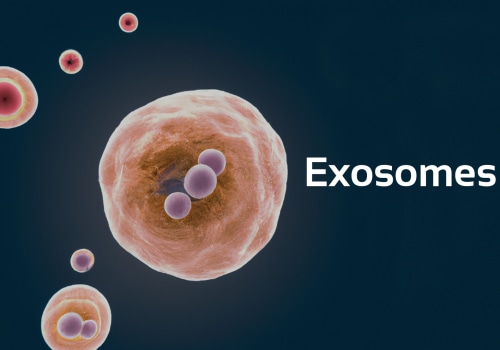
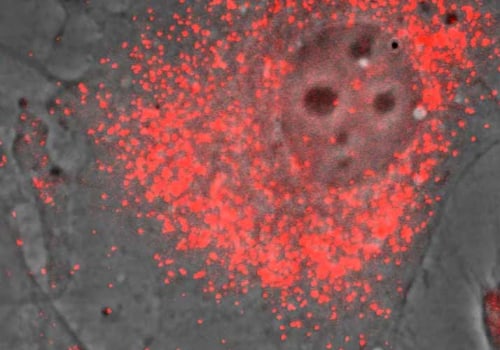
Exosomes are extracellular vesicles that play a pivotal role in intercellular communication. These tiny, membrane-bound structures are secreted by various cell types and are typically between 30 to 150 nanometers in diameter. They contain a complex mixture of proteins, lipids, and nucleic acids, which can reflect the physiological state of their parent cells. This unique composition allows exosomes to facilitate the transfer of molecular signals between cells, thereby influencing numerous biological processes.The primary function of exosomes is to mediate communication between cells, acting as vehicles for the delivery of bioactive molecules.
They can carry proteins that modulate immune responses, lipids that influence cell membrane dynamics, and RNA molecules that can alter gene expression in recipient cells. This ability to transfer information makes exosomes crucial players in various physiological and pathological processes, including immune responseimmune response, cellular repair, and even the progression of diseases such as cancer.Understanding the definition and function of exosomes is essential for grasping their potential therapeutic applications. As research continues to unveil their intricate roles in health and disease, exosomes are being explored for their capacity to serve as biomarkers for disease diagnosis and as vehicles for targeted drug delivery. However, despite their promising applications, it is vital to approach the topic with caution due to the current regulatory landscape surrounding exosome-based therapies.
The Science Behind Exosomes
Exosomes are small extracellular vesicles, typically ranging from 30 to 150 nanometres in diameter, that play a crucial role in cellular communication.They are secreted by various cell types and are involved in the transfer of proteins, lipids, and nucleic acids between cells. This intercellular communication is essential for maintaining homeostasis and regulating physiological processes.
Composition of Exosomes
The composition of exosomes is diverse and reflects the cellular origin from which they are derived. Generally, exosomes contain:
- Proteins: These include membrane proteins, cytosolic proteins, and proteins involved in cell signalling pathways.
- Lipids: Exosomes are rich in lipid bilayers that facilitate their stability and fusion with target cells.
- Nucleic Acids: Exosomes carry various forms of RNA, including mRNA and microRNA, which can influence gene expression in recipient cells.
Formation and Release of Exosomes
Exosomes originate from the endosomal system within cells. The process begins when a cell engulfs extracellular material through endocytosis, forming early endosomes.
These early endosomes mature into late endosomes or multivesicular bodies (MVBs), which then bud off to form exosomes. Once formed, exosomes are released into the extracellular space when MVBs fuse with the plasma membrane.
Role in Intercellular Communication
Exosomes serve as vehicles for intercellular communication by transferring their cargo to neighbouring or distant cells. This transfer can alter the behaviour of recipient cells by modulating their signalling pathways. For instance, exosomal microRNAs can regulate gene expression in target cells, influencing processes such as inflammation and cell proliferation.Understanding the biology of exosomes is fundamental for exploring their therapeutic potential.
As research progresses, the hope is to harness these vesicles for targeted drug delivery and regenerative medicine applications.
Exosomes in Regenerative Medicine
Exosomes have emerged as a significant focus in the field of regenerative medicine, primarily due to their unique properties and potential therapeutic applications. These nanoscale extracellular vesicles, secreted by various cell types, play a crucial role in intercellular communication and have been identified as key players in numerous biological processes, including tissue repair and immune modulation.One of the most promising applications of exosomes is in the treatment of injured tissues. Research indicates that exosomes derived from stem cells can enhance the healing process by delivering bioactive molecules such as proteins, lipids, and RNAs directly to target cells. This targeted delivery can stimulate cellular regeneration and promote tissue repair, making exosomes a potential alternative to traditional stem cell therapies.Current Research and Clinical Trials
Numerous studies are underway to explore the therapeutic uses of exosomes across various medical conditions.For instance, clinical trials are investigating their efficacy in treating cardiovascular diseases , where exosomes may help repair damaged heart tissue following myocardial infarction. Similarly, researchers are examining the role of exosomes in neurodegenerative disorders , such as Alzheimer’s disease, where they could potentially facilitate the clearance of toxic proteins from the brain.Moreover, exosomes are being studied for their applications in orthopaedics. Preliminary findings suggest that exosome therapy could enhance bone healing and regeneration after fractures or surgeries. The ability of exosomes to modulate inflammation and promote angiogenesis (the formation of new blood vessels) is particularly beneficial in these contexts.
Challenges and Future Directions
Despite the exciting potential of exosomes in regenerative medicine, several challenges remain.The variability in exosome production based on cell type and culture conditions can affect their therapeutic efficacy. Standardisation of exosome isolation and characterisation methods is essential to ensure consistent quality across different studies.In conclusion, while the application of exosomes in regenerative medicine holds great promise, ongoing research and clinical trials are crucial to fully understand their mechanisms and optimise their use in therapeutic settings. As our knowledge expands, exosomes may well become a cornerstone of innovative treatments for a variety of conditions.
Regulatory Landscape for Exosome Products
The regulatory landscape for exosome products is complex and evolving, primarily governed by the U. S.Food and Drug Administration (FDA). Understanding these regulations is crucial for consumers who are considering exosome therapies, as it directly impacts the safety and efficacy of the treatments available.Exosomes are classified as biological products under the FDA's regulatory framework. This classification means that any product containing exosomes intended for therapeutic use must undergo rigorous pre-market evaluation to ensure its safety, effectiveness, and quality. The FDA's stringent guidelines are designed to protect patients from unproven and potentially harmful treatments.Currently, there are no FDA-approved exosome products on the market.
This lack of approval stems from the need for comprehensive clinical trials that demonstrate their efficacy for specific medical conditions. The FDA has expressed concerns regarding the marketing of exosome therapies that have not been validated through these necessary studies. As a result, many clinics offering exosome treatments may be operating outside legal boundaries, which poses significant risks to patients.In recent years, the FDA has issued warning letters to companies promoting exosome products without proper approval. These letters highlight the agency's commitment to regulating exosome therapies and ensuring that any claims made about their benefits are substantiated by scientific evidence.
Patients should be wary of clinics that make bold claims about the capabilities of exosomes without providing credible research or data to back them up.Moreover, the regulatory process for exosome products is further complicated by their biological nature. Unlike traditional pharmaceuticals, exosomes can vary significantly in composition based on their source and production methods. This variability makes standardisation challenging, which is a critical factor in obtaining FDA approval.As research into exosomes continues to advance, it is essential for consumers to stay informed about the legal status of these therapies. Engaging with healthcare professionals who understand the regulatory landscape can help patients navigate their options safely and effectively.In summary, while the potential of exosomes in regenerative medicine is promising, consumers must approach these therapies with caution due to the current lack of FDA-approved products and the associated risks of unregulated treatments.
Risks and Concerns Associated with Exosome Therapies
As the interest in exosome therapies continues to grow, it is crucial to address the potential risks and safety concerns associated with these unapproved treatments.While exosomes hold promise in the field of regenerative medicine, their use outside of clinical trials can pose significant dangers to patients.One of the primary concerns is the lack of regulatory oversight. Since exosome products are not approved by the FDA, there is no guarantee of their safety or efficacy. This absence of regulation means that patients may be exposed to treatments that have not undergone rigorous testing for quality and effectiveness. As a result, individuals seeking relief from various conditions may find themselves at risk of receiving substandard or even harmful products.Moreover, the production of exosomes can vary significantly between different manufacturers.
Factors such as the source of the exosomes, the method of extraction, and the conditions under which they are produced can all influence their composition and potential effects. This variability raises concerns about contamination and inconsistent dosing , which can lead to unpredictable outcomes.Another critical issue is the potential for adverse side effects. While some patients may experience positive results from exosome therapy, others may suffer from complications such as:
- Allergic reactions: Some individuals may have sensitivities to components within exosome preparations, leading to allergic responses.
- Infection: The introduction of any biological product carries a risk of infection, particularly if proper sterile techniques are not employed during administration.
- Immune reactions: Exosomes derived from foreign sources may provoke an immune response, resulting in inflammation or other complications.
Understanding the risks and safety concerns associated with unapproved exosome treatments can empower individuals to make informed decisions about their health and seek safer alternatives when necessary.
Current Research and Future Directions in Exosome Therapy
Recent advancements in the field of exosome research have opened new avenues for therapeutic applications, showcasing their potential in various medical conditions. Scientists are increasingly recognising exosomes as vital players in intercellular communication, which has significant implications for regenerative medicine and targeted therapies.One of the most promising areas of research involves the use of exosomes in cancer treatment. Studies have demonstrated that exosomes derived from certain types of immune cells can enhance anti-tumour responses. For instance, exosomes from dendritic cells have been shown to stimulate T-cell activation, potentially leading to improved outcomes in cancer immunotherapy.This suggests that harnessing the natural properties of exosomes could lead to more effective cancer treatments with fewer side effects compared to traditional therapies.Moreover, researchers are exploring the role of exosomes in neurodegenerative diseases such as Alzheimer’s and Parkinson’s. Recent studies indicate that exosomes may facilitate the clearance of toxic proteins associated with these conditions, thereby offering a novel approach to treatment. By understanding how exosomes transport and deliver therapeutic agents across the blood-brain barrier, scientists hope to develop targeted therapies that could significantly alter the course of these debilitating diseases.In addition to their potential in treating serious illnesses, exosomes are also being investigated for their applications in cosmetic and aesthetic medicine. Preliminary research suggests that exosomes can promote skin regeneration and healing, making them a valuable component in anti-aging treatments.
As more studies validate these findings, we may see an increase in clinical applications for exosome-based therapies in dermatology.Looking ahead, the future of exosome therapy appears promising but requires rigorous scientific validation. The need for standardisation in exosome production and characterisation is paramount to ensure safety and efficacy. Ongoing research aims to establish protocols that will allow for consistent quality control across different sources of exosomes.Furthermore, as our understanding of the molecular mechanisms underlying exosome function deepens, we may uncover new therapeutic targets and strategies. Collaborative efforts between researchers, clinicians, and regulatory bodies will be essential to navigate the complexities of developing safe and effective exosome-based therapies.In conclusion, while the current landscape of exosome therapy is still evolving, the potential benefits are substantial.
Continued investment in research and development will be crucial to unlock the full therapeutic potential of exosomes, paving the way for innovative treatments that could transform patient care across a variety of medical fields.
Frequently Asked Questions About Exosomes
As interest in exosomes continues to grow, many individuals have questions about their function, applications, and safety. Below are some of the most frequently asked questions regarding exosomes and their therapeutic potential.What are exosomes?
Exosomes are small extracellular vesicles that are secreted by various cell types. They play a crucial role in intercellular communication by transporting proteins, lipids, and RNA between cells. This ability to transfer molecular information makes them significant in various biological processes, including immune response and tissue repair.How are exosomes produced?
Exosomes are formed within the endosomal system of cells.When a cell produces an endosome, it can either recycle its contents or form a multivesicular body (MVB). The MVB can then fuse with the cell membrane, releasing exosomes into the extracellular space. The composition of these exosomes can vary depending on the cell type and its physiological state.
What is exosome therapy?
Exosome therapy involves using exosomes derived from specific cells to promote healing and regeneration in patients. The therapy is based on the premise that these vesicles can deliver bioactive molecules that may aid in tissue repair and modulate immune responses.However, it is essential to note that exosome therapy is still under investigation and has not received FDA approval for clinical use.
Are there any risks associated with exosome therapy?
As with any emerging treatment, there are potential risks involved with exosome therapy. Since these products are not yet regulated or approved by health authorities like the FDA, their safety and efficacy remain uncertain. Patients should be cautious and consult healthcare professionals before considering such treatments.Can exosomes be used for cosmetic purposes?
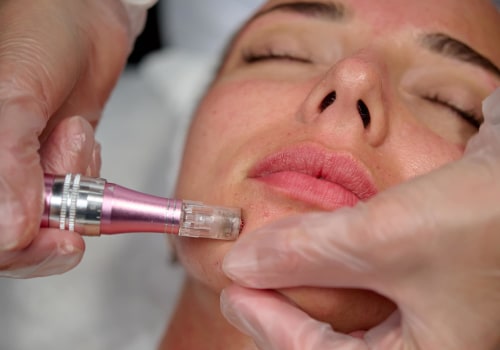
Some clinics promote the use of exosomes for aesthetic treatments, claiming they can improve skin texture and reduce signs of aging. While preliminary studies suggest potential benefits, comprehensive clinical trials are necessary to validate these claims and ensure safety.How do I know if an exosome product is safe?
To determine the safety of an exosome product, it is crucial to look for transparency regarding its sourcing, manufacturing processes, and clinical evidence supporting its use.Always seek treatments from reputable clinics that adhere to regulatory guidelines and consult with qualified healthcare professionals.Understanding these aspects of exosomes can help individuals make informed decisions about their potential therapeutic applications and navigate the complexities surrounding this innovative field of medicine.
Conclusion: Key Takeaways on Exosomes
In summary, the exploration of exosomes reveals a complex landscape that is both promising and fraught with challenges. As we have discussed, these tiny extracellular vesicles play a significant role in cellular communication and have garnered attention for their potential therapeutic applications. However, it is crucial to approach the subject with a discerning eye.Key Takeaways:
- Regulatory Status: Currently, there are no FDA-approved exosome products for medical use. This lack of approval underscores the necessity for rigorous scientific validation before any therapeutic claims can be made.
- Potential Risks: The unregulated use of exosome therapies poses significant risks to patients.
Many clinics may promote these treatments without sufficient evidence of safety or efficacy, leading to potential harm.
- Research and Development: While the hypothesis surrounding exosome therapy is intriguing, further research is essential to fully understand their mechanisms, effectiveness, and limitations. The scientific community continues to investigate how exosomes can be harnessed safely and effectively.
- Consumer Awareness: It is vital for consumers to educate themselves about exosomes and the claims made by various clinics. Understanding the regulatory framework and seeking information from reputable sources can help mitigate risks associated with unapproved treatments.
- Future Directions: As research progresses, we may see advancements in the clinical application of exosomes. However, until then, caution is advised when considering any treatment involving these vesicles.
The journey towards understanding their full capabilities is ongoing, and as consumers, we must advocate for our health by seeking evidence-based treatments and consulting healthcare professionals before embarking on any new therapeutic avenues.