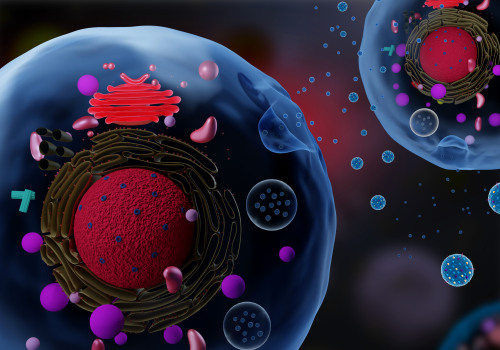
Exosomes are fascinating biological entities that have garnered significant attention in recent years due to their pivotal role in intercellular communication. These extracellular vesicles, typically ranging from 30 to 150 nanometers in diameter, are secreted by various cell types and are found in numerous biological fluids, including blood, urine, and saliva. Their composition is rich and varied, containing proteins, lipids, and nucleic acids such as mRNA and microRNA. This unique cargo allows exosomes to facilitate a multitude of functions within the body, making them essential players in both health and disease.
The primary function of exosomes lies in their ability to mediate communication between cells. They act as messengers, transferring molecular signals that can influence the behaviour of recipient cells. For instance, exosomes can carry proteins that modulate immune responses or genetic material that alters gene expression in target cells. This capability is particularly significant in the context of autoimmune diseases, where the immune system mistakenly attacks healthy tissues. The primary function of exosomes lies in their ability to mediate communication between cells. They act as messengers, transferring molecular signals that can influence the behaviour of recipient cells. For instance, exosomes can carry proteins that modulate immune responses or genetic material that alters gene expression in target cells. This capability is particularly significant in the context of autoimmune diseases, where the immune system mistakenly attacks healthy tissues.
By understanding how exosomes function, researchers can explore their potential as therapeutic agents or biomarkers for these complex conditions. Moreover, the biology of exosomes is intricately linked to their biogenesis and release mechanisms. They originate from the endosomal system of cells, where they are formed through the inward budding of the endosomal membrane, resulting in the creation of multivesicular bodies (MVBs). These MVBs can then fuse with the plasma membrane, releasing exosomes into the extracellular space.
This process is not merely passive; it is tightly regulated by various cellular signals and environmental factors. As we delve deeper into the world of exosomes, it becomes clear that their biological significance extends far beyond simple cellular waste disposal; they are key players in maintaining homeostasis and regulating immune responses.
The Role of the Immune System in Autoimmune Diseases
The immune system is a complex network of cells, tissues, and organs that work together to defend the body against harmful pathogens such as bacteria, viruses, and parasites. It plays a crucial role in maintaining health by identifying and eliminating these threats. However, when the immune system malfunctions, it can lead to a range of disorders, including autoimmune diseases.In a healthy immune response, the body distinguishes between its own cells and foreign invaders.This process involves various components, including:
- White blood cells: These are the primary defenders of the immune system, including lymphocytes (T cells and B cells) that target specific pathogens.
- Antibodies: Produced by B cells, antibodies are proteins that specifically bind to antigens (foreign substances) to neutralise them.
- Cytokines: These are signalling molecules that facilitate communication between immune cells, helping to coordinate the immune response.
- Complement system: A group of proteins that enhance the ability of antibodies and phagocytic cells to clear pathogens from an organism.
- Rheumatoid arthritis:Rheumatoid arthritis: Characterised by inflammation of the joints, leading to pain and potential joint destruction.
- Multiple sclerosis:Multiple sclerosis: In this condition, the immune system attacks the protective covering of nerves, disrupting communication between the brain and the body.
- Lupus: A systemic autoimmune disease that can affect multiple organs, including the skin, joints, kidneys, and heart.
Understanding how these elements interact with the immune system is essential for developing effective treatments.As research progresses, it becomes increasingly clear that therapies targeting specific aspects of the immune response may offer new avenues for managing autoimmune diseases. This is where exosomes, with their unique properties in cell communication and modulation of immune responses, could play a transformative role in treatment strategies.
How Exosomes Interact with the Immune System
Exosomes are increasingly recognised for their role in immune modulation, acting as vital mediators of intercellular communication within the immune system. These nanoscale vesicles, secreted by various cell types, carry a complex cargo of proteins, lipids, and nucleic acids that can influence the behaviour of recipient cells. Understanding how exosomes interact with immune cells is crucial for harnessing their therapeutic potential in treating autoimmune diseases.One of the primary mechanisms by which exosomes exert their effects is through the transfer of bioactive molecules that can modulate immune responses.For instance, exosomes derived from regulatory T cells (Tregs) have been shown to contain immunosuppressive factors that can inhibit the activation and proliferation of effector T cells. This property is particularly significant in the context of autoimmune diseases, where an overactive immune response leads to tissue damage.Moreover, exosomes can also facilitate the resolution of inflammation. They achieve this by delivering anti-inflammatory signals to macrophages and other immune cells, promoting a shift from a pro-inflammatory to an anti-inflammatory state. This transition is essential for restoring homeostasis and preventing chronic inflammation, which is a hallmark of many autoimmune conditions.In addition to their immunomodulatory properties, exosomes play a role in antigen presentation.
Dendritic cell-derived exosomes can present antigens to T cells, thereby influencing T cell activation and differentiation. This process is critical for maintaining immune tolerance and preventing autoimmunity. By modulating the antigenic landscape, exosomes can help steer the immune response away from self-reactivity.The therapeutic application of exosomes in exosome therapy is gaining traction as researchers explore their potential to treat autoimmune diseases. By engineering exosomes to carry specific therapeutic agents or targeting them to particular immune cell populations, it may be possible to create tailored treatments that enhance the body’s natural regulatory mechanisms without broadly suppressing the immune system.In summary, exosomes represent a promising avenue for regulating immune responses due to their ability to modulate inflammation, facilitate antigen presentation, and deliver immunosuppressive signals.
As research continues to uncover the intricate ways in which these vesicles interact with immune cells, they may pave the way for innovative therapies aimed at restoring balance in autoimmune diseases.
Exosomes as Therapeutic Agents in Autoimmune Diseases
Recent advancements in the field of immunology have illuminated the potential of exosomes as therapeutic agents for a variety of autoimmune diseases. These small extracellular vesicles, which are secreted by various cell types, play a pivotal role in intercellular communication and have been shown to possess significant immunomodulatory properties. This section will explore the current research and clinical trials that are investigating the efficacy of exosome therapy in treating autoimmune conditions.One of the most promising areas of research involves the use of exosomes derived from mesenchymal stem cells (MSCs). Studies have indicated that MSC-derived exosomes can modulate immune responses, reduce inflammation, and promote tissue repair.For instance, in conditions such as rheumatoid arthritis (RA), where chronic inflammation leads to joint damage, exosome therapy has demonstrated the ability to suppress pro-inflammatory cytokines and enhance anti-inflammatory pathways. Clinical trials are currently underway to assess the safety and effectiveness of these therapies in RA patients.Another autoimmune condition that may benefit from exosome therapy is multiple sclerosis (MS). Research has shown that exosomes can facilitate the repair of myelin sheaths damaged by autoimmune attacks. In preclinical models, exosomes have been observed to promote oligodendrocyte survival and enhance remyelination, suggesting a potential therapeutic avenue for MS patients.
Ongoing clinical studies aim to evaluate the impact of exosome treatment on disease progression and symptom management.Lupus erythematosus, an autoimmune disease characterised by widespread inflammation and tissue damage, is also being investigated for potential treatment with exosomes. Preliminary findings suggest that exosomes can carry specific microRNAs that may help regulate immune responses in lupus patients. By targeting the underlying mechanisms of autoimmunity, exosome therapy could offer a more tailored approach to managing this complex disease.Furthermore, the versatility of exosome therapy extends beyond specific diseases; it holds promise for a range of autoimmune disorders including inflammatory bowel disease (IBD) and psoriasis. The ability to engineer exosomes with specific therapeutic cargo allows for targeted delivery to affected tissues, enhancing their efficacy while minimising side effects.In conclusion, the therapeutic potential of exosomes in treating autoimmune diseases is an exciting frontier in medical research.
As clinical trials progress and more data becomes available, it is anticipated that exosome-based therapies will emerge as a viable option for patients suffering from these debilitating conditions, offering hope for improved outcomes and quality of life.
Exosomes as Biomarkers for Early Diagnosis
Exosomes, the nanoscale extracellular vesicles secreted by various cell types, have emerged as a promising tool in the realm of diagnostics, particularly for autoimmune diseases. Their ability to encapsulate and transport a diverse array of biomolecules, including proteins, lipids, and nucleic acids, positions them as potential biomarkers for early detection and monitoring of these complex conditions.One of the most significant challenges in managing autoimmune diseases is their often insidious onset and the difficulty in achieving timely diagnosis. Traditional diagnostic methods frequently rely on clinical symptoms and serological tests, which may not provide a comprehensive picture until the disease has progressed. In contrast, exosomes can be isolated from various biological fluids such as blood, urine, and saliva, offering a non-invasive means to assess the state of the immune system.Diagnostic Potential of Exosomes
The diagnostic potential of exosomes lies in their content, which reflects the physiological state of their parent cells.
For instance, exosomes derived from immune cells can carry specific proteins or RNA molecules that indicate an ongoing autoimmune process. Research has shown that certain exosomal markers are associated with conditions like rheumatoid arthritis and lupus, providing insights into disease activity and progression.
- Protein Markers: Specific proteins found in exosomes can serve as indicators of inflammation or immune dysregulation. For example, elevated levels of cytokines or autoantigens within exosomes may signal an active autoimmune response.
- Nucleic Acids: Exosomal microRNAs (miRNAs) have been identified as potential biomarkers due to their role in gene regulation. Changes in miRNA profiles can reflect alterations in immune cell function associated with autoimmune diseases.
- Lipid Composition: The lipid makeup of exosomes can also provide valuable information about cellular stress responses and membrane integrity, which are often compromised in autoimmune conditions.
This capability is particularly crucial given that early intervention can significantly improve patient outcomes.In conclusion, the role of exosomes as biomarkers for early diagnosis of autoimmune diseases represents a significant advancement in medical diagnostics. Their ability to provide real-time insights into the immune system's status could revolutionise how we approach these complex disorders, paving the way for more personalised and effective treatment strategies.
Challenges and Limitations of Exosomal Therapy
While the potential of exosomal therapy in treating autoimmune diseases is promising, several challenges and limitations must be addressed to fully realise its therapeutic benefits. Understanding these obstacles is crucial for researchers and clinicians alike, as they pave the way for future advancements in this innovative field.Standardisation Issues
One of the primary challenges in exosomal therapy is the lack of standardisation in the methods used for isolating and characterising exosomes. Currently, various techniques such as ultracentrifugation, size-exclusion chromatography, and immunoaffinity capture are employed, but these methods can yield inconsistent results.The absence of universally accepted protocols complicates comparisons between studies and hinders the reproducibility of results.
Production Challenges
Another significant limitation is the scalability of exosome production. While laboratory-scale production has shown success, translating these methods to large-scale manufacturing poses logistical challenges. Ensuring that exosomes maintain their functional integrity during mass production is essential for their therapeutic efficacy. Additionally, the cost associated with producing high-quality exosomes can be prohibitive, limiting accessibility for widespread clinical use.Characterisation Difficulties
The characterisation of exosomes is also fraught with difficulties.Exosomes are heterogeneous in nature, varying in size, content, and origin. This variability complicates the identification of specific biomarkers that could be used for targeted therapies or diagnostics. Furthermore, understanding the precise mechanisms by which exosomes exert their effects on immune cells remains an area requiring further investigation.
Regulatory Hurdles
As with any emerging therapy, regulatory hurdles present another challenge. The regulatory landscape for exosomal therapies is still evolving, and navigating this complex environment can delay clinical trials and market entry.Regulatory bodies require comprehensive data on safety and efficacy before approving new treatments, which necessitates extensive research and validation.
The Future of Exosomal Research
Despite these challenges, the future of exosomal research holds great promise. Ongoing studies aim to refine isolation techniques and develop standardised protocols that could enhance reproducibility across different laboratories. Advances in technology may also facilitate more efficient large-scale production methods while maintaining quality control.Moreover, interdisciplinary collaboration among immunologists, biochemists, and engineers will be vital in overcoming existing limitations. By pooling expertise from various fields, researchers can accelerate the development of exosomal therapies and unlock their full potential in treating autoimmune diseases.Future Prospects: The Next Steps in Exosomal Research
The future of exosomal therapy holds immense promise, particularly in the realm of autoimmune diseases.As research continues to evolve, several key areas are emerging that could significantly enhance our understanding and application of exosomes in clinical settings.
Advancements in Exosomal Research
- Isolation and Characterization Techniques: One of the primary challenges in exosomal research is the efficient isolation and characterization of exosomes. Future studies are likely to focus on developing standardized protocols that can yield high-purity exosomes. This will not only facilitate more reliable research outcomes but also enhance the reproducibility of findings across different laboratories.
- Engineering Exosomes: The ability to engineer exosomes with specific therapeutic cargo is a burgeoning field. Researchers are exploring methods to modify exosomal membranes to enhance their targeting capabilities.
This could lead to more effective delivery systems for drugs or genetic material, allowing for tailored treatments that address the unique needs of individual patients.
- Understanding Mechanisms of Action: While the immunomodulatory properties of exosomes are becoming clearer, there is still much to learn about their mechanisms of action. Future research will likely delve deeper into how exosomes interact with various immune cells and modulate inflammatory responses, providing insights that could inform new therapeutic strategies.
Next Steps in Autoimmune Treatment
The integration of exosomal therapy into mainstream treatment protocols for autoimmune diseases will require a multi-faceted approach:
- Clinical Trials: Rigorous clinical trials will be essential to evaluate the safety and efficacy of exosomal therapies. These trials should focus on diverse patient populations to ensure that findings are applicable across different demographics.
- Regulatory Frameworks: As the field progresses, establishing clear regulatory guidelines for the use of exosomes in therapy will be crucial. This will help streamline the approval process for new treatments and ensure patient safety.
- Collaboration Across Disciplines: The complexity of autoimmune diseases necessitates collaboration among immunologists, biochemists, and clinical researchers.
Interdisciplinary partnerships can foster innovation and accelerate the translation of laboratory findings into clinical applications.
Conclusion: The Promise of Exosomes in Revolutionising Autoimmune Disease Treatment
In conclusion, the exploration of exosomes as a therapeutic avenue for autoimmune diseases represents a significant leap forward in medical science. Throughout this discussion, we have highlighted the multifaceted roles that exosomes play in modulating immune responses and their potential to transform the treatment landscape for conditions characterised by an overactive immune system.Autoimmune diseases, such as rheumatoid arthritis, lupus, and multiple sclerosis, pose considerable challenges due to their complex pathophysiology and the limitations of current treatment modalities. Traditional therapies often involve broad immunosuppression, which can lead to adverse effects and increased susceptibility to infections.In contrast, exosomal therapy offers a more targeted approach, harnessing the natural communication pathways of cells to restore balance within the immune system.The immunomodulatory properties of exosomes derived from various cell types have been shown to suppress inflammatory responses effectively. This ability to fine-tune immune activity without compromising overall immune function is particularly promising for patients suffering from chronic autoimmune conditions. Moreover, the potential of exosomes to serve as biomarkers for early diagnosis could revolutionise how these diseases are detected and managed, allowing for timely interventions that could significantly improve patient outcomes.As we look to the future, it is essential to continue investing in research that explores the full capabilities of exosomes. The challenges that remain—such as standardising isolation techniques and ensuring large-scale production—must be addressed to facilitate the clinical application of exosomal therapies.
With ongoing advancements in biotechnology and a deeper understanding of exosomal biology, we stand on the brink of a new era in autoimmune disease treatment.In summary, the promise of exosomes in revolutionising the management of autoimmune diseases cannot be overstated. As we deepen our understanding and refine our methodologies, exosomal therapy has the potential not only to enhance therapeutic efficacy but also to provide patients with safer and more effective treatment options. The journey ahead is filled with possibilities, and it is imperative that we continue to explore this exciting frontier in medicine.