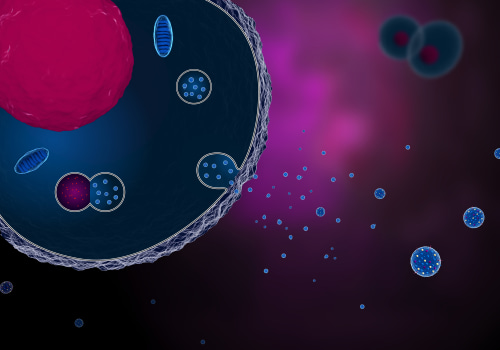
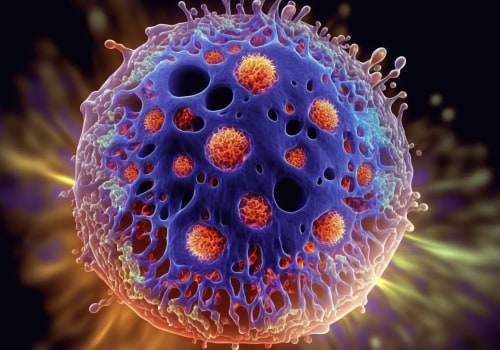
Exosomes are a fascinating class of extracellular vesicles that have emerged as pivotal players in cellular communication. These nanoscale vesicles, typically ranging from 30 to 150 nanometers in diameter, are secreted by various cell types and are found in numerous biological fluids, including blood, urine, and saliva. Their composition is rich in proteins, lipids, and nucleic acids, which allows them to carry a diverse array of molecular signals. This unique ability to encapsulate and transport biomolecules makes exosomes essential for intercellular communication, influencing a wide range of physiological and pathological processes.The primary function of exosomes lies in their role as mediators of communication between cells.
They facilitate the transfer of information by delivering their cargo to recipient cells, thereby modulating various cellular functions. For instance, exosomes can influence gene expression, promote cell proliferation, and even induce apoptosis in target cells. This dynamic exchange of information is crucial for maintaining homeostasis within tissues and organs, as well as for orchestrating responses to environmental changes.In the context of cancer, the significance of exosomes becomes even more pronounced. Tumour cells exploit exosomal communication to create a microenvironment conducive to their growth and survival.
By releasing exosomes that contain oncogenic factors, cancer cells can manipulate surrounding normal cells to support tumour progression. Furthermore, the presence of specific biomarkers within exosomes has led researchers to explore their potential as non-invasive diagnostic tools for cancer detection and monitoring. Understanding the fundamental biology of exosomes is therefore essential for appreciating their multifaceted roles in cancer development and progression.
Exosomes and Cancer: An Overview
Exosomes have emerged as pivotal players in the complex landscape of cancer biology, significantly influencing both cancer progression and the dynamics of the tumor microenvironment. These nanoscale vesicles, secreted by various cell types, including cancer cells, serve as vehicles for intercellular communication, facilitating the transfer of proteins, lipids, and nucleic acids.This communication is crucial for the establishment and maintenance of the tumor microenvironment, which is essential for tumor growth and metastasis.One of the primary roles of exosomes in cancer is their ability to modulate the behavior of surrounding cells within the tumor microenvironment. For instance, exosomes released from cancer cells can alter the phenotype of nearby stromal cells, promoting a supportive environment that favours tumor growth. This interaction can lead to enhanced angiogenesis, where new blood vessels are formed to supply nutrients to the growing tumor. Exosomes can carry pro-angiogenic factors such as vascular endothelial growth factor (VEGF), which directly stimulate endothelial cells to proliferate and migrate.Moreover, exosomes play a critical role in immune evasion by cancer cells.
They can transfer immunosuppressive molecules to immune cells, thereby inhibiting their function and allowing tumors to escape immune surveillance. For example, exosomes from tumor cells may contain programmed death-ligand 1 (PD-L1), which binds to PD-1 receptors on T-cells, leading to T-cell exhaustion and reduced anti-tumor immunity.The influence of exosomes extends beyond local interactions; they can also facilitate distant communication between tumors and other organs. This systemic effect is particularly evident in metastatic cancers, where exosomes can prepare distant sites for colonization by disseminating factors that promote pre-metastatic niche formation. Such mechanisms underscore the importance of exosomes in not only local tumor dynamics but also in shaping the overall metastatic potential of cancer.In summary, exosomes are integral to understanding cancer progression and the tumor microenvironment.
Their multifaceted roles in cell communication highlight their potential as both biomarkers for early detection and therapeutic targets in cancer treatment strategies.
Mechanisms of Exosome-Mediated Tumor Progression
Exosomes play a pivotal role in the complex landscape of tumor progression, acting as mediators of intercellular communication that can significantly influence cancer cell behaviour. These small vesicles are rich in proteins, lipids, and nucleic acids, which they transfer between cells, thereby modulating various signalling pathways that contribute to the malignancy of tumours.One of the primary mechanisms by which exosomes facilitate tumor progression is through the alteration ofExosomes play a pivotal role in the complex landscape of tumor progression, acting as mediators of intercellular communication that can significantly influence cancer cell behaviour. These small vesicles are rich in proteins, lipids, and nucleic acids, which they transfer between cells, thereby modulating various signalling pathways that contribute to the malignancy of tumours.One of the primary mechanisms by which exosomes facilitate tumor progression is through the alteration of signalling pathways. For instance, exosomes derived from cancer cells can carry oncogenic proteins and microRNAs that promote proliferation and survival in recipient cells. This transfer of molecular cargo can activate pathways such as the PI3K/Akt and MAPK pathways, which are crucial for cell growth and survival.By enhancing these signalling cascades, exosomes can create a more favourable environment for tumour growth.Moreover, exosomes are instrumental in the process of angiogenesis , the formation of new blood vessels from pre-existing ones, which is essential for tumours to grow beyond a certain size. They can deliver pro-angiogenic factors such as vascular endothelial growth factor (VEGF) and angiopoietin, stimulating endothelial cells to proliferate and migrate towards the tumour site. This not only supports tumour growth but also facilitates metastasis by providing a route for cancer cells to enter the bloodstream.Another critical aspect of exosome-mediated tumour progression is their role in immune evasion. Tumour-derived exosomes can carry immunosuppressive molecules that inhibit the activity of immune cells, such as T-cells and natural killer (NK) cells.
By doing so, they help create an immunosuppressive microenvironment that allows tumours to escape detection and destruction by the host's immune system.Furthermore, exosomes contribute to cancer cell communication , enabling tumours to coordinate their behaviour. For example, cancer stem cells (CSCs) can release exosomes that influence surrounding non-stem cancer cells, promoting a more aggressive phenotype. This communication can lead to enhanced , enabling tumours to coordinate their behaviour. For example, cancer stem cells (CSCs) can release exosomes that influence surrounding non-stem cancer cells, promoting a more aggressive phenotype. This communication can lead to enhanced drug resistance, as non-stem cells may acquire traits that allow them to survive therapeutic interventions.In summary, the mechanisms by which exosomes mediate tumour progression are multifaceted and involve intricate signalling pathways that affect cell proliferation, angiogenesis, immune evasion, and intercellular communication. Understanding these processes is crucial for developing targeted therapies that can disrupt these pathways and improve treatment outcomes for cancer patients. , enabling tumours to coordinate their behaviour. For example, cancer stem cells (CSCs) can release exosomes that influence surrounding non-stem cancer cells, promoting a more aggressive phenotype. This communication can lead to enhanced drug resistance, as non-stem cells may acquire traits that allow them to survive therapeutic interventions.In summary, the mechanisms by which exosomes mediate tumour progression are multifaceted and involve intricate signalling pathways that affect cell proliferation, angiogenesis, immune evasion, and intercellular communication. Understanding these processes is crucial for developing targeted therapies that can disrupt these pathways and improve treatment outcomes for cancer patients.
Exosomes as Biomarkers for Cancer Detection
Exosomes have emerged as promising biomarkers for cancer detection, offering a non-invasive approach to monitor disease progression and response to treatment.These small vesicles, released by various cell types, carry a wealth of molecular information, including proteins, lipids, and nucleic acids, which reflect the physiological state of their parent cells. This characteristic makes exosomes particularly valuable in the context of cancer diagnostics.One of the most significant advancements in cancer detection is the development of liquid biopsies. Unlike traditional tissue biopsies, which can be invasive and may not always provide a comprehensive view of the tumour landscape, liquid biopsies allow for the analysis of exosomes in bodily fluids such as blood, urine, or saliva. This method not only reduces patient discomfort but also enables real-time monitoring of tumour dynamics.Current research has demonstrated that the molecular content of exosomes can provide critical insights into cancer status.
For instance, specific protein markers associated with certain cancer types can be detected in exosomal samples. Studies have identified unique exosomal signatures for various malignancies, including breast, prostate, and lung cancers. These signatures can aid in early detection and potentially improve patient outcomes by facilitating timely intervention.Moreover, the RNA content within exosomes has garnered attention for its role in cancer diagnostics. MicroRNAs (miRNAs) found in exosomes can serve as indicators of tumour presence and aggressiveness.
For example, elevated levels of certain miRNAs have been linked to poor prognosis in patients with colorectal cancer. By analysing these RNA profiles, clinicians can gain valuable information regarding tumour behaviour and treatment response.Despite the promising potential of exosomal biomarkers in cancer detection, several challenges remain. Standardisation of isolation techniques and validation of biomarkers across diverse populations are critical steps needed to translate these findings into clinical practice. Furthermore, ongoing research is essential to fully understand the biological significance of exosomal content and its implications for cancer management.In conclusion, exosomes represent a frontier in cancer diagnostics, with their ability to provide a snapshot of tumour biology through non-invasive means.
As research progresses, the integration of exosomal analysis into routine clinical practice could revolutionise how we detect and monitor cancer.
Exosomes in Drug Delivery: Opportunities and Challenges
Exosomes have emerged as promising vehicles for drug delivery in cancer therapy, offering a range of advantages over traditional methods. These nanoscale vesicles, naturally secreted by cells, possess unique properties that make them ideal candidates for targeted therapy. One of the most significant benefits of using exosomes is their ability to encapsulate therapeutic agents, including small molecules, proteins, and nucleic acids, while protecting them from degradation in the bloodstream.Moreover, exosomes can facilitate targeted delivery to specific cells or tissues. This is largely due to their surface proteins, which can be engineered to enhance their affinity for particular cell types.For instance, exosomes derived from cancer cells can be modified to express ligands that bind to receptors overexpressed on the surface of tumour cells. This specificity not only increases the efficacy of the delivered drugs but also minimizes off-target effects, thereby reducing potential side effects associated with conventional chemotherapy.Despite these advantages, several challenges remain in the clinical application of exosome-based drug delivery systems. One major hurdle is the isolation and purification of exosomes from biological fluids. Current methods often yield low quantities and may introduce contaminants that affect the therapeutic potential of the exosomes.
Techniques such as ultracentrifugation and size-exclusion chromatography are commonly used but can be time-consuming and may not be scalable for clinical use.Another challenge lies in the stability of exosomes during storage and transportation. Maintaining their integrity is crucial for ensuring that they retain their drug-carrying capabilities. Research is ongoing to develop stabilising agents and optimal storage conditions that can prolong the shelf life of exosome preparations.Furthermore, there is a need for comprehensive studies to evaluate the safety and biodistribution of exosome-based therapies in vivo. Understanding how these vesicles interact with the immune system and their potential immunogenicity is essential for developing safe therapeutic applications.In conclusion, while exosomes present exciting opportunities for enhancing drug delivery in cancer therapy, addressing these challenges will be critical for their successful translation into clinical practice.
Continued research into optimising exosome isolation techniques, improving stability, and assessing safety profiles will pave the way for innovative cancer treatments that leverage the unique properties of these biological vesicles.
Exosome-Induced Drug Resistance in Cancer Treatment
In the realm of cancer treatment, drug resistance poses a significant challenge, often leading to treatment failure and disease progression. One of the critical players in this phenomenon is exosomes, which are small extracellular vesicles that facilitate intercellular communication. These vesicles can transfer various biomolecules, including proteins, lipids, and nucleic acids, between cells, thereby influencing the behaviour of recipient cells.Exosomes contribute to drug resistance through several mechanisms:- Transfer of Resistance Genes: Exosomes can carry genetic material such as mRNA and microRNA that encode for drug resistance traits. When these exosomes are taken up by sensitive cancer cells, they can induce changes that confer resistance to chemotherapy agents.
- Protein Exchange: Exosomes can also transport proteins associated with drug resistance, such as ATP-binding cassette (ABC) transporters.
These proteins can pump out therapeutic agents from the cells, reducing their efficacy.
- Modulation of Tumour Microenvironment: By releasing factors that alter the tumour microenvironment, exosomes can create a niche that supports drug-resistant cell populations. This includes promoting angiogenesis or suppressing immune responses that would otherwise target resistant cells.
- Targeting Exosome Biogenesis: Inhibiting the pathways involved in exosome production may reduce the overall levels of these vesicles in circulation, thereby limiting their ability to transfer resistance traits.
- Blocking Exosome Uptake: Developing agents that prevent cancer cells from taking up exosomes could help maintain the sensitivity of these cells to chemotherapy.
- Utilising Exosomes for Drug Delivery: Interestingly, engineered exosomes can be used to deliver therapeutic agents directly to resistant cancer cells. By exploiting their natural ability to fuse with target cells, these modified exosomes can bypass some of the mechanisms of resistance.
Clinical Applications of Exosome Research in Oncology
The exploration of exosomes in oncology has opened new avenues for clinical applications, particularly in the realms of diagnostics and therapeutics.As research progresses, several clinical trials are underway to evaluate the efficacy of exosome-based strategies in cancer treatment.One of the most promising applications of exosomes is their use as biomarkers for early cancer detection. Clinical trials are investigating the potential of exosomes derived from various bodily fluids, such as blood and urine, to identify specific cancer types. For instance, studies have shown that exosomes can carry unique RNA signatures that reflect the presence of tumours, enabling non-invasive diagnostic methods that could revolutionise early detection.In addition to their diagnostic capabilities, exosomes are being explored as vehicles for targeted drug delivery. Their natural ability to transport proteins, lipids, and nucleic acids makes them ideal candidates for delivering therapeutic agents directly to cancer cells while minimising off-target effects.
Ongoing clinical trials are assessing engineered exosomes loaded with chemotherapeutic drugs or RNA molecules designed to silence oncogenes. These trials aim to determine not only the safety and efficacy of such treatments but also their potential to overcome drug resistance commonly seen in cancer therapies.Furthermore, the role of exosomes in modulating the tumour microenvironment is gaining attention. Research indicates that exosomes can influence immune responses and promote angiogenesis, which are critical factors in tumour growth and metastasis. Clinical studies are examining how manipulating exosome release or composition could enhance anti-tumour immunity or inhibit tumour progression.Looking ahead, the future of exosome research in oncology appears promising.
As our understanding of their biological functions deepens, we anticipate more sophisticated approaches to harnessing exosomes for therapeutic purposes. Innovations in isolation techniques and engineering methods will likely enhance the specificity and efficacy of exosome-based therapies.In conclusion, the clinical applications of exosome research in oncology are rapidly evolving. With ongoing trials and emerging technologies, there is significant potential for exosomes to transform cancer diagnostics and treatment paradigms, paving the way for more personalised and effective therapeutic strategies.
Future Perspectives: The Promise of Exosome Research in Cancer Therapy
The future of exosome therapy in cancer treatment holds immense promise, driven by rapid advancements in our understanding of these vesicles and their multifaceted roles in cellular communication. As research continues to unveil the complexities of exosome biology, several innovative approaches are emerging that could significantly enhance therapeutic strategies against cancer.One of the most exciting prospects is the development of engineered exosomes.By manipulating the molecular content of exosomes, researchers can create tailored delivery systems that target specific cancer cells while minimising off-target effects. This precision medicine approach could lead to more effective treatments with fewer side effects, addressing one of the major challenges in current cancer therapies.Moreover, advancements in nanotechnology are paving the way for improved isolation and characterisation techniques for exosomes. Techniques such as microfluidics and advanced chromatography are enabling scientists to obtain high-purity exosome populations, which is crucial for both research and clinical applications. These technologies not only enhance our ability to study exosomes but also facilitate their use as reliable biomarkers for early cancer detection and monitoring treatment responses.Another area of potential breakthrough lies in the integration of exosome-based therapies with existing treatment modalities, such as chemotherapy and immunotherapy.
For instance, combining exosome-mediated drug delivery with immune checkpoint inhibitors could enhance the efficacy of these therapies by ensuring that therapeutic agents reach their intended targets more effectively.Furthermore, ongoing studies are exploring the role of exosomes in modulating the tumor microenvironment. Understanding how exosomes influence angiogenesis, immune evasion, and metastasis could lead to novel therapeutic strategies that disrupt these processes. By targeting the pathways involved in exosome production and release, researchers may develop interventions that not only inhibit tumor growth but also prevent recurrence.As we look ahead, it is clear that the field of exosome research is on the brink of significant transformation. With continued investment in this area, we may soon witness a new era of cancer therapies that leverage the unique properties of exosomes to improve patient outcomes and revolutionise treatment paradigms.
Conclusion: The Significance of Exosomes in Cancer Research and Treatment
In summary, the exploration of exosomes in the realm of cancer research and treatment has unveiled a multitude of significant insights that could reshape our understanding and approach to this complex disease.As we have discussed, exosomes serve as vital mediators of intercellular communication, facilitating the transfer of molecular information between cells. This capability not only influences tumour progression but also plays a crucial role in the development of drug resistance, which remains one of the most challenging aspects of cancer therapy.The dual nature of exosomes—as both potential therapeutic agents and contributors to cancer cell survival—highlights their complexity. On one hand, engineered exosomes are being investigated for their ability to deliver targeted therapies directly to cancer cells, thereby minimising side effects and enhancing treatment efficacy. On the other hand, their role in promoting drug resistance underscores the need for a nuanced understanding of their functions within the tumour microenvironment.Moreover, the potential of exosomes as biomarkers for early cancer detection and monitoring disease progression cannot be overstated.
Their presence in bodily fluids such as blood and urine makes them accessible targets for non-invasive diagnostic techniques. This accessibility could lead to earlier interventions and improved patient outcomes.As research continues to evolve, it is imperative that we focus on elucidating the molecular mechanisms by which exosomes influence cancer biology. Understanding these pathways will not only enhance our knowledge of tumour dynamics but also pave the way for innovative therapeutic strategies that harness the power of exosomes.In conclusion, the significance of exosomes in cancer research and treatment is profound. They represent a promising frontier in our quest to combat cancer more effectively.
As we deepen our understanding of their roles, we may unlock new avenues for diagnosis, treatment, and ultimately, improved patient care.