Exosomes are small extracellular vesicles, typically ranging from 30 to 150 nanometers in diameter, that play a pivotal role in intercellular communication. These vesicles are secreted by various cell types and are involved in the transfer of proteins, lipids, and nucleic acids, including microRNAs. This cargo can influence the behaviour of recipient cells, thereby modulating numerous physiological processes. As research progresses, the significance of exosomes in health and disease is becoming increasingly apparent, particularly in the context of senescent cellssenescent cells .Senescent cells are those that have permanently exited the cell cycle due to stressors such as DNA damage or oxidative stress.
While this state serves as a protective mechanism against cancer by preventing damaged cells from proliferating, it also leads to a complex phenomenon known as the senescence-associated secretory phenotype (SASP). Senescent cells release a variety of pro-inflammatory cytokines, chemokines, and growth factors that can have both beneficial and detrimental effects on surrounding tissues. This duality is crucial for understanding how senescent cells contribute to disease development.The interplay between exosomes and senescent cells is particularly concerning. Exosomes released from senescent cells can carry harmful signals that promote inflammation and further senescence in neighbouring healthy cells.
This process not only exacerbates tissue damage but also plays a significant role in the progression of various diseases, including diabetes, neurodegenerative disorders, and age-related conditions. By elucidating the mechanisms through which exosomes facilitate cellular communication among senescent and healthy cells, we can better understand their implications for disease development.
Understanding Exosomes: Definition and Function
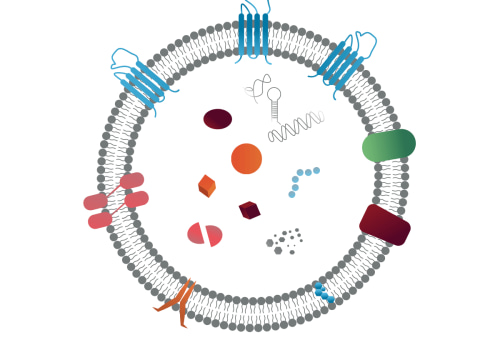
Exosomes are small extracellular vesicles, typically ranging from 30 to 150 nanometers in diameter, that are secreted by various cell types into the extracellular environment. They are formed within the endosomal system of cells and are released when multivesicular bodies fuse with the plasma membrane. This process is crucial for a variety of biological functions, making exosomes significant players in cellular communication.Function of Exosomes
- Intercellular Communication: Exosomes facilitate communication between cells by transferring proteins, lipids, and nucleic acids, including microRNAs and mRNAs.
This transfer can influence the behaviour of recipient cells, altering their function and fate.
- Immune Response: They play a vital role in modulating immune responses. Exosomes derived from antigen-presenting cells can activate T-cells, while those from tumour cells may suppress immune activity, highlighting their dual role in health and disease.
- Tissue Repair: Exosomes contribute to tissue repair mechanisms by delivering growth factors and other molecules that promote healing and regeneration. This is particularly evident in scenarios such as wound healing or recovery from injury.
- Pathogen Defence: Some studies suggest that exosomes can carry antimicrobial peptides and other factors that help defend against pathogens, thus playing a role in innate immunity.
Exosome Biology
The biogenesis of exosomes begins with the inward budding of the endosomal membrane, leading to the formation of intraluminal vesicles (ILVs) within early endosomes. These ILVs are then transported to late endosomes or multivesicular bodies (MVBs), which can either fuse with lysosomes for degradation or with the plasma membrane to release exosomes into the extracellular space.
The composition of exosomes is highly variable and reflects the physiological state of their parent cells, making them valuable biomarkers for various diseases.Understanding the biology of exosomes is essential for appreciating their roles in both normal physiology and pathological conditions. As research continues to uncover their complex functions, exosomes are increasingly recognised as potential therapeutic targets and diagnostic tools in medicine.
The Mechanism of Cellular Senescence
Cellular senescence is a complex biological phenomenon characterised by a state of permanent cell cycle arrest. This process serves as a crucial mechanism for maintaining tissue homeostasis and preventing the proliferation of damaged or dysfunctional cells, which could otherwise lead to malignancies. However, the accumulation of senescent cells over time has been implicated in various age-related diseases, making it essential to understand the underlying mechanisms that drive this process.Causes of Cellular Senescence
- DNA Damage: One of the primary triggers of cellular senescence is DNA damage, which can result from various factors such as oxidative stress, radiation, and exposure to certain chemicals.
When DNA is damaged, cells activate repair mechanisms; if these fail or are overwhelmed, the cell may enter senescence to prevent the propagation of genetic errors.
- Telomere Shortening: Telomeres are protective caps at the ends of chromosomes that shorten with each cell division. Once they reach a critically short length, cells can no longer divide and enter a senescent state. This mechanism acts as a biological clock, limiting the lifespan of somatic cells.
- Oncogenic Stress: The activation of oncogenes can also induce senescence. Cells detect abnormal growth signals and respond by halting their proliferation to prevent tumour formation.
- Microenvironmental Factors: The surrounding cellular environment can influence senescence.
Factors such as inflammation and changes in extracellular matrix composition can trigger senescence in neighbouring cells.
Mechanisms Involved in Cellular Senescence
The transition to cellular senescence involves several intricate biological pathways:
- p53 Pathway: The tumour suppressor protein p53 plays a pivotal role in mediating cellular senescence. Upon sensing DNA damage or other stressors, p53 activates genes that induce cell cycle arrest and promote senescence.
- p16INK4a Pathway: Another critical regulator is p16INK4a, which inhibits cyclin-dependent kinases (CDKs) and prevents progression through the cell cycle. Elevated levels of p16INK4a are often observed in senescent cells.
- SASP (Senescence-Associated Secretory Phenotype): Senescent cells secrete a variety of pro-inflammatory cytokines, chemokines, and growth factors collectively known as SASP. While SASP can have beneficial effects on tissue repair, it can also promote chronic inflammation and contribute to the deterioration of neighbouring healthy cells.
As research continues to uncover the complexities of this process, it becomes increasingly clear that targeting senescent cells or modulating their secretory profiles may offer novel therapeutic avenues for combating age-related diseases and improving healthspan.
The Senescence-Associated Secretory Phenotype (SASP)
The senescence-associated secretory phenotype (SASP) represents a complex and multifaceted response of senescent cells, characterised by the secretion of a diverse array of bioactive molecules. This phenomenon occurs when cells enter a state of permanent cell cycle arrest, often triggered by various stressors such as DNA damage, oxidative stress, or telomere shortening. While initially perceived as a protective mechanism against cancer, the SASP can have both beneficial and detrimental effects on surrounding tissues.Components of the SASP include:- Pro-inflammatory cytokines: These molecules, such as interleukin-6 (IL-6) and interleukin-8 (IL-8), play a crucial role in mediating inflammation and recruiting immune cells to sites of tissue damage.
- Chemokines: These signalling proteins attract immune cells to areas where senescent cells reside, facilitating tissue repair but also potentially exacerbating chronic inflammation.
- Growth factors: Factors like transforming growth factor-beta (TGF-β) can promote tissue regeneration but may also contribute to fibrosis if dysregulated.
- Extracellular matrix components: Senescent cells can alter the composition of the extracellular matrix, impacting cellular behaviour and tissue architecture.
For instance, during wound healing, the recruitment of immune cells facilitated by SASP can enhance tissue regeneration and restore homeostasis.However, the detrimental effects of SASP cannot be overlooked. Chronic secretion of pro-inflammatory factors can lead to a persistent inflammatory environment, contributing to age-related diseases such as osteoarthritis, cardiovascular diseases, and even cancer progression. The spread of senescence through SASP can create a vicious cycle where neighbouring healthy cells are induced into senescence themselves, further perpetuating tissue dysfunction.In summary, while the SASP serves essential functions in tissue repair and immune response, its dual nature highlights the complexity of senescent cells. Understanding these dynamics is crucial for developing therapeutic strategies aimed at modulating SASP activity to harness its benefits while mitigating its harmful consequences.For instance, during wound healing, the recruitment of immune cells facilitated by SASP can enhance tissue regeneration and restore homeostasis.However, the detrimental effects of SASP cannot be overlooked. Chronic secretion of pro-inflammatory factors can lead to a persistent inflammatory environment, contributing to age-related diseases such as osteoarthritis, cardiovascular diseases, and even cancer progression. The spread of senescence through SASP can create a vicious cycle where neighbouring healthy cells are induced into senescence themselves, further perpetuating tissue dysfunction.In summary, while the SASP serves essential functions in tissue repair and immune response, its dual nature highlights the complexity of senescent cells. Understanding these dynamics is crucial for developing therapeutic strategies aimed at modulating SASP activity to harness its benefits while mitigating its harmful consequences.
Exosomes in the Context of SASP
Exosomes play a pivotal role in the senescence-associated secretory phenotype (SASP), acting as key mediators of communication between senescent cells and their surrounding environment.When cells enter a state of senescence, they undergo significant changes, including the release of exosomes that carry a diverse array of molecular cargo. This cargo includes proteins, lipids, and particularly microRNAs (miRNAs), which can profoundly influence the behaviour of neighbouring cells.The relationship between When cells enter a state of senescence, they undergo significant changes, including the release of exosomes that carry a diverse array of molecular cargo. This cargo includes proteins, lipids, and particularly microRNAs (miRNAs), which can profoundly influence the behaviour of neighbouring cells.The relationship between exosomes and SASP is multifaceted. On one hand, exosomes derived from senescent cells can propagate the effects of SASP by transferring their cargo to adjacent healthy cells. This transfer can induce a state of senescence in these neighbouring cells, thereby amplifying the senescent phenotype across tissues.
The miRNAs contained within these exosomes are particularly important; they can modulate gene expression in recipient cells, leading to alterations in cellular functions such as proliferation, apoptosis, and inflammation.Moreover, the role of exosomes in SASP extends beyond merely spreading senescence. They also contribute to the inflammatory milieu characteristic of SASP. The proteins and cytokines released via exosomes can recruit immune cells to sites of tissue damage or stress, further perpetuating inflammation. This inflammatory response is a double-edged sword; while it may aid in tissue repair under certain conditions, chronic inflammation driven by senescent cell-derived exosomes can lead to detrimental effects, including tissue degeneration and the progression of age-related diseases.Understanding the intricate dynamics between exosomes and SASP is crucial for elucidating the dark side of exosome biology.
As researchers continue to uncover the specific mechanisms by which exosomes influence cellular behaviour in the context of SASP, it becomes increasingly clear that targeting these vesicles could offer novel therapeutic avenues for mitigating the adverse effects associated with cellular senescence.
The Dark Side: Exosomes and Disease Progression
Exosomes, the minute extracellular vesicles secreted by cells, have emerged as pivotal players in the progression of various diseases, particularly through their association with senescent cells. These cells, which have permanently exited the cell cycle due to stressors such as DNA damage or oxidative stress, release exosomes that carry a complex array of molecular cargo. This cargo includes microRNAs (miRNAs), proteins, and other bioactive molecules that can significantly influence the behaviour of neighbouring cells and contribute to disease pathology.In the context of diabetes, exosomes derived from senescent cells have been implicated in exacerbating insulin resistance and promoting inflammation. Research indicates that these exosomes can deliver miRNAs that interfere with insulin signalling pathways, leading to impaired glucose metabolism.For instance, specific miRNAs found in exosomes from senescent adipose tissue can alter the function of insulin-responsive cells, thereby contributing to the development of type 2 diabetes. Furthermore, the inflammatory cytokines present in these exosomes can create a microenvironment that fosters chronic inflammation, a hallmark of diabetes complications.Similarly, in Alzheimer's diseaseAlzheimer's disease, exosomes play a critical role in disease progression. Senescent neurons and glial cells release exosomes that contain miRNAs capable of inducing neuronal cell death and promoting neuroinflammation. Studies have shown that these exosomal miRNAs can propagate pathological signals throughout the brain, potentially accelerating cognitive decline.
The presence of amyloid-beta peptides within exosomes further complicates this scenario, as they can aggregate and contribute to the formation of plaques characteristic of Alzheimer's pathology.The implications of exosome-mediated communication extend beyond diabetes and Alzheimer's disease. In various other conditions, such as cardiovascular diseases and cancer, exosomes released from senescent cells may facilitate a similar spread of senescence and inflammation. This highlights a concerning aspect of cellular ageing: while senescence can serve protective roles against cancer, its by-products—particularly through exosome release—can inadvertently promote disease progression.Understanding the dual nature of exosomes is crucial for developing therapeutic strategies aimed at mitigating their detrimental effects. Targeting the pathways involved in exosome biogenesis or altering their cargo could provide new avenues for intervention in diseases driven by senescent cell activity.
Case Studies: Exosome Involvement in Specific Diseases
Understanding the role of exosomes in disease development is greatly enhanced by examining specific case studies that illustrate their involvement in various pathological conditions.These examples not only highlight the mechanisms through which exosomes operate but also underscore their potential as biomarkers and therapeutic targets.
Exosomes in Cancer Progression
One of the most extensively studied areas regarding exosome involvement is cancer. Research has shown that exosomes derived from cancer cells can facilitate tumour progression and metastasis. For instance, a study on breast cancer revealed that exosomes released by malignant cells contained specific microRNAs (miRNAs) that could promote angiogenesis, the formation of new blood vessels, thereby supplying nutrients to the growing tumour. This process is critical for tumour survival and expansion.Exosomes and Neurodegenerative Diseases
Another significant area of research focuses on neurodegenerative diseases, particularly Alzheimer’s disease.Exosomes have been implicated in the transport of amyloid-beta peptides, which are known to aggregate and form plaques in the brains of Alzheimer’s patients. A study demonstrated that exosomes from neuronal cells could carry these toxic proteins, contributing to their spread throughout the brain and exacerbating neurodegeneration. This highlights the dual role of exosomes as both carriers of harmful substances and potential biomarkers for early diagnosis.
Exosomes in Cardiovascular Diseases
Cardiovascular diseases also exhibit a notable connection with exosomal activity. In a recent investigation, it was found that exosomes released from endothelial cells under oxidative stress conditions contained pro-inflammatory cytokines and miRNAs that could induce vascular inflammation.This inflammatory response is a key factor in the development of atherosclerosis, a condition characterised by the hardening and narrowing of arteries.
Exosomal Biomarkers in Diabetes
In diabetes research, exosomes have emerged as potential biomarkers for disease progression. Studies have indicated that exosomes from diabetic patients carry distinct miRNA profiles compared to those from healthy individuals. These differences can provide insights into the underlying mechanisms of insulin resistance and beta-cell dysfunction, paving the way for novel diagnostic tools.These case studies illustrate the multifaceted roles of exosomes in various diseases, emphasising their potential as both mediators of disease progression and targets for therapeutic intervention. As research continues to evolve, understanding these complex interactions will be crucial for developing effective strategies to combat these conditions.Potential Therapeutic Strategies Targeting Exosomes
As the understanding of exosomes and their multifaceted roles in cellular communication deepens, the potential for developing therapeutic strategies targeting these vesicles becomes increasingly apparent.Given their involvement in various pathological processes, particularly in the context of senescent cells, innovative approaches to modulate exosome activity or their cargo could pave the way for novel treatments across a spectrum of diseases.
Modulating Exosome Release
One promising strategy involves the modulation of exosome release from cells. By influencing the mechanisms that govern exosome biogenesis and secretion, researchers may be able to reduce the dissemination of harmful factors associated with senescent cells. For instance, pharmacological agents that inhibit specific pathways involved in exosome formation, such as the endosomal sorting complexes required for transport (ESCRT) pathway, could potentially limit the spread of detrimental miRNAs and proteins.Targeting Exosomal Cargo
Another approach focuses on targeting the cargo within exosomes. Since these vesicles carry a variety of bioactive molecules, including microRNAs, proteins, and lipids, therapeutic interventions could aim to either neutralise or replace these components.For example, delivering therapeutic miRNAs via engineered exosomes could counteract the effects of pathogenic miRNAs released by senescent cells. This strategy not only holds promise for treating diseases like diabetes and neurodegenerative disorders but also offers a method to enhance tissue regeneration.
Exosome-Based Drug Delivery Systems
Exosomes themselves can be harnessed as natural drug delivery vehicles due to their biocompatibility and ability to traverse biological barriers. By loading exosomes with therapeutic agents, researchers can exploit their inherent properties to improve drug efficacy and reduce side effects. This approach is particularly relevant in cancer therapy, where exosomes can be engineered to deliver chemotherapeutic agents directly to tumour cells while minimising exposure to healthy tissues.Future Research Directions
The future of exosome-targeted therapies hinges on several key research directions:- Understanding Exosome Heterogeneity: Further studies are needed to elucidate the diverse populations of exosomes released by different cell types and under various physiological conditions.
- Identifying Biomarkers: Identifying specific biomarkers associated with exosomal cargo could facilitate early diagnosis and monitoring of diseases.
- Clinical Trials: Rigorous clinical trials are essential to evaluate the safety and efficacy of exosome-based therapies in human subjects.
By harnessing their unique properties and understanding their roles in disease progression, researchers can develop innovative strategies that not only mitigate the negative impacts of senescent cells but also enhance overall health outcomes.
Conclusion: The Dual Nature of Exosomes in Health and Disease
In summary, the exploration of exosomes has unveiled a complex and multifaceted role in both health and disease. These minute vesicles, while initially celebrated for their potential in intercellular communication and therapeutic applications, have also revealed a darker side that warrants careful consideration.The dual nature of exosomes is particularly evident in their involvement with senescent cells. On one hand, exosomes can facilitate beneficial processes such as tissue repair and regeneration through the release of growth factors and cytokines. This aspect underscores their potential as therapeutic agents in regenerative medicine.However, the same exosomes can also propagate detrimental effects by spreading senescence to neighbouring cells, thereby contributing to the progression of various diseases.As discussed, the senescence-associated secretory phenotype (SASP) plays a pivotal role in this dynamic. While SASP can aid in clearing damaged cells and promoting healing, it also harbours the potential to induce chronic inflammation and tissue dysfunction. The exosomal cargo from senescent cells, particularly microRNAs, has been shown to impair cellular functions and promote disease states such as diabetes and neurodegenerative disorders.Moreover, the context in which exosomes operate is crucial. The same molecular signals carried by exosomes may have contrasting effects depending on the surrounding cellular environment.
This highlights the need for further research to delineate the specific roles of exosomes in various pathological conditions.Ultimately, understanding the dual nature of exosomes is essential for harnessing their therapeutic potential while mitigating their adverse effects. As we continue to unravel the complexities of exosome biology, it becomes increasingly clear that these tiny vesicles are not merely passive carriers of information but active participants in cellular communication that can influence health outcomes significantly.