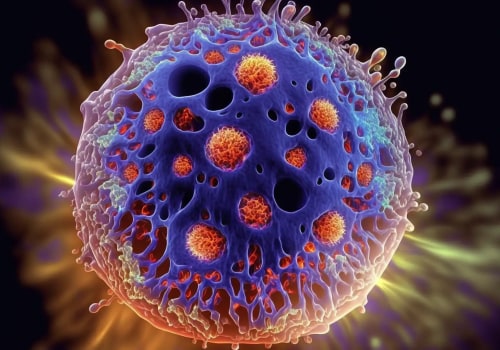
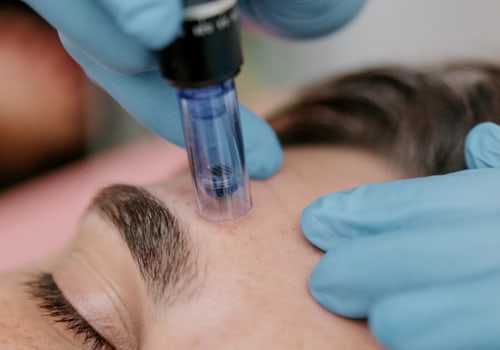
Exosomes are small extracellular vesicles that play a crucial role in intercellular communication, facilitating the transfer of proteins, lipids, and genetic material between cells. These nano-sized vesicles are secreted by various cell types and have garnered significant attention in recent years for their potential therapeutic applications. As researchers delve deeper into the mechanisms of exosome biology, the therapeutic potential of exosomes is becoming increasingly evident, particularly in regenerative medicine and targeted therapies.The growing interest in exosome therapy stems from their ability to modulate immune responses, promote tissue repair, and enhance cellular regeneration. This innovative approach has shown promise in treating a variety of conditions, including neurodegenerative diseases, cardiovascular disorders, and even certain types of cancer.
By harnessing the natural properties of exosomes, clinicians aim to develop treatments that are not only effective but also carry fewer side effects compared to traditional therapies.As with any medical intervention, understanding the full scope of exosome therapy involves recognising both its benefits and limitations. While the potential for positive outcomes is substantial, it is equally important to consider the contraindications associated with exosome treatment. Certain health conditions may preclude individuals from safely undergoing this therapy, making it essential for healthcare providers to conduct thorough assessments before recommending exosome-based treatments.In summary, exosomes represent a frontier in therapeutic innovation, offering exciting possibilities for enhancing health and treating disease. However, as we explore their applications further, it is vital to remain vigilant about the contraindications that may affect patient safety and treatment efficacy.
What Are Exosomes?
Exosomes are small extracellular vesicles, typically ranging from 30 to 150 nanometers in diameter, that play a pivotal role in intercellular communication.They are secreted by various cell types and are found in numerous biological fluids, including blood, urine, and saliva. These vesicles are formed within the endosomal system of cells and are released into the extracellular space when multivesicular bodies fuse with the plasma membrane.The primary function of exosomes is to facilitate the transfer of molecular information between cells. They carry a diverse array of biomolecules, including proteins, lipids, and nucleic acids such as mRNA and microRNA. This cargo can influence the behaviour of recipient cells, modulating processes such as immune responses, cell proliferation, and apoptosis.
As such, exosomes are increasingly recognised for their role in various physiological and pathological processes.In the context of health and disease, exosomes have garnered significant attention for their potential therapeutic applications. They are involved in numerous biological functions, including:
- Cell Communication: Exosomes serve as messengers that convey signals between cells, thereby influencing cellular behaviour and function.
- Immune Modulation: They can modulate immune responses by transferring antigens or immunosuppressive factors to immune cells.
- Tissue Repair: Exosomes derived from stem cells have been shown to promote tissue regeneration and repair by delivering growth factors and other regenerative signals.
- Pathological Processes: In cancer, exosomes can carry oncogenic factors that promote tumour growth and metastasis.
Therefore, a thorough understanding of what exosomes are and how they function is essential for evaluating their safe application in clinical settings.
The Mechanism of Action of Exosomes in Therapy
Exosomes are small extracellular vesicles that play a pivotal role in intercellular communication, particularly in the context of therapeutic applications. They are secreted by various cell types and contain a rich cargo of bioactive molecules, including proteins, lipids, and nucleic acids. This unique composition enables exosomes to facilitate numerous biological processes, making them a promising tool in regenerative medicine and other therapeutic areas.One of the primary mechanisms by which exosomes exert their therapeutic effects is through the delivery of these bioactive molecules to target cells. When exosomes are introduced into the body, they can interact with recipient cells by binding to their surface receptors.This interaction triggers a series of intracellular signalling pathways that can lead to various outcomes, such as enhanced cell proliferation, differentiation, or even apoptosis in certain contexts.Moreover, exosomes have been shown to modulate immune responses. They can carry immunomodulatory factors that help to either stimulate or suppress immune activity, depending on the therapeutic goal. For instance, in conditions where inflammation is detrimental, exosomes can deliver anti-inflammatory signals that help to restore balance and promote healing.In addition to their role in cell signalling and immune modulation, exosomes are also involved in the transfer of genetic material. They can transport microRNAs (miRNAs) and messenger RNAs (mRNAs) that influence gene expression in recipient cells.
This capability is particularly significant in cancer therapy, where exosomes can potentially be used to deliver therapeutic genes directly to tumour cells or to inhibit oncogenic pathways.Understanding the mechanism of action of exosomes is crucial for identifying contraindications for their use. For example, patients with active infections may experience adverse effects if exosome therapy is administered, as the introduction of exosomes could exacerbate inflammatory responses or facilitate the spread of pathogens. Similarly, individuals with autoimmune disorders may have unpredictable reactions due to the immunomodulatory properties of exosomes.In summary, the therapeutic potential of exosomes lies in their ability to deliver bioactive molecules effectively and modulate various biological processes. However, this potential must be carefully weighed against specific contraindications to ensure patient safety and treatment efficacy.
Common Indications for Exosome Therapy
Exosome therapy has emerged as a revolutionary treatment option across various medical fields, offering potential benefits for numerous conditions.Understanding the common indications for exosome therapy is crucial, as it highlights the therapeutic potential while also clarifying the importance of contraindications.Exosomes are small extracellular vesicles that play a significant role in cell communication and regeneration. They are derived from stem cells and contain proteins, lipids, and genetic material that can influence cellular behaviour. Here are some of the key conditions that can benefit from exosome therapy:
- Orthopaedic Injuries: Exosome therapy is increasingly used in treating joint pain, tendon injuries, and cartilage damage. The regenerative properties of exosomes can promote healing and reduce inflammation, making them a valuable option for athletes and individuals with chronic pain.
- Skin Rejuvenation: Many patients seek exosome therapy for aesthetic purposes, such as improving skin texture, reducing wrinkles, and enhancing overall complexion.
The growth factors present in exosomes stimulate collagen production and cellular turnover, leading to a more youthful appearance.
- Hair Restoration: For those experiencing hair loss or thinning, exosome therapy can stimulate hair follicles and promote hair regrowth. Clinical studies have shown promising results in increasing hair density and improving hair quality.
- Neurological Conditions: Emerging research suggests that exosomes may have neuroprotective effects, making them a potential treatment for conditions like Alzheimer’s disease and multiple sclerosis. They may help in reducing inflammation and promoting neuronal repair.
- Cardiovascular Health: Exosomes derived from stem cells have shown potential in repairing heart tissue after myocardial infarction. They can aid in reducing scar formation and improving heart function.
However, it is essential to consider the contraindications associated with this therapy. For instance, individuals with active infections or those who are pregnant or breastfeeding should avoid exosome treatments due to potential risks.In summary, while exosome therapy presents exciting possibilities for treating a range of medical conditions, understanding its indications is vital for ensuring safe and effective use. This knowledge not only helps patients make informed decisions but also underscores the importance of adhering to contraindications to maximise therapeutic outcomes.
Contraindications for Exosome Therapy: An Overview
Exosome therapy has emerged as a promising treatment option in various medical fields, but it is crucial to understand the contraindications associated with this innovative approach. Certain conditions and circumstances may render exosome therapy unsuitable for specific individuals, ensuring patient safety and optimal outcomes.One of the primary contraindications for exosome therapy is pregnancy.The effects of exosomes on fetal development are not well understood, and therefore, it is advisable for pregnant women to avoid this treatment. Similarly, those who are breastfeeding should also refrain from undergoing exosome therapy, as the potential transfer of exosomes through breast milk could pose unknown risks to the infant.Individuals with a history of autoimmune conditions , such as lupus or rheumatoid arthritis, should exercise caution when considering exosome therapy. These conditions can lead to an unpredictable immune response, which may interfere with the intended benefits of the treatment. Furthermore, patients currently undergoing treatment for cancer or those with a history of malignancies should avoid exosome therapy due to the potential for exacerbating their condition or interfering with ongoing treatments.Another critical consideration is the presence of any active infections , particularly at the injection site.
Administering exosomes in such cases could lead to complications and hinder the healing process. Additionally, individuals with known allergies to fish or shellfish should be cautious, as some exosome products are derived from these sources.Moreover, recent use of medications like roaccutane , which is commonly prescribed for severe acne, poses a contraindication for exosome therapy. Patients should wait at least six months after completing this treatment before considering exosome therapy to minimise potential adverse effects.In summary, while exosome therapy offers exciting possibilities for various health issues, it is essential to evaluate individual health circumstances thoroughly. Consulting with a qualified healthcare professional can help determine whether exosome therapy is appropriate based on personal medical history and current health status.
Specific Medical Conditions That Contraindicate Exosome Therapy
Exosome therapy has gained traction in recent years for its potential to promote healing and regeneration.However, it is crucial to understand that certain medical conditions may preclude individuals from safely undergoing this treatment. Below, we explore specific health issues that serve as contraindications for exosome therapy.
Autoimmune Diseases
Individuals with autoimmune diseases should approach exosome therapy with caution. Conditions such as lupus , rheumatoid arthritis, and multiple sclerosis involve the immune system attacking the body’s own tissues. The introduction of exosomes could potentially exacerbate these conditions by further stimulating the immune response.Therefore, patients with a history of autoimmune disorders are generally advised against undergoing exosome therapy.
Cancer and Cancer History
Another significant contraindication for exosome therapy is a current or past diagnosis of cancer. The concern here lies in the possibility that exosomes could inadvertently promote tumour growth or interfere with ongoing cancer treatments. Patients who have undergone cancer treatment, including chemotherapy or radiation, should ideally wait until they have been declared cancer-free for a substantial period before considering exosome therapy. This precaution helps ensure that the treatment does not compromise their recovery or overall health.Active Infections
Exosome therapy should also be avoided in individuals with active infections, particularly at the injection site.The presence of an infection can complicate the healing process and may lead to further complications post-treatment. It is essential for patients to be free from any infections before proceeding with exosome therapy to ensure optimal outcomes.
Other Relevant Health Issues
In addition to autoimmune diseases and cancer, other health issues may also contraindicate the use of exosomes. For instance, individuals who are pregnant or breastfeeding are typically advised against this treatment due to insufficient research on its effects during these critical periods. Furthermore, those with known allergies to fish or shellfish should exercise caution, as some exosome products may be derived from these sources.In summary, while exosome therapy holds promise for various applications, it is vital for potential candidates to discuss their complete medical history with a qualified healthcare provider.This ensures that any underlying conditions are taken into account, thereby safeguarding their health and maximising the efficacy of the treatment.
Pregnancy and Breastfeeding: Special Considerations for Exosome Therapy
When considering exosome therapy, it is crucial to evaluate its implications for pregnant and breastfeeding individuals. The safety of any medical treatment during these sensitive periods is paramount, as both maternal and fetal health can be significantly affected.Exosome Therapy During Pregnancy
Currently, there is limited research on the effects of exosome therapy during pregnancy. Given the unique physiological changes that occur during this time, including hormonal fluctuations and alterations in immune response, the use of exosomes may pose unforeseen risks. As a precautionary measure, most healthcare professionals advise against administering exosome therapy to pregnant individuals.One of the primary concerns is the potential for exosomes to influence fetal development.
Exosomes are known to carry various bioactive molecules, including proteins and RNA, which could interact with the developing fetus in unpredictable ways. Furthermore, the immune system's adaptation during pregnancy may alter how exosomes are processed in the body, potentially leading to adverse effects.
Breastfeeding and Exosome Therapy
For those who are breastfeeding, the considerations surrounding exosome therapy remain equally critical. While exosomes are naturally present in human milk and play a role in infant development, introducing exogenous exosomes through therapy could lead to complications. The transfer of these therapeutic exosomes into breast milk raises questions about their safety for nursing infants.Research has not yet established whether exogenous exosomes can pass into breast milk or what effects they might have on a breastfeeding child.
Therefore, healthcare providers typically recommend postponing exosome therapy until after weaning to eliminate any potential risks to the infant.
Conclusion
In summary, while exosome therapy shows promise for various medical conditions, its use during pregnancy and breastfeeding is fraught with uncertainties. The potential risks to both mother and child necessitate a cautious approach. Individuals considering this treatment should engage in thorough discussions with their healthcare providers to explore alternative options that ensure safety for both themselves and their children.
Allergies and Sensitivities Related to Exosome Therapy
When considering exosome therapy, it is vital to address any potential allergies, particularly those related to fish and shellfish. This is crucial because many exosomal products are derived from these sources, and patients with known allergies may face significant risks if they undergo treatment without proper evaluation.Allergic reactions can vary in severity, ranging from mild symptoms such as skin rashes and itching to more severe responses like anaphylaxis, which can be life-threatening.Therefore, a thorough medical history should be taken to identify any existing allergies before proceeding with exosome therapy.
Understanding Fish and Shellfish Allergies
Fish and shellfish allergies are among the most common food allergies, particularly in adults. These allergies occur when the immune system mistakenly identifies proteins found in fish or shellfish as harmful substances. The body then releases chemicals, including histamines, leading to allergic symptoms.Common symptoms of fish and shellfish allergies include:- Skin reactions: Hives, eczema, or swelling.
- Gastrointestinal issues: Nausea, vomiting, or diarrhoea.
- Respiratory problems: Nasal congestion, asthma-like symptoms, or difficulty breathing.
- Anaphylaxis: A severe reaction that requires immediate medical attention.
Implications for Exosome Therapy
If a patient has a documented allergy to fish or shellfish, it is essential to inform the healthcare provider prior to treatment. In such cases, alternative sources of exosomes may need to be considered.For instance, exosomes can also be derived from human cells or other non-fish sources, which may be safer for individuals with these specific allergies.Moreover, even if a patient does not have a known allergy but has a history of sensitivities or adverse reactions to biological products, caution should be exercised. A pre-treatment assessment may include skin tests or other evaluations to determine the patient's tolerance to exosomal products.In conclusion, understanding the implications of allergies, particularly to fish and shellfish, is crucial for ensuring patient safety during exosome therapy. Patients should engage in open discussions with their healthcare providers about their allergy history to facilitate safe and effective treatment options.
Recent Treatments That May Affect Exosome Therapy Eligibility
When considering exosome therapy, it is crucial to evaluate any recent treatments or medications that may impact a patient's eligibility. Certain therapies can interfere with the effectiveness of exosomes or pose additional risks during treatment.One of the most significant medications to consider is roaccutane , a powerful acne treatment known for its ability to reduce sebum production and prevent severe acne outbreaks.Patients who have undergone treatment with roaccutane within the last six months are generally advised against exosome therapy. This is due to the potential for skin sensitivity and altered healing processes that can complicate the outcomes of exosome injections.In addition to roaccutane, other medications may also contraindicate the use of exosomes. These include:
- Chemotherapy agents: Patients undergoing cancer treatment with chemotherapy drugs may experience compromised immune function, making them unsuitable candidates for exosome therapy.
- Immunosuppressants: Medications that suppress the immune system can hinder the body’s natural response to exosome therapy, potentially reducing its effectiveness.
- Anticoagulants: Blood thinners can increase the risk of bleeding at injection sites, which may lead to complications during and after treatment.
This transparency allows healthcare providers to make informed decisions regarding the suitability of exosome therapy and to tailor treatment plans that prioritise patient safety and optimal outcomes.
<strong>Potential Risks and Side Effects Associated with Exosome Therapy</strong>
Exosome therapy, while promising and innovative, is not without its potential risks and side effects. Understanding these factors is crucial for anyone considering this treatment option. Below are some of the most significant risks associated with exosome therapy:- Infection: As with any procedure that involves injections, there is a risk of infection at the injection site. It is essential to ensure that the procedure is performed in a sterile environment by qualified professionals to minimise this risk.
- Allergic Reactions: Some individuals may experience allergic reactions to the components used in exosome therapy.
This is particularly relevant for those with known allergies to fish or shellfish, as certain exosome preparations may contain these elements.
- Inflammatory Responses: In some cases, patients may experience an inflammatory response following treatment. This can manifest as swelling, redness, or discomfort at the injection site. While these symptoms are often temporary, they can be distressing for patients.
- Autoimmune Reactions: Individuals with autoimmune conditions such as lupus may face heightened risks when undergoing exosome therapy. The introduction of exosomes could potentially trigger or exacerbate autoimmune responses, leading to further complications.
- Cancer Considerations: Patients with a history of cancer or those currently undergoing cancer treatment should approach exosome therapy with caution.
There is a concern that exosomes could stimulate tumour growth or interfere with ongoing treatments.
- Pregnancy and Breastfeeding: Women who are pregnant or breastfeeding are generally advised against undergoing exosome therapy due to the lack of comprehensive studies on its safety in these populations.
- Recent Use of Certain Medications: For instance, individuals who have taken isotretinoin (Roaccutane) within the last six months should avoid exosome therapy, as this medication can affect skin healing and regeneration.