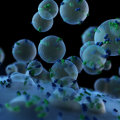
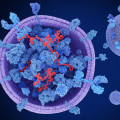
Exosomes are small, membrane-bound vesicles that play a crucial role in intercellular communication. These extracellular vesicles, typically ranging from 30 to 150 nanometers in diameter, are secreted by various cell types and contain a diverse array of molecular cargo, including proteins, lipids, and nucleic acids. This unique composition allows exosomes to facilitate the transfer of bioactive molecules between cells, thereby influencing numerous physiological and pathological processes. In recent years, the significance of exosomes has gained considerable attention, particularly in the context of cancer biology.In the realm of oncology, cancer exosomes have emerged as pivotal players in the progression and metastasis of tumours.
Tumour-derived exosomes can carry specific molecular signatures that reflect the characteristics of their parent cancer cells. This property not only aids in understanding the complex mechanisms underlying cancer development but also positions exosomes as potential biomarkers for early diagnosis and prognosis. By analysing the content of these vesicles, researchers can glean insights into the tumour microenvironment and the interactions between cancer cells and surrounding stromal or immune cells.The role of exosomes in cancer extends beyond mere communication; they are also implicated in promoting drug resistance and immune evasion. For instance, exosomes can transfer oncogenic proteins or microRNAs that enhance the survival and proliferation of cancer cells while simultaneously suppressing anti-tumour immune responses.
This dual functionality underscores the importance of studying exosomes not only as biomarkers but also as therapeutic targets. As we delve deeper into the biology of exosomes, it becomes increasingly clear that they hold significant promise for advancing our understanding of cancer and developing innovative treatment strategies.This dual functionality underscores the importance of studying exosomes not only as biomarkers but also as therapeutic targets. As we delve deeper into the biology of exosomes, it becomes increasingly clear that they hold significant promise for advancing our understanding of cancer and developing innovative treatment strategies.
What Are Exosomes?
Exosomes are a type of extracellular vesicle that play a pivotal role in intercellular communication. They are small membrane-bound vesicles, typically ranging from 30 to 150 nanometers in diameter, and are secreted by various cell types into the extracellular environment. The process of exosome formation begins with the inward budding of the plasma membrane, leading to the creation of early endosomes.These early endosomes can mature into late endosomes, which then undergo further invagination to form multivesicular bodies (MVBs). When MVBs fuse with the plasma membrane, they release exosomes into the extracellular space.One of the defining features of exosomes is their composition. They carry a diverse array of biomolecules, including proteins, lipids, and nucleic acids such as messenger RNA (mRNA) and microRNA (miRNA). This molecular cargo is selectively packaged, reflecting the physiological state of the parent cell and providing insights into its functional status.
The presence of specific proteins on the surface of exosomes can also serve as markers for their cellular origin, making them valuable for diagnostic purposes.Exosomes differ from other types of extracellular vesicles, such as microvesicles and apoptotic bodies, primarily in their size and biogenesis. Microvesicles are larger (typically 100 to 1000 nanometers) and are formed by direct outward budding from the plasma membrane. In contrast, apoptotic bodies are larger still and result from the fragmentation of dying cells. This distinction is crucial for understanding their respective roles in cellular communication and pathology.The structural integrity of exosomes is maintained by a lipid bilayer that encapsulates their contents.
This bilayer is enriched with specific lipids that contribute to their stability and functionality. Additionally, exosomes possess unique protein markers that facilitate their interaction with recipient cells, allowing them to transfer their molecular cargo effectively.In summary, exosomes are essential players in cellular communication, distinguished by their unique biogenesis and composition. Their ability to carry functional biomolecules makes them significant not only in normal physiological processes but also in various pathological conditions, including cancer.
Biogenesis of Exosomes
Exosomes are small extracellular vesicles that play a crucial role in intercellular communication, particularly in the context of cancer. The biogenesis of exosomes is a complex process that involves several key steps, beginning with the inward budding of the plasma membrane of the parent cell.Initially, the formation of exosomes starts with the invagination of the cell membrane, leading to the creation of early endosomes.These early endosomes can then mature into late endosomes or multivesicular bodies (MVBs). Within these MVBs, intraluminal vesicles (ILVs) are formed through a process known as endosomal sorting complex required for transport (ESCRT). This mechanism is essential for the selective packaging of various biomolecules, including proteins, lipids, and nucleic acids.Once the MVBs are formed, they can either fuse with lysosomes for degradation or be transported to the plasma membrane. The fusion of MVBs with the plasma membrane results in the release of exosomes into the extracellular space.
This release is not merely a passive process; it is regulated by various factors, including cellular stress and specific signaling pathways that can influence exosome secretion.The composition of exosomes is highly dependent on their cell of origin. For instance, cancer cells often package specific proteins and RNAs that reflect their malignant state. This selective loading is facilitated by various mechanisms, including:
- Protein sorting: Certain proteins are preferentially incorporated into exosomes based on their lipidation status or interaction with specific sorting signals.
- RNA packaging: Exosomal RNA content includes mRNA and non-coding RNAs, which can be selectively loaded through RNA-binding proteins that recognize specific sequences or structures.
- Lipid composition: The lipid bilayer of exosomes is enriched with specific lipids that can influence their stability and interaction with target cells.
Exosomes in Cancer Development
Exosomes play a pivotal role in the complex landscape of cancer development and progression.These nanoscale extracellular vesicles are secreted by various cell types, including cancer cells, and are instrumental in mediating communication within the tumor microenvironment (TME). The TME comprises not only cancer cells but also stromal cells, immune cells, and extracellular matrix components, all of which interact dynamically to influence tumor behaviour.One of the primary functions of exosomes in cancer is their ability to transfer bioactive molecules such as proteins, lipids, and nucleic acids between cells. This intercellular communication facilitates several critical processes in cancer progression:
- Modulation of Tumor Growth: Exosomes derived from cancer cells can carry growth factors and oncogenic proteins that promote proliferation and survival of neighbouring tumour cells. For instance, exosomes can enhance angiogenesis by delivering vascular endothelial growth factor (VEGF) to endothelial cells, thereby supporting the formation of new blood vessels that supply nutrients to the growing tumour.
- Immune Evasion: Cancer-derived exosomes can alter the immune response by transferring immunosuppressive molecules to immune cells.
This can lead to T-cell apoptosis or dysfunction, allowing tumours to evade detection and destruction by the immune system.
- Stromal Cell Interaction: Exosomes facilitate communication between cancer cells and stromal cells, such as fibroblasts and macrophages. For example, exosomes from breast cancer cells can activate fibroblasts, promoting a pro-tumourigenic stroma that supports cancer progression.
They achieve this by modifying the local environment through the delivery of specific molecular cargo that promotes inflammation and alters tissue architecture.In summary, exosomes are not merely by-products of cellular activity; they are active participants in cancer biology. Their role in facilitating communication within the TME underscores their potential as both biomarkers for early detection and targets for innovative therapeutic strategies aimed at disrupting these malignant interactions.
Exosomal Content: Proteins, Lipids, and Nucleic Acids
Exosomes are intricate nanovesicles that play a pivotal role in cellular communication, particularly in the context of cancer. Their molecular cargo is diverse, comprising proteins, lipids, and nucleic acids, each contributing uniquely to their function and impact on cancer biology.Proteins in Exosomes
Exosomal proteins are crucial for various biological processes, including cell signalling, immune response modulation, and the promotion of tumour progression. These proteins can be classified into several categories:
- Membrane Proteins: These proteins are embedded in the exosomal membrane and facilitate interactions with recipient cells.
They include tetraspanins (such as CD63, CD81, and CD9), which play a role in exosome formation and uptake.
- Cytosolic Proteins: These proteins are derived from the cytoplasm of the parent cell and can influence the behaviour of recipient cells. For instance, proteins involved in apoptosis or cell proliferation can be transferred via exosomes, thereby affecting tumour growth and metastasis.
- Enzymes: Certain enzymes carried by exosomes can modify the extracellular environment or influence metabolic pathways in recipient cells, further promoting cancer progression.
Nucleic Acids in Exosomes
Exosomes are rich in nucleic acids, including messenger RNA (mRNA), microRNA (miRNA), and other non-coding RNAs. These nucleic acids serve as critical mediators of gene expression regulation:
- mRNA: The presence of mRNA in exosomes allows for the transfer of genetic information between cells. This can lead to changes in protein synthesis in recipient cells, potentially altering their behaviour and contributing to cancer progression.
- miRNA: MicroRNAs are small non-coding RNAs that regulate gene expression post-transcriptionally.
They can modulate various cellular processes such as proliferation, apoptosis, and differentiation. Exosomal miRNAs have been implicated in promoting epithelial-mesenchymal transition (EMT) and metastasis in various cancers.
- Long Non-Coding RNAs (lncRNAs): These molecules also play a role in regulating gene expression and can influence cancer cell behaviour through various mechanisms, including chromatin remodelling and transcriptional regulation.
Lipids in Exosomes
The lipid composition of exosomes is equally important as it influences their stability, membrane fluidity, and interaction with target cells. Exosomal membranes are enriched with specific lipids such as sphingolipids and cholesterol, which contribute to their structural integrity and functionality. The lipid content can also affect the loading of proteins and nucleic acids into exosomes.In summary, the complex interplay of proteins, lipids, and nucleic acids within exosomes underscores their significance in cancer biology.
Understanding these components not only sheds light on the mechanisms by which exosomes facilitate intercellular communication but also highlights their potential as biomarkers for diagnosis and targets for therapeutic intervention.
Exosomes as Biomarkers for Cancer Diagnosis and Prognosis
Exosomes have emerged as promising candidates for cancer diagnosis and prognosis, owing to their unique ability to encapsulate and transport a variety of biomolecules, including proteins, lipids, and nucleic acids. These extracellular vesicles are secreted by various cell types, including cancer cells, and reflect the physiological state of their cells of origin. This characteristic makes exosomes particularly valuable in the context of cancer, where they can provide insights into tumour biology and patient outcomes.Recent studies have highlighted the potential of exosomal content as a source of biomarkers for early cancer detection. For instance, specific microRNAs (miRNAs) found in exosomes have been identified as indicators of various cancers, including breast, prostate, and pancreatic cancers.The presence of these miRNAs in bodily fluids such as blood or urine allows for non-invasive testing methods that could significantly improve early diagnosis rates.Moreover, the diagnostic potential of exosomes extends beyond mere detection. Their composition can also provide information about the aggressiveness of a tumour. For example, elevated levels of certain proteins or altered miRNA profiles in exosomes have been correlated with advanced disease stages and poor prognosis. This correlation underscores the prognostic value of exosomal content, which can aid clinicians in tailoring treatment strategies based on individual patient profiles.In clinical settings, the analysis of exosomes is gaining traction as a complementary tool to traditional diagnostic methods.
Techniques such as liquid biopsy allow for the isolation and characterisation of exosomes from patient samples, offering a dynamic view of tumour evolution over time. This approach not only facilitates monitoring treatment response but also helps in identifying potential resistance mechanisms that may arise during therapy.As research continues to evolve, the integration of exosome analysis into routine clinical practice holds great promise. The ability to utilise exosomes as both diagnostic and prognostic biomarkers could revolutionise cancer management by enabling earlier interventions and more personalised treatment plans.
Therapeutic Applications of Exosomes in Cancer Treatment
Exosomes have emerged as a promising avenue in the realm of cancer treatment, primarily due to their unique properties that facilitate intercellular communication and their ability to carry a diverse array of biomolecules. These small extracellular vesicles can be harnessed for drug deliverydrug delivery and as potential therapeutic targets, offering innovative strategies to combat cancer.One of the most significant applications of exosomes in cancer therapy is their role as drug delivery vehicles.Their natural origin allows them to evade the immune system, making them ideal candidates for transporting therapeutic agents directly to cancer cells. Researchers are exploring various methods to load exosomes with anticancer drugs, RNA molecules, or proteins that can specifically target tumour cells. For instance, exosomes derived from dendritic cells have been engineered to carry tumour antigens, enhancing the immune response against cancer cells.Moreover, the lipid bilayer of exosomes is similar to that of cell membranes, which aids in the efficient fusion with target cells. This characteristic not only improves the bioavailability of drugs but also reduces systemic toxicity, a common challenge associated with conventional chemotherapy.
Recent studies have demonstrated that exosomes can be modified to enhance their targeting capabilities. For example, surface modifications using ligands that bind specifically to receptors overexpressed on cancer cells can significantly increase the uptake of therapeutic agents by these cells.In addition to their role in drug delivery, exosomes themselves can serve as therapeutic agents. They contain various bioactive molecules such as microRNAs and proteins that can modulate cellular processes. By understanding the specific contents of exosomes derived from different types of cancer cells, researchers are beginning to identify how these vesicles can be used therapeutically.
For instance, exosomes from certain cancer types may carry miRNAs that inhibit tumour growth or promote apoptosis in malignant cells.Ongoing research is focused on elucidating the mechanisms by which exosomes influence cancer progression and treatment resistance. By targeting these vesicles or their contents, scientists aim to develop novel therapies that could potentially overcome challenges associated with traditional treatments. The ability of exosomes to facilitate communication between cancer cells and their microenvironment also opens up new avenues for therapeutic intervention.In summary, the therapeutic applications of exosomes in cancer treatment are vast and varied. From serving as effective drug delivery systems to acting as direct therapeutic agents, exosomes hold great promise in enhancing the efficacy of cancer therapies while minimising side effects.
Continued research into their biology and functionality will undoubtedly pave the way for innovative treatment strategies that could transform cancer care.
Challenges and Future Directions in Exosome Research
The study of exosomes presents a myriad of challenges that researchers must navigate to fully understand their roles in cancer biology and therapy. One significant challenge is the isolation and characterization of exosomes. Given their small size, typically ranging from 30 to 150 nanometers, and their heterogeneous nature, distinguishing exosomes from other extracellular vesicles can be complex. Current isolation techniques, such as ultracentrifugation, precipitation, and size-exclusion chromatography, often yield exosome preparations that are not entirely pure, leading to potential contamination with other vesicles or proteins.This contamination can obscure the specific functions of exosomes and complicate the interpretation of experimental results.Another challenge lies in the standardization of methodologies. The lack of universally accepted protocols for exosome isolation, characterization, and analysis hampers reproducibility across studies. Variability in sample handling, storage conditions, and analytical techniques can lead to inconsistent findings, making it difficult to draw definitive conclusions about the biological significance of exosomes in cancer.Moreover, our current understanding of the biological functions of exosomes is still limited. While it is established that exosomes play critical roles in intercellular communication and cancer progression, the precise mechanisms by which they influence tumor microenvironments and contribute to drug resistance remain poorly understood.
Future research must focus on elucidating these mechanisms to harness the full potential of exosomes in cancer therapy.Looking ahead, several promising directions for future research on exosomes are emerging. Firstly, advancements in nanotechnology could enhance the specificity and efficiency of exosome isolation methods. Techniques such as microfluidics and advanced imaging could provide more accurate characterisation of exosomal content and function.Secondly, there is a growing interest in exploring the therapeutic applications of engineered exosomes. By modifying exosomes to carry specific therapeutic agents or targeting moieties, researchers could develop novel drug delivery systems that improve treatment efficacy while minimising side effects.Finally, integrating multi-omics approaches , including genomics, proteomics, and metabolomics, could provide a comprehensive understanding of the role of exosomes in cancer biology.
Such integrative studies may reveal new biomarkers for early detection and prognosis as well as novel therapeutic targets.In conclusion, while significant challenges exist in the study of exosomes, ongoing research holds great promise for overcoming these hurdles. By addressing current limitations and exploring innovative methodologies, the scientific community can unlock the potential of exosomes as pivotal players in cancer diagnosis and treatment.
Conclusion: The Promise of Exosome Research in Cancer Therapy
In summary, the exploration of exosomes has unveiled a complex and dynamic role in the landscape of cancer biology. These small extracellular vesicles are not merely byproducts of cellular activity; they are pivotal players in the intricate web of intercellular communication that underpins cancer progression, metastasis, and treatment resistance. The ability of exosomes to carry a diverse array of molecular cargo—including proteins, lipids, and nucleic acids—positions them as both biomarkers and therapeutic agents in the fight against cancer.Throughout this article, we have highlighted several key aspects of exosome research:- Biogenesis and Function: Understanding how exosomes are formed and their functional roles in the tumour microenvironment is crucial for harnessing their potential in clinical applications.
- Diagnostic Potential: Exosomes derived from various cell types can serve as reliable biomarkers for early cancer detection and prognosis, offering a non-invasive method to monitor disease progression.
- Therapeutic Applications: The use of exosomes as vehicles for drug delivery presents a promising avenue for enhancing the efficacy of cancer therapies while minimising side effects.
- Resistance Mechanisms: Investigating how exosomes contribute to therapeutic resistance can provide insights into overcoming challenges associated with current treatment modalities.
As we continue to unravel the complexities of exosome-mediated communication within the tumour microenvironment, we pave the way for innovative strategies that could significantly improve patient outcomes.In conclusion, ongoing research into exosomes is essential for advancing our knowledge and application of these vesicles in cancer therapy. By fostering interdisciplinary collaboration among researchers, clinicians, and biotechnologists, we can unlock the full potential of exosomes, transforming them from mere biological curiosities into powerful tools in the battle against cancer.