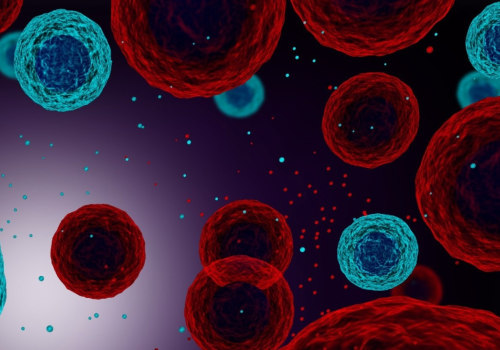
Exosomes are small extracellular vesicles, typically ranging from 30 to 150 nanometres in diameter, that play a pivotal role in intercellular communication. They are secreted by various cell types and contain a complex mixture of proteins, lipids, and nucleic acids, which can include messenger RNA (mRNA) and microRNA (miRNA). This unique composition allows exosomes to facilitate the transfer of molecular information between cells, influencing numerous biological processes. Understanding what exosomes are and their functions is essential for grasping their significance in health and disease.The primary function of exosomes lies in their ability to mediate communication between cells.
They act as vehicles for transporting bioactive molecules, thereby influencing the behaviour of recipient cells. For instance, when exosomes are released into the bloodstream, they can interact with distant cells, delivering signals that may alter cellular functions such as proliferation, differentiation, and immune responses. This mechanism is crucial in various physiological processes, including tissue repair and immune regulation.Moreover, exosomes have garnered significant attention in the field of regenerative medicine due to their potential therapeutic applications. Their natural role in cell-to-cell communication positions them as promising candidates for drug delivery systems and biomarkers for disease diagnosis.
As research continues to unveil the intricate roles of exosomes in cellular dynamics, it becomes increasingly clear that these vesicles are not merely byproducts of cellular activity but rather integral components of biological systems.
The Science Behind Exosomes: Composition and Mechanisms
Exosomes are small extracellular vesicles that play a crucial role in cellular communication and have garnered significant attention in the field of regenerative medicine. Understanding their composition is essential to grasping how they function and their potential therapeutic applications.Typically ranging from 30 to 150 nanometers in diameter, exosomes are composed of a lipid bilayer that encapsulates various biomolecules. The primary components of exosomes include:- Nucleic Acids: Exosomes carry a variety of nucleic acids, including messenger RNA (mRNA), microRNA (miRNA), and other non-coding RNAs. These molecules can influence gene expression in recipient cells, thereby modulating cellular functions.
- Proteins: The protein content of exosomes is diverse, comprising enzymes, receptors, and structural proteins.
These proteins are involved in various biological processes, including cell signalling and immune responses. Notably, the protein composition can vary depending on the cell type from which the exosome originates.
- Lipids: The lipid bilayer of exosomes is not merely a protective barrier; it also plays a role in membrane fusion and cellular uptake. Lipids such as sphingolipids and cholesterol are prevalent in exosomal membranes, contributing to their stability and functionality.
- Endocytosis: Recipient cells can internalise exosomes via endocytosis, allowing the transfer of their contents into the cytoplasm.
- Membrane Fusion: Exosomes can fuse directly with the plasma membrane of target cells, releasing their cargo into the cytosol.
- Receptor-Mediated Uptake: Specific receptors on the surface of recipient cells can recognise and bind to exosomal proteins, facilitating targeted delivery of exosomal contents.
As research continues to unfold, the therapeutic potential of exosomes becomes increasingly evident, paving the way for innovative treatments across a range of medical conditions.
Exosomes in Regenerative Medicine: Current Applications
Exosomes have emerged as a promising avenue in the field of regenerative medicine, offering innovative therapeutic options for a variety of diseases and conditions. These nanoscale extracellular vesicles, secreted by various cell types, play a crucial role in intercellular communication and have been identified as key players in mediating the regenerative effects of stem cells.One of the most notable applications of exosomes is in the treatment of cardiovascular diseases. Clinical studies have demonstrated that exosomes derived from stem cells can enhance cardiac repair following myocardial infarction. For instance, research has shown that these exosomes can promote angiogenesis, reduce inflammation, and improve cardiac function, thereby providing a potential therapeutic strategy for patients suffering from heart-related ailments.In addition to cardiovascular applications, exosomes are being investigated for their role in neurological disorders.Conditions such as Alzheimer’s disease and multiple sclerosis have been targeted in clinical trials exploring the neuroprotective properties of exosomal therapies. Preliminary findings suggest that exosomes can facilitate neuronal survival and regeneration, potentially slowing disease progression.Moreover, exosomes are gaining traction in the realm of oncology. They are being studied for their ability to deliver therapeutic agents directly to cancer cells, thereby enhancing the efficacy of treatments while minimising side effects. For example, exosomes loaded with chemotherapeutic drugs have shown promise in preclinical models by selectively targeting tumour cells and improving drug delivery.Despite these exciting developments, several challenges remain in the clinical application of exosomes.
One significant hurdle is the standardisation of exosome isolation and characterisation methods. Variability in these processes can lead to inconsistent therapeutic outcomes. Furthermore, regulatory frameworks surrounding the use of exosomes in clinical settings are still evolving, necessitating rigorous testing to ensure safety and efficacy.In conclusion, while the potential applications of exosomes in regenerative medicine are vast and varied, ongoing research is essential to fully understand their mechanisms and optimise their use in clinical practice. As we continue to unravel the complexities of these biological entities, exosomes may well revolutionise treatment paradigms across multiple medical disciplines.
Regulatory Landscape: Exosomes and Legal Considerations
The regulatory landscape surrounding exosomes is complex and evolving, particularly in the context of their use in regenerative medicine.In the United States, the Food and Drug Administration (FDA) plays a pivotal role in overseeing the approval and regulation of biological products, including exosomes. Currently, there are no FDA-approved exosome products available on the market, which raises significant concerns for consumers seeking treatment options.Exosomes are classified as biological products , which means they are subject to stringent regulations under the Public Health Service Act and the Federal Food, Drug, and Cosmetic ActFederal Food, Drug, and Cosmetic Act. This classification necessitates that any product intended for therapeutic use undergoes a rigorous pre-market review process to ensure its safety and efficacy. The absence of approved exosome therapies indicates that these products have not yet met the necessary criteria set forth by regulatory authorities.Despite the lack of FDA approval, numerous clinics across the country are offering exosome treatments, often accompanied by claims of miraculous results for various health conditions.
This situation poses a risk to patients who may be misled by unverified claims regarding the effectiveness of these products. The FDA has expressed concern that patients could be exposed to potentially unsafe or ineffective treatments marketed without proper oversight.It is crucial for consumers to be aware of their rights and the legal status of exosome products. Patients considering such treatments should conduct thorough research and consult with qualified healthcare professionals. Understanding the regulatory framework can empower individuals to make informed decisions about their health.Furthermore, it is essential to report any adverse effects associated with exosome therapies or other unapproved regenerative medicine products to the FDA's MedWatch program.
This reporting mechanism helps ensure that safety concerns are addressed and that consumers are protected from potential harm.In summary, while exosomes hold promise in the field of regenerative medicine, their current legal status remains uncertain due to a lack of FDA-approved products. Patients must navigate this landscape carefully, prioritising safety and efficacy when considering treatment options.
Safety Concerns: Risks Associated with Exosome Therapies
As the field of regenerative medicine continues to evolve, exosome therapies have garnered significant attention for their potential benefits. However, it is crucial to address the safety concerns associated with these treatments. Understanding the risks involved can help patients make informed decisions about their healthcare options.One of the primary concerns regarding exosome therapies is the lack of regulatory oversight.Currently, there are no FDA-approved exosome products available on the market, which raises questions about their safety and efficacy. The absence of rigorous clinical trials means that many exosome treatments are being offered without sufficient evidence to support their claims. This situation can lead to patients receiving therapies that may not be safe or effective.Moreover, the methods used to isolate and prepare exosomes can vary significantly between providers. This variability can affect the quality and composition of the exosomes, potentially leading to inconsistent results and unforeseen adverse effects.
For instance, if exosomes are derived from different cell types or processed using unstandardised techniques, their therapeutic properties may differ, increasing the risk of complications.Another critical aspect to consider is the potential for adverse effects. While exosomes are generally considered safer than whole cell therapies due to their smaller size and more predictable biological response, they are not without risks. Some patients may experience inflammatory reactions or immune responses to exosome treatments, particularly if the source cells are not adequately matched to the recipient's immune profile.Additionally, there is a possibility that exosomes could carry unwanted genetic material or proteins that may provoke adverse reactions in patients. The long-term effects of introducing exosomes into the body remain largely unknown, making it essential for patients to weigh these risks against potential benefits.In conclusion, while exosome therapies hold promise in regenerative medicine, it is vital for patients to be aware of the associated risks.
Consulting with qualified healthcare professionals and seeking treatments from reputable providers can help mitigate some of these safety concerns. As research progresses and regulatory frameworks develop, clearer guidelines will hopefully emerge to ensure patient safety in this innovative field.
Future Directions: Research and Innovations in Exosome Therapy
The field of exosome therapy is rapidly evolving, with ongoing research paving the way for innovative applications and potential breakthroughs in various medical disciplines. As scientists delve deeper into the mechanisms of exosomes, their role in intercellular communication, and their therapeutic potential, several promising directions are emerging.Innovative Approaches in Exosome Research
- Targeted Drug Delivery: One of the most exciting areas of research involves utilising exosomes as vehicles for targeted drug delivery. Their natural ability to transport biomolecules makes them ideal candidates for delivering therapeutic agents directly to specific cells or tissues, minimising side effects and enhancing treatment efficacy.
- Biomarker Discovery: Exosomes are rich in proteins, lipids, and nucleic acids, making them valuable sources for biomarker discovery.
Researchers are investigating how exosomal content can be used to diagnose diseases earlier and more accurately, particularly in cancer and neurodegenerative disorders.
- Gene Therapy: The potential of exosomes in gene therapy is also being explored. By engineering exosomes to carry therapeutic genes, researchers aim to develop non-invasive treatments for genetic disorders, offering hope for conditions that currently have limited treatment options.
Clinical Trials and Future Applications
As the understanding of exosome biology expands, clinical trials are increasingly focusing on their therapeutic applications. Several studies are underway to evaluate the safety and efficacy of exosome-based therapies in treating a range of conditions, including:
- Cardiovascular Diseases: Exosomes derived from stem cells are being tested for their ability to promote cardiac repair following myocardial infarction.
- Neurological Disorders: Research is ongoing into the use of exosomes as a treatment for conditions such as Alzheimer’s disease and multiple sclerosis, where they may help modulate inflammation and promote neuronal health.
- Oncology: Exosome-based therapies are being investigated for their potential to enhance anti-tumour immunity and deliver chemotherapeutic agents directly to cancer cells.
This could lead to more effective treatments with fewer side effects, ultimately transforming patient care across various medical fields.
Frequently Asked Questions About Exosomes
As interest in exosomes continues to grow, so do the questions surrounding their use and efficacy. Below are some of the most frequently asked questions about exosomes and their applications in therapy.What are exosomes?
Exosomes are small extracellular vesicles that are secreted by various cell types. They play a crucial role in intercellular communication by transporting proteins, lipids, and nucleic acids between cells. This ability to facilitate communication makes them a focal point in research related to regenerative medicine and therapeutic applications.How are exosomes collected?
Exosomes can be isolated from various biological fluids, including blood, urine, and tissue cultures.The collection process typically involves centrifugation and filtration techniques to separate exosomes from other cellular components. However, the methods used can vary significantly, which may affect the quality and characteristics of the exosomes obtained.
Are exosome therapies safe?
While exosome therapies show promise, it is essential to note that there are currently no FDA-approved exosome products available for clinical use. This lack of regulation raises concerns about safety and efficacy. Patients should exercise caution and consult healthcare professionals before considering any treatment involving exosomes.What conditions can exosome therapy treat?
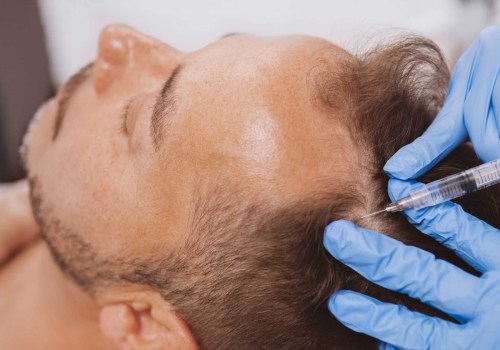
Proponents of exosome therapy claim that it may help with a variety of conditions, including inflammatory diseases, neurodegenerative disorders, and even skin rejuvenation.However, scientific evidence supporting these claims is still limited, and more rigorous clinical trials are needed to establish their effectiveness.
Are there any misconceptions about exosomes?
- Exosomes are a cure-all: One common misconception is that exosomes can cure all diseases. While they have potential therapeutic benefits, they are not a universal solution.
- All exosome products are the same: The quality and composition of exosome products can vary widely depending on their source and method of extraction.
- Exosome therapy is fully approved: Many clinics may market exosome therapies as safe and effective; however, without FDA approval, these claims should be approached with skepticism.
Conclusion: Key Takeaways on Exosomes
In summary, the exploration of exosomes reveals a complex yet fascinating aspect of cellular communication and regenerative medicine. As we have discussed, exosomes are small extracellular vesicles that play a crucial role in intercellular signalling, carrying proteins, lipids, and nucleic acids that can influence various biological processes.Here are the key takeaways regarding exosomes:- Regulatory Landscape: Currently, there are no FDA-approved exosome products available for clinical use. This highlights the importance of understanding the regulatory framework surrounding these products, as they are classified as drugs and biological products under U.
S. law.
- Potential Applications: Despite the lack of approved therapies, exosomes hold significant promise in treating a variety of conditions due to their ability to mediate cellular communication and promote healing. Ongoing research is essential to unlock their full therapeutic potential.
- Safety Concerns: The absence of regulatory approval raises concerns about the safety and efficacy of exosome therapies currently marketed by some clinics. Patients must exercise caution and seek treatments that are backed by robust scientific evidence.
- Research Challenges: The variability in exosome collection methods and their biological content complicates research efforts.
Standardising these processes is vital for advancing our understanding and application of exosomes in medicine.
- Future Directions: Continued investigation into the pharmacokinetics and therapeutic mechanisms of exosomes will be crucial for developing effective treatments. Future clinical trials should focus on establishing clear endpoints to evaluate their efficacy compared to existing therapies.