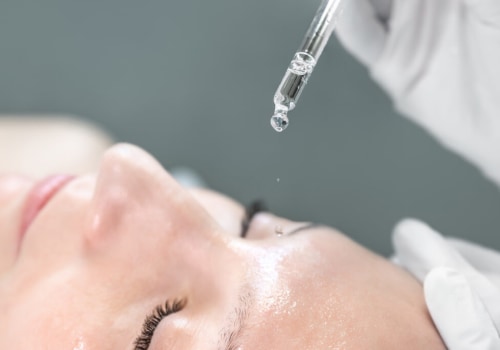
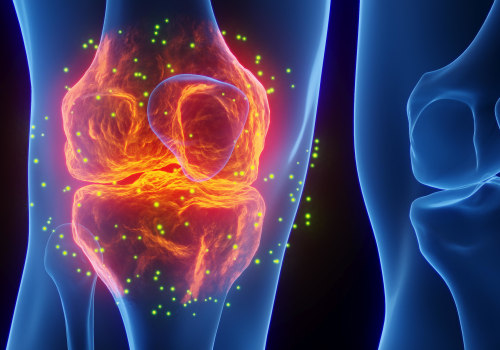
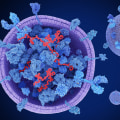
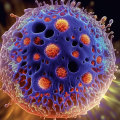
Exosomes are small extracellular vesicles that play a crucial role in intercellular communication. These nano-sized particles, typically ranging from 30 to 150 nanometers, are secreted by various cell types and contain a rich cargo of proteins, lipids, and nucleic acids. Their primary function is to facilitate the transfer of molecular information between cells, thereby influencing numerous biological processes. In recent years, exosomes have garnered significant attention in the field of regenerative medicine due to their remarkable ability to promote healing and tissue regeneration.The role of exosomes in healing is particularly noteworthy.
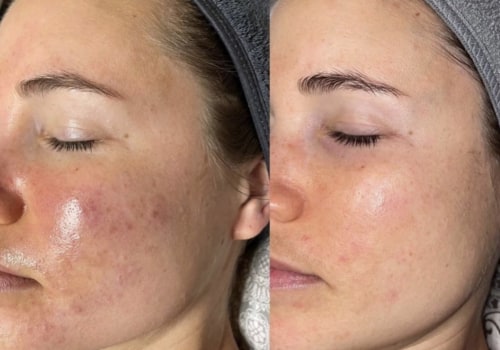
They are involved in various physiological processes such as inflammation, immune response, and tissue repair. When cells are damaged or stressed, they release exosomes that carry signals to neighbouring cells, prompting them to initiate repair mechanisms. This communication is vital for maintaining homeostasis and ensuring that tissues can recover from injury or disease. As a result, exosome therapy has emerged as a promising approach for enhancing recovery in various medical conditions, including musculoskeletal injuries and skin rejuvenation.One of the key benefits of exosome therapy is its ability to harness the body’s natural healing processes.
By delivering bioactive molecules directly to target cells, exosomes can stimulate cellular activities such as proliferation and differentiation. This targeted action not only accelerates healing but also reduces the risk of complications associated with traditional treatments. Furthermore, exosome therapy is minimally invasive and can be tailored to individual patient needs, making it an attractive option for those seeking effective regenerative solutions.Understanding the biological significance of exosomes sets the stage for comprehending why post-treatment care, including exercise restrictions, is essential. The delicate balance of cellular communication facilitated by exosomes can be disrupted by physical stressors such as intense exercise.
Therefore, adhering to recommended guidelines after exosome therapy is crucial for maximising the benefits of this innovative treatment.
The Science Behind Exosome Therapy
Exosome therapy has emerged as a groundbreaking approach in regenerative medicine, leveraging the natural properties of exosomes to facilitate healing and tissue regeneration. Exosomes are small extracellular vesicles secreted by various cell types, playing a crucial role in intercellular communication. They contain proteins, lipids, and nucleic acids that can influence the behaviour of recipient cells, making them a powerful tool in therapeutic applications.How Exosome Therapy Works
The mechanism of exosome therapy is rooted in their ability to transfer bioactive molecules between cells. When exosomes are introduced into the body, they can enhance cellular processes such as proliferation, migration, and differentiation.
This is particularly beneficial in the context of tissue repair and regeneration. For instance, exosomes derived from stem cells have been shown to promote the healing of damaged tissues by:
- Stimulating Cell Growth: Exosomes can release growth factors that encourage the proliferation of local cells, aiding in tissue repair.
- Reducing Inflammation: They possess anti-inflammatory properties that help mitigate the inflammatory response often associated with injury.
- Enhancing Angiogenesis: Exosomes can promote the formation of new blood vessels, ensuring that damaged tissues receive adequate oxygen and nutrients.
Benefits of Exosome Therapy
The benefits of exosome therapy extend beyond mere tissue repair. Research has indicated that this innovative treatment can lead to:
- Improved Recovery Times: Patients undergoing exosome therapy often experience faster recovery from injuries or surgical procedures due to enhanced healing processes.
- Minimally Invasive Treatment: As a non-surgical option, exosome therapy reduces the risks associated with invasive procedures while still delivering significant therapeutic effects.
- Versatility: Exosome therapy can be applied across various medical fields, including orthopaedics, dermatology, and even neurology, showcasing its broad potential.
As more clinical trials are conducted, the understanding of how exosomes can be harnessed for therapeutic purposes will undoubtedly expand, paving the way for innovative treatments that could revolutionise patient care.
Post-Exosome Treatment Guidelines: Why Rest is Crucial
After undergoing exosome therapy, it is essential to adhere to specific post-treatment care guidelines to maximise the benefits of the procedure. One of the most critical recommendations is to avoid strenuous physical activities for a designated period. This precaution is not merely a suggestion; it plays a vital role in ensuring that the exosomes can effectively perform their regenerative functions.Why is Rest Important?
Exosomes are tiny vesicles that facilitate communication between cells and play a significant role in tissue repair and regeneration. When introduced into the body, they need time to settle and exert their effects.
Engaging in vigorous exercise can lead to increased blood flow and pressure, which may inadvertently displace these valuable exosomes from their intended target areas. This displacement can diminish the overall effectiveness of the treatment.Typically, patients are advised to refrain from strenuous activities for at least 24 to 48 hours following the procedure. This period allows the exosomes to integrate into the surrounding tissues without interference. During this time, it is also advisable to avoid hot baths, saunas, or any activities that could cause excessive sweating or irritation.
Recovery Tips
- Prioritise Rest: Ensure you get plenty of sleep and allow your body to recover naturally.
- Stay Hydrated: Drink ample water to support your body’s healing processes.
- Follow a Balanced Diet: Incorporate nutrient-rich foods that promote healing, such as fruits, vegetables, and lean proteins.
- Avoid Alcohol and Smoking: These substances can hinder recovery and should be avoided during the initial healing phase.
However, more intense cardiovascular exercises should typically be postponed for about three to four weeks. This gradual approach helps ensure that the benefits of exosome therapy are fully realised without compromising the treatment's efficacy.In summary, while it may be tempting to resume normal activities immediately after exosome therapy, taking the time to rest and follow these guidelines is crucial for optimal recovery and results. By prioritising your post-treatment care, you can enhance the effectiveness of exosome therapy and support your body’s natural healing processes.
When Can You Resume Exercise After Exosome Therapy?
After undergoing exosome therapy, it is crucial to understand the appropriate timeline for resuming physical activity. The body requires time to heal and for the exosomes to exert their beneficial effects, which can significantly influence the recovery process.Generally, patients are advised to avoid strenuous exercise for a period of 24 to 48 hours following the treatment.This initial rest period is essential as it helps prevent any increase in blood pressure that could displace the exosomes from their intended target area. During this time, the body begins to integrate the exosomes, allowing them to promote healing and regeneration effectively.After the first couple of days, light activities can typically be reintroduced. These may include:
- Gentle walking
- Stretching exercises
- Yoga (non-strenuous)
This can include:
- Cycling at a low intensity
- Swimming (light laps)
- Low-impact aerobics
Types of Exercises to Consider Post-Exosome Treatment
After undergoing exosome therapy, it is crucial to approach exercise with caution to ensure optimal healing and maximise the benefits of the treatment.While it is essential to avoid strenuous activities immediately following the procedure, there are several low-impact exercises that can be safely incorporated into your routine.
Gentle Walking
- Walking is one of the best low-impact exercises you can engage in post-treatment. It promotes circulation without putting undue stress on your body.
- Start with short walks of 10-15 minutes and gradually increase the duration as you feel more comfortable.
Stretching and Flexibility Exercises
- Incorporating gentle stretching can help maintain flexibility and prevent stiffness. Focus on major muscle groups, holding each stretch for 15-30 seconds.
- Consider yoga or Pilates, which emphasise controlled movements and breathing, aiding in relaxation and recovery.
Light Resistance Training
- Once you feel ready, light resistance training can be beneficial. Use resistance bands or light weights to perform exercises that target different muscle groups without overexertion.
- Aim for 1-2 sets of 10-15 repetitions, ensuring you listen to your body and stop if you experience any discomfort.
Low-Impact Cardiovascular Activities
- Activities such as cycling on a stationary bike or swimming can provide cardiovascular benefits while being gentle on your body.
- These exercises can typically be introduced around 3-4 weeks post-treatment, depending on your recovery progress.
Mindful Movement Practices
- Engaging in practices like Tai Chi or Qigong can enhance your recovery by promoting relaxation and mindfulness while gently moving the body.
- These practices not only support physical healing but also contribute to mental well-being during your recovery period.
Always consult with your healthcare provider before starting any new exercise regimen to ensure it aligns with your recovery plan.
Potential Risks of Exercising Too Soon After Exosome Therapy
Exosome therapy has gained popularity for its regenerative properties, particularly in skin rejuvenation and tissue repair. However, engaging in physical activity too soon after treatment can lead to several potential risks and complications that patients should be aware of.One of the primary concerns is the risk of increased inflammation. Exosomes are designed to promote healing and reduce inflammation, but vigorous exercise can counteract these benefits. When the body is subjected to intense physical activity, it can trigger an inflammatory response, which may interfere with the healing process initiated by the exosomes.This could potentially lead to prolonged recovery times and diminished results from the treatment.Additionally, exercising prematurely can result in displacement of exosomes. After exosome therapy, these vesicles need time to settle in the targeted area to exert their effects. Engaging in strenuous activities can increase blood flow and movement in the treated area, which may cause the exosomes to disperse before they have had a chance to integrate into the tissue effectively. This displacement can significantly reduce the efficacy of the treatment.Another risk associated with early exercise is skin irritation.
Following procedures like microneedling combined with exosome therapy, the skin may be sensitive and vulnerable. Activities that cause excessive sweating or friction can exacerbate this sensitivity, leading to discomfort or even complications such as infection. It is crucial to allow the skin adequate time to heal before resuming any form of physical exertion.Moreover, patients may experience increased pain or discomfort if they return to exercise too soon. The body requires time to adjust after receiving exosome therapy, and pushing it too hard can lead to unnecessary strain and soreness.
This not only affects physical well-being but can also discourage individuals from maintaining a consistent exercise routine in the long run.In summary, while maintaining an active lifestyle is important for overall health, caution is advised when it comes to exercising after exosome therapy. To maximise the benefits of treatment and minimise potential risks, it is recommended that patients adhere strictly to their healthcare provider's guidelines regarding post-treatment activity levels. Allowing sufficient time for recovery will ensure that the exosomes can work effectively, leading to optimal results.
FAQs About Exercising After Exosomes
After receiving exosome therapy, many patients have questions regarding their exercise routines and how to best support their recovery. Here are some frequently asked questions that can help clarify common concerns.1.How long should I wait before exercising after exosome treatment?
It is generally recommended to avoid strenuous exercise for at least 24 to 48 hours following exosome therapy.This precaution helps to maintain optimal blood pressure levels, ensuring that the exosomes remain in the targeted area where they can exert their beneficial effects. After this initial period, you may gradually reintroduce light activities.
2.Can I do light exercises like walking or stretching?
Yes, engaging in light activities such as walking or gentle stretching is usually acceptable after the first 24 hours. These low-impact exercises can promote circulation without putting undue stress on your body, aiding in the healing process.3.When can I resume my regular workout routine?
For more intense workouts, particularly those involving cardiovascular training or heavy lifting, it is advisable to wait approximately 3 to 4 weeks. This timeframe allows your body to recover fully and ensures that the exosomes can work effectively in promoting healing and regeneration.4.What types of exercises should I avoid?
- High-intensity interval training (HIIT)
- Heavy weightlifting
- Aerobic classes
- Contact sports
5.What if I experience discomfort while exercising?
If you feel any discomfort or unusual symptoms while exercising post-treatment, it is essential to stop immediately and consult your healthcare provider.Listening to your body is key during the recovery process.
6.Are there any specific guidelines for post-exosome care related to exercise?
In addition to avoiding strenuous activities, it is important to stay hydrated and maintain a balanced diet rich in nutrients that support healing. Incorporating gentle movements and stretches can also be beneficial as you transition back into your regular exercise routine.By following these guidelines and listening to your body, you can ensure a smooth recovery after exosome therapy while still maintaining an active lifestyle.Conclusion: Balancing Recovery and Activity After Exosome Therapy
In conclusion, the journey towards optimal recovery after exosome therapy is a delicate balance between allowing your body the necessary time to heal and gradually reintroducing physical activity. The significance of adhering to post-treatment guidelines cannot be overstated, as these recommendations are designed to maximise the benefits of exosome therapy while minimising potential complications.Initially, it is crucial to recognise that exosomes play a vital role in cellular communication and regeneration. Following treatment, the body requires a period of rest to ensure that these exosomes can effectively perform their functions without interference.Engaging in strenuous activities too soon can lead to increased blood pressure and circulation, which may displace the exosomes from their intended target areas, thereby diminishing their therapeutic effects.Most practitioners recommend a period of at least 24 to 48 hours of rest post-treatment. During this time, patients should avoid high-intensity workouts, heavy lifting, or any activities that could strain the body. Instead, gentle movements such as walking or light stretching can be beneficial, promoting circulation without overwhelming the system.As recovery progresses, typically after a few days, individuals can begin to reintroduce low-impact exercises. Activities such as yoga or swimming can be excellent choices during this phase, as they allow for movement without excessive strain.
It is essential to listen to your body and adjust your activity levels accordingly.After approximately three to four weeks, once the initial healing phase has passed and with your healthcare provider's approval, you may gradually return to more vigorous cardiovascular exercises. This gradual approach not only supports physical fitness but also enhances overall well-being and aids in maintaining the results achieved through exosome therapy.Ultimately, the key takeaway is that while it is important to remain active for long-term health benefits, respecting your body’s need for recovery after exosome therapy is paramount. By following these guidelines and allowing yourself the necessary time to heal, you can ensure that you fully reap the rewards of this innovative treatment.