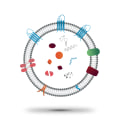
Exosomes are fascinating extracellular vesicles that play a pivotal role in intercellular communication. These nanometre-sized structures, typically ranging from 30 to 150 nanometres in diameter, are secreted by various cell types and are found in numerous biological fluids, including blood, urine, and saliva. Their small size belies their significant impact on cellular processes, as they serve as vehicles for transporting a diverse array of molecular cargo, including proteins, lipids, and nucleic acids. This unique composition allows exosomes to influence the behaviour of recipient cells, making them essential players in both physiological and pathological contexts.The primary function of exosomes lies in their ability to facilitate communication between cells.
By transferring bioactive molecules, they can modulate various biological processes such as immune responses, tissue repair, and even cancer progression. For instance, exosomes derived from immune cells can present antigens to T cells, thereby initiating an immune response against pathogens or tumours. Conversely, exosomes released by cancer cells may carry signals that suppress immune activity, aiding in tumour evasion. This duality highlights the importance of understanding exosome function in both health and disease.Moreover, the significance of exosomes extends beyond mere cellular communication; they are increasingly recognised for their potential applications in diagnostics and therapeutics.
As carriers of specific molecular signatures reflective of their cell of origin, exosomes can serve as non-invasive biomarkers for various diseases, including cancer. Their ability to encapsulate therapeutic agents also positions them as promising candidates for targeted drug delivery systems. As research continues to unveil the complexities of exosome biology, their importance in modern medicine becomes ever more apparent.
What Do Exosomes Carry?
Exosomes are remarkable nanovesicles that serve as carriers of a diverse array of biological molecules, playing a pivotal role in intercellular communication. The composition of exosomes is intricate and varies depending on their cell of origin, but they predominantly contain proteins, lipids, and nucleic acids, including mRNA and microRNA.Proteins
- Exosomes are rich in proteins that are involved in various cellular processes.
These proteins can include:
- Membrane proteins: These proteins facilitate the fusion of exosomes with target cells, allowing for the transfer of their cargo.
- Cytoskeletal proteins: They provide structural integrity to exosomes and may play a role in their formation and release.
- Enzymes: Certain enzymes carried by exosomes can influence metabolic pathways in recipient cells.
Lipids
- The lipid composition of exosomes is crucial for their stability and functionality. Key aspects include:
- Phospholipids: These form the bilayer membrane of exosomes, contributing to their structural properties.
- Sphingolipids: These lipids are involved in cell signalling and can affect the behaviour of recipient cells.
- Cholesterol: This lipid is essential for maintaining membrane fluidity and integrity.
Nucleic Acids
- Exosomes carry various forms of nucleic acids that play critical roles in gene regulation:
- mRNA: Messenger RNA found in exosomes can be translated into proteins in recipient cells, influencing their function.
- microRNA: These small non-coding RNAs are pivotal in regulating gene expression and can modulate cellular responses by targeting specific mRNAs.
The Role of Exosomes in Cell Communication
Exosomes play a pivotal role in cell communication, acting as vital mediators that facilitate the transfer of information between cells. These small extracellular vesicles, typically ranging from 30 to 150 nanometers in diameter, are secreted by various cell types and are found in numerous biological fluids, including blood, urine, and saliva.Their ability to carry a diverse array of bioactive molecules makes them essential for intercellular signaling.One of the primary functions of exosomes is to transport proteins , lipids , and nucleic acids , such as microRNAs (miRNAs) and messenger RNAs (mRNAs), from one cell to another. This cargo can significantly influence the behaviour of recipient cells, altering their physiological state and function. For instance, exosomes derived from immune cells can carry antigens that activate T cells, thereby playing a crucial role in the immune response.Moreover, exosomes are involved in various biological processes, including:
- Cellular Communication: Exosomes enable cells to communicate over long distances, allowing for coordinated responses in complex biological systems.
- Modulation of Cell Behaviour: The molecules carried by exosomes can induce changes in gene expression and cellular activity in target cells, influencing processes such as proliferation, differentiation, and apoptosis.
- Pathological Signalling: In disease contexts, such as cancer or neurodegenerative disorders, exosomes can carry signals that promote disease progression or suppress immune responses.
This selective loading mechanism underscores the potential of exosomes as therapeutic vehicles; by engineering exosomes to carry specific drugs or genetic material, researchers aim to enhance targeted delivery and minimise side effects.In summary, exosomes are not merely byproducts of cellular activity; they are dynamic entities that play a crucial role in intercellular communication. Their ability to transfer bioactive molecules allows them to influence recipient cell behaviour profoundly, making them a focal point of research in both basic biology and therapeutic applications.
Exosomes as Diagnostic Biomarkers
Exosomes have emerged as promising diagnostic biomarkers due to their unique ability to encapsulate and transport a variety of molecular cargo, including proteins, lipids, and nucleic acids. This cargo reflects the physiological state of the originating cells, making exosomes invaluable in the context of disease detection, particularly cancer.One of the most significant advantages of using exosomes as biomarkers is their presence in various biological fluids such as blood, urine, and saliva. This accessibility allows for non-invasive sampling , which is a critical factor in early disease detection.Traditional biopsy methods can be invasive and carry risks; however, liquid biopsies that analyse exosomal content provide a safer alternative.In the realm of cancer detection, exosomes derived from tumour cells often exhibit distinct molecular signatures that can indicate the presence of malignancies. For instance, studies have shown that exosomes can carry specific microRNAs (miRNAs) and proteins that are overexpressed in cancerous tissues. By profiling these components, clinicians can gain insights into the type and stage of cancer, facilitating timely intervention.Moreover, the ability of exosomes to reflect the heterogeneity of tumours is particularly noteworthy. Tumours are not uniform; they consist of various cell types with different genetic profiles.
Exosomes can capture this diversity, providing a more comprehensive view of the tumour's characteristics compared to traditional methods that may only sample a small portion of the tumour.The concept of liquid biopsy has gained traction in recent years, with exosomes at its forefront. This technique allows for real-time monitoring of cancer progression and treatment response by analysing changes in exosomal content over time. For example, a decrease in specific oncogenic miRNAs within exosomes may indicate a positive response to therapy, while an increase could suggest disease progression.In summary, exosomes represent a revolutionary approach to cancer diagnostics. Their ability to provide critical information about disease states through non-invasive means positions them as key players in the future of personalised medicine.
As research continues to unravel the complexities of exosomal biology, their potential as diagnostic tools will likely expand, paving the way for earlier detection and improved patient outcomes.
Therapeutic Applications of Exosomes
Exosomes have emerged as a promising tool in the field of therapeutics, particularly due to their unique properties that facilitate targeted drug delivery and regenerative medicine applications. These nanosized vesicles, secreted by various cell types, are capable of carrying a diverse array of bioactive molecules, including proteins, lipids, and nucleic acids, which can be harnessed for therapeutic purposes.One of the most significant advantages of using exosomes in drug delivery is their ability to encapsulate therapeutic agents and protect them from degradation. This encapsulation not only enhances the stability of the drugs but also allows for controlled release at the target site. The natural origin of exosomes enables them to evade the immune system, reducing the likelihood of adverse reactions and improving the bioavailability of the delivered drugs.In regenerative medicine, exosomes derived from stem cells have shown remarkable potential.They are rich in growth factors and cytokines that promote tissue repair and regeneration. For instance, exosomes from mesenchymal stem cells (MSCs) have been demonstrated to enhance wound healing and reduce inflammation in various models. This regenerative capability is attributed to their ability to modulate cellular responses and promote angiogenesis, making them a valuable asset in treating conditions such as cardiovascular diseases and neurodegenerative disorders.Moreover, exosomes play a crucial role in cancer therapy. They can be engineered to carry specific therapeutic agents directly to tumour cells, thereby minimising damage to surrounding healthy tissues.
This targeted approach not only increases the efficacy of the treatment but also reduces side effects commonly associated with conventional therapies. Recent studies have highlighted the potential of exosome-based therapies in delivering RNA-based therapeutics, such as small interfering RNA (siRNA) or messenger RNA (mRNA), which can silence oncogenes or restore tumour suppressor genes.In conclusion, the therapeutic applications of exosomes are vast and varied. Their ability to serve as natural delivery vehicles for drugs and their inherent regenerative properties position them as a revolutionary approach in modern medicine. As research continues to uncover their mechanisms and enhance their functionalities, exosomes are likely to play an increasingly pivotal role in both cancer treatment and regenerative therapies.
Exosomes in Immune Response and Cancer Development
Exosomes play a pivotal role in the immune response, particularly in the context of cancer, where they exhibit a dual functionality that can either enhance or inhibit immune activity.These small extracellular vesicles are secreted by various cell types, including immune cells and tumour cells, and carry a diverse array of bioactive molecules such as proteins, lipids, and nucleic acids. This unique cargo allows exosomes to influence the behaviour of recipient cells significantly.One of the primary ways exosomes modulate the immune response is through their ability to present antigens. Exosomes derived from antigen-presenting cells (APCs) , such as dendritic cells, can encapsulate and transport tumour-associated antigens to T cells. This process is crucial for initiating an effective anti-tumour immune response.
By presenting these antigens, exosomes can stimulate T cell activation and proliferation, thereby enhancing the body's ability to recognise and eliminate cancer cells.Conversely, exosomes can also facilitate immune evasion by tumours. Cancer cells often release exosomes that contain immunosuppressive factors, which can inhibit the activation and function of various immune cells, including T cells and natural killer (NK) cells. For instance, exosomes from malignant cells may carry programmed death-ligand 1 (PD-L1), a molecule that binds to PD-1 receptors on T cells, effectively turning off their activity. This mechanism allows tumours to escape immune surveillance and continue proliferating.Moreover, exosomes can influence the tumour microenvironment by promoting the recruitment of regulatory T cells (Tregs) and myeloid-derived suppressor cells (MDSCs), both of which contribute to an immunosuppressive milieu that favours cancer progression.
The presence of these cell types can further dampen the overall immune response against the tumour.In summary, exosomes serve as critical mediators in cancer immunology by both enhancing anti-tumour immunity through antigen presentation and suppressing immune responses via the delivery of immunosuppressive signals. Understanding these complex interactions is essential for developing novel therapeutic strategies that harness the potential of exosomes in cancer treatment.
Challenges and Future Directions in Exosome Research
The field of exosome research is rapidly evolving, yet it faces several significant challenges that must be addressed to unlock the full potential of these nanovesicles in both diagnostic and therapeutic applications. One of the primary hurdles is the isolation of exosomes from various biological fluids. Current methods, such as ultracentrifugation, precipitation, and size-exclusion chromatography, often yield exosome preparations that are contaminated with other extracellular vesicles or cellular debris.This contamination can obscure the true biological activity of exosomes and complicate downstream analyses.Moreover, the characterization of exosomes presents another layer of complexity. Exosomes are heterogeneous in nature, varying in size, composition, and surface markers depending on their cell of origin and physiological state. Standardized protocols for characterizing exosomal content—such as proteins, lipids, and nucleic acids—are still lacking. This inconsistency can lead to difficulties in comparing results across different studies and may hinder the reproducibility of findings.Furthermore, there is a pressing need for standardization in exosome research methodologies.
The absence of universally accepted guidelines for exosome isolation and characterization can result in significant variability in research outcomes. Establishing standard operating procedures (SOPs) would not only enhance the reliability of data but also facilitate collaboration among researchers in the field.Looking towards the future, advancements in exosome technology hold great promise. Innovations such as microfluidic devices and nanotechnology-based approaches are being developed to improve the efficiency and specificity of exosome isolation. These technologies could enable researchers to obtain purer exosome populations more quickly, thereby enhancing the quality of subsequent analyses.Additionally, integrating advanced analytical techniques like mass spectrometry and next-generation sequencing will allow for a more comprehensive understanding of exosomal cargo.
This could lead to the identification of novel biomarkers for various diseases and pave the way for targeted therapies that utilize exosomes as delivery vehicles.In conclusion, while challenges in isolation, characterization, and standardization persist in exosome research, ongoing technological advancements offer exciting opportunities for future studies. By addressing these issues head-on, researchers can harness the full potential of exosomes in clinical applications, ultimately improving patient outcomes.
Conclusion: The Promise of Exosomes in Medicine
In conclusion, exosomes represent a fascinating frontier in the realm of medical science, offering profound insights into cellular communication and potential therapeutic applications. These nanoscale vesicles, which are secreted by various cell types, carry a diverse array of biomolecules, including proteins, lipids, and nucleic acids. This unique composition not only reflects the physiological state of their parent cells but also plays a pivotal role in intercellular signalling.The significance of exosomes extends beyond mere cellular communication; they hold immense promise as diagnostic biomarkers.Their presence in bodily fluids such as blood, urine, and saliva allows for non-invasive sampling, making them ideal candidates for liquid biopsies. By analysing the molecular content of exosomes derived from cancer cells or other pathological conditions, researchers can gain valuable insights into disease progression and response to treatment.Moreover, the therapeutic potential of exosomes is equally compelling. As natural carriers of bioactive molecules, they can be engineered to deliver drugs or genetic material directly to target cells, enhancing the efficacy of treatments while minimising side effects. This targeted delivery system could revolutionise approaches to diseases such as cancer, neurodegenerative disorders, and autoimmune conditions.Furthermore, exosomes play a crucial role in modulating immune responses.
They can facilitate antigen presentation and influence the behaviour of immune cells, thereby contributing to both immune activation and suppression. This dual role underscores their complexity and highlights the need for further research to fully understand their mechanisms of action.As we continue to unravel the intricacies of exosome biology, it becomes increasingly clear that these vesicles are not merely by-products of cellular activity but rather key players in health and disease. The ongoing exploration into their biogenesis, cargo composition, and interactions with recipient cells will undoubtedly pave the way for innovative diagnostic and therapeutic strategies in the near future.In summary, the promise of exosomes in medicine is vast. Their ability to serve as both biomarkers and therapeutic vehicles positions them at the forefront of biomedical research.
As our understanding deepens, we may soon witness a paradigm shift in how we approach diagnosis and treatment across a spectrum of diseases.