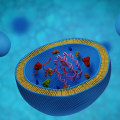
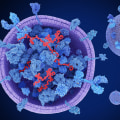
Exosomes are extracellular vesicles that play a crucial role in intercellular communication. These tiny, membrane-bound structures, typically ranging from 30 to 150 nanometers in diameter, are secreted by various cell types and are found in numerous biological fluids, including blood, urine, and breast milk. Their composition is rich in proteins, lipids, and nucleic acids, which allows them to carry a diverse array of molecular signals. This unique ability to encapsulate and transport bioactive molecules makes exosomes essential players in numerous physiological processes.The primary function of exosomes is to facilitate communication between cells. that play a crucial role in intercellular communication. These tiny, membrane-bound structures, typically ranging from 30 to 150 nanometers in diameter, are secreted by various cell types and are found in numerous biological fluids, including blood, urine, and breast milk. Their composition is rich in proteins, lipids, and nucleic acids, which allows them to carry a diverse array of molecular signals. This unique ability to encapsulate and transport bioactive molecules makes exosomes essential players in numerous physiological processes.The primary function of exosomes is to facilitate communication between cells.
They achieve this by transferring their cargo—such as microRNAs, proteins, and lipids—to recipient cells, thereby influencing their behaviour and function. This process is vital for maintaining homeostasis within the body and plays a significant role in various biological activities, including immune responses, tissue repair, and cellular metabolism. Furthermore, exosomes have been implicated in the pathogenesis of several diseases, including cancer and neurodegenerative disorders, highlighting their importance in both health and disease.Understanding the definition and function of exosomes is fundamental to appreciating their potential applications in improving human health. As research continues to unveil the myriad ways in which these vesicles contribute to cellular communication and systemic health, the prospect of harnessing food-derived exosomes for therapeutic purposes becomes increasingly promising.
By exploring their origins in everyday foods and their biological significance, we can begin to unlock new avenues for enhancing health through dietary choices.
The Role of Exosomes in Nutrition
Exosomes, the minute extracellular vesicles that facilitate intercellular communication, are increasingly recognised for their presence in various food sources and their potential nutritional benefits. These vesicles are not merely by-products of cellular processes; they carry a wealth of bioactive molecules, including proteins, lipids, and nucleic acids, which can influence health when consumed through diet.Research has identified several foods that are particularly rich in exosomes, each offering unique health benefits:Exosomes, the minute extracellular vesicles that facilitate intercellular communication, are increasingly recognised for their presence in various food sources and their potential nutritional benefits. These vesicles are not merely by-products of cellular processes; they carry a wealth of bioactive molecules, including proteins, lipids, and nucleic acids, which can influence health when consumed through diet.Research has identified several foods that are particularly rich in exosomes, each offering unique health benefits:- Grapes: Known for their high antioxidant content, grapes also contain exosomes that may help reduce inflammation and combat oxidative stress. The exosomal cargo from grapes has been linked to improved cardiovascular health.
- Grapefruit: This citrus fruit is not only refreshing but also a source of exosomes that can enhance metabolic processes. Studies suggest that grapefruit-derived exosomes may play a role in regulating blood sugar levels and supporting weight management.
- Ginger: Renowned for its anti-inflammatory properties, ginger contains exosomes that can modulate immune responses.
The consumption of ginger-derived exosomes may aid in alleviating symptoms of gastrointestinal disorders.
- Carrots: Rich in beta-carotene and other antioxidants, carrots also provide exosomes that can support skin health and improve vision. The bioactive compounds within carrot exosomes may contribute to cellular repair mechanisms.
Their ability to deliver bioactive compounds directly to target cells makes them promising candidates for developing functional foods aimed at preventing or managing chronic diseases.In summary, the presence of exosomes in various foods highlights their significance in nutrition. As research continues to unveil the myriad benefits associated with these tiny vesicles, incorporating foods rich in exosomes into our diets may offer a simple yet effective strategy for enhancing health and well-being.
Health Benefits of Food-Derived Exosomes
Food-derived exosomes have garnered significant attention in recent years due to their remarkable health benefits. These tiny vesicles, which are rich in bioactive molecules, play a crucial role in modulating various physiological processes within the human body. Among their many advantages, the most notable include their anti-inflammatory , anti-cancer , and potential anti-aging properties.Anti-Inflammatory Properties
Chronic inflammation is a precursor to numerous health issues, including cardiovascular diseases, diabetes, and autoimmune disorders.
Research has shown that food-derived exosomes can significantly reduce inflammation by modulating immune responses. For instance, exosomes derived from fruits such as grapes and berries contain polyphenols that have been linked to decreased levels of pro-inflammatory cytokines. These cytokines are proteins that signal inflammation in the body, and by reducing their levels, exosomes can help mitigate chronic inflammatory conditions.
Anti-Cancer Effects
The potential of food-derived exosomes in cancer prevention and treatment is particularly promising. Studies indicate that these exosomes can inhibit cancer cell proliferation and induce apoptosis (programmed cell death) in various cancer types.
For example, exosomes from green tea have been found to contain compounds that can suppress the growth of breast cancer cells. Furthermore, the delivery of therapeutic agents via food-derived exosomes enhances their efficacy while minimising side effects, making them a valuable tool in cancer therapy.
Anti-Aging Properties
As we age, our bodies undergo various changes that can lead to a decline in health. Exosomes derived from certain foods may help combat these effects by promoting cellular repair and regeneration. They are known to carry microRNAs and proteins that can influence gene expression related to aging processes.
For instance, research has suggested that exosomes from olive oil can enhance skin hydration and elasticity, potentially reducing the visible signs of aging.In conclusion, the health benefits of food-derived exosomes are vast and varied. Their ability to combat inflammation, inhibit cancer progression, and promote anti-aging effects highlights their potential as a natural supplement for improving overall health. As research continues to unfold, we may discover even more applications for these remarkable vesicles in enhancing human well-being.
Exosomes in Infant Health: The Importance of Breast Milk
Breast milk is often heralded as the optimal source of nutrition for infants, but its benefits extend far beyond mere sustenance. One of the most significant components of breast milk is exosomes, which are tiny extracellular vesicles that play a crucial role in the development and health of infants.Exosomes in breast milk are rich in bioactive molecules, including proteins, lipids, and nucleic acids, which contribute to various physiological processes.These vesicles are not only involved in nutrient delivery but also serve as vital mediators of immune function. The presence of exosomes helps to establish and modulate the infant's immune system, providing a protective effect against infections and diseases.
Immune Development
- Exosomes contain immunoglobulins and other immune-related proteins that help to enhance the infant's immune response.
- They facilitate communication between cells, promoting the maturation of immune cells such as T cells and B cells.
- The anti-inflammatory properties of exosomes can help to reduce the risk of allergic reactions and autoimmune disorders in infants.
Overall Well-Being
- Exosomes have been linked to improved gut health in infants by promoting a balanced gut microbiome, which is essential for digestion and overall health.
- They may also play a role in brain development, as certain exosomal microRNAs have been associated with neurodevelopmental processes.
- The presence of exosomes in breast milk supports metabolic functions, aiding in nutrient absorption and utilisation.
As research continues to uncover the complexities of these tiny vesicles, it becomes increasingly clear that they are indispensable for nurturing healthy infants during their critical early stages of life.
Exosome Composition: Variations and Implications
Exosomes are complex nanovesicles that play a pivotal role in intercellular communication, carrying a diverse array of biomolecules, including proteins, lipids, and nucleic acids. The composition of exosomes can vary significantly depending on their source, which has profound implications for their functionality and potential health benefits.Composition of Exosomes
- Proteins: Exosomes contain a unique set of proteins that reflect their cellular origin. These proteins can include membrane proteins, cytosolic proteins, and those involved in cell signalling. For instance, exosomes derived from grapes may carry specific polyphenolic compounds that contribute to their antioxidant properties.
- Nucleic Acids: Exosomes are rich in various types of RNA, including microRNAs (miRNAs) and messenger RNAs (mRNAs).
These nucleic acids can influence gene expression in recipient cells, potentially modulating physiological processes such as inflammation and immune responses.
- Lipids: The lipid composition of exosomes is crucial for their stability and function. Different food sources yield exosomes with varying lipid profiles, which can affect their ability to fuse with target cells and deliver their cargo effectively.
Variations in Exosome Content
The content of exosomes can be influenced by several factors, including the type of food source and the method of processing. For example, cooking methods may alter the integrity and composition of exosomes found in vegetables or fruits. Additionally, the ripeness of fruits at the time of harvest can also impact the concentration and type of bioactive compounds present within their exosomes.
Maternally Influenced Factors
Maternal health plays a significant role in determining the composition of exosomes found in breast milk.
Research indicates that factors such as maternal diet, health status, and even stress levels can influence the concentration and types of exosomal cargo. For instance:
- Maternal dietary choices rich in omega-3 fatty acids may enhance the anti-inflammatory properties of breast milk-derived exosomes.
- Women with allergies may produce milk with altered exosomal profiles, potentially affecting the infant's immune development.
- The presence of certain diseases during pregnancy can lead to changes in the protein content of exosomes, which may have implications for infant health.
Exosome Delivery Systems: Therapeutic Applications
Exosomes, particularly those derived from food sources, are emerging as promising vehicles for the delivery of therapeutic agents. Their unique properties, including biocompatibility and ability to encapsulate a variety of bioactive molecules, make them ideal candidates for medical applications.One of the most significant advantages of using food-derived exosomes in drug delivery systems is their natural origin, which enhances their acceptance by the human body.Unlike synthetic carriers, exosomes are less likely to provoke an immune response, allowing for safer and more effective treatment options. This characteristic is particularly beneficial in chronic disease management, where long-term administration of therapeutic agents is often required.Moreover, exosomes possess a lipid bilayer structure that facilitates the fusion with recipient cell membranes. This feature enables them to deliver their cargo directly into target cells, enhancing the bioavailability and efficacy of therapeutic compounds. For instance, studies have shown that exosomes can effectively transport RNA molecules , proteins, and even small drugs to specific tissues, thereby improving treatment outcomes.In the realm of cancer therapy, food-derived exosomes have demonstrated potential in delivering chemotherapeutic agents directly to tumour cells while minimising damage to healthy tissues.
This targeted approach not only increases the concentration of drugs at the site of action but also reduces systemic side effects commonly associated with conventional chemotherapy.Additionally, exosomes can be engineered to carry specific therapeutic agents tailored for individual patients. This personalised medicine approach is gaining traction as it allows for treatments that are more aligned with a patient’s unique biological makeup. For example, exosomes derived from certain fruits or vegetables can be modified to enhance their targeting capabilities towards specific cancer markers.Furthermore, research indicates that food-derived exosomes may play a role in modulating the gut microbiome, which is increasingly recognised as a critical factor in overall health and disease management. By delivering probiotics or prebiotics through exosomes, it may be possible to enhance gut health and improve metabolic conditions.In conclusion, the therapeutic applications of food-derived exosomes as delivery systems are vast and varied.
Their ability to encapsulate and transport a range of bioactive compounds while maintaining biocompatibility positions them as a revolutionary tool in modern medicine. As research continues to unfold, we can expect to see an increasing number of innovative applications that harness the power of these tiny vesicles for improved health outcomes.
Future Research Directions: Uncovering More Benefits of Exosomes
Despite the promising findings surrounding food-derived exosomes, significant gaps remain in our understanding of their full potential and applications. As research progresses, it is crucial to identify these gaps and propose future directions that could lead to groundbreaking discoveries.One of the primary areas requiring further investigation is the mechanism of action of exosomes within the human body. While studies have demonstrated their ability to modulate immune responses and influence cellular communication, the specific pathways through which they exert these effects are not yet fully elucidated.Understanding these mechanisms could pave the way for targeted therapies that harness exosomes for disease prevention and treatment.Additionally, there is a need to explore the diversity of food sources that produce exosomes. Current research has primarily focused on a limited range of foods, such as grapes and milk. Expanding this research to include a broader spectrum of fruits, vegetables, and grains may uncover new exosomal profiles with unique health benefits. For instance, investigating the exosomal content of foods like berries, nuts, and legumes could reveal novel bioactive compounds that contribute to health.Another promising avenue for future research lies in the therapeutic applications of food-derived exosomes.
While preliminary studies suggest their potential in drug delivery systems, more rigorous clinical trials are necessary to assess their efficacy and safety in humans. This includes evaluating their role in treating chronic diseases such as diabetes, cardiovascular conditions, and neurodegenerative disorders.Furthermore, understanding how processing methods affect the integrity and functionality of exosomes is vital. Cooking, fermentation, and other food processing techniques may alter the composition of exosomes, potentially impacting their health benefits. Research into optimal preparation methods could enhance the bioavailability of these beneficial molecules.Lastly, interdisciplinary collaboration between nutritionists, molecular biologists, and clinical researchers will be essential in advancing our knowledge of food-derived exosomes.
By pooling expertise from various fields, we can develop comprehensive studies that address both fundamental biological questions and practical applications in health.In conclusion, while significant strides have been made in understanding food-derived exosomes, much remains to be explored. Continued research is essential to unlock their full potential and translate these findings into practical health solutions.
Conclusion: The Promising Future of Food-Derived Exosomes in Health Improvement
In conclusion, the exploration of food-derived exosomes presents a remarkable opportunity to enhance human health through natural means. Throughout this article, we have delved into the multifaceted roles that these tiny vesicles play in various biological processes, highlighting their potential in areas such as anti-inflammatory responses , cancer prevention , and gut health modulation .The evidence supporting the health benefits of exosomes derived from foods like grapes, ginger, and carrots is compelling. These exosomes are not merely passive components; they actively participate in cellular communication and can influence physiological functions significantly.For instance, their ability to carry bioactive molecules such as proteins and nucleic acids allows them to modulate immune responses and promote tissue repair.Moreover, the implications for infant health are particularly noteworthy. The high concentration of exosomes in breast milk underscores their critical role in early development, potentially shaping the immune system and gut microbiome of infants. This aspect alone warrants further investigation into how dietary sources of exosomes can be harnessed to support not only infant nutrition but also overall health across the lifespan.As research continues to unfold, it is essential to encourage a greater understanding of how these bioactive compounds can be integrated into our diets. The potential for using food-derived exosomes as therapeutic agents or supplements could revolutionise approaches to health and wellness.
By focusing on natural sources, we may find effective strategies for disease prevention and health promotion.In summary, the future of food-derived exosomes in improving human health is promising. Continued research will undoubtedly reveal more about their mechanisms of action and broaden our understanding of their benefits. As we stand on the brink of this exciting frontier, it is crucial to foster interest and investment in this field, paving the way for innovative solutions that leverage the power of nature for better health outcomes.