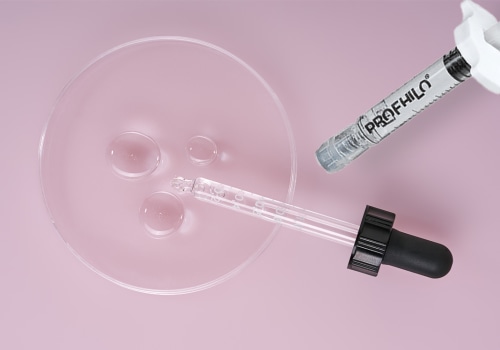
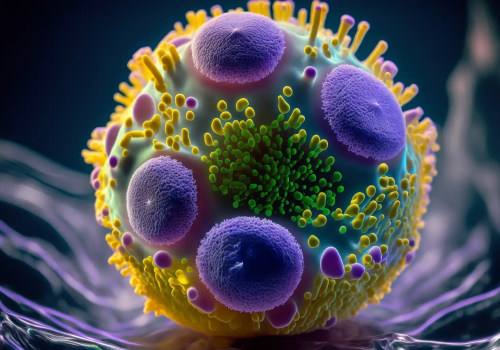
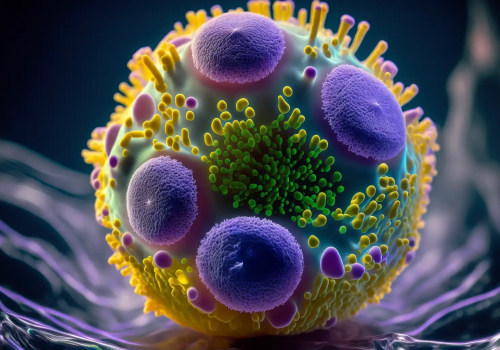
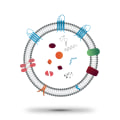
Exosomes are fascinating extracellular vesicles that play a pivotal role in the intricate web of cellular communication. These tiny, membrane-bound structures are secreted by various cell types and are typically between 30 to 150 nanometers in diameter. Their discovery has opened new avenues in the field of regenerative medicine , as they are now recognised for their ability to transfer proteins, lipids, and nucleic acids between cells, thereby influencing numerous biological processes.The origin of exosomes can be traced back to the endosomal system within cells. When a cell engulfs material from its environment, it forms an endosome that can mature into a multivesicular body (MVB).
These MVBs then fuse with the cell membrane, releasing exosomes into the extracellular space. This process is not merely a waste disposal mechanism; rather, it serves as a sophisticated means of intercellular communication. By carrying molecular signals, exosomes facilitate the exchange of information between cells, which is crucial for maintaining homeostasis and responding to environmental changes.Functionally, exosomes are involved in a myriad of physiological and pathological processes. They play significant roles in immune responses , tissue repair , and even the progression of diseases such as cancer.
For instance, exosomes can modulate immune responses by transferring antigens or immunosuppressive factors to recipient cells. In the context of tissue repair, they can promote healing by delivering growth factors and other bioactive molecules that stimulate regeneration. This remarkable versatility makes exosomes a subject of intense research, particularly in therapeutic applications.Understanding exosomes is essential for grasping their potential in innovative therapies. As we delve deeper into their mechanisms and functions, we uncover opportunities for harnessing these natural vesicles in treatments ranging from skin rejuvenation to complex regenerative therapies aimed at chronic diseases.
The journey into the world of exosome therapy promises not only to enhance our understanding of cellular interactions but also to revolutionise how we approach healing and wellness.
The Science Behind Exosome Therapy
Exosome therapy is grounded in the intricate science of cellular communication and regeneration. Exosomes are extracellular vesicles that are secreted by various cell types, playing a pivotal role in intercellular communication. These tiny vesicles, typically ranging from 30 to 150 nanometers in diameter, are rich in proteins, lipids, and nucleic acids, which facilitate the transfer of biological information between cells.The process of exosome therapy begins with the careful harvesting of these vesicles from donor cells, often derived from stem cells. The isolation process involves several steps: of these vesicles from donor cells, often derived from stem cells. The isolation process involves several steps:- Cell Culture: Donor cells are cultured under controlled conditions to promote the production of exosomes.
- Collection: Once a sufficient quantity of exosomes is produced, they are collected from the culture medium.
- Purification: Advanced techniques such as ultrafiltration or chromatography are employed to purify the exosomes from other cellular debris and contaminants.
The therapeutic potential of exosomes lies in their ability to influence target cells positively. They can:
- Enhance Tissue Repair: Exosomes contain growth factors and cytokines that stimulate cellular repair mechanisms.
- Reduce Inflammation: They can modulate immune responses, thereby reducing inflammation in damaged tissues.
- Promote Regeneration: By delivering genetic material and proteins, exosomes can encourage the regeneration of tissues, making them particularly valuable in aesthetic treatments.
By harnessing the power of these natural vesicles, we can unlock new avenues for healing and rejuvenation that were previously unimaginable.
Applications of Exosome Therapy in Medicine
Exosome therapy is rapidly emerging as a transformative approach in various fields of medicine, particularly in regenerative medicine, dermatology, and orthopaedics. These tiny extracellular vesicles, derived from cells, play a pivotal role in intercellular communication and have shown remarkable potential in promoting healing and regeneration.Regenerative Medicine
In the realm of regenerative medicine, exosomes are being explored for their ability to facilitate tissue repair and regeneration. They contain a rich cargo of proteins, lipids, and nucleic acids that can modulate cellular behaviour, enhance cell survival, and promote tissue healing. For instance, exosomes derived from stem cells have been shown to accelerate wound healing by stimulating the proliferation and migration of skin cells.
This application is particularly beneficial for patients with chronic wounds or those recovering from surgical procedures.
Dermatology
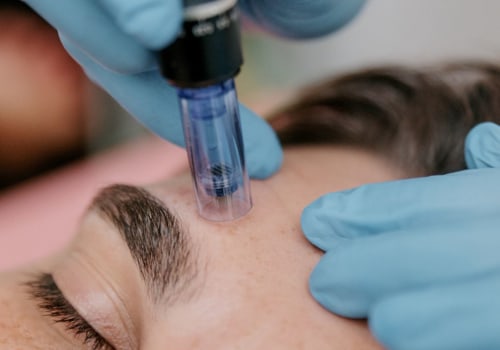
In dermatology, exosome therapy is gaining traction as a non-invasive treatment option for various skin conditions. The application of exosomes can improve skin texture, reduce fine lines, and enhance overall skin rejuvenation. When applied topically or through microneedling techniques, exosomes can penetrate the skin layers effectively, delivering their regenerative properties directly to the target area. This method not only promotes collagen production but also aids in reducing inflammation and hyperpigmentation.
Orthopaedics
Exosome therapy is also making significant strides in orthopaedics, particularly in the treatment of joint injuries and degenerative diseases such as osteoarthritis.
By injecting exosomes into affected joints, clinicians can harness their anti-inflammatory properties to alleviate pain and promote cartilage repair. Studies have indicated that exosome therapy can lead to improved joint function and reduced symptoms in patients suffering from chronic joint conditions.Moreover, ongoing research continues to unveil new applications for exosome therapy across various medical disciplines. As our understanding of these vesicles deepens, it is likely that we will see even broader uses in treating conditions ranging from cardiovascular diseases to neurodegenerative disorders.In conclusion, the diverse applications of exosome therapy highlight its potential as a revolutionary tool in modern medicine. By leveraging the natural healing properties of exosomes, healthcare professionals can offer innovative solutions that enhance patient outcomes across multiple fields.
Exosome Therapy for Skin Rejuvenation
Exosome therapy has emerged as a groundbreaking approach in the realm of skin rejuvenation, offering a natural and effective solution for those seeking to combat the signs of aging.These tiny extracellular vesicles, derived from various cell types, play a pivotal role in cellular communication and regeneration, making them an ideal candidate for aesthetic applications.One of the primary benefits of exosome skin therapy is its ability to enhance the skin's natural healing processes. When applied topically or injected into the skin, exosomes deliver a rich array of growth factors, proteins, and genetic material that stimulate collagen and elastin production. This not only helps to improve skin texture and elasticity but also promotes a more youthful appearance.Moreover, exosome therapy is particularly effective in addressing common skin concerns such as:
- Fine lines and wrinkles: By boosting collagen synthesis, exosomes can significantly reduce the visibility of fine lines and wrinkles, leading to smoother skin.
- Hyperpigmentation: Exosomes can help to even out skin tone by promoting cellular turnover and reducing melanin production, making them beneficial for those dealing with age spots or sun damage.
- Acne scars: The regenerative properties of exosomes aid in the healing of acne scars by promoting tissue repair and regeneration.
- Dullness: Regular treatments can rejuvenate tired-looking skin, restoring its natural glow and vitality.
This minimally invasive technique not only improves absorption but also stimulates the body’s natural healing response.Patients often report minimal downtime associated with exosome therapy, making it an attractive option for those with busy lifestyles. Side effects are generally mild and may include temporary redness or swelling at the treatment site. However, these effects usually subside quickly, allowing individuals to return to their daily activities almost immediately.In conclusion, exosome therapy represents a significant advancement in aesthetic medicine, providing a safe and effective means of achieving youthful, radiant skin. As research continues to unveil the full potential of exosomes in skincare, it is clear that this innovative treatment will play a crucial role in the future of anti-aging therapies.
Safety and Regulatory Considerations
As the field of regenerative medicine continues to evolve, exosome therapy has emerged as a promising treatment option.However, with its rise in popularity comes a critical need to address safety concerns and regulatory frameworks, particularly in the UK.
Understanding Safety Concerns
Safety is paramount when considering any medical treatment, and exosome therapy is no exception. Exosomes, which are naturally occurring extracellular vesicles, have shown potential in promoting tissue repair and regeneration. Nevertheless, their use in clinical settings raises questions about potential side effects and long-term implications.While many patients report minimal adverse effects, such as temporary redness or swelling at the injection site, comprehensive studies are still needed to fully understand the long-term safety profile of exosome therapy. It is essential for patients to consult with qualified healthcare professionals who can provide guidance based on the latest research and clinical practices.
Regulatory Issues Surrounding Exosome Therapy
The regulatory landscape for exosome therapy varies significantly across different countries.
In the UK, the use of exosomes in medical treatments is subject to strict regulations set forth by the Medicines and Healthcare products Regulatory Agency (MHRA). Currently, exosome injections for aesthetic purposes are not legally permitted. This restriction stems from concerns regarding the quality and consistency of exosome products available on the market.As a result, practitioners must navigate a complex regulatory environment when considering exosome therapy for their patients. It is crucial for healthcare providers to stay informed about evolving regulations and ensure that they are compliant with all legal requirements.
The Legal Status of Exosome Therapy in the UK
In the UK, exosome therapy is primarily classified as an unlicensed treatment when used for aesthetic purposes.
This means that while practitioners may offer exosome therapies, they must do so under specific guidelines that prioritise patient safety and informed consent. Patients should be aware that any treatment involving exosomes should only be performed by qualified professionals in a regulated clinical environment.Furthermore, ongoing research and clinical trials are essential to establish a clearer understanding of the efficacy and safety of exosome therapies. As more data becomes available, it is likely that regulatory bodies will adapt their guidelines to reflect new findings, potentially paving the way for broader acceptance of these innovative treatments.In conclusion, while exosome therapy holds great promise for various applications in regenerative medicine, it is vital for both practitioners and patients to remain vigilant about safety and regulatory considerations. By prioritising informed decision-making and adhering to established guidelines, we can foster a safer environment for exploring the benefits of this revolutionary treatment.
Potential Risks and Side Effects of Exosome Therapy
While exosome therapy presents a promising avenue for various treatments, it is essential to consider the potential risks and side effects associated with this innovative approach.Understanding these factors can empower patients to make informed decisions regarding their treatment options.Exosome therapy is generally regarded as safe, particularly when administered by qualified professionals in a controlled environment. However, like any medical procedure, it is not without its complications. Some of the potential risks include:
- Injection Site Reactions: Patients may experience mild discomfort, redness, or swelling at the injection site. These reactions are typically temporary and resolve within a few hours to a few days.
- Allergic Reactions: Although rare, some individuals may have an allergic reaction to the components of the exosome preparation.
Symptoms can range from mild itching to more severe reactions requiring medical attention.
- Infection: As with any procedure that involves injections, there is a slight risk of infection. Proper sterilisation techniques and post-treatment care can significantly mitigate this risk.
- Inflammatory Responses: In some cases, the body may react to the introduction of exosomes by triggering an inflammatory response. This can lead to temporary discomfort or swelling in the treated area.
While current studies indicate that exosomes can promote healing and tissue regeneration, further investigation is needed to ascertain their safety over extended periods and in diverse patient populations.In conclusion, while exosome therapy offers exciting possibilities for rejuvenation and healing, it is vital for patients to weigh these benefits against potential risks. Engaging in thorough discussions with healthcare professionals can help ensure that individuals are well-informed and prepared for their treatment journey.
Future Directions in Exosome Research and Therapy
The field of exosome therapy is rapidly evolving, with ongoing research paving the way for innovative applications and enhanced treatment protocols. As scientists delve deeper into the mechanisms of exosomes, their potential in regenerative medicine continues to expand, promising significant advancements in various healthcare sectors.One of the most exciting areas of research involves the use of exosomes in targeted drug delivery. Researchers are exploring how exosomes can be engineered to carry therapeutic agents directly to specific cells or tissues, minimising side effects and improving treatment efficacy.This targeted approach could revolutionise treatments for conditions such as cancer, where precision is crucial for successful outcomes.Additionally, studies are investigating the role of exosomes in immune modulation. Exosomes derived from stem cells have shown promise in modulating immune responses, which could lead to breakthroughs in treating autoimmune diseases and enhancing organ transplant success rates. By harnessing the natural properties of exosomes, researchers aim to develop therapies that can effectively regulate immune functions without the adverse effects associated with traditional immunosuppressive drugs.Another promising direction is the exploration of exosomes in neurological disorders. Recent studies suggest that exosomes may play a role in neuroprotection and neuronal repair.
This could open new avenues for treating conditions such as Alzheimer’s disease and multiple sclerosis, where current treatment options are limited and often ineffective.Furthermore, advancements in biotechnology are facilitating the isolation and characterisation of exosomes with greater precision. Techniques such as microfluidics and nanotechnology are being employed to enhance the purity and yield of exosome preparations. This not only improves the quality of exosome-based therapies but also allows for more consistent results across clinical applications.As we look to the future, it is clear that the potential applications of exosome therapy are vast and varied. With ongoing research focused on understanding their biological functions and therapeutic capabilities, we can anticipate a new era in regenerative medicine that leverages these tiny vesicles to transform patient care.
Frequently Asked Questions about Exosome Therapy
Exosome therapy is a rapidly evolving field, and with its rise in popularity, numerous questions and misconceptions have emerged.Below, we address some of the most frequently asked questions regarding exosome therapy to provide clarity and understanding.
What are exosomes?
Exosomes
are small extracellular vesicles that are secreted by various cell types in the body. They play a vital role in intercellular communication, carrying proteins, lipids, and nucleic acids that can influence the behaviour of other cells. This unique ability makes them a powerful tool in regenerative medicine.
How is exosome therapy administered?
Exosome therapy can be administered through various methods, including:- Injectable treatments: Exosomes can be injected directly into targeted areas, such as joints or the dermis of the skin, to promote healing and rejuvenation.
- Topical application: When combined with microneedling, exosomes can be applied topically to enhance absorption and effectiveness.
Is exosome therapy safe?
While exosome therapy is generally considered safe, it is essential to have the procedure performed by qualified healthcare professionals in a regulated environment. As with any medical treatment, there may be minimal risks or temporary side effects, such as redness or swelling at the injection site.Can anyone receive exosome therapy?
Exosome therapy is suitable for many individuals; however, it is crucial to consult with a healthcare provider to determine if it is appropriate for your specific condition or needs.Certain medical conditions may contraindicate the use of exosome therapy.
Are there any misconceptions about exosome therapy?
Yes, several misconceptions exist:- Exosomes are stem cells: While exosomes are derived from stem cells and contain factors that promote healing, they are not stem cells themselves.
- Exosome therapy is a miracle cure: Although promising, exosome therapy should not be viewed as a guaranteed solution for all ailments. Results can vary based on individual circumstances.
Conclusion: The Promise of Exosome Therapy in Modern Medicine
In conclusion, the exploration of exosome therapy has unveiled a transformative approach to modern medicine, particularly in the realms of regenerative treatments and aesthetic enhancements. Throughout this comprehensive guide, we have delved into the intricate workings of exosomes, their role in cellular communication, and their potential applications across various medical fields.Exosomes, as tiny extracellular vesicles, are pivotal in mediating intercellular interactions and facilitating tissue repair. Their ability to carry proteins, lipids, and nucleic acids makes them invaluable in promoting healing processes.This characteristic positions exosome therapy as a promising alternative to traditional methods, offering a more natural and less invasive option for patients seeking rejuvenation and recovery.Moreover, the versatility of exosome therapy extends beyond aesthetic applications. It holds significant promise in treating conditions such as joint injuries, chronic inflammation, and even neurodegenerative diseases. As research continues to evolve, we anticipate that the therapeutic potential of exosomes will expand further, leading to innovative treatments that could revolutionise patient care.Despite the current regulatory limitations surrounding the injection of exosomes into the skin in certain regions like the UK, the ongoing advancements in this field are encouraging. The use of microneedling techniques combined with topical applications of exosomes has already shown remarkable results in enhancing skin quality and promoting healing.As we look to the future, it is essential for both practitioners and patients to remain informed about the developments in exosome therapy.
Continued research will not only clarify its efficacy but also ensure that safety protocols are established to protect patients during treatment. The potential for exosome therapy to become a cornerstone of modern medicine is immense, and its integration into clinical practice could lead to improved outcomes for countless individuals.In summary, exosome therapy represents a significant leap forward in our understanding of regenerative medicine. Its ability to harness the body’s natural healing mechanisms offers hope for enhanced recovery and rejuvenation. As we continue to explore this revolutionary treatment modality, we can expect exciting advancements that will shape the future of healthcare.