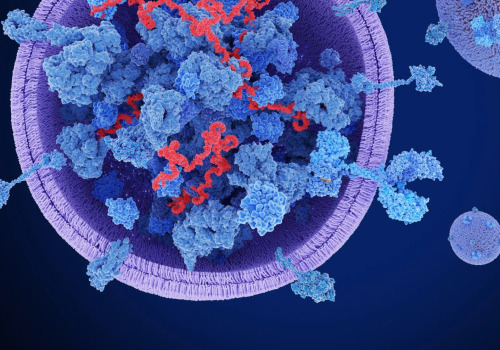
Exosomes are small extracellular vesicles, typically ranging from 30 to 150 nanometres in diameter, that play a pivotal role in intercellular communication. These vesicles are secreted by various cell types and contain a complex mixture of proteins, lipids, and nucleic acids, including miRNA and mRNA. Their unique composition allows them to facilitate the transfer of molecular signals between cells, thereby influencing numerous physiological processes. Understanding exosomes is essential for grasping their potential implications in both health and disease.The origin of exosomes can be traced back to the endosomal system within cells.
They are formed when multivesicular bodies (MVBs) fuse with the plasma membrane, releasing their internal vesicles into the extracellular space. This process not only highlights the intricate nature of cellular communication but also underscores the importance of exosomes in maintaining cellular homeostasis. As they circulate through bodily fluids such as blood and urine, exosomes serve as carriers of information that can reflect the physiological state of their parent cells.The significance of exosomes extends beyond mere communication; they are increasingly recognised for their potential therapeutic applications. For instance, exosomes derived from stem cells have shown promise in regenerative medicine due to their ability to promote tissue repair and modulate immune responses.
Furthermore, their capacity to cross biological barriers, such as the blood-brain barrier, positions them as valuable tools in drug delivery systems. However, this duality—where exosomes can be both beneficial and potentially harmful—sets the stage for a deeper exploration into their roles in various diseases.Furthermore, their capacity to cross biological barriers, such as the blood-brain barrier, positions them as valuable tools in drug delivery systems. However, this duality—where exosomes can be both beneficial and potentially harmful—sets the stage for a deeper exploration into their roles in various diseases.
What Are Exosomes?
Exosomes are small extracellular vesicles that play a pivotal role in intercellular communication. They are typically 30 to 150 nanometres in diameter and are secreted by various cell types into the extracellular environment. These vesicles are formed through the inward budding of the endosomal membrane, leading to the creation of multivesicular bodies (MVBs).When these MVBs fuse with the plasma membrane, they release their contents, including proteins, lipids, and nucleic acids, into the surrounding space.The structure of exosomes is characterised by a lipid bilayer that encapsulates their cargo. This bilayer is composed primarily of phospholipids, similar to cellular membranes, which provides stability and protects the contents from degradation. Within this lipid envelope, exosomes carry a diverse array of biomolecules, including: of exosomes is characterised by a lipid bilayer that encapsulates their cargo. This bilayer is composed primarily of phospholipids, similar to cellular membranes, which provides stability and protects the contents from degradation. Within this lipid envelope, exosomes carry a diverse array of biomolecules, including:
- Proteins: These can include membrane proteins, cytosolic proteins, and proteins involved in signalling pathways.
- Nucleic acids: Exosomes often contain various forms of RNA, such as mRNA and microRNA (miRNA), which can influence gene expression in recipient cells.
- Lipids: The lipid composition can vary depending on the cell type from which the exosome originates, influencing their function and interaction with target cells.
- Cell-type specific exosomes: Different cell types release exosomes with unique molecular signatures. For instance, immune cells may release exosomes that modulate immune responses, while neuronal cells may produce exosomes involved in synaptic communication.
- Pathological exosomes: In conditions such as cancer or neurodegenerative diseases, exosomes can carry disease-specific markers that reflect the pathological state of their parent cells.
These exosomes may contribute to disease progression or serve as potential biomarkers for diagnosis.
- Tumour-derived exosomes: Cancer cells often secrete exosomes that promote tumour growth and metastasis by altering the microenvironment or facilitating communication with other cells.
The Beneficial Roles of Exosomes
Exosomes have emerged as pivotal players in the realm of cellular communication and therapeutic interventions, showcasing a multitude of beneficial roles that extend far beyond their initial discovery. These nanoscale vesicles, secreted by various cell types, are rich in proteins, lipids, and nucleic acids, making them essential for intercellular communication and influencing numerous physiological processes.One of the most significant benefits of exosomes lies in their ability to facilitate cell communicationcell communication. They act as messengers, transferring molecular signals between cells, which is crucial for maintaining homeostasis and coordinating responses to environmental changes.This communication is particularly vital in the immune system, where exosomes can modulate immune responses by delivering antigens and cytokines to target cells, thereby enhancing or suppressing immune activity as needed.In addition to their role in communication, exosomes play a critical part in tissue repair and regeneration. Research has demonstrated that exosomes derived from stem cells possess regenerative properties that can promote healing in damaged tissues. For instance, exosomes from mesenchymal stem cells (MSCs) have been shown to enhance wound healing by stimulating angiogenesis (the formation of new blood vessels) and reducing inflammation. This regenerative capability positions exosomes as promising candidates for therapeutic applications in conditions such as cardiovascular diseases, bone fractures, and chronic wounds.The therapeutic potential of exosomes extends into the realm of drug delivery systems.
Their natural ability to encapsulate and transport bioactive molecules makes them ideal vehicles for targeted therapy. By loading exosomes with therapeutic agents—such as small interfering RNA (siRNA), proteins, or chemotherapeutic drugs—researchers can enhance the efficacy of treatments while minimising side effects. This targeted approach is particularly advantageous in cancer therapy, where exosomes can be engineered to deliver drugs directly to tumour cells, thereby improving treatment outcomes.Moreover, the use of exosomes in diagnostics is gaining traction. Their presence in bodily fluids such as blood and urine allows for non-invasive biomarker discovery for various diseases.
By analysing the molecular content of exosomes, clinicians can gain insights into disease states and progression, paving the way for early diagnosis and personalised treatment strategies.In summary, the beneficial roles of exosomes are manifold, encompassing vital functions in cell communication, tissue repair, drug delivery, and diagnostics. As research continues to unravel their complexities and capabilities, exosomes hold great promise for advancing medical science and improving patient outcomes across a spectrum of health conditions.
Exosomes in Disease: The Harmful Aspects
While exosomes are often celebrated for their potential therapeutic benefits, it is essential to acknowledge their harmful effects in various disease processes. These small vesicles can play a significant role in the progression of diseases, particularly in the context of cancer and inflammatory conditions.In cancer, exosomes can facilitate tumour growth and metastasis. They achieve this by transferring oncogenic proteins and genetic material from cancer cells to surrounding healthy cells, effectively altering their behaviour.This process can lead to a more supportive microenvironment for tumour development. For instance, exosomes derived from cancer cells have been shown to promote angiogenesis—the formation of new blood vessels—which is crucial for tumour survival and expansion. Additionally, these exosomes can suppress the immune response, allowing cancer cells to evade detection and destruction by the body’s natural defence mechanisms.Moreover, exosomes can contribute to the spread of cancer by carrying metastatic signals. When they are taken up by distant cells, they can induce changes that prepare these cells for future colonisation by cancer cells.
This phenomenon highlights the dual role of exosomes as both communicators and facilitators of disease progression.In the realm of inflammatory diseases, exosomes can exacerbate pathological conditions. For example, in autoimmune disorders such as rheumatoid arthritis, exosomes released from activated immune cells can carry pro-inflammatory cytokines that further stimulate inflammation. This creates a vicious cycle where inflammation leads to more exosome release, perpetuating tissue damage and disease severity.Furthermore, the content of exosomes varies significantly depending on their cellular origin. Exosomes from diseased tissues often contain different molecular signatures compared to those from healthy tissues.
This variability complicates the understanding of their roles in disease and raises concerns about their use in therapeutic applications.In summary, while exosomes hold promise for medical advancements, their involvement in disease processes cannot be overlooked. Understanding the harmful aspects of exosomes is crucial for developing effective therapies that harness their beneficial properties while mitigating their potential risks.
Mechanisms of Action: How Exosomes Function
Exosomes are small extracellular vesicles that play a pivotal role in intercellular communication, acting as vehicles for the transfer of various biomolecules between cells. Understanding the mechanisms of action of exosomes is essential to appreciate their dual nature—both beneficial and potentially harmful.One of the primary ways exosomes exert their effects is through the delivery of cargo , which includes proteins, lipids, and nucleic acids such as mRNA and microRNA (miRNA). This cargo can influence the behaviour of recipient cells in several ways:- Modulation of Gene Expression: Exosomal miRNAs can bind to complementary sequences in target mRNAs, leading to either degradation of the mRNA or inhibition of its translation.
This process can alter gene expression profiles in recipient cells, affecting their function and behaviour.
- Protein Transfer: Exosomes can also transfer proteins that may act as signalling molecules or receptors. For instance, exosomes derived from immune cells can carry proteins that modulate immune responses in target cells, enhancing or suppressing inflammation.
- Lipid Exchange: The lipid composition of exosomes can influence membrane dynamics and cellular signalling pathways in recipient cells. This lipid transfer can affect processes such as apoptosis and cell proliferation.
- Endocytosis: Many cells take up exosomes through endocytic pathways, where the cell membrane engulfs the exosome, forming an endosome that eventually fuses with lysosomes.
- Membrane Fusion: In some cases, exosomes may directly fuse with the plasma membrane of target cells, releasing their contents into the cytoplasm without being internalised.
- Receptor-Mediated Uptake: Specific receptors on target cells may recognise and bind to ligands on the surface of exosomes, facilitating their uptake through receptor-mediated endocytosis.
For example, cancer-derived exosomes may exploit different uptake mechanisms compared to those derived from healthy tissues, which can contribute to their role in disease progression.In summary, the mechanisms through which exosomes function are complex and multifaceted. By delivering specific molecular signals to target cells, they can modulate various biological processes, highlighting their potential as both therapeutic agents and contributors to disease pathology.
Exosome Therapy: Current Research and Future Directions
Exosome therapy is an emerging field that has garnered significant attention in recent years, primarily due to its potential to revolutionise treatment modalities across various medical disciplines. Current research is exploring the therapeutic applications of exosomes derived from different cell types, including stem cells, immune cells, and cancer cells. These vesicles are being investigated for their ability to deliver therapeutic agents, modulate immune responses, and promote tissue regeneration.One of the most promising areas of exosome therapy research is in regenerative medicine.Studies have shown that exosomes can facilitate wound healing and tissue repair by transferring bioactive molecules that stimulate cellular processes. For instance, exosomes from mesenchymal stem cells (MSCs) have been found to enhance angiogenesis and reduce inflammation, making them ideal candidates for treating conditions such as myocardial infarction and chronic wounds.In oncology, exosomes are being studied for their role in cancer therapy. They can serve as vehicles for delivering chemotherapeutic agents directly to tumour cells, potentially increasing the efficacy of treatment while minimising side effects. Furthermore, exosomes derived from cancer cells can provide insights into tumour progression and metastasis, paving the way for novel diagnostic tools.Despite the promising potential of exosome therapy, several challenges remain in its clinical application.
One major hurdle is the standardisation of exosome isolation and characterisation methods. Variability in exosome yield and purity can significantly affect therapeutic outcomes. Additionally, understanding the mechanisms of exosome uptake by target cells is crucial for optimising their delivery systems.Another challenge lies in regulatory considerations. As exosome therapies move towards clinical trials, ensuring compliance with safety and efficacy standards will be paramount.
The lack of established guidelines for the use of exosomes in therapy complicates the pathway to approval.Looking ahead, the future of exosome therapy appears promising but requires a concerted effort from researchers, clinicians, and regulatory bodies to address these challenges. Continued investment in research will be essential to unlock the full potential of exosomes as therapeutic agents and to establish them as a cornerstone of modern medicine.
Ethical Considerations and Regulatory Challenges
The use of exosomes in therapeutic applications raises significant ethical considerations and regulatory challenges that must be addressed to ensure patient safety and societal trust. As these vesicles are derived from various cell types, the source and method of extraction can lead to ethical dilemmas, particularly when human cells are involved.One major ethical concern is the potential for exploitation in obtaining exosomes from human tissues. For instance, if exosomes are sourced from stem cells or other sensitive biological materials, there is a risk of coercion or lack of informed consent from donors.It is crucial that all procedures involving human-derived exosomes adhere to strict ethical guidelines to protect the rights and welfare of individuals.Moreover, the therapeutic use of exosomes must consider the implications of genetic manipulation. If exosomes are engineered to carry specific genetic material, this raises questions about the long-term effects on recipients and the potential for unintended consequences. The possibility of altering genetic information through exosome therapy necessitates rigorous ethical scrutiny to prevent misuse.From a regulatory standpoint, the landscape surrounding exosome therapy is still evolving. Currently, many countries lack comprehensive regulations specifically addressing exosome-based treatments.
This regulatory gap can lead to inconsistencies in product quality and safety standards. For instance, without clear guidelines, some manufacturers may market exosome therapies without sufficient evidence of their efficacy or safety, putting patients at risk.Furthermore, the classification of exosomes as either biological products or drugs complicates their regulation. Different jurisdictions may have varying definitions and requirements for approval, which can hinder research and development efforts. Establishing a unified regulatory framework is essential to ensure that all exosome therapies undergo rigorous testing before reaching patients.Safety concerns also play a pivotal role in the ethical discourse surrounding exosome therapy.
While exosomes have shown promise in various medical applications, their long-term effects on human health remain largely unknown. Potential adverse reactions or complications could arise from their use, necessitating thorough clinical trials and post-marketing surveillance to monitor patient outcomes.In conclusion, addressing the ethical considerations and regulatory challenges associated with exosome therapy is vital for fostering public confidence in these innovative treatments. A collaborative approach involving researchers, ethicists, regulators, and patient advocates will be essential in navigating these complex issues while ensuring that the benefits of exosome therapies can be realised safely and ethically.
Conclusion: Balancing the Dual Nature of Exosomes
In conclusion, the exploration of exosomes reveals a complex interplay between their beneficial and harmful roles in health and disease. As we have discussed, these small vesicles are not merely passive carriers of molecular information; they actively participate in cellular communication, influencing a range of physiological processes.Their ability to transport proteins, lipids, and nucleic acids makes them invaluable in therapeutic contexts, particularly in regenerative medicine and targeted drug delivery.However, it is crucial to acknowledge the darker side of exosomes. The same properties that enable their therapeutic potential can also contribute to disease progression. For instance, exosomes derived from cancer cells can promote tumour growth and metastasis, while those from inflammatory conditions may exacerbate tissue damage. This duality underscores the necessity for a nuanced understanding of exosome biology.To effectively harness the benefits of exosomes while mitigating their risks, ongoing research is essential.
This includes:
- Identifying Exosome Sources: Understanding the origin of exosomes is vital for predicting their effects. Exosomes from healthy cells may have protective roles, whereas those from diseased cells could be detrimental.
- Developing Isolation Techniques: Improved methods for isolating pure populations of exosomes will enhance our ability to study their specific functions and therapeutic applications.
- Regulatory Frameworks: Establishing clear guidelines for the clinical use of exosome-based therapies will ensure patient safety and efficacy.