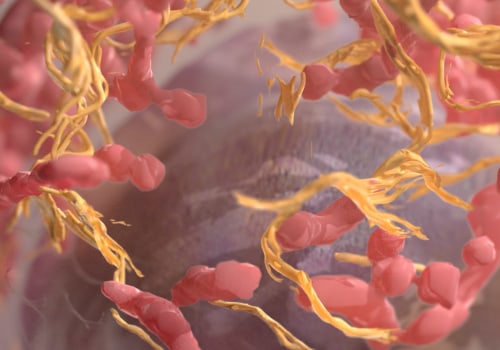
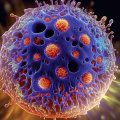
Exosomes are extracellular vesicles that play a pivotal role in cellular communication, acting as vital messengers between cells. These tiny, membrane-bound structures are secreted by various cell types and contain a rich cargo of proteins, lipids, and nucleic acids. Their significance in the realm of regenerative medicine cannot be overstated, as they facilitate the transfer of biological information that can influence the behaviour of recipient cells. This unique ability to communicate at the cellular level positions exosomes as key players in the body’s natural healing processes.In regenerative medicine, exosomes are harnessed for their therapeutic potential, particularly in promoting tissue repair and regeneration.
When cells are damaged or diseased, exosomes can help orchestrate a response by delivering signals that encourage healing and recovery. For instance, they can stimulate stem cells to differentiate into specific cell types or enhance the proliferation of cells involved in tissue repair. This makes exosome therapy an exciting frontier in treating a variety of conditions, from chronic wounds to degenerative diseases.The mechanism by which exosomes exert their effects is both complex and fascinating. Upon release from their parent cells, exosomes travel through bodily fluids and interact with target cells, where they fuse with the cell membrane and release their contents.
This process not only initiates a cascade of biological responses but also helps to modulate inflammation and promote cellular survival. As research continues to unveil the intricacies of exosomal function, it becomes increasingly clear that these cellular messengers hold immense promise for advancing therapeutic strategies in regenerative medicine.
What Are Exosomes?
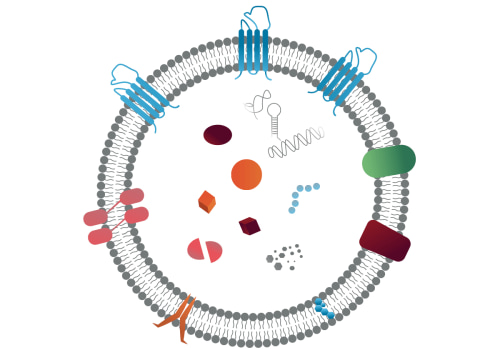
Exosomes are extracellular vesicles that play a pivotal role in cellular communication. These tiny, membrane-bound structures are secreted by various cell types, including mesenchymal stem cells (MSCs)mesenchymal stem cells (MSCs), and are typically between 30 to 150 nanometers in diameter. Their primary function is to facilitate the transfer of molecular signals between cells, thereby influencing numerous biological processes.Originating from the endosomal system, exosomes are formed when multivesicular bodies (MVBs) fuse with the plasma membrane of a cell, releasing their contents into the extracellular space.This process is crucial for maintaining cellular homeostasis and regulating intercellular interactions. The contents of exosomes include proteins, lipids, and nucleic acids such as messenger RNA (mRNA) and microRNA (miRNA), which can modulate the behaviour of recipient cells.The significance of exosomes extends beyond mere communication; they are involved in various physiological and pathological processes. For instance, in the context of regenerative medicine, exosomes derived from MSCs have been shown to promote tissue repair and regeneration by delivering growth factors and other bioactive molecules to damaged tissues. This ability to influence healing processes makes exosomes a focal point in therapeutic applications.Moreover, exosomes can also play a role in disease progression.
In cancer, for example, tumour-derived exosomes can facilitate metastasis by altering the microenvironment of distant tissues. This dual role highlights the complexity of exosome function and their potential as both therapeutic agents and biomarkers for various diseases.In summary, exosomes are essential components of cellular communication that originate from mesenchymal stem cells and other cell types. Their ability to transfer critical biological information positions them as key players in both health and disease, making them a subject of intense research in the fields of biomedicine and therapeutics .
How Do Exosomes Work?
Exosomes are small extracellular vesicles that play a crucial role in intercellular communication. They are secreted by various cell types and contain a complex mixture of proteins, lipids, and nucleic acids, including RNA.Understanding how exosomes work is essential for appreciating their therapeutic potential in regenerative medicine and other fields.At the core of exosome function is their ability to facilitate cellular signaling. When exosomes are released into the extracellular space, they can be taken up by recipient cells through several mechanisms, including endocytosis and membrane fusion. This uptake allows exosomes to deliver their cargo directly into the target cells, influencing various biological processes.
Mechanism of Action
The mechanism by which exosomes exert their effects involves the transfer of bioactive molecules. These include:- Proteins: Exosomes carry proteins that can modulate cellular functions, such as growth factors and enzymes that influence cell proliferation and differentiation.
- RNA: Exosomal RNA, particularly microRNA (miRNA), plays a pivotal role in gene regulation.
Once inside the target cell, these RNA molecules can alter gene expression patterns, leading to changes in cellular behaviour.
- Lipids: The lipid composition of exosomes can also affect membrane dynamics and cellular signalling pathways.
The Timeline for Exosome Therapy Results
Understanding the timeline for results from exosome therapy is crucial for patients considering this innovative treatment.While individual experiences may vary, there are general patterns that can help set realistic expectations regarding when to anticipate noticeable improvements.Typically, patients may begin to observe initial effects within a few weeks following their exosome therapy session. This early phase often includes subtle changes, such as increased energy levels or minor improvements in skin texture. However, the most significant transformations usually unfold over a more extended period.
Initial Results: Weeks 1 to 4
In the first month post-treatment, many individuals report feeling a gradual enhancement in their overall well-being. For those undergoing exosome therapy for skin rejuvenation, initial signs of improvement may manifest as a slight reduction in fine lines and an increase in skin hydration.These early results are often attributed to the immediate cellular responses triggered by the exosomes.
Mid-Term Results: Months 2 to 6
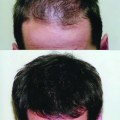
As time progresses, particularly between two to six months after treatment, patients can expect more pronounced outcomes. For instance, in hair restoration therapies, new hair growth may become visible around the three-month mark, with continued improvement noted up to six months later. Similarly, skin treatments often reveal enhanced collagen production and elasticity during this period, leading to firmer and smoother skin.Long-Term Benefits: Months 6 and Beyond
The long-term benefits of exosome therapy can be substantial, with many patients experiencing optimal results around six to nine months post-treatment. This timeframe allows for the full activation of the regenerative processes initiated by the exosomes.Patients often report significant improvements in skin tone and texture, as well as sustained hair growth and thickness.It is essential to note that while some individuals may see quicker results, others might take longer due to various factors such as age, health status, and the specific condition being treated. Therefore, maintaining open communication with healthcare providers throughout the treatment process is vital for managing expectations and understanding personal progress.In conclusion, while exosome therapy offers promising results, patience is key. The journey towards optimal outcomes involves a gradual process of cellular reprogramming and regeneration that unfolds over several months.
Factors Influencing the Efficacy of Exosome Therapy
When considering the effectiveness of exosome therapy, it is essential to understand that various factors can significantly influence both the speed and quality of results. These factors can range from individual characteristics to the specifics of the treatment protocol itself.Age and Biological Factors
One of the most critical factors affecting the efficacy of exosome therapy is the patient's age.As individuals age, their bodies often experience a decline in regenerative capabilities. This decline can affect how well the body responds to exosomal signals, which are crucial for initiating healing processes. Older patients may find that their results take longer to manifest compared to younger individuals, who typically have more robust cellular responses.
Severity of Condition
The severity of the condition being treated also plays a pivotal role in determining how quickly and effectively exosome therapy works. For instance, patients with chronic or advanced conditions may require more time for noticeable improvements compared to those with milder issues.The body’s ability to heal itself is often proportional to the extent of damage or dysfunction present, meaning that more severe cases may necessitate a longer duration before significant results are observed.
Treatment Methods and Protocols
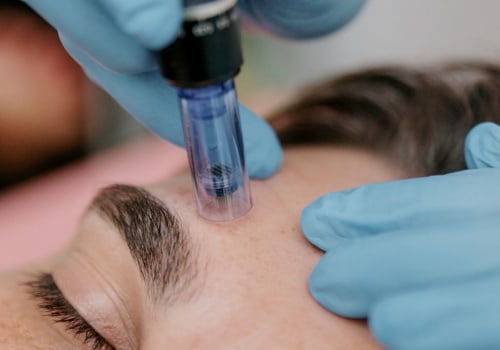
The method of administering exosomes can also impact their effectiveness. Different delivery methods—such as local injections, intravenous drips, or topical applications—can yield varying results based on how well the exosomes reach the target tissues. For example, direct injections into affected areas may provide faster and more concentrated effects than systemic administration. Additionally, combining exosome therapy with other treatments, such as microneedling or focused ultrasound, can enhance outcomes by improving absorption and activation of the exosomes.Individual Response and Health Status
Each patient's unique biological makeup and overall health status can influence their response to exosome therapy.Factors such as metabolic rate, existing health conditions, and even lifestyle choices like diet and exercise can affect how quickly and effectively the body utilises exosomes. Patients with compromised immune systems or chronic illnesses may experience delayed responses due to their bodies' reduced capacity for healing.In summary, while exosome therapy holds great promise for various conditions, understanding these influencing factors is crucial for setting realistic expectations regarding treatment outcomes. By considering age, severity of condition, treatment methods, and individual health status, patients can better navigate their therapeutic journey.
Different Methods of Administering Exosomes
Exosomes, the tiny vesicles secreted by cells, have emerged as a revolutionary tool in regenerative medicine. Their ability to facilitate communication between cells makes them invaluable in various therapeutic applications.Understanding the different methods of administering exosomes is crucial for patients considering this innovative treatment.
Injection Techniques
One of the most common methods for administering exosomes is through injection. This technique allows for targeted delivery, ensuring that the exosomes reach the specific area requiring treatment. There are several injection techniques used in clinical settings:- Intravenous Injection: This method involves injecting exosomes directly into the bloodstream, allowing for systemic distribution throughout the body. It is particularly useful for treating conditions that affect multiple areas.
- Local Injection: In cases where localized treatment is needed, exosomes can be injected directly into the affected tissue or joint.
This method is often employed in joint rejuvenation therapies, where exosomes are delivered precisely to the site of injury or degeneration.
- Intrathecal Injection: For conditions affecting the central nervous system, intrathecal injections deliver exosomes directly into the spinal canal. This method ensures that the therapeutic agents reach the brain and spinal cord effectively.
Topical Application
Another promising method of administering exosomes is through topical application. This approach is particularly popular in aesthetic treatments, such as skin rejuvenation and hair restoration. Topical application allows for non-invasive delivery of exosomes directly to the skin surface, where they can penetrate and exert their regenerative effects.The concentration of exosomes used in topical formulations can vary, but it typically involves a high concentration to ensure effective absorption.Patients may notice improvements in skin texture, elasticity, and overall appearance as the exosomes stimulate cellular regeneration and repair.
Combination Therapies
In many cases, healthcare providers may recommend combining different administration methods to enhance treatment outcomes. For instance, a patient undergoing hair restoration might receive local injections of exosomes while also using topical formulations to maximise results. This multifaceted approach can lead to more significant improvements and faster recovery times.Ultimately, the choice of administration method will depend on various factors, including the specific condition being treated, patient preferences, and the healthcare provider's recommendations. Understanding these options empowers patients to make informed decisions about their treatment journey with exosomes.Potential Side Effects and Considerations
As with any medical treatment, exosome therapy comes with its own set of potential side effects and considerations that patients should be aware of before proceeding.Understanding these risks is essential for making an informed decision about treatment.While exosome therapy is generally considered safe, some patients may experience mild to moderate side effects. Commonly reported side effects include:
- Pain or Discomfort: Patients may feel some pain or discomfort at the injection site. This is typically temporary and subsides within a few days.
- Redness and Swelling: Localised redness and swelling can occur following the procedure, which usually resolves quickly.
- Allergic Reactions: Although rare, some individuals may have an allergic reaction to the components used in the therapy. Symptoms can range from mild itching to more severe reactions.
- Infection: As with any injection, there is a small risk of infection at the injection site.
Proper aftercare is crucial to minimise this risk.
- Underlying Health Conditions: Patients with autoimmune diseases or other chronic health issues may need to approach exosome therapy with caution.
- Medications: Some medications can interfere with the body’s response to exosome therapy. A thorough review of current medications is essential.
- Aging Factors: Age can affect how well the body responds to exosome therapy, as older patients may have a diminished regenerative capacity.
Engaging in open dialogue with healthcare providers about potential risks and benefits will help build trust and ensure that patients feel comfortable throughout their treatment journey.In conclusion, while exosome therapy offers promising benefits for various conditions, it is essential for patients to be aware of potential side effects and consider their unique health profiles before undergoing treatment. By doing so, they can make informed decisions that align with their health goals.
Case Studies: Success Stories with Exosome Therapy
Exosome therapy has emerged as a revolutionary treatment option in regenerative medicine, and numerous case studies highlight its remarkable efficacy. These real-life success stories not only demonstrate the potential of exosomes but also inspire confidence in those considering this innovative approach.Case Study 1: Hair Restoration
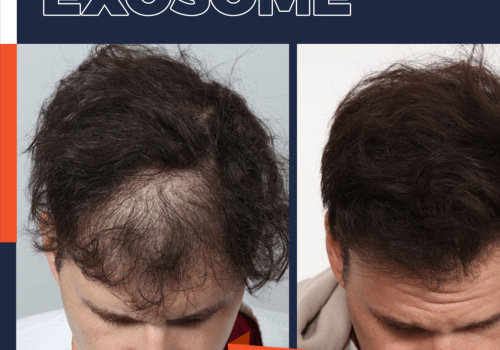
One notable case involved a 35-year-old male patient suffering from androgenetic alopecia, a common form of hair loss. After undergoing a series of exosome therapy sessions, he reported significant hair regrowth within three months.By the six-month mark, his hair density had improved dramatically, and he expressed satisfaction with the natural appearance of his new hair. This case illustrates how exosomes can effectively stimulate hair follicles and promote regeneration.
Case Study 2: Joint Pain Relief
A 60-year-old female patient with osteoarthritis in her knees sought relief after traditional treatments failed to provide lasting results. Following an injection of exosomes directly into her affected joints, she experienced a noticeable reduction in pain and inflammation within two weeks. By the end of three months, she was able to resume activities she had previously avoided due to discomfort, showcasing the potential of exosome therapy in alleviating chronic joint pain.Case Study 3: Skin Rejuvenation
A 45-year-old woman seeking to improve her skin texture and reduce signs of aging underwent exosome therapy combined with microneedling.Within four weeks, she noticed enhanced skin elasticity and a reduction in fine lines. By six months post-treatment, her skin appeared significantly rejuvenated, with improved tone and texture. This case highlights the effectiveness of exosomes in promoting skin health and vitality.These case studies exemplify the transformative impact of exosome therapy across various conditions. Patients have reported not only physical improvements but also enhanced quality of life following treatment.
As more individuals share their success stories, the growing body of evidence surrounding exosome therapy continues to inspire hope for those seeking effective solutions for their health challenges.
Frequently Asked Questions About Exosomes and Their Efficacy
As the field of regenerative medicine continues to evolve, many patients are curious about exosomes and their therapeutic potential. Below are some frequently asked questions that can help clarify common inquiries regarding exosome therapy.What are exosomes?
Exosomes are small extracellular vesicles secreted by various cell types, including mesenchymal stem cells (MSCs). They play a crucial role in cell communication by transferring proteins, lipids, and RNA between cells, thereby influencing various biological processes such as inflammation, tissue repair, and regeneration.How do exosomes work in therapy?
Exosome therapy harnesses the natural healing properties of these vesicles. When administered, exosomes can stimulate the body’s own regenerative processes by delivering bioactive molecules that promote healing and tissue repair.This makes them particularly effective in treating conditions like hair loss, joint pain, and skin rejuvenation.
Are there any side effects associated with exosome therapy?
While exosome therapy is generally considered safe, some patients may experience mild side effects at the injection site. These can include:- Pain
- Redness
- Swelling
- Bruising
How long does it take to see results from exosome therapy?
The timeline for seeing results can vary based on individual factors such as age, health status, and the specific condition being treated. Generally, patients may start noticing improvements within a few weeks, with more significant results often visible after three to six months.Is exosome therapy suitable for everyone?
While many patients can benefit from exosome therapy, it may not be suitable for everyone.Factors such as underlying health conditions or specific medical histories should be evaluated by a qualified healthcare professional to determine if this treatment is appropriate for you.If you have further questions or concerns about exosomes, it is advisable to consult with a specialist who can provide tailored information based on your individual needs.
Conclusion: The Future of Exosome Therapy in Regenerative Medicine
As we conclude our exploration of exosome therapy and its transformative potential in regenerative medicine, it is essential to reflect on the key insights discussed throughout this article. The remarkable ability of exosomes to facilitate cellular communication and promote healing processes positions them as a groundbreaking tool in various therapeutic applications.Throughout our discussion, we have highlighted how exosomes, derived from mesenchymal stem cells, serve as powerful messengers that can influence the behaviour of recipient cells. This unique property allows for targeted treatment strategies that can address a range of conditions, from hair restoration to skin rejuvenation and beyond. The timeline for seeing results from exosome therapy varies, but many patients report noticeable improvements within weeks to months, underscoring the therapy's efficacy.Looking ahead, the future of exosome therapy in regenerative medicine appears promising.Ongoing research is likely to uncover new applications and refine existing protocols, enhancing the precision and effectiveness of treatments. As scientists continue to unravel the complexities of exosomal functions, we may witness advancements that could revolutionise how we approach chronic diseases and age-related conditions.Moreover, the integration of exosome therapy with other innovative techniques, such as gene editing and advanced biomaterials, could lead to synergistic effects that amplify healing outcomes. This multidisciplinary approach not only broadens the scope of treatment possibilities but also paves the way for personalised medicine tailored to individual patient needs.In conclusion, while we have only begun to scratch the surface of what exosomes can achieve in regenerative medicine, their potential is undeniable. As research progresses and clinical applications expand, it is crucial for both practitioners and patients to stay informed about these developments.
The journey towards harnessing the full power of exosomes is just beginning, and it holds the promise of a healthier future for many.