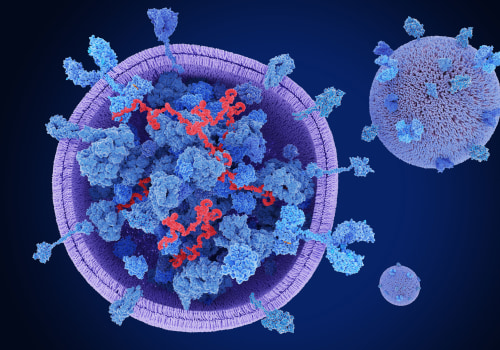
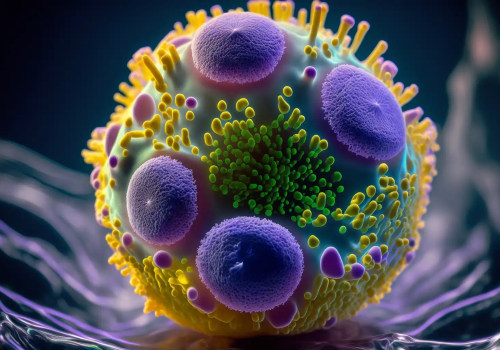
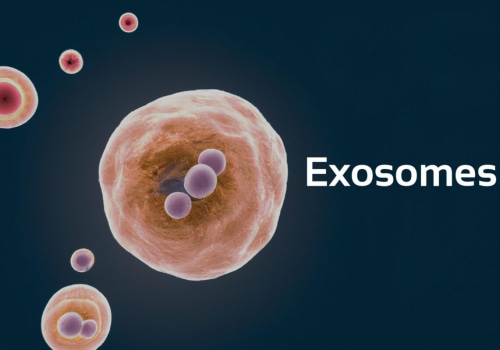
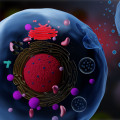
Exosomes are tiny, membrane-bound vesicles that play a crucial role in cellular communication. They are secreted by various cell types and contain a rich assortment of proteins, lipids, and nucleic acids, which serve as vital messengers between cells. This unique composition allows exosomes to facilitate intercellular communication, influencing numerous biological processes, including immune responses, tissue repair, and even the regulation of inflammation. Understanding exosomes is essential for grasping their potential applications in skin health and rejuvenation.At a fundamental level, exosomes function by transferring molecular signals from one cell to another.
When a cell releases an exosome, it encapsulates specific proteins and genetic material that can alter the behaviour of recipient cells. This process is particularly significant in the context of skin health, where exosomes can enhance cellular functions such as collagen production and tissue regeneration. By delivering growth factors and other bioactive molecules directly to target cells, exosomes can stimulate healing processes and promote healthier skin.The biological significance of exosomes extends beyond mere communication; they are also involved in the removal of waste products from cells and play a role in maintaining cellular homeostasis. As we age, the natural production of exosomes diminishes, which can contribute to various skin issues such as dryness, loss of elasticity, and increased susceptibility to damage.
Therefore, harnessing the power of exosomes through therapeutic applications offers promising avenues for combating the visible signs of aging and enhancing overall skin vitality.
The Science Behind Exosomes and Skin Regeneration
Exosomes are tiny vesicles, typically ranging from 30 to 150 nanometers in diameter, that play a crucial role in intercellular communication. They are secreted by various cell types and contain a rich cargo of proteins, lipids, and nucleic acids, which are essential for cellular functions. In the context of skin regeneration, exosomes act as powerful mediators that facilitate the healing process and enhance skin health.One of the primary mechanisms by which exosomes promote skin regeneration is through their ability to transfer bioactive molecules between cells. This transfer is vital for stimulating cellular responses that lead to tissue repair and rejuvenation.For instance, when exosomes are applied topically or injected into the skin, they can deliver growth factors and cytokines that encourage fibroblast activity. Fibroblasts are the cells responsible for producing collagen and elastin, two proteins that are fundamental for maintaining skin structure and elasticity.Moreover, exosomes have been shown to reduce inflammation and oxidative stress within the skin. Inflammation is a significant contributor to various skin conditions, including acne, rosacea, and eczema. By modulating inflammatory responses, exosomes help create a more balanced environment conducive to healing.
This anti-inflammatory effect is particularly beneficial after procedures such as microneedling or laser treatments, where the skin may be temporarily compromised.Another remarkable aspect of exosome therapy is its ability to enhance wound healing. Studies have demonstrated that exosomes can accelerate the healing process by promoting angiogenesis—the formation of new blood vessels—which is essential for delivering nutrients and oxygen to damaged tissues. This not only speeds up recovery but also improves overall skin texture and tone.Furthermore, exosome therapy has been linked to increased production of hyaluronic acid in the skin. Hyaluronic acid is a naturally occurring substance that helps retain moisture, providing hydration and plumpness to the skin. This anti-inflammatory effect is particularly beneficial after procedures such as microneedling or laser treatments, where the skin may be temporarily compromised.Another remarkable aspect of exosome therapy is its ability to enhance wound healing. Studies have demonstrated that exosomes can accelerate the healing process by promoting angiogenesis—the formation of new blood vessels—which is essential for delivering nutrients and oxygen to damaged tissues. This not only speeds up recovery but also improves overall skin texture and tone.Furthermore, exosome therapy has been linked to increased production of hyaluronic acid in the skin. Hyaluronic acid is a naturally occurring substance that helps retain moisture, providing hydration and plumpness to the skin.
As we age, our natural levels of hyaluronic acid decline, leading to dryness and loss of volume. By boosting its production through exosome therapy, individuals can achieve a more youthful appearance.In summary, the science behind exosomes reveals their multifaceted role in skin regeneration. From enhancing cellular communication to reducing inflammation and promoting healing, exosomes offer a promising avenue for improving skin health and appearance. As research continues to unfold, the potential applications of exosome therapy in aesthetics are likely to expand, providing innovative solutions for various skin concerns.
Benefits of Exosome Therapy for Skin Health
Exosome therapy has emerged as a revolutionary treatment in the realm of skin health, offering a multitude of benefits that cater to various skin concerns.This innovative approach harnesses the power of exosomes, which are tiny vesicles secreted by cells, rich in proteins and bioactive molecules that facilitate communication between cells. Here are some of the key benefits associated with exosome therapy for skin rejuvenation:
- Enhanced Hydration: One of the most immediate benefits of exosome therapy is its ability to significantly improve skin hydration. By promoting moisture retention, exosomes help combat dryness, leaving the skin feeling plump and revitalised.
- Reduction of Fine Lines and Wrinkles: Exosomes stimulate collagen and elastin production, two essential proteins that contribute to skin elasticity and firmness. As a result, patients often notice a visible reduction in fine lines and wrinkles, leading to a more youthful appearance.
- Improved Skin Texture: The regenerative properties of exosomes aid in refining skin texture.
Users frequently report smoother skin with fewer rough patches, enhancing overall complexion.
- Decreased Redness and Irritation: Exosome therapy has anti-inflammatory effects that can help reduce redness and irritation, making it an excellent option for those with sensitive or reactive skin.
- Scar Treatment: For individuals dealing with acne scars or other types of scarring, exosomes can promote healing and regeneration at the cellular level, leading to a noticeable improvement in scar appearance.
- Age Spot Reduction: Exosomes can also help diminish age spots and hyperpigmentation by regulating melanin production, resulting in a more even skin tone.
Exosome Applications in Aesthetic Treatments
Exosomes have emerged as a revolutionary component in aesthetic treatments, particularly in procedures like microneedling and laser therapy.These tiny vesicles, which facilitate intercellular communication, are rich in proteins and growth factors that can significantly enhance skin rejuvenation.
Microneedling with Exosomes
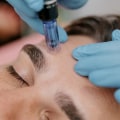
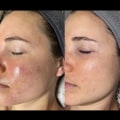
Microneedling, a popular cosmetic procedure that involves creating micro-injuries in the skin to stimulate collagen production, can be greatly enhanced by the application of exosomes. During this treatment, exosomes are applied topically immediately after microneedling. This combination not only accelerates the healing process but also amplifies the skin's regenerative capabilities.Patients often report a marked improvement in skin texture and tone following microneedling with exosomes. The exosomes work to reduce inflammation and promote faster recovery, leading to smoother, more radiant skin.
Additionally, studies have shown that the application of exosomes post-microneedling can lead to a significant increase in elastin production—up to 300%—which is crucial for maintaining skin elasticity and firmness.
Laser Therapy and Exosome Treatments
Laser therapy is another area where exosomes are making a significant impact. This treatment is designed to target various skin concerns such as pigmentation, fine lines, and overall skin texture. When combined with exosome therapy, the results can be transformative. The exosomes help to soothe the skin post-laser treatment, reducing redness and irritation while enhancing the overall healing process.Moreover, exosome treatments can improve collagen synthesis and tissue repair at a cellular level.
Patients undergoing laser therapy with exosome application often experience quicker recovery times and more pronounced results compared to those who do not use exosomes.
Expected Outcomes
- Improved Skin Hydration: Exosome treatments can significantly enhance moisture retention in the skin.
- Reduction of Fine Lines and Wrinkles: The increase in collagen and elastin production helps diminish signs of aging.
- Smoother Skin Texture: Patients often notice a more refined skin surface after treatments.
- Enhanced Healing: Both microneedling and laser procedures see reduced downtime when paired with exosome therapy.
- Overall Skin Radiance: The regenerative properties of exosomes contribute to a healthier, more vibrant complexion.
Comparing Exosomes to Other Skin Treatments
When considering skin rejuvenation options, it is essential to evaluate the effectiveness and safety of various treatments. Among the most popular methods are exosome therapy, Platelet-Rich Plasma (PRP) therapy, and stem cell treatments. Each of these approaches has its unique mechanisms and benefits, making them suitable for different skin concerns.Exosomes vs.
PRP
Exosome therapy utilises small vesicles secreted by cells, which are rich in proteins, lipids, and nucleic acids. These vesicles facilitate intercellular communication and promote healing and regeneration at a cellular level. In contrast, PRP therapy involves drawing a patient’s blood, processing it to concentrate the platelets, and then injecting this rich plasma back into the skin. While both treatments aim to enhance skin health and appearance, exosomes offer a more concentrated delivery of growth factors and bioactive molecules.One significant advantage of exosome therapy over PRP is its consistency.
Since exosomes are purified in a laboratory setting, their concentration remains stable, leading to more predictable results. In comparison, PRP's efficacy can vary significantly based on the individual’s platelet count and overall health.
Exosomes vs. Stem Cells
Stem cell therapies involve using stem cells derived from various sources, such as adipose tissue or bone marrow, to promote healing and regeneration. While stem cells have shown promise in treating various skin conditions, they come with potential ethical concerns and regulatory hurdles.
Exosome therapy, on the other hand, is often viewed as a more advanced option because it harnesses the regenerative properties of stem cells without the complexities associated with using live cells.Moreover, exosomes can be derived from stem cells but are less invasive and carry fewer risks. They can effectively stimulate collagen and elastin production while reducing inflammation and promoting wound healing without the need for surgical procedures.
Safety Considerations
Both exosome therapy and PRP are generally considered safe when performed by qualified professionals. However, exosome therapy may present fewer side effects due to its non-invasive nature and the absence of blood draw procedures involved in PRP treatments. Additionally, as exosomes are derived from human cells that have been thoroughly screened for safety, they pose a lower risk of adverse reactions compared to some stem cell therapies.In conclusion, while all three treatments—exosomes, PRP, and stem cells—offer unique benefits for skin rejuvenation, exosome therapy stands out for its consistency in results and safety profile.
As research continues to evolve in this field, exosomes may become an increasingly popular choice for those seeking effective solutions for skin health.
Potential Side Effects and Considerations of Exosome Therapy
While exosome therapy offers numerous benefits for skin rejuvenation, it is essential to consider potential side effects and risks associated with the treatment. Understanding these factors can help individuals make informed decisions about whether this innovative therapy is suitable for their skincare needs.One of the primary concerns regarding exosome therapy is the possibility of allergic reactions. Although exosomes are derived from human cells, some individuals may experience sensitivity to the components used in the treatment. Symptoms can range from mild redness and swelling at the injection site to more severe reactions, such as hives or difficulty breathing.It is crucial to discuss any known allergies with your practitioner prior to undergoing treatment.Another consideration is the risk of infection. As with any procedure that involves injections or microneedling, there is a potential risk of introducing bacteria into the skin. Proper sterilisation techniques and post-treatment care are vital to minimise this risk. Patients should follow their practitioner’s aftercare instructions diligently to ensure optimal healing and reduce the likelihood of complications.Some individuals may also experience temporary side effects , such as bruising, swelling, or discomfort at the treatment site.
These effects are generally mild and resolve within a few days. However, it is important to communicate any persistent or worsening symptoms to your healthcare provider.Additionally, while exosome therapy has shown promising results in enhancing skin health, it is not a one-size-fits-all solution. Factors such as age, skin type, and underlying health conditions can influence the effectiveness of the treatment. Therefore, a thorough consultation with a qualified professional is essential to determine if exosome therapy aligns with your specific skincare goals.In summary, while exosome therapy presents exciting opportunities for skin rejuvenation, potential side effects and considerations must be taken into account.
By being aware of these factors and engaging in open dialogue with your healthcare provider, you can make an informed decision about whether this treatment is right for you.
Incorporating Exosome Therapy into Your Skincare Routine
Incorporating exosome therapy into your skincare routine can significantly enhance your skin's health and appearance. This innovative treatment harnesses the power of exosomes to promote healing, rejuvenation, and overall skin vitality. Here’s how to effectively integrate exosome therapy into your daily regimen.1.Consultation with a Professional
- Before starting any new treatment, it’s essential to consult with a qualified dermatologist or skincare professional. They can assess your skin type, discuss your specific concerns, and recommend a tailored exosome therapy plan.
2.Pre-Treatment Preparation
- Prior to undergoing exosome therapy, ensure your skin is in optimal condition.
This may involve a gentle cleansing routine and avoiding harsh products that could irritate the skin.
- Stay hydrated and maintain a balanced diet rich in antioxidants to support your skin's health from within.
3.Post-Treatment Care
- After receiving exosome therapy, it’s crucial to follow specific aftercare instructions to maximise results:
- Avoid direct sun exposure for at least 48 hours post-treatment. If you must go outside, apply a broad-spectrum sunscreen with an SPF of 30 or higher.
- Refrain from using exfoliating products or treatments for at least one week to allow your skin to heal properly.
- Keep your skin moisturised with a gentle, hydrating serum or cream that complements the effects of the exosomes.
- Consider incorporating products that contain hyaluronic acid or peptides, as these can further enhance hydration and support collagen production.
4.Regular Follow-Up Treatments
- To maintain the benefits of exosome therapy, regular follow-up treatments are recommended. Depending on your skin's needs, this could be every few months.
- Your skincare professional can help determine the best schedule based on your individual response to treatment.
5.Monitor Your Skin’s Response
- Pay attention to how your skin reacts post-treatment. Look for improvements in texture, hydration, and overall appearance.
- If you notice any adverse reactions or concerns, consult your skincare provider promptly for advice.
Future Prospects: The Evolving Role of Exosomes in Dermatology
The landscape of dermatology is rapidly evolving, particularly with the advent of exosomes as a transformative tool in skin health and rejuvenation.Ongoing research is delving deeper into the multifaceted roles that exosomes play, not only in healing but also in enhancing the overall quality of skin. As scientists continue to uncover the potential of these nanoscopic vesicles, the future of exosome therapy in dermatology looks promising.One of the most exciting areas of research involves the use of exosomes derived from stem cells. These exosomes are rich in growth factors, proteins, and genetic material that can significantly influence cellular behaviour. Studies are exploring how these components can be harnessed to promote skin regeneration, reduce inflammation, and combat signs of aging.
For instance, preliminary findings suggest that stem cell-derived exosomes can enhance collagen and elastin production, leading to firmer and more youthful skin.Moreover, innovations in skincare formulations are beginning to incorporate exosomes as key ingredients. This trend is not merely cosmetic; it represents a shift towards more biologically active products that work at a cellular level. Researchers are investigating how exosome-enriched creams and serums can improve skin hydration, elasticity, and overall texture. The potential for these products to deliver targeted therapies directly to skin cells could revolutionise how we approach skincare.In addition to topical applications, there is growing interest in the systemic effects of exosomes on skin health.
Research is being conducted on how exosomes can facilitate intercellular communication within the body, potentially leading to holistic improvements in skin condition. This could open new avenues for treating chronic skin conditions such as psoriasis or eczema by addressing underlying inflammatory processes.As we look ahead, the integration of exosome therapy into standard dermatological practices seems inevitable. With advancements in technology and a better understanding of cellular mechanisms, dermatologists may soon have access to a suite of exosome-based treatments tailored to individual patient needs. This personalised approach could enhance treatment efficacy and patient satisfaction.In conclusion, the future prospects for exosomes in dermatology are vast and varied.
As research continues to unfold, we can anticipate a new era where exosomes not only serve as a therapeutic option but also redefine our understanding of skincare and skin health.
Frequently Asked Questions About Exosomes and Skin Health
As the popularity of exosomes in skincare continues to rise, many individuals have questions about their efficacy, safety, and overall role in skin health. Below are some frequently asked questions that can help clarify common misconceptions and provide valuable insights into exosome therapy.What are exosomes?
Exosomes are tiny vesicles secreted by cells that play a crucial role in intercellular communication. They contain a variety of bioactive molecules, including proteins, lipids, and nucleic acids, which can influence the behaviour of other cells. In the context of skincare, exosomes derived from stem cells are particularly beneficial for promoting skin regeneration and healing.How do exosomes benefit the skin?
The application of exosomes can lead to numerous skin benefits, such as:- Enhanced collagen and elastin production: This helps improve skin elasticity and firmness.
- Reduction of fine lines and wrinkles: Exosomes can diminish the appearance of aging signs.
- Improved hydration: They assist in retaining moisture within the skin.
- Accelerated healing: Exosomes can speed up recovery after procedures like microneedling or laser treatments.
- Decreased inflammation: They help soothe irritated skin and reduce redness.
Are there any side effects associated with exosome therapy?
Exosome therapy is generally considered safe, with minimal side effects reported.Some individuals may experience temporary redness or swelling at the application site, but these symptoms typically resolve quickly. It is essential to consult with a qualified professional to ensure that the treatment is appropriate for your skin type and condition.
Can exosomes replace traditional skincare products?
While exosome therapy offers significant benefits, it should not be viewed as a complete replacement for traditional skincare products. Instead, it can complement your existing routine by enhancing the overall effectiveness of topical treatments. Incorporating exosome therapy into your regimen may lead to improved results when used alongside other high-quality skincare products.Are there any myths about exosomes?
One common myth is that exosome therapy is only suitable for older individuals.In reality, people in their 30s and beyond can benefit from exosome treatments as a proactive measure against aging. Another misconception is that all exosome products are created equal; however, the source and quality of exosomes can vary significantly, making it crucial to choose reputable providers.In summary, understanding exosomes and their role in skin health can empower individuals to make informed decisions about their skincare routines. By addressing these frequently asked questions, we hope to demystify exosome therapy and highlight its potential benefits for achieving healthier, more youthful-looking skin.
Conclusion: The Transformative Potential of Exosomes for Skin Care
In summary, the exploration of exosomes in skincare reveals a remarkable potential for transforming how we approach skin health and rejuvenation. As we have discussed, exosomes are tiny vesicles that play a crucial role in cellular communication, carrying essential proteins, lipids, and genetic material that can significantly enhance skin repair and regeneration.One of the most compelling aspects of exosome therapy is its ability to stimulate the production of vital components such as collagen and elastin.These proteins are fundamental to maintaining skin elasticity and firmness, which naturally decline with age. By harnessing the power of exosomes, individuals can experience a noticeable reduction in fine lines, wrinkles, and other signs of aging.Moreover, the anti-inflammatory properties of exosomes contribute to improved skin texture and tone. This is particularly beneficial for those suffering from conditions like acne or rosacea, where inflammation plays a significant role. The application of exosomes not only aids in healing but also promotes an overall healthier complexion.As we look towards the future of skincare, it is clear that exosome therapy represents a cutting-edge advancement that combines science with aesthetic enhancement.
With ongoing research and clinical studies supporting their efficacy, exosomes are poised to become a staple in both medical and cosmetic dermatology.Incorporating exosome treatments into your skincare routine could be a game-changer, especially for those seeking non-invasive solutions to combat the effects of aging and environmental stressors. As more practitioners adopt this innovative approach, it is essential for consumers to stay informed about the benefits and potential applications of exosomes.Ultimately, the transformative potential of exosomes in skincare is not just about achieving superficial results; it is about fostering long-term skin health and vitality. As we continue to uncover the myriad benefits of these cellular messengers, it becomes increasingly evident that exosomes may hold the key to unlocking youthful, radiant skin for years to come.