Exosomes are small extracellular vesicles, typically ranging from 30 to 150 nanometres in diameter, that play a pivotal role in intercellular communication. They are secreted by various cell types and are found in numerous biological fluids, including blood, urine, and saliva. These tiny vesicles are formed within the endosomal system of cells and are released into the extracellular space when multivesicular bodies fuse with the plasma membrane. The significance of exosomes lies in their ability to carry a diverse array of molecular cargo, including proteins, lipids, and nucleic acids, which can influence the behaviour of recipient cells. The primary function of exosomes is to facilitate communication between cells.
They act as vehicles for transferring bioactive molecules that can modulate various physiological processes. For instance, exosomes can deliver growth factors that promote tissue repair or carry genetic material that can alter gene expression in target cells. This unique capability makes them a focal point of research in regenerative medicine and therapeutic applications. By understanding how exosomes function, researchers aim to harness their potential for treating a range of conditions, from degenerative diseases to cancer. Moreover, the biology of exosomes is complex and multifaceted.
They are involved in numerous biological processes such as immune response modulation, inflammation regulation, and even the progression of diseases. For example, in cancer biology, exosomes can carry oncogenic signals that promote tumour growth and metastasis. Conversely, they can also be involved in anti-tumour responses by presenting tumour antigens to immune cells. This dual role highlights the importance of studying exosome biology not only for therapeutic purposes but also for understanding disease mechanisms. As research continues to evolve, the potential applications of exosomes in clinical settings are becoming increasingly apparent.
Their natural ability to transport therapeutic agents makes them an attractive option for drug delivery systems. Furthermore, the non-invasive nature of isolating exosomes from bodily fluids presents a promising avenue for diagnostic purposes. By analysing the content of exosomes derived from patients, clinicians may gain insights into disease states and treatment responses.
The Benefits of Exosome Treatment
Exosome treatment has emerged as a groundbreaking approach in the field of regenerative medicine, offering a multitude of benefits that are capturing the attention of both patients and healthcare professionals alike. These tiny vesicles, derived from cells, play a crucial role in intercellular communication and have shown remarkable potential in various therapeutic applications.One of the primary advantages of exosome treatment is its ability to promote healing and tissue regeneration.Exosomes contain a rich cargo of proteins, lipids, and nucleic acids that can stimulate cellular repair processes. This makes them particularly beneficial for conditions such as:
- Osteoarthritis: Exosome therapy has been shown to reduce inflammation and promote cartilage regeneration, providing relief from pain and improving joint function.
- Neuropathy: Patients suffering from nerve damage may experience significant improvements in nerve function and pain reduction following exosome treatment.
- Wound healing: The regenerative properties of exosomes can accelerate the healing process for chronic wounds, making them a valuable option for patients with slow-healing injuries.
For instance, a clinical trial involving patients with osteoarthritis demonstrated significant improvements in pain levels and joint mobility after receiving exosome injections. Many participants reported a marked decrease in discomfort, allowing them to engage in activities they had previously avoided due to pain.Additionally, exosomes have shown promise in the field of oncology. Research indicates that they can be used as delivery vehicles for targeted therapies, potentially improving treatment outcomes for cancer patients by enhancing the efficacy of drugs while minimising side effects.In conclusion, the benefits of exosome treatment are vast and varied, ranging from enhanced healing capabilities to improved patient experiences through less invasive procedures. As research continues to unfold, the potential applications of exosomes in medicine are likely to expand further, solidifying their role as a transformative tool in modern healthcare.
Potential Risks and Drawbacks of Exosome Treatment
While exosome treatment offers promising potential in regenerative medicine, it is crucial for patients to be aware of the risks and drawbacks associated with this therapy.Understanding these factors can help individuals make informed decisions about their health and treatment options.
Adverse Effects
- Injection Site Reactions: One of the most common side effects reported by patients undergoing exosome therapy is discomfort at the injection site. This can include swelling, redness, or pain, which typically resolves within a few days.
- Allergic Reactions: Although rare, some patients may experience allergic reactions to the components of the exosome treatment. Symptoms can range from mild rashes to more severe reactions requiring medical attention.
- Infections: As with any procedure that involves injections, there is a risk of infection. Proper sterilisation and handling of exosomes are essential to minimise this risk.
Long-Term Safety Concerns
The long-term safety of exosome therapy remains a significant concern.
While initial studies have shown positive outcomes, comprehensive research on the prolonged effects of exosome treatment is still lacking. Patients should be cautious and consider that:
- The biological nature of exosomes means their effects can vary widely based on their source and preparation methods.
- There is currently no standardised protocol for exosome production, leading to variability in quality and efficacy across different clinics.
Potential for Disease Transmission
Another critical aspect to consider is the potential risk of transmitting infectious diseases through exosome treatments. Although there have been no documented cases of such transmissions linked to exosome products, the possibility cannot be entirely dismissed. Patients should ensure that their chosen clinic adheres to strict safety protocols and uses thoroughly tested and sterilised products.
Financial Considerations
The cost of exosome therapy can also be a drawback for many patients.
The complexity involved in sourcing and preparing exosomes contributes to higher treatment costs compared to traditional therapies. Patients should weigh the financial implications against the potential benefits when considering this treatment option.In conclusion, while exosome therapy holds great promise, it is essential for patients to be fully informed about its potential risks and drawbacks. Engaging in thorough discussions with healthcare providers can help individuals navigate these concerns effectively.
Current Research and Future Directions in Exosome Therapy
The field of exosome therapy is rapidly evolving, with ongoing research aimed at unlocking the full potential of these tiny vesicles in various medical applications. Recent studies have begun to shed light on the mechanisms by which exosomes facilitate cellular communication and their role in disease modulation, paving the way for innovative therapeutic strategies.One significant area of focus is the use of exosomes in cancer treatment.Researchers are investigating how exosomes can be engineered to deliver targeted therapies directly to tumour cells, minimising damage to surrounding healthy tissue. For instance, a study published in Nature Communications demonstrated that exosomes derived from stem cells could effectively transport chemotherapeutic agents to cancer cells, enhancing the efficacy of treatment while reducing side effects.Moreover, clinical trials are underway to evaluate the safety and effectiveness of exosome-based therapies for various conditions, including neurodegenerative diseases and autoimmune disorders. A notable trial is exploring the use of exosomes in treating Alzheimer’s disease, where they are being tested for their ability to deliver neuroprotective factors that may slow disease progression.In addition to therapeutic applications, researchers are also examining the diagnostic potential of exosomes. Their presence in bodily fluids makes them ideal candidates for non-invasive biomarkers. demonstrated that exosomes derived from stem cells could effectively transport chemotherapeutic agents to cancer cells, enhancing the efficacy of treatment while reducing side effects.Moreover, clinical trials are underway to evaluate the safety and effectiveness of exosome-based therapies for various conditions, including neurodegenerative diseases and autoimmune disorders. A notable trial is exploring the use of exosomes in treating Alzheimer’s disease, where they are being tested for their ability to deliver neuroprotective factors that may slow disease progression.In addition to therapeutic applications, researchers are also examining the diagnostic potential of exosomes. Their presence in bodily fluids makes them ideal candidates for non-invasive biomarkers.
Studies have shown that specific exosomal profiles can indicate the presence of certain cancers or other diseases, offering a promising avenue for early detection and monitoring.Looking ahead, the future of exosome therapy appears bright but requires further investigation into standardisation and production methods. As the field matures, establishing protocols for the isolation and characterisation of exosomes will be crucial to ensure consistency and safety across clinical applications.In conclusion, ongoing research into exosome therapy is revealing exciting possibilities that could revolutionise treatment paradigms across various medical fields. As scientists continue to explore the multifaceted roles of exosomes, we can anticipate a future where these biological messengers play a central role in personalised medicine.
Choosing a Reputable Clinic for Exosome Treatment
When considering exosome treatment, selecting a reputable clinic is crucial for ensuring both safety and effectiveness. With the increasing popularity of this innovative therapy, it is essential to conduct thorough research before making a decision.Here are some key factors to consider and questions to ask when choosing a clinic.
- Credentials and Experience: Verify the qualifications of the healthcare professionals administering the treatment. Look for clinics where practitioners have specific training in regenerative medicine and experience with exosome therapies.
- Source of Exosomes: Inquire about where the clinic sources its exosomes. High-quality exosomes are typically derived from healthy stem cells, and understanding the origin can provide insight into their efficacy.
- Testing and Processing: Ask about the protocols in place for testing and processing exosomes. A reputable clinic should have stringent quality control measures to ensure that the exosomes are safe and effective.
- Clinical Evidence: Request information on clinical studies or trials that support the use of exosome therapy for your specific condition.
A trustworthy clinic should be able to provide data or references to peer-reviewed research.
- Patient Testimonials: Look for reviews or testimonials from previous patients. Positive feedback can indicate a clinic's reliability, while negative experiences may raise red flags.
- Transparency: A reputable clinic should be open about the treatment process, potential risks, and expected outcomes. If a clinic is evasive or overly promotional, it may be best to seek alternatives.
- What specific conditions do you treat with exosome therapy?
- Can you explain the procedure in detail, including how exosomes are administered?
- What are the potential side effects or risks associated with this treatment?
- How do you monitor patient outcomes after treatment?
- What follow-up care do you provide post-treatment?
Patient Experiences: Testimonials and Case Studies
Patient experiences with exosome treatment provide valuable insights into the potential benefits and challenges associated with this innovative therapy.Here, we share several testimonials and case studies that highlight the diverse outcomes of individuals who have undergone exosome therapy.
Case Study 1: John’s Journey with Osteoarthritis
John, a 62-year-old retired carpenter, had been suffering from osteoarthritis in his knees for over a decade. After exhausting traditional treatments, including physical therapy and corticosteroid injections, he decided to explore exosome therapy. "I was sceptical at first, but I was desperate for relief," he shared. Following his treatment, John reported a significant reduction in pain and improved mobility within weeks.
"I can now enjoy my morning walks again without wincing in pain," he added. His experience underscores the potential of exosomes in alleviating joint-related issues.
Case Study 2: Sarah’s Battle with Chronic Fatigue Syndrome
Sarah, a 45-year-old teacher, had been diagnosed with chronic fatigue syndrome (CFS) for several years. After researching alternative treatments, she opted for exosome therapy. "I had nothing to lose," she remarked.
Post-treatment, Sarah experienced a notable increase in her energy levels and a decrease in fatigue symptoms. "It felt like I was finally waking up from a long sleep," she expressed. Her story illustrates how exosome therapy may offer hope to those suffering from debilitating conditions.
Testimonial: Mark’s Experience with Hair Restoration
Mark, a 35-year-old man facing early hair loss, sought out exosome treatment as a non-invasive option for hair restoration. "I was tired of trying different products that promised results but never delivered," he stated.
After undergoing the treatment, Mark noticed visible improvements in hair thickness and growth within three months. "I feel more confident now; it’s amazing what a difference it makes," he said. His testimonial highlights the cosmetic applications of exosomes beyond traditional medical uses.
Conclusion
The experiences shared by patients like John, Sarah, and Mark reflect the varied potential of exosome treatment. While individual results may vary, these testimonials provide hope and insight for those considering this emerging therapy.
As always, it is crucial for prospective patients to consult with qualified healthcare providers to discuss their specific conditions and treatment options.
Frequently Asked Questions About Exosome Treatment
As the field of regenerative medicine continues to evolve, many patients are left with questions about exosome therapy. This section aims to address some of the most frequently asked questions regarding exosome treatment, helping to clarify common concerns and misconceptions.What are exosomes?
Exosomes are tiny vesicles, typically ranging from 30 to 150 nanometers in diameter, that are secreted by various types of cells. They play a crucial role in cell communication and can carry proteins, lipids, and genetic material. In the context of therapy, exosomes derived from stem cells are believed to have regenerative properties that can aid in healing and tissue repair.How is exosome therapy administered?
Exosome therapy can be administered through various methods, including:- Injections: Directly into the affected area, such as joints or muscles.
- Intravenous (IV) infusion: For systemic treatment, allowing exosomes to circulate throughout the body.
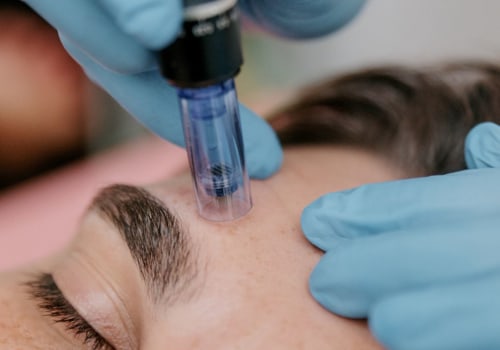
- Topical application: In some cases, exosomes may be applied directly to the skin for cosmetic purposes.
What conditions can exosome therapy treat?
Exosome therapy has shown promise in treating a variety of conditions, including:- Osteoarthritis
- Chronic pain
- Neurological disorders
- Skin rejuvenation and anti-aging treatments
- Cancer therapies (as adjunctive treatment)
Are there any risks associated with exosome treatment?
While exosome therapy is generally considered safe, potential risks include:- Infection: As with any injection or invasive procedure.
- Allergic reactions: Some patients may experience reactions at the injection site.
- Lack of standardisation: The quality and efficacy of exosomes can vary significantly between providers.
How do I choose a reputable clinic for exosome therapy?
Selecting a clinic for exosome treatment requires careful consideration.Look for facilities that:
- Have qualified medical professionals with experience in regenerative medicine.
- Utilise high-quality, well-tested exosome products.
- Provide transparent information about their procedures and outcomes.
Conclusion: Weighing the Pros and Cons of Exosome Treatment
In conclusion, the landscape of exosome treatment presents a complex interplay of potential benefits and inherent risks that must be carefully navigated by both patients and healthcare providers. As we have explored throughout this article, exosomes hold remarkable promise in the realm of regenerative medicine, offering innovative solutions for various medical conditions. Their ability to facilitate cellular communication and promote healing processes positions them as a compelling option for those seeking alternatives to traditional therapies.However, it is crucial to approach exosome therapy with a balanced perspective. The potential advantages, such as enhanced tissue regeneration and targeted drug delivery, are tempered by significant concerns regarding safety and efficacy.Reports of adverse effects, although rare, highlight the necessity for thorough screening and quality control in the production of exosome products. Patients must be aware that not all exosome therapies are created equal; variations in sourcing and processing can lead to discrepancies in treatment outcomes.Moreover, the limited long-term data on the safety and effectiveness of exosome treatments underscores the importance of ongoing research in this field. As with any emerging medical intervention, it is essential for patients to remain informed about the evolving landscape of exosome therapy. Engaging in open discussions with healthcare professionals can provide valuable insights into the appropriateness of this treatment based on individual health profiles.Ultimately, making an informed decision about exosome treatment requires weighing the potential benefits against the risks involved.
Patients should consider their specific medical conditions, consult with qualified practitioners, and seek out reputable clinics that adhere to stringent protocols for exosome production. By doing so, they can better navigate the complexities of this innovative therapy and make choices that align with their health goals.