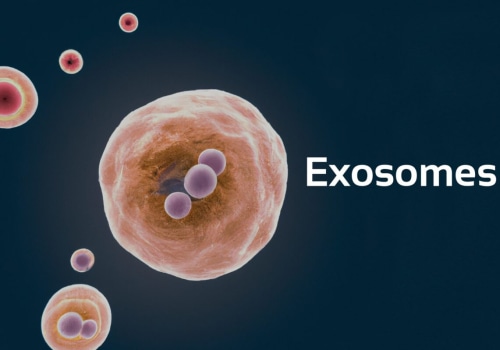
Exosomes are small extracellular vesicles that play a crucial role in intercellular communication. These nano-sized particles, typically ranging from 30 to 150 nanometers in diameter, are secreted by various cell types and contain a complex mixture of proteins, lipids, and nucleic acids. Their primary function is to facilitate the transfer of molecular signals between cells, thereby influencing numerous biological processes such as immune response, tissue repair, and cellular regeneration. Understanding exosomes is essential for grasping their potential therapeutic applications, particularly in the realm of regenerative medicine.One of the most fascinating aspects of exosomes is their ability to carry specific cargo that reflects the physiological state of their parent cells.
This means that exosomes can provide valuable insights into the health and condition of tissues, making them a promising tool for diagnostics and targeted therapies. For instance, exosomes derived from stem cells have been shown to possess regenerative properties, promoting healing and reducing inflammation in damaged tissues. This has led to increased interest in exosome therapy, where these vesicles are harnessed for therapeutic purposes.Exosome therapy is an innovative approach that utilises the natural properties of exosomes to enhance healing processes in various medical conditions. By isolating exosomes from specific cell types—such as mesenchymal stem cells or umbilical cord cells—clinicians can administer these vesicles to patients to stimulate tissue repair and regeneration.
The therapeutic potential of exosomes lies not only in their ability to deliver bioactive molecules but also in their capacity to modulate immune responses and promote cellular communication.As research continues to unveil the intricate roles of exosomes in health and disease, it becomes increasingly clear that these tiny vesicles hold significant promise for advancing medical treatments. By delving deeper into the biology of exosomes and their mechanisms of action, we can better understand how they can be effectively utilised in clinical settings, paving the way for new therapies that harness the body's own healing capabilities.
The Rise of Exosome Therapy: A New Frontier in Medicine
In recent years, exosome therapy has emerged as a groundbreaking approach in the field of medicine, capturing the attention of both healthcare professionals and patients alike. This innovative treatment harnesses the power of exosomes—tiny vesicles secreted by cells that play a crucial role in intercellular communication. As research continues to unveil their potential, the popularity of exosome therapies is rapidly increasing across various medical disciplines.One of the primary reasons for the growing interest in exosome therapy is its remarkable potential in regenerative medicine.Exosomes are rich in proteins, lipids, and nucleic acids, which can facilitate tissue repair and regeneration. This makes them particularly appealing for treating conditions such as osteoarthritis, cardiovascular diseases, and even neurodegenerative disorders. By promoting healing at the cellular level, exosome therapy offers a promising alternative to traditional treatments that often focus solely on symptom management.Moreover, the versatility of exosome applications extends beyond regenerative medicine. In oncology, for instance, researchers are exploring how exosomes can be used for targeted drug delivery and as biomarkers for cancer diagnosis.
Their ability to carry therapeutic agents directly to affected cells could revolutionise cancer treatment by minimising side effects and enhancing efficacy.The increasing popularity of exosome treatments can also be attributed to their relatively non-invasive nature. Unlike conventional surgical procedures or extensive pharmacological interventions, exosome therapies often involve simple injections or topical applications. This not only reduces recovery time but also lowers the risk of complications associated with more invasive methods.As patients become more informed about their treatment options, many are seeking out Their ability to carry therapeutic agents directly to affected cells could revolutionise cancer treatment by minimising side effects and enhancing efficacy.The increasing popularity of exosome treatments can also be attributed to their relatively non-invasive nature. Unlike conventional surgical procedures or extensive pharmacological interventions, exosome therapies often involve simple injections or topical applications. This not only reduces recovery time but also lowers the risk of complications associated with more invasive methods.As patients become more informed about their treatment options, many are seeking out exosome therapies as a viable solution for various health issues. The combination of minimal invasiveness, potential for significant healing benefits, and ongoing advancements in research makes exosome therapy an attractive choice for those looking to improve their health outcomes.In conclusion, the rise of exosome therapy represents a new frontier in medicine, with its applications spanning multiple fields and offering hope for patients facing challenging health conditions.
As further studies are conducted and more clinical evidence emerges, it is likely that the role of exosomes in medical treatments will continue to expand, solidifying their place as a cornerstone of modern therapeutic strategies.
Common Myths About Exosome Injections
As the popularity of exosome injections continues to rise, so too do the myths and misconceptions surrounding their use. Understanding the truth behind these myths is essential for anyone considering this innovative treatment. Here, we will debunk some of the most common misconceptions about exosome injections.Myth 1: Exosome Injections Are Just a Fad
Many people believe that exosome therapy is merely a passing trend in the world of regenerative medicine. However, this treatment is grounded in extensive scientific research and has shown promising results in various clinical applications.
Exosomes play a crucial role in cell communication and have been studied for their potential to promote healing and tissue regeneration.
Myth 2: All Exosome Products Are the Same
Another prevalent misconception is that all exosome products are identical. In reality, the source of exosomes, as well as the methods used for their extraction and processing, can vary significantly. Exosomes derived from different cell types or cultured under varying conditions can exhibit distinct properties and therapeutic potentials. Therefore, it is vital to choose treatments from reputable providers who use high-quality exosome products.
Myth 3: Exosome Injections Are Completely Risk-Free
While exosome injections are generally considered safe when administered by qualified professionals, it is misleading to claim they are without risks.
Potential side effects may include mild irritation at the injection site or, in rare cases, more serious complications such as infection. Patients should always discuss these risks with their healthcare provider before undergoing treatment.
Myth 4: Exosomes Can Cure Any Condition
Some individuals may be led to believe that exosome therapy can cure a wide range of ailments, from chronic pain to serious diseases. While exosomes show great promise in various therapeutic areas, they are not a panacea. The effectiveness of exosome therapy can depend on numerous factors, including the specific condition being treated and individual patient characteristics.
Myth 5: You Can Get Exosomes from Any Source
Lastly, there is a misconception that exosomes can be sourced from any biological material.
In fact, the most effective exosomes are typically derived from specific cell types, such as mesenchymal stem cells or umbilical cord cells. These sources are chosen for their superior regenerative properties and ability to promote healing.In conclusion, understanding the facts about exosome injections is crucial for making informed decisions regarding treatment options. By debunking these common myths, patients can approach exosome therapy with realistic expectations and a clearer understanding of its potential benefits and limitations.
Potential Risks and Side Effects of Exosome Injections
When considering exosome injections, it is crucial to be aware of the potential risks and side effects associated with this innovative therapy. While exosome treatments are generally regarded as safe when administered by qualified professionals, understanding the possible complications can help patients make informed decisions.One of the most frequently reported side effects of exosome injections is mild irritation at the injection site.This can manifest as redness, swelling, or discomfort, which typically resolves within a few hours to a couple of days. Such reactions are often minimal and manageable, but they highlight the importance of post-treatment care and monitoring.Another concern is the risk of infection. Since exosomes are derived from living cells, there is a potential for contamination with pathogens that may not be detectable through standard testing methods. To mitigate this risk, it is essential to receive treatments from reputable clinics that adhere to strict hygiene and safety protocols.Additionally, some patients may experience allergic reactions to the components used in the exosome preparation or the substances involved in the injection process.
Symptoms can range from mild rashes to more severe reactions, necessitating immediate medical attention. Therefore, a thorough medical history and allergy assessment should be conducted prior to treatment.Furthermore, while exosomes have shown promise in promoting healing and regeneration, their long-term effects are still under investigation. As research continues to evolve, it is vital for patients to stay informed about new findings related to exosome therapy and its implications for safety.In conclusion, while exosome injections offer exciting therapeutic potential, understanding the associated risks and side effects is paramount. Engaging in open discussions with healthcare providers about these factors can lead to safer treatment experiences and better outcomes.
Choosing a Qualified Provider for Exosome Therapy
When considering exosome therapy, selecting a qualified healthcare provider is paramount to ensure both safety and effectiveness.The increasing popularity of this treatment has led to a proliferation of clinics offering exosome therapies, making it essential for patients to conduct thorough research before proceeding.Here are some key factors to consider when choosing a provider:
- Credentials and Experience: Verify the qualifications of the healthcare professionals administering the treatment. Look for providers with specific training in regenerative medicine and experience in exosome therapy. A background in stem cell research or related fields can be beneficial.
- Reputation: Research the clinic’s reputation through online reviews, testimonials, and patient feedback. A reputable clinic will have a history of successful treatments and satisfied patients.
Consider reaching out to former patients for their experiences.
- Transparency: A qualified provider should be open about their methods, including the source of their exosomes, the processes used for extraction and purification, and any potential risks involved. They should provide clear information about what to expect during and after the treatment.
- Regulatory Compliance: Ensure that the clinic adheres to local regulations and guidelines regarding exosome therapies. This includes having appropriate licenses and certifications. Providers should also comply with safety standards set by health authorities.
- Consultation Process: A reputable provider will offer a comprehensive consultation before treatment.
This should include a thorough medical history review, an assessment of your suitability for exosome therapy, and a discussion of your goals and expectations.
- Follow-Up Care: Inquire about the follow-up care provided post-treatment. A responsible clinic will monitor your progress and be available to address any concerns or complications that may arise.
The Regulatory Landscape Surrounding Exosome Treatments
The landscape of exosome therapy is complex and continually evolving, particularly in terms of regulatory oversight. As the use of exosomes in medical treatments gains traction, understanding the regulatory framework is essential for both practitioners and patients.In many countries, including the United Kingdom, exosome therapies fall under the jurisdiction of health regulatory bodies that ensure safety and efficacy.In the UK, the Medicines and Healthcare products Regulatory Agency (MHRA) plays a pivotal role in overseeing these treatments. The MHRA evaluates whether exosome products meet stringent safety standards before they can be marketed or administered to patients.One of the primary concerns regarding exosome therapies is their classification. Depending on their source and intended use, exosomes may be classified as either medicinal products or advanced therapy medicinal products (ATMPs). This classification significantly impacts the regulatory requirements that must be met.
For instance, ATMPs are subject to more rigorous testing and approval processes due to their complex nature and potential risks.In the United States, the Food and Drug Administration (FDA) has also begun to establish guidelines for exosome therapies. The FDA's approach focuses on ensuring that any product derived from human cells meets safety standards and is manufactured in compliance with good manufacturing practices (GMP). This includes thorough preclinical studies and clinical trials to assess both safety and efficacy.Legal aspects surrounding exosome treatments are equally important. Practitioners must ensure that they are compliant with local laws regarding the administration of these therapies.
This includes obtaining informed consent from patients, which should detail potential risks, benefits, and alternatives to treatment. Failure to adhere to these legal requirements can result in significant repercussions for healthcare providers.Moreover, as research continues to advance our understanding of exosomes, regulations may adapt accordingly. It is crucial for both patients and practitioners to stay informed about changes in legislation that could affect treatment options.In summary, navigating the regulatory landscape surrounding exosome treatments requires diligence and awareness. Compliance with safety standards and legal requirements not only protects patients but also enhances the credibility of practitioners offering these innovative therapies.
Future Directions in Exosome Research and Therapy
The field of exosome research is rapidly evolving, with numerous studies underway that aim to unlock the full potential of these tiny vesicles in therapeutic applications.As scientists delve deeper into the mechanisms of exosome biology, several promising directions are emerging that could significantly enhance treatment outcomes.One of the most exciting areas of research involves the engineering of exosomes for targeted drug delivery. By modifying the surface proteins of exosomes, researchers can create vesicles that specifically target diseased cells, such as cancerous or inflamed tissues. This precision could lead to more effective treatments with fewer side effects, as healthy cells would be spared from unnecessary exposure to potent drugs.Additionally, advancements in nanotechnology are paving the way for improved isolation and characterization techniques for exosomes. Enhanced methods for purifying exosomes from biological fluids will allow for more consistent and reliable therapeutic applications.
Techniques such as microfluidics and advanced chromatography are being explored to streamline the extraction process, ensuring that high-quality exosomes are available for clinical use.Another promising avenue is the exploration of exosomes derived from various cell types. While mesenchymal stem cell (MSC)-derived exosomes have garnered significant attention, researchers are investigating the potential of exosomes from other sources, such as immune cells and neuronal cells. These diverse origins may provide unique therapeutic properties that could be harnessed for specific conditions.Furthermore, ongoing clinical trials are crucial in determining the safety and efficacy of exosome therapies across a range of diseases. As more data becomes available, it will help refine treatment protocols and establish best practices for administering exosome-based therapies.In summary, the future of exosome research holds great promise.
With advancements in engineering, isolation techniques, and a broader understanding of their biological roles, exosomes may soon become a cornerstone in regenerative medicine and targeted therapies. Continued investment in this field will undoubtedly lead to innovative solutions that enhance patient care and treatment outcomes.
Frequently Asked Questions About Exosome Injections
As the interest in exosome injections continues to grow, many patients have questions regarding their safety, efficacy, and overall understanding of the treatment. Below are some of the most frequently asked questions about exosome therapy.What are exosomes?
Exosomes are small extracellular vesicles that are secreted by various types of cells. They play a crucial role in cell communication and can carry proteins, lipids, and genetic material from one cell to another.This ability makes them a focal point in regenerative medicine, as they can potentially aid in healing and tissue repair.
How are exosome injections administered?
Exosome injections can be administered through various methods, including direct injection into the affected area or via intravenous infusion. The method chosen often depends on the specific condition being treated and the desired outcomes.Are there any side effects associated with exosome therapy?
While exosome treatments are generally considered safe, some patients may experience mild side effects. Common reactions include:- Irritation or redness at the injection site
- Mild swelling or discomfort
- Allergic reactions , though rare
How long does it take to see results from exosome therapy?
The timeline for results can vary significantly based on individual factors such as the condition being treated and the patient's overall health. Some patients may notice improvements within a few weeks, while others might require several months to experience the full benefits of the therapy.Is exosome therapy suitable for everyone?
Exosome therapy may not be suitable for everyone.Factors such as underlying health conditions, age, and specific medical histories can influence eligibility. A thorough consultation with a qualified healthcare professional is crucial to determine if this treatment is appropriate for you.
Where can I receive exosome injections?
It is vital to seek exosome treatments from reputable clinics that employ qualified healthcare professionals. Ensure that the facility adheres to safety regulations and uses high-quality exosomes derived from reliable sources.If you have further questions or concerns about exosome injections, do not hesitate to reach out to your healthcare provider for personalised advice and information.Conclusion: Making Informed Decisions About Exosome Therapy
As we conclude our exploration of exosome therapy, it is essential to reflect on the critical insights shared throughout this article. The growing interest in exosome treatments is indicative of their potential to revolutionise various medical fields, particularly in regenerative medicine and aesthetic applications.However, with this potential comes a responsibility for patients to make informed decisions.Firstly, understanding what exosomes are and how they function is paramount. These tiny vesicles play a significant role in cell communication and can facilitate healing processes by transferring proteins, lipids, and genetic material between cells. This biological mechanism underpins the therapeutic effects that many patients seek.Moreover, while exosome therapies are generally considered safe when administered by qualified professionals, it is crucial to acknowledge the potential risks involved. Mild side effects such as irritation or redness at the injection site are common but manageable.
More serious concerns, such as the risk of infection from untested viral contaminants, highlight the importance of sourcing treatments from reputable providers.In addition, the source of exosomes significantly impacts their efficacy. Exosomes derived from umbilical cord cells are often deemed more effective due to their youthful characteristics compared to those from older tissues. Therefore, patients should inquire about the origin of the exosomes used in their treatment.Ultimately, engaging in a thorough consultation with a healthcare professional is vital before proceeding with any exosome therapy. This dialogue should encompass a discussion of medical history, treatment expectations, and any potential interactions with existing medications.In summary, while exosome therapy holds promise for various applications, informed decision-making is crucial.
Patients must weigh the benefits against the risks and ensure they are well-informed about the treatment process. By doing so, individuals can approach their health decisions with confidence and clarity.