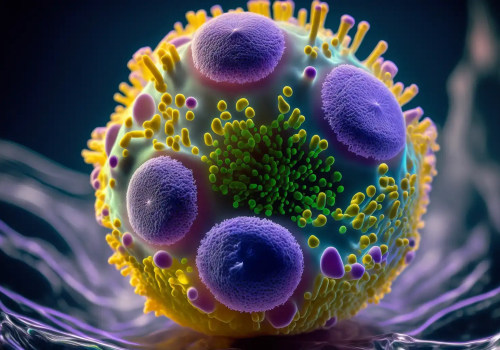
Exosomes are small extracellular vesicles, typically ranging from 30 to 150 nanometers in diameter, that are secreted by various cell types into the extracellular environment. These vesicles play a pivotal role in intercellular communication, acting as carriers of molecular signals that can influence the behaviour of recipient cells. Composed of a lipid bilayer, exosomes encapsulate a diverse array of biomolecules, including proteins, lipids, mRNA, and non-coding RNAs. This unique composition allows them to mediate complex biological processes, making them essential players in both health and disease.The characteristics of exosomes are defined by their origin and the specific cargo they carry.
They are formed through the inward budding of the endosomal membrane, leading to the creation of multivesicular bodies (MVBs) that eventually fuse with the plasma membrane to release exosomes into the extracellular space. This biogenesis process is tightly regulated and can be influenced by various physiological and pathological conditions. Notably, exosomes derived from different cell types exhibit distinct surface markers and molecular signatures, which can be exploited for therapeutic purposes or as biomarkers for disease.Understanding exosomes is crucial for appreciating their significance in cellular communication, particularly in the context of bacterial infections. As mediators of intercellular signalling, exosomes can facilitate the transfer of information between immune cells and pathogens, thereby influencing the host's immune response. They are formed through the inward budding of the endosomal membrane, leading to the creation of multivesicular bodies (MVBs) that eventually fuse with the plasma membrane to release exosomes into the extracellular space. This biogenesis process is tightly regulated and can be influenced by various physiological and pathological conditions. Notably, exosomes derived from different cell types exhibit distinct surface markers and molecular signatures, which can be exploited for therapeutic purposes or as biomarkers for disease.Understanding exosomes is crucial for appreciating their significance in cellular communication, particularly in the context of bacterial infections. As mediators of intercellular signalling, exosomes can facilitate the transfer of information between immune cells and pathogens, thereby influencing the host's immune response.
Their ability to protect cargo from degradation while evading immune detection positions them as promising candidates for therapeutic interventions aimed at modulating immune responses during bacterial infections.
The Mechanism of Exosome Formation and Release
Exosomes are small extracellular vesicles that play a pivotal role in intercellular communication, particularly during bacterial infections. Understanding the biogenesis of exosomes is essential to grasp their function and therapeutic potential. The formation of exosomes begins within the endosomal system of the cell. Initially, the inward budding of the plasma membrane leads to the creation of early endosomes, which then mature into late endosomes or multivesicular bodies (MVBs).During this maturation process, intraluminal vesicles (ILVs) are formed through a series of complex molecular events.These ILVs contain various biomolecules, including proteins, lipids, and nucleic acids, which are selectively packaged based on specific sorting signals. The ESCRT (endosomal sorting complexes required for transport) machinery plays a crucial role in this sorting process, facilitating the incorporation of cargo into ILVs. Additionally, other pathways such as the ceramide pathway and lipid raft-mediated mechanisms contribute to exosome formation.Once MVBs are formed, they can either fuse with lysosomes for degradation or be transported to the plasma membrane for exosome release. The fusion of MVBs with the plasma membrane is a critical step in the exosome release mechanism.
This process is regulated by various proteins, including SNAREs (soluble N-ethylmaleimide-sensitive factor attachment protein receptors), which mediate membrane fusion events. Upon fusion, exosomes are released into the extracellular space, where they can interact with recipient cells.The released exosomes carry a diverse array of molecular signals that can modulate the behaviour of target cells. This includes transferring proteins that can influence immune responses or delivering RNA molecules that may alter gene expression in recipient cells. The ability of exosomes to protect their cargo from degradation while facilitating communication between cells underscores their significance in both health and disease.In summary, the intricate processes involved in the formation and release of exosomes highlight their role as vital mediators in cellular communication.
As research continues to uncover the complexities of exosome biogenesis, their potential therapeutic applications in treating bacterial infections and other diseases become increasingly promising.
Exosomes in Bacterial Infections: A Dual Role
Exosomes, as nanoscale extracellular vesicles, have emerged as pivotal players in the complex interplay between bacterial pathogens and the host immune system. Their dual role during bacterial infections is particularly fascinating, as they can both enhance the host's immune response and simultaneously assist in the survival and dissemination of bacteria.On one hand, exosomes derived from host cells can carry a variety of bioactive molecules, including proteins, lipids, and nucleic acids, which are crucial for modulating immune responses. For instance, exosomes released by dendritic cells can present antigens to T cells, thereby promoting an adaptive immune response. This process is vital for the recognition and elimination of bacterial invaders.Furthermore, exosomes can also transport pro-inflammatory cytokines that help to recruit immune cells to the site of infection, amplifying the host's defensive mechanisms.Conversely, exosomes can also be exploited by bacteria to facilitate their own survival and propagation. Certain pathogenic bacteria have been shown to release exosomes that contain virulence factors or other molecules that can manipulate host cell functions. For example, these bacterial-derived exosomes may inhibit apoptosis in infected cells or alter immune signalling pathways to create a more favourable environment for bacterial growth. This manipulation not only aids in evading the host's immune response but also promotes the spread of infection.The dual functionality of exosomes highlights their complex nature in the context of bacterial infections.
While they serve as vehicles for enhancing immune responses against pathogens, they can also act as tools for pathogens to undermine those very responses. Understanding this dual role is crucial for developing therapeutic strategies that harness the beneficial aspects of exosomes while mitigating their potential to aid bacterial survival.In summary, exosomes represent a double-edged sword in bacterial infections. Their ability to mediate communication between host and pathogen underscores their significance in both promoting immunity and facilitating infection. Future research into the specific mechanisms by which exosomes operate could pave the way for innovative treatments that leverage their properties to combat bacterial diseases effectively.
Exosomal Cargo: What Do They Carry?
Exosomes are small extracellular vesicles that play a pivotal role in intercellular communication, particularly during bacterial infections.The cargo carried by exosomes is diverse and includes a variety of biomolecules that contribute to their functionality and therapeutic potential. Understanding the components of exosomal cargo is essential for elucidating their roles in modulating immune responses and influencing bacterial pathogenesis.
Proteins
- Exosomes are rich in proteins, which can originate from the parent cell's cytoplasm, membrane, or even the extracellular environment. These proteins include enzymes, receptors, and signaling molecules that can influence recipient cells' behaviour.
- For instance, exosomal proteins such as heat shock proteins (HSPs) can facilitate the immune response by presenting antigens to immune cells, thereby enhancing the recognition of bacterial pathogens.
- Additionally, proteins involved in cell adhesion and migration can help modulate the inflammatory response during infections.
Lipids
- The lipid composition of exosomes is crucial for their stability and functionality. Exosomes typically contain a lipid bilayer that protects their contents from degradation.
- Lipids such as sphingolipids and cholesterol are often found in exosomal membranes, contributing to membrane fluidity and facilitating fusion with target cells.
- This lipid environment can also influence the sorting of proteins into exosomes, thereby affecting the overall cargo composition.
Nucleic Acids
- Exosomes carry various types of nucleic acids, including mRNA, microRNA (miRNA), and other non-coding RNAs.
These molecules play critical roles in gene regulation and cellular communication.
- The presence of mRNA in exosomes allows for the transfer of genetic information between cells, potentially altering the recipient cell's protein expression profile in response to bacterial infections.
- MiRNAs found within exosomes can modulate immune responses by targeting specific mRNAs for degradation or translational repression, thus fine-tuning the host's reaction to pathogens.
Conclusion
The diverse cargo of exosomes—including proteins, lipids, and nucleic acids—enables them to serve as vital mediators in the context of bacterial infections. By understanding what exosomes carry and how these components interact with host cells, researchers can explore their potential as therapeutic agents or biomarkers in infectious diseases.
Therapeutic Applications of Exosomes in Treating Bacterial Infections
Exosomes have emerged as a promising therapeutic tool in the fight against bacterial infections, leveraging their unique properties to enhance treatment efficacy. These nanoscale extracellular vesicles, secreted by various cell types, play a pivotal role in intercellular communication and can carry a diverse array of biomolecules, including proteins, lipids, and nucleic acids. This ability to encapsulate and transport functional components makes exosomes particularly valuable in therapeutic applications.One of the most significant advantages of using exosomes in therapy is their natural ability to evade the immune system.By protecting their cargo from degradation and recognition by immune cells, exosomes can deliver therapeutic agents directly to target cells, enhancing the effectiveness of treatments against bacterial pathogens. For instance, exosomes derived from mesenchymal stem cells (MSCs) have shown promise in preclinical studies for their ability to modulate immune responses and promote tissue repair during bacterial infections.Recent research has highlighted the potential of exosome-based therapies in treating specific bacterial infections. For example, studies have demonstrated that exosomes can be engineered to carry antimicrobial agents, such as antibiotics or peptides, directly to infected tissues. This targeted delivery not only increases the local concentration of the drug but also reduces systemic side effects associated with conventional antibiotic therapies.Moreover, exosomes can facilitate communication between immune cells and infected tissues.
They can carry signals that enhance the activation of immune responses, thereby improving the host's ability to combat bacterial infections. For instance, exosomes derived from activated macrophages have been shown to promote the proliferation of T cells and enhance their cytotoxic activity against infected cells.Despite these promising applications, several challenges remain in the clinical translation of exosome-based therapies. One major hurdle is the standardisation of exosome isolation and characterisation methods to ensure consistent quality and efficacy across different preparations. Additionally, understanding the biological mechanisms underlying exosome-mediated effects is crucial for optimising their therapeutic potential.In conclusion, while the therapeutic use of exosomes in treating bacterial infections holds great promise, ongoing research is essential to address existing challenges and fully realise their potential in clinical settings.
As our understanding of exosome biology deepens, we may witness a new era of targeted therapies that harness these natural vesicles for improved outcomes in infectious disease management.
Exosome-Based Biomarkers: A New Frontier in Diagnostics
Exosomes, the nanoscale extracellular vesicles secreted by various cell types, have emerged as promising biomarkers for diagnosing bacterial infections. Their unique composition, which includes proteins, lipids, and nucleic acids, reflects the physiological state of the parent cells and can provide critical insights into disease processes.One of the key advantages of using exosomes in diagnostics is their ability to encapsulate and protect biomolecules from degradation. This characteristic allows for the stable transport of diagnostic markers through bodily fluids such as blood, urine, and saliva. As a result, exosomes can serve as a non-invasive source of information about the host's response to bacterial infections.Role of Exosomes in Disease Detection
Exosomes can carry specific proteins or RNA molecules that are indicative of particular bacterial infections.
For instance, studies have shown that exosomes derived from infected cells can contain pathogen-associated molecular patterns (PAMPs) that trigger immune responses. By analysing these exosomal contents, clinicians can identify the presence of specific bacteria and assess the severity of the infection.Moreover, the profiling of exosomal microRNAs (miRNAs) has gained traction as a diagnostic tool. Certain miRNAs are upregulated or downregulated in response to bacterial infections, providing a potential biomarker signature for different pathogens. For example, elevated levels of specific miRNAs in exosomes have been linked to infections caused by Escherichia coli and Staphylococcus aureus, enabling early detection and targeted treatment strategies.
Enhancing Diagnostic Capabilities
The integration of exosome analysis into routine diagnostic workflows could significantly enhance current capabilities.
Traditional methods often rely on culture techniques or serological tests that may take time and may not always yield accurate results. In contrast, exosome-based diagnostics can facilitate rapid identification of bacterial infections, allowing for timely intervention.Furthermore, the potential for multiplexing—simultaneously detecting multiple biomarkers within a single exosome sample—opens new avenues for comprehensive diagnostics. This could lead to improved patient stratification and personalised treatment plans based on the specific bacterial profile identified through exosomal analysis.In conclusion, exosomes represent a new frontier in diagnostics for bacterial infections. Their ability to reflect the host's immune response and carry pathogen-specific markers positions them as valuable tools for early detection and monitoring of infectious diseases.
As research continues to unravel their complexities, exosome-based biomarkers may revolutionise how we approach diagnosis and treatment in clinical settings.
Challenges and Limitations in Exosome Research and Therapy
The field of exosome research and therapy is burgeoning, yet it is not without its challenges and limitations. As scientists delve deeper into the therapeutic potential of exosomes, several critical issues have emerged that need to be addressed to fully harness their capabilities in treating bacterial infections and other diseases.Standardisation Issues
One of the foremost challenges in exosome research is the lack of standardisation in their isolation and characterisation. Exosomes can be derived from various cell types, and their composition can vary significantly based on the source, method of isolation, and environmental conditions. This variability complicates the reproducibility of results across different studies.
To overcome this, there is an urgent need for established protocols that ensure consistent isolation techniques and comprehensive characterisation methods. Such standardisation would facilitate comparisons between studies and enhance the reliability of findings.
Delivery Methods
Another significant hurdle is the effective delivery of exosomes to target cells. While exosomes possess natural targeting capabilities, their therapeutic application often requires enhanced delivery systems to ensure that they reach the intended site of action in sufficient quantities. Current methods, such as direct injection or systemic administration, may not provide optimal results due to rapid clearance from circulation or degradation before reaching target tissues.
Innovative delivery strategies, including nanoparticle conjugation or engineered exosomes with specific targeting ligands, are being explored but require further validation.
Potential Immune Responses
Exosomes derived from non-autologous sources may elicit immune responses in recipients, posing a significant concern for their therapeutic use. The presence of foreign antigens on exosomes can trigger an immune reaction, leading to inflammation or rejection of the therapy. Understanding the immunogenicity of exosomes is crucial for developing safe therapeutic applications. Research into modifying exosome surfaces to reduce immunogenicity while maintaining their functional properties is ongoing.
Regulatory Challenges
The regulatory landscape for exosome-based therapies is still evolving.
As these therapies move towards clinical application, regulatory bodies require comprehensive data on safety, efficacy, and manufacturing processes. The complexity of exosome biology adds layers of difficulty in meeting these regulatory requirements. Clear guidelines are essential to streamline the approval process for exosome-based therapeutics.In conclusion, while exosomes hold great promise as therapeutic agents in combating bacterial infections and other diseases, addressing these challenges is vital for advancing research and clinical applications. Continued collaboration among researchers, clinicians, and regulatory agencies will be essential to unlock the full potential of exosome therapy.
Future Directions: The Potential of Exosome Research in Medicine
The field of exosome research is rapidly evolving, with significant implications for therapeutic applications in medicine.As our understanding of exosomes deepens, several promising directions for future research are emerging, particularly in the context of bacterial infections and other diseases.One of the most exciting prospects is the development of exosome-based therapies that can enhance the body’s natural immune response to bacterial pathogens. By engineering exosomes to carry specific proteins or RNA molecules that modulate immune responses, researchers could create targeted treatments that not only combat infections but also reduce the risk of antibiotic resistance. This approach could be particularly beneficial in treating chronic infections where traditional antibiotics have failed.Furthermore, advancements in nanotechnology and biotechnology are paving the way for more efficient methods of isolating and characterising exosomes. Improved techniques for exosome extraction and purification will enable researchers to better understand their composition and function, leading to more effective therapeutic applications.
For instance, isolating exosomes from specific cell types could allow for tailored treatments that leverage the unique properties of those cells.Another area ripe for exploration is the use of exosomes as delivery vehicles for therapeutic agents. By encapsulating drugs within exosomes, it may be possible to enhance their stability and bioavailability while minimising side effects. This method could revolutionise how we approach treatment for various conditions, including bacterial infections, by providing a more targeted delivery system that ensures therapeutic agents reach their intended site of action.Moreover, the potential role of exosomes in diagnostics cannot be overlooked. As biomarkers for various diseases, exosomes can provide valuable insights into disease progression and treatment efficacy.
Future research may focus on developing exosome-based diagnostic tools that can detect bacterial infections at an early stage, allowing for timely intervention and improved patient outcomes.In conclusion, the future of exosome research holds immense promise for advancing medical therapies. With ongoing studies aimed at harnessing their unique properties, we may soon witness a new era in treatment strategies that leverage exosomes to combat bacterial infections and other diseases effectively.
Conclusion: The Promise of Exosomes in Combatting Bacterial Infections
In summary, the exploration of exosomes in the context of bacterial infections reveals a multifaceted role that extends beyond mere cellular debris. These nanoscale extracellular vesicles are pivotal in mediating intercellular communication, influencing both the host's immune response and the pathogenic strategies employed by bacteria.Exosomes serve as carriers of various biomolecules, including proteins, lipids, and nucleic acids, which can modulate the behaviour of recipient cells. This ability to transport functional components allows exosomes to play a dual role: they can either enhance the host's defence mechanisms or facilitate bacterial survival and dissemination.The therapeutic potential of exosomes is particularly noteworthy, as they can be engineered to deliver antimicrobial agents directly to infected cells, thereby improving treatment efficacy while minimising side effects.Moreover, the involvement of exosomes in the innate immune response highlights their significance in shaping the outcome of bacterial infections. For instance, exosomes derived from activated immune cells can promote inflammation and enhance the recruitment of other immune cells to sites of infection. Conversely, exosomes released by bacteria may help them evade immune detection or manipulate host cell functions to their advantage.The ongoing research into exosome-based therapies holds promise for developing novel treatment strategies against bacterial infections that are increasingly resistant to conventional antibiotics. By harnessing the natural properties of exosomes, scientists aim to create targeted delivery systems that can effectively combat pathogens while preserving healthy tissue.In conclusion, the therapeutic use of exosomes in managing bacterial infections represents a promising frontier in medical science.
As our understanding of their complex roles continues to evolve, exosomes may well become integral components of future therapeutic regimens aimed at tackling one of the most pressing challenges in infectious disease management.