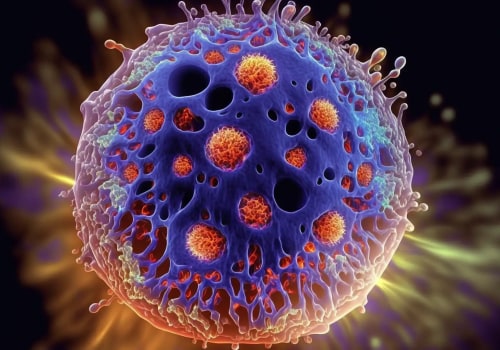
Exosomes are small, membrane-bound vesicles that are secreted by various cell types into the extracellular environment. Typically ranging from 30 to 150 nanometres in diameter, these vesicles play a pivotal role in intercellular communication. They are formed within the endosomal system of cells and are released into the extracellular space when multivesicular bodies fuse with the plasma membrane. This unique process allows exosomes to carry a diverse array of molecular cargo, including proteins, lipids, and nucleic acids, which can influence the behaviour of recipient cells.The biological functions of exosomes are multifaceted and crucial for maintaining cellular homeostasis.
They facilitate the transfer of biomolecules between cells, thereby modulating various physiological processes such as immune responses, tissue repair, and cellular differentiation. For instance, exosomes can deliver specific microRNAs to target cells, which can alter gene expression and subsequently affect cellular function. This mechanism underscores their importance in both normal biological processes and pathological conditions.Moreover, exosomes have emerged as significant players in the field of disease research due to their ability to reflect the physiological state of their cells of origin. In cancer, for example, exosomes can carry oncogenic proteins and genetic material that promote tumour growth and metastasis.
Their presence in bodily fluids such as blood and urine makes them attractive candidates for non-invasive biomarkers for early disease detection and monitoring treatment responses. Understanding the intricate roles of exosomes in biology not only enhances our knowledge of cellular communication but also opens new avenues for therapeutic interventions in various diseases.
The Role of Exosomes in Disease Pathogenesis
Exosomes, the nanoscale extracellular vesicles secreted by various cell types, have emerged as pivotal players in the pathogenesis of numerous diseases. Their role extends beyond mere cellular waste disposal; they are involved in intercellular communication, influencing both normal physiological processes and pathological conditions.In the context of cancer , exosomes facilitate tumour progression and metastasis. They carry a diverse array of biomolecules, including proteins, lipids, and nucleic acids, which can modulate the behaviour of recipient cells.For instance, cancer-derived exosomes can promote angiogenesis, enhance immune evasion, and prepare distant sites for metastatic colonisation. This is achieved through the transfer of oncogenic proteins and microRNAs that alter gene expression in target cells, thereby creating a microenvironment conducive to tumour growth.Moreover, exosomes play a significant role in the development of neurodegenerative diseasesneurodegenerative diseases. In conditions such as Alzheimer’s and Parkinson’s disease, exosomes are implicated in the propagation of toxic proteins. For example, amyloid-beta and tau proteins associated with Alzheimer’s can be packaged into exosomes and spread to neighbouring neurons, contributing to the disease's progression.
This mechanism highlights how exosomes can act as vectors for neurotoxic substances, exacerbating neuronal damage and dysfunction.The ability of exosomes to cross the blood-brain barrier further complicates their role in neurodegenerative diseases. This unique property allows them to deliver therapeutic agents directly to the brain but also raises concerns about their potential to transport harmful molecules. Understanding these dual roles is crucial for developing effective treatments.In summary, exosomes are not merely by-products of cellular activity; they are integral to the pathogenesis of various diseases. Their involvement in cancer progression and neurodegenerative disorders underscores their potential as both biomarkers for early diagnosis and targets for innovative therapeutic strategies. This mechanism highlights how exosomes can act as vectors for neurotoxic substances, exacerbating neuronal damage and dysfunction.The ability of exosomes to cross the blood-brain barrier further complicates their role in neurodegenerative diseases. This unique property allows them to deliver therapeutic agents directly to the brain but also raises concerns about their potential to transport harmful molecules. Understanding these dual roles is crucial for developing effective treatments.In summary, exosomes are not merely by-products of cellular activity; they are integral to the pathogenesis of various diseases. Their involvement in cancer progression and neurodegenerative disorders underscores their potential as both biomarkers for early diagnosis and targets for innovative therapeutic strategies.
Continued research into the mechanisms by which exosomes influence disease will be essential for harnessing their full potential in clinical applications.
Exosomes as Biomarkers: Current Research and Applications
Exosomes have emerged as a promising avenue in the realm of biomarker research, particularly due to their potential as non-invasive indicators for various diseases. These nanoscale extracellular vesicles, secreted by cells into the bloodstream and other bodily fluids, encapsulate a wealth of molecular information, including proteins, lipids, and nucleic acids. This unique composition allows exosomes to reflect the physiological state of their cells of origin, making them invaluable for diagnostic applications.Current research has highlighted the role of exosomes in several disease contexts, including cancer, neurodegenerative disorders, and cardiovascular diseases. For instance, studies have demonstrated that exosomal microRNAs (miRNAs) can serve as biomarkers for early cancer detection.Specific miRNA profiles found in exosomes derived from cancer patients differ significantly from those in healthy individuals, suggesting their potential utility in screening and monitoring disease progression.Moreover, the ability to isolate and analyse exosomes from easily accessible biological fluids such as blood or urine enhances their appeal as diagnostic tools. This non-invasive approach not only reduces patient discomfort but also allows for repeated sampling over time, facilitating real-time monitoring of disease states and treatment responses.In addition to cancer diagnostics, exosomes are being investigated for their role in neurodegenerative diseases like Alzheimer’s and Parkinson’s. Research indicates that specific protein markers within exosomes can correlate with disease severity and progression. For example, elevated levels of certain tau proteins in exosomes have been associated with Alzheimer’s disease, providing a potential biomarker for early diagnosis.Despite these advancements, challenges remain in the standardisation of exosome isolation and characterisation techniques.
Variability in exosome size, content, and purity can affect the reliability of biomarker studies. Ongoing research is focused on developing more robust methodologies to ensure that exosomal biomarkers are both sensitive and specific.In conclusion, the potential of exosomes as biomarkers is vast and continues to expand with ongoing research. Their ability to provide insights into disease mechanisms while offering a non-invasive means of detection positions them at the forefront of modern diagnostic applications. As technology advances and our understanding deepens, exosomes may well revolutionise how we approach disease diagnosis and management.
Challenges in Exosome Isolation and Analysis
The isolation and analysis of exosomes present a myriad of challenges that researchers must navigate to unlock their full potential as biomarkers and therapeutic agents.These tiny extracellular vesicles, which play a pivotal role in intercellular communication, are notoriously difficult to isolate due to their small size and heterogeneous nature.One of the primary challenges in exosome isolation is the need for high purity and yield. Traditional methods such as ultracentrifugation, while widely used, can be time-consuming and may not effectively separate exosomes from other contaminants like protein aggregates, lipoproteins, and cellular debris. This contamination can lead to inaccurate results in downstream analyses, making it crucial to develop more refined isolation techniques.Alternative methods such as size-exclusion chromatography (SEC) and immunoaffinity capture have emerged as promising solutions. SEC allows for the separation of exosomes based on size, while immunoaffinity techniques utilise specific antibodies to target exosomal markers.
However, these methods also come with their own set of limitations, including potential loss of exosomes during the process and the requirement for specific antibodies that may not be universally applicable across different sample types.In addition to isolation challenges, the analytical techniques employed to study exosomes also face significant hurdles. Techniques such as mass spectrometry (MS) and nanopore sequencing are powerful tools for characterising the protein and RNA content of exosomes. However, these methods often require extensive sample preparation and can suffer from low sensitivity when dealing with the minute quantities of material typically obtained from exosomal samples.Moreover, the variability in exosome composition based on their cell of origin complicates the standardisation of analytical protocols. This variability can lead to inconsistent results across studies, hindering the reproducibility that is essential for clinical applications.Finally, there is a pressing need for comprehensive guidelines and standard operating procedures (SOPs) in exosome research.
The lack of consensus on best practices for isolation and analysis can result in discrepancies between studies, making it challenging to compare findings across different laboratories.In conclusion, while the potential of exosomes in disease diagnosis and therapy is immense, overcoming the challenges associated with their isolation and analysis is critical. Continued advancements in technology and methodology will be essential for harnessing the full capabilities of these remarkable vesicles.
Technological Advances in Exosome Research
The field of exosome research has witnessed remarkable technological advancements that have significantly enhanced our understanding of these extracellular vesicles. These innovations are not only improving the isolation and characterization of exosomes but also expanding their potential applications in diagnostics and therapeutics.One of the most notable advancements is in the area of exosome isolation techniques. Traditional methods such as ultracentrifugation, while effective, can be time-consuming and may lead to contamination with non-exosomal proteins.Recent developments in microfluidic technologies have enabled more efficient and rapid isolation of exosomes. These systems allow for the separation of exosomes based on size and density, providing a more refined approach that enhances purity and yield.Moreover, advancements in proteomics have revolutionized the analysis of exosomal content. Mass spectrometry (MS) has become a cornerstone technique for identifying and quantifying proteins within exosomes. Recent improvements in MS sensitivity and resolution have made it possible to detect low-abundance proteins, which are often critical for understanding disease mechanisms.
Additionally, label-free quantification methods are now being employed, allowing researchers to analyse complex protein mixtures without the need for prior labelling.Another significant leap forward is the integration of nanotechnology in studying exosomes. Nanoparticles can be engineered to target specific exosomal markers, facilitating targeted delivery of therapeutic agents. This approach not only enhances the efficacy of treatments but also minimizes side effects by ensuring that drugs are delivered precisely where needed.Furthermore, the advent of single-exosome analysis techniques has opened new avenues for research. By enabling the study of individual exosomes rather than bulk populations, researchers can gain insights into heterogeneity within exosomal populations.
This is particularly important in cancer research, where different tumour types may release distinct exosomal profiles that could serve as biomarkers for diagnosis or treatment response.In summary, the ongoing technological advancements in exosome research are paving the way for innovative approaches to disease diagnosis and therapy. As these technologies continue to evolve, they hold great promise for unlocking the full potential of exosomes in clinical applications.
Therapeutic Potential of Exosomes: Current Perspectives
Exosomes have emerged as a promising avenue for therapeutic applications, particularly in the realms of drug delivery and regenerative medicine. Their unique properties, including their ability to encapsulate and transport various biomolecules, make them ideal candidates for targeted therapies.One of the most significant therapeutic potentials of exosomes lies in their role as drug delivery vehicles. Due to their nanoscale size and natural origin, exosomes can effectively navigate biological barriers, including the blood-brain barrier, which is notoriously difficult for conventional drugs to cross.This capability opens up new possibilities for treating neurological disorders where traditional therapies often fall short.Moreover, exosomes can be engineered to carry specific therapeutic agents, such as small molecules, proteins, or RNA. This targeted delivery system enhances the efficacy of treatments while minimising side effects. For instance, researchers are exploring the use of exosomes loaded with anticancer drugs to selectively target tumour cells, thereby reducing damage to healthy tissues.
Regenerative Medicine Applications
In addition to drug delivery, exosomes play a crucial role in regenerative medicine. They are involved in intercellular communication and can influence cellular behaviour by transferring proteins and genetic material.This property is particularly valuable in tissue repair and regeneration.Studies have shown that exosomes derived from stem cells can promote healing in damaged tissues by enhancing cell proliferation and differentiation. For example, exosomal therapies are being investigated for their potential to treat conditions such as myocardial infarction and spinal cord injuries. The regenerative capabilities of these vesicles could revolutionise treatment protocols in various medical fields.
Future Implications
The future of exosome research is bright, with ongoing studies aimed at understanding their mechanisms of action and optimising their therapeutic applications. As we continue to uncover the complexities of exosome biology, it is likely that we will see an increase in clinical trials exploring their use in various diseases.In conclusion, the therapeutic potential of exosomes is vast and multifaceted.From enhancing drug delivery systems to facilitating tissue regeneration, these tiny vesicles hold the key to innovative treatments that could significantly improve patient outcomes across a range of medical conditions.
Future Directions in Exosome Research
The field of exosome research is rapidly evolving, with numerous emerging trends and potential future directions that promise to enhance our understanding of these fascinating extracellular vesicles. As we look ahead, several key areas warrant attention for their potential to revolutionise both basic science and clinical applications.1.Advanced Isolation Techniques
- Current methods for isolating exosomes often face challenges related to purity and yield. Future research may focus on developing more efficient and standardised protocols that can enhance the recovery of exosomes from various biological fluids.
- Innovations in microfluidics and nanotechnology could lead to the creation of novel devices that allow for real-time isolation and characterisation of exosomes, facilitating their use in clinical diagnostics.
2.Exosome Engineering
- As our understanding of exosomal biology deepens, the engineering of exosomes for therapeutic purposes is becoming increasingly feasible. Researchers are exploring ways to modify exosomes to enhance their targeting capabilities, improve drug delivery systems, and even incorporate therapeutic agents directly into the vesicles.
- This could lead to personalised medicine approaches where patient-derived exosomes are tailored to deliver specific treatments based on individual disease profiles.
3.Multi-Omics Approaches
- The integration of multi-omics technologies—such as genomics, proteomics, and metabolomics—will likely play a crucial role in future exosome studies.
By analysing the comprehensive molecular profiles of exosomes, researchers can gain insights into their roles in disease mechanisms and identify potential biomarkers for early diagnosis.
- This holistic approach may also facilitate the discovery of novel therapeutic targets, paving the way for innovative treatment strategies.
4.Clinical Applications and Trials
- As preclinical studies continue to demonstrate the potential of exosomes in various diseases, there is a growing impetus to translate these findings into clinical settings. Future research will likely focus on conducting rigorous clinical trials to evaluate the efficacy and safety of exosome-based therapies.
- Moreover, establishing standardised guidelines for the use of exosomes in clinical practice will be essential for their widespread adoption.
5.Regulatory Frameworks
- The increasing interest in exosome-based products necessitates the development of robust regulatory frameworks. Future research should also address the ethical considerations surrounding the use of exosomes in therapy and diagnostics, ensuring that advancements are made responsibly.
Conclusion: The Promise of Exosomes in Disease Management
In conclusion, the exploration of exosomes has unveiled a remarkable potential in the realm of disease management, offering new avenues for diagnosis, prognosis, and therapy.Throughout this article, we have delved into the multifaceted roles that exosomes play in various diseases, particularly in cancer and neurodegenerative disorders. Their ability to encapsulate and transport biomolecules such as proteins, lipids, and nucleic acids makes them invaluable as biomarkers that reflect the physiological state of their cells of origin.One of the most significant advantages of exosomes is their non-invasive nature, allowing for the collection of biological samples through simple procedures such as blood draws or urine tests. This characteristic not only enhances patient compliance but also opens up possibilities for early detection of diseases, which is crucial for effective intervention. The advancements in proteomics and analytical techniques have further bolstered our ability to isolate and characterise exosomes, paving the way for their application in clinical settings.Moreover, the therapeutic potential of exosomes cannot be overstated.
They serve as natural delivery vehicles for therapeutic agents, including RNA-based therapies and proteins, which can be engineered to target specific cells or tissues. This targeted approach could revolutionise treatment paradigms, particularly in oncology, where precision medicine is becoming increasingly important.However, despite these promising developments, challenges remain. The standardisation of exosome isolation methods and the need for robust analytical techniques to ensure purity and integrity are critical hurdles that researchers must overcome. Furthermore, understanding the complex mechanisms by which exosomes influence intercellular communication will be essential for harnessing their full potential.As we look to the future, it is imperative that we continue to invest in research focused on exosomes.
Their role as biomarkers and therapeutic agents holds great promise not only for improving disease management but also for enhancing our understanding of disease mechanisms at a molecular level. By fostering collaboration between researchers, clinicians, and industry stakeholders, we can accelerate the translation of exosome research into clinical practice.In summary, the journey into the world of exosomes is just beginning. With ongoing advancements in technology and a deeper understanding of their biological functions, we stand on the brink of a new era in disease management that could significantly improve patient outcomes across a spectrum of conditions.