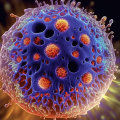
Exosomes are tiny extracellular vesicles that play a crucial role in cell communication and regeneration. These nano-sized particles are secreted by various types of cells and contain a rich cargo of proteins, lipids, and genetic material. In recent years, exosomes have gained significant attention in the field of regenerative medicine due to their ability to facilitate healing and tissue repair. By transferring bioactive molecules between cells, exosomes can modulate various biological processes, making them a promising tool for therapeutic applications.The benefits of exosome therapy are manifold.
For instance, they have been shown to enhance wound healing, reduce inflammation, and promote hair growth. This is particularly relevant for individuals experiencing hair loss, as exosome therapy can stimulate the hair follicles and encourage new hair growth by delivering essential growth factors directly to the scalp. Furthermore, exosomes are derived from the patient’s own cells, which significantly reduces the risk of adverse reactions and enhances the safety profile of the treatment.As with any medical procedure, proper aftercare is vital to ensure optimal results from exosome therapy. The way patients care for their treated areas post-procedure can significantly influence the effectiveness of the treatment.
Understanding when to shower after receiving exosome therapy is essential for maximising the benefits while minimising any potential complications. This article will delve into the recommended post-treatment care practices, including showering guidelines and other precautions that should be taken to support the healing process.
What Are Exosomes?
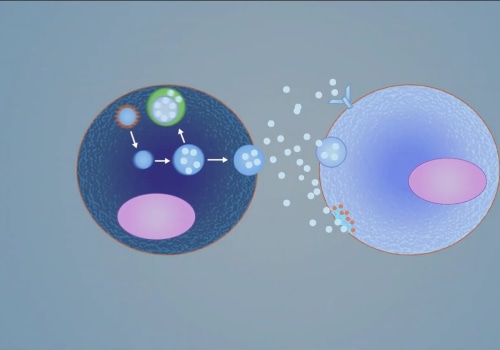
Exosomes are small extracellular vesicles that play a pivotal role in intercellular communication. These nano-sized structures, typically ranging from 30 to 150 nanometers in diameter, are secreted by various cell types and contain a complex mixture of proteins, lipids, and nucleic acids. Their primary function is to facilitate the transfer of molecular signals between cells, thereby influencing numerous biological processes.Definition and Origin
In essence, exosomes are membrane-bound vesicles that originate from the endosomal system of cells.
They are formed when multivesicular bodies (MVBs) fuse with the plasma membrane, releasing their contents into the extracellular space. This process is crucial for maintaining cellular homeostasis and regulating immune responses. Exosomes can be found in various biological fluids, including blood, urine, and saliva, making them accessible for research and therapeutic applications.
Functions of Exosomes
The functions of exosomes are diverse and multifaceted. They serve as vehicles for transporting proteins, lipids, and genetic material such as mRNA and microRNA between cells.
This transfer can modulate the behaviour of recipient cells, influencing processes such as:
- Cellular Communication: Exosomes enable cells to communicate over long distances, which is essential for coordinating responses in complex biological systems.
- Immune Response: They play a significant role in immune modulation by presenting antigens to immune cells or carrying immunosuppressive factors.
- Tissue Repair: Exosomes derived from stem cells have been shown to promote tissue regeneration and repair by delivering growth factors and other bioactive molecules.
- Pathological Processes: In diseases such as cancer, exosomes can carry oncogenic signals that promote tumour growth and metastasis.
The Exosome Treatment Process
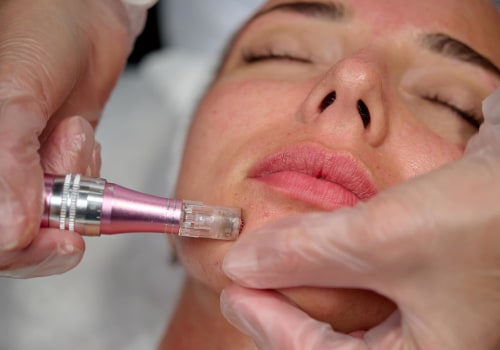
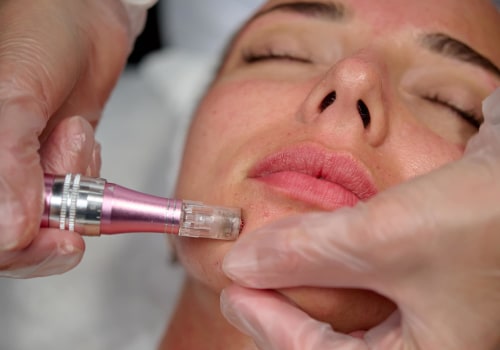
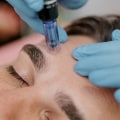
Exosome therapy is an innovative treatment that harnesses the power of exosomes, which are tiny vesicles secreted by cells that play a crucial role in cell communication and regeneration. Understanding the exosome treatment process is vital for patients considering this therapy, as it sets clear expectations for what will occur during and after the procedure.The treatment typically begins with a thorough consultation, where the healthcare provider assesses the patient's medical history and discusses their specific goals. This initial step is essential to tailor the therapy to individual needs and ensure optimal outcomes.Once the consultation is complete, the actual exosome injection procedure can commence.Here’s a breakdown of what patients can expect:
- Preparation: The treatment area is cleaned and sterilised to minimise the risk of infection. Depending on the area being treated, local anaesthesia may be administered to ensure patient comfort during the procedure.
- Extraction of Exosomes: In many cases, exosomes are derived from the patient’s own cells, often through a process called liposuction or blood draw. This step is crucial as it ensures that the exosomes are autologous, meaning they come from the patient’s own body, which reduces the risk of rejection.
- Processing: The extracted material undergoes a specialised processing technique to isolate and concentrate the exosomes. This step is performed in a controlled laboratory environment to maintain the integrity and efficacy of the exosomes.
- Injection: Once prepared, the exosomes are injected into the targeted area using fine needles.
The healthcare provider will carefully administer the injections to ensure even distribution and maximise therapeutic effects.
- Post-Procedure Care: After the injections, patients are monitored for a short period to ensure there are no immediate adverse reactions. Instructions regarding post-treatment care will be provided, including when it is safe to shower or wash hair.
When Can You Shower After Exosome Treatment?
After undergoing exosome therapy, it is crucial to adhere to specific guidelines regarding showering to maximise the treatment's effectiveness.The timing of when you can shower post-treatment is essential for allowing the exosomes to integrate properly into the targeted tissues.Generally, it is advisable to wait at least 24 hours before showering. This initial waiting period allows the exosomes to settle and begin their work without interference. During this time, it is recommended that you avoid washing your hair or applying any products to the treated area.After the first 24 hours, you may shower, but there are important considerations to keep in mind:
- Water Temperature: Use lukewarm water instead of hot water. Hot water can increase blood flow and potentially disrupt the healing process.
- Gentle Approach: Avoid massaging your scalp or applying any pressure to the treated areas while showering.
This gentle approach helps protect the delicate balance of the exosomes as they work.
- Avoid Hair Products: For at least 48 hours post-treatment, refrain from using hair products such as shampoos, conditioners, or styling products. These can interfere with the exosome activity.
After this period, you can wash your face gently but should avoid any other facial treatments for up to 72 hours .In summary, adhering to these post-exosome shower guidelines is vital for achieving optimal results from your treatment. By allowing sufficient time for the exosomes to work undisturbed, you enhance their effectiveness and support your body’s healing process.
Best Practices for Showering After Exosome Therapy
After undergoing exosome therapy, it is crucial to follow specific guidelines to ensure optimal results and protect the treated areas. Showering is a common concern for many patients, and understanding the best practices can significantly enhance the effectiveness of the treatment.1.Timing is Key
- It is advisable to wait at least 24 hours before washing your hair or exposing your scalp to water. This waiting period allows the exosomes to settle and begin their healing process without interference.
- For facial treatments, refrain from washing your face for a minimum of 6 hours post-procedure.
After this time, you can gently cleanse your face, but avoid any harsh products.
2.Water Temperature Matters
- When you do shower, use lukewarm water. Hot water can irritate the scalp and skin, potentially disrupting the exosomes' effectiveness.
- Avoid cold water as well, as it may not provide a comfortable experience and could lead to tension in the treated areas.
3.Gentle Techniques
- Be cautious when rinsing your hair or face. Use a gentle stream of water rather than a strong spray to prevent any unnecessary agitation of the treated areas.
- If you need to wash your hair after 24 hours, do so with minimal pressure. Avoid massaging your scalp vigorously; instead, let the water flow over your hair without scrubbing.
4.Duration of Exposure
- Limit your shower time to around 10-15 minutes.
Prolonged exposure to water can lead to swelling or irritation in sensitive areas.
- If you feel any discomfort during or after showering, it’s best to consult with your healthcare provider for further advice.
5.Post-Shower Care
- After showering, gently pat your skin dry with a soft towel instead of rubbing it. This helps avoid irritation while still ensuring that excess moisture is removed.
- Avoid applying any products such as hair dyes or styling products for at least 48 hours, as these can interfere with the healing process.
Caring for Your Hair After Exosome Treatment
After undergoing exosome therapy, it is crucial to adopt a careful approach to hair care to ensure optimal results. The exosomes work by promoting healing and regeneration in the scalp, and proper post-treatment care can significantly enhance their effectiveness.When to Wash Your Hair
It is generally advised to refrain from washing your hair for at least 24 to 48 hours following the treatment.
This waiting period allows the exosomes to settle into the scalp and begin their rejuvenating work without interference. During this time, it is essential to avoid any products or treatments that could disrupt the healing process.After the initial 24 hours, you may rinse your hair with lukewarm water, but it is important to avoid using hot water as it can irritate the scalp and diminish the benefits of the treatment. Additionally, refrain from massaging your scalp during this wash, as this could disturb the exosomes that have been applied.
Hair Products to Avoid
In the days following your exosome therapy, be mindful of the hair products you use. It is best to avoid:
- Shampoos and conditioners with harsh chemicals: Look for gentle, sulfate-free options that are less likely to irritate your scalp.
- Hair dyes and styling products: Refrain from using any hair colour treatments or heavy styling products for at least 48 hours, as these can interfere with the healing process.
- Heat styling tools: Avoid blow dryers, straighteners, and curling irons for a minimum of 48 hours, as excessive heat can damage both your hair and scalp.
Maintaining Scalp Health
To support your scalp's recovery after exosome therapy, consider incorporating a few healthy habits:
- Stay hydrated: Drinking plenty of water helps maintain overall health and supports skin hydration.
- Avoid direct sunlight: Protect your scalp from sun exposure for at least two to three days.
If you must go outside, consider wearing a hat or using a UV-protective spray.
- Gentle handling: Be gentle when brushing or styling your hair during the recovery period. Opt for wide-toothed combs and avoid pulling on your hair.
Skin Care Considerations Post-Exosome Treatment
After undergoing exosome treatment, it is crucial to adopt a careful approach to your skincare routine to ensure optimal results and avoid any potential complications. Exosomes, which are tiny vesicles that facilitate cellular communication and regeneration, can significantly enhance skin health.However, the post-treatment period requires specific attention to how you care for your skin.
Initial Post-Treatment Care
- Immediately following the exosome procedure, it is advisable to refrain from washing your face for at least six hours. This allows the exosomes to settle and begin their rejuvenating work without interference.
- After the initial waiting period, you can gently cleanse your face with lukewarm water. Avoid using any cleansers or products that contain harsh chemicals or exfoliants for at least 24 hours.
Resuming Your Skincare Routine
Once the first 24 hours have passed, you can gradually reintroduce your regular skincare products. However, it is essential to be cautious about what you apply:
- Moisturisers: You may use a gentle moisturiser after 24 hours.
Look for products that are free from fragrances and irritants to avoid any adverse reactions.
- Sunscreen: Protecting your skin from UV exposure is vital. Apply a broad-spectrum sunscreen with at least SPF 30 after 24 hours to shield your skin from harmful rays.
- Makeup: If you wish to wear makeup, wait for at least 24 hours post-treatment. Opt for non-comedogenic products that won’t clog pores.
Avoiding Certain Products
For the first few days following your exosome treatment, it is best to avoid:
- Exfoliants: Both physical and chemical exfoliants should be avoided for at least 72 hours, as they can irritate the skin and disrupt the healing process.
- Active Ingredients: Steer clear of products containing retinoids, acids (like AHAs or BHAs), or other potent actives for a minimum of three days.
- Facial Treatments: Avoid facials or any invasive treatments for at least a week, allowing your skin ample time to recover.
Long-Term Skincare Considerations
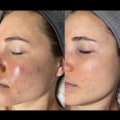
As your skin begins to heal and respond positively to the exosome treatment, you can gradually reintroduce more complex products into your routine. However, always listen to your skin's needs and consult with your skincare professional if you have any concerns.The key takeaway is that while exosome therapy can significantly enhance your skin's appearance and health, proper post-treatment care is essential for achieving the best results.
By following these guidelines, you can ensure that your skin remains healthy and radiant as it heals.
Common Questions About Exosome Aftercare
After undergoing an exosome treatment, many patients have questions regarding the appropriate aftercare to ensure optimal results. Here are some common queries and their answers to help you navigate the post-treatment period.How soon can I shower after receiving exosome therapy?
It is generally advised to wait at least 24 hours before showering after your exosome treatment. This waiting period allows the exosomes to effectively penetrate the targeted areas without interference. After this initial period, you can shower, but it is crucial to use lukewarm water and avoid any vigorous scrubbing or massaging of the scalp.Can I wash my hair after exosome therapy?
You can wash your hair with water 24 hours post-treatment, but refrain from using any shampoo or hair products for at least 48 hours.This precaution helps maintain the integrity of the exosomes as they work within your scalp. When you do wash your hair, ensure that you use gentle motions and avoid hot water.
What should I avoid after exosome treatment?
- Avoid hot water: Hot water can irritate the scalp and may disrupt the healing process.
- No hair dyes or treatments: Refrain from using hair dyes or undergoing any chemical treatments for at least 48 hours .
- Limit sun exposure: Direct sunlight can be harmful; it’s best to stay out of the sun for a few days following your treatment.
- No intense physical activity: Strenuous exercise should be avoided for at least 48 hours , as sweating can affect the treated area.
When can I return to my normal skincare routine?
You may resume your regular skincare routine, including washing your face and applying moisturisers, after 24 hours. However, it is advisable to avoid any other facial treatments for a minimum of 72 hours to allow your skin to recover fully.How long will it take to see results from exosome therapy?
The timeline for visible results can vary among individuals. Generally, patients may start noticing improvements within a few weeks, with optimal results often seen around three months post-treatment.Consistency in following aftercare guidelines will significantly enhance these outcomes.If you have further questions or concerns about your specific situation, it is always best to consult with your healthcare provider for personalised advice.
Potential Risks and Side Effects of Exosome Therapy
Exosome therapy has gained popularity as a promising treatment for various conditions, particularly in the fields of regenerative medicine and aesthetics. However, like any medical procedure, it is essential to be aware of the potential risks and side effects associated with this innovative therapy.While exosomes are derived from the body’s own cells, which theoretically reduces the risk of adverse reactions, there are still several factors to consider:- Allergic Reactions: Although rare, some individuals may experience allergic reactions to the components used in exosome therapy. Symptoms can range from mild irritation to more severe reactions requiring medical attention.
- Infection: As with any procedure that involves injections or puncturing the skin, there is a risk of infection. Proper sterilisation techniques and aftercare are crucial to minimise this risk.
- Inflammation: Some patients may experience temporary inflammation at the injection site.
This is typically a normal response as the body reacts to the introduction of new biological material but can be uncomfortable.
- Scarring: In rare cases, patients may develop scarring at the injection site. This is more likely if proper aftercare instructions are not followed.
- Unpredictable Results: While many patients report positive outcomes, results can vary significantly from person to person. Factors such as individual health conditions and adherence to post-treatment care can influence effectiveness.
Always consult with qualified professionals who can provide personalised advice based on your medical history and treatment goals.
Conclusion: Ensuring Optimal Results from Exosome Therapy
In conclusion, adhering to the recommended guidelines following exosome therapy is crucial for maximising the benefits of the treatment. The timing of when to shower after receiving exosome injections plays a significant role in ensuring that the exosomes can effectively integrate into the targeted tissues. As discussed, it is advisable to refrain from washing your hair for at least 24 to 48 hours post-treatment. This waiting period allows the exosomes to settle and begin their regenerative work without disruption.Moreover, it is essential to consider the temperature of the water used during your first shower after treatment.Opting for lukewarm water rather than hot water can prevent irritation and ensure that the scalp remains undisturbed. Additionally, avoid any vigorous massaging of the scalp during this time, as this could interfere with the healing process and diminish the effectiveness of the therapy.For those who have undergone facial treatments involving exosomes, similar precautions apply. Allowing a minimum of six hours before washing your face ensures that the exosomes can adequately absorb into the skin. After this initial period, gentle cleansing is recommended, with a focus on using mild products that do not irritate the skin.Furthermore, it is wise to avoid hair dyes and exposure to extreme temperatures for at least 48 hours following treatment.
These practices can compromise the integrity of the exosomes and hinder their ability to promote healing and regeneration.In summary, following these post-care recommendations not only enhances the effectiveness of exosome therapy but also contributes to a smoother recovery process. By allowing adequate time for the exosomes to work their magic, you are investing in your long-term health and well-being. Always consult with your healthcare provider for personalised advice tailored to your specific treatment plan.