In the realm of aesthetic treatments, microneedling has emerged as a revolutionary technique for skin rejuvenation. This minimally invasive procedure involves the use of fine needles to create micro-injuries in the skin, stimulating the body’s natural healing processes. As a result, microneedling not only enhances the skin's texture and tone but also promotes the production of essential proteins such as collagen and elastin. These proteins are crucial for maintaining youthful, vibrant skin, making microneedling a popular choice for those seeking to combat signs of aging, scarring, and other skin imperfections.However, the introduction of exosomes into microneedling treatments has taken this already effective procedure to new heights.
Exosomes are tiny vesicles secreted by stem cells that play a pivotal role in cell communication and regeneration. When combined with microneedling, exosomes enhance the treatment's efficacy by delivering growth factors and proteins directly into the dermal layers of the skin. This synergistic approach not only accelerates healing but also amplifies collagen production, leading to more pronounced and lasting results.The significance of incorporating exosomes into microneedling cannot be overstated. As we delve deeper into this topic, we will explore how this combination works to rejuvenate the skin, what patients can expect in terms of results, and why this innovative treatment is becoming increasingly sought after in the field of dermatology.
Understanding these concepts is essential for anyone considering microneedling with exosomes as a viable option for enhancing their skin's appearance and health.
What Are Exosomes?
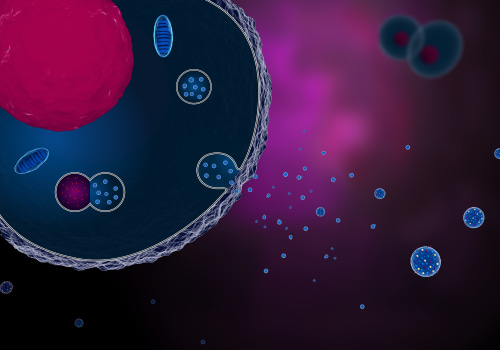
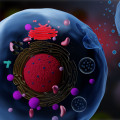
Exosomes are small extracellular vesicles that play a crucial role in intercellular communication. They are secreted by various cell types and contain a rich cargo of proteins, lipids, and nucleic acids, which facilitate the transfer of information between cells. These tiny vesicles, typically ranging from 30 to 150 nanometers in diameter, are produced by almost all cell types in the body and are involved in numerous physiological processes.Originating from the endosomal system, exosomes are formed when multivesicular bodies fuse with the plasma membrane of a cell, releasing their contents into the extracellular space. This process is essential for cellular communication, as exosomes can influence the behaviour of recipient cells by delivering their molecular payload.In recent years, the significance of exosomes has gained attention in various fields, including regenerative medicine and skincare.
Exosome Therapy
Exosome therapy harnesses the natural properties of these vesicles to promote healing and regeneration. In skincare treatments, exosomes derived from stem cells are particularly valued for their ability to enhance skin rejuvenation. When applied topically or introduced into the skin through procedures like microneedling, exosomes can stimulate cellular repair mechanisms, boost collagen production, and improve overall skin texture.Benefits of Exosomes
- Enhanced Healing: Exosomes accelerate the body’s natural healing processes by promoting cell proliferation and migration.
- Anti-Aging Effects: They help reduce fine lines and wrinkles by stimulating collagen and elastin production, leading to firmer and more youthful skin.
- Improved Skin Texture: Exosome therapy can significantly enhance skin smoothness and radiance while reducing pigmentation issues.
- Reduced Inflammation: Exosomes possess anti-inflammatory properties that can help calm irritated skin and reduce redness.
The Microneedling Process Explained
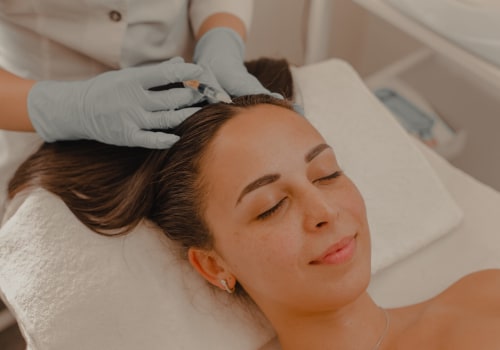
Microneedling is a minimally invasive cosmetic procedure that utilises fine needles to create micro-injuries in the skin, stimulating the body’s natural healing processes.This technique not only enhances the absorption of topical treatments, such as exosomes, but also promotes collagen and elastin production, leading to improved skin texture and appearance.The microneedling process typically begins with a thorough consultation, where a qualified practitioner assesses your skin type and discusses your specific concerns. Following this, the treatment area is cleansed and a topical anaesthetic is applied to ensure comfort during the procedure.Once the anaesthetic has taken effect, a microneedling device—either a pen-like instrument or a motorised device—is used to create controlled micro-injuries in the skin. The depth and density of these microchannels can be adjusted based on individual needs and treatment goals. This precision allows for targeted treatment of various skin issues, including fine lines, wrinkles, acne scars, and overall skin laxity.One of the significant advantages of microneedling is its ability to enhance the efficacy of topical treatments.
When combined with exosomes, which are small extracellular vesicles derived from stem cells, the results can be significantly amplified. The microchannels created during microneedling allow for deeper penetration of exosomes into the skin, facilitating better absorption and maximising their regenerative properties.The benefits of microneedling extend beyond immediate aesthetic improvements. Patients often report enhanced skin elasticity, reduced pore size, and an overall more youthful appearance. Additionally, because microneedling stimulates collagen production, the results can continue to improve over time as new collagen forms and matures.In summary, microneedling is a versatile treatment that not only rejuvenates the skin but also optimises the delivery of beneficial compounds like exosomes.
With proper aftercare and a series of treatments tailored to individual needs, patients can achieve remarkable improvements in their skin health and appearance.
How Exosomes Enhance Microneedling Results
The integration of exosomes into microneedling treatments represents a significant advancement in skin rejuvenation techniques. Exosomes, which are nano-sized vesicles secreted by stem cells, play a crucial role in cellular communication and regeneration. When combined with microneedling, they enhance the overall efficacy of the treatment, leading to superior results.Microneedling itself creates micro-injuries in the skin, prompting the body’s natural healing response. This process stimulates collagen and elastin production, essential components for maintaining skin elasticity and firmness.However, the addition of exosomes amplifies these effects by:
- Accelerating Healing: Exosomes contain growth factors and proteins that promote faster healing and tissue repair. This means that patients can expect reduced downtime and quicker recovery after their microneedling sessions.
- Enhancing Collagen Production: The presence of exosomes significantly boosts collagen synthesis beyond what microneedling alone can achieve. This leads to more pronounced improvements in skin texture and firmness.
- Improving Skin Hydration: Exosomes help to enhance the skin's moisture retention capabilities, resulting in a plumper and more hydrated appearance post-treatment.
- Reducing Inflammation: The anti-inflammatory properties of exosomes can help mitigate redness and swelling that sometimes accompany microneedling, making the treatment more comfortable for patients.
Patients often report a noticeable enhancement in their skin's radiance and texture within weeks following treatment.In summary, incorporating exosomes into microneedling treatments offers a multifaceted approach to skin rejuvenation. By harnessing the power of these cellular messengers, practitioners can provide patients with enhanced results that are both immediate and long-lasting.
Timeline for Seeing Results from Microneedling with Exosomes
Understanding the timeline for seeing results from microneedling with exosomes is crucial for anyone considering this innovative treatment. The process of skin rejuvenation is gradual, and while some improvements can be noticed shortly after the procedure, the most significant changes unfold over several weeks.Initial Phase: 1 to 2 Weeks
In the first week or two following your microneedling session, you may begin to notice subtle enhancements in your skin's texture and appearance. This period is often referred to as the "activation phase." During this time, the exosomes work to stimulate your body's natural healing processes, leading to initial signs of improvement.
Patients frequently report a slight increase in skin radiance and a reduction in minor imperfections.
Mid-Term Results: 3 to 6 Weeks
As you progress into the three to six-week mark post-treatment, the benefits of microneedling with exosomes become more pronounced. The production of collagen and elastin accelerates, resulting in improved skin elasticity and firmness. Many individuals observe a noticeable reduction in fine lines and wrinkles during this period. It is common for patients to feel that their skin appears smoother and more youthful as the healing process continues.
Long-Term Improvements: 2 to 3 Months
The most significant transformations typically occur between two to three months after your initial treatment.
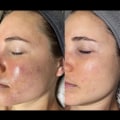
By this stage, the cumulative effects of collagen regeneration are evident, leading to a more youthful complexion. Patients often report enhanced skin tone and texture, with a marked decrease in scarring and sun damage. For optimal results, a series of three to six treatments spaced four to six weeks apart is generally recommended.
Final Thoughts
While individual experiences may vary based on skin type and specific concerns, understanding this timeline can help set realistic expectations for your microneedling journey with exosomes. Regular follow-ups with your skincare professional can also provide insights into your progress and any adjustments needed for future treatments.
Factors Influencing Results from Microneedling with Exosomes
When considering the effectiveness of microneedling with exosomes, several factors come into play that can significantly influence the results.Understanding these factors can help individuals set realistic expectations and tailor their treatment plans for optimal outcomes.
1.Skin Type
Your skin type plays a crucial role in how well you respond to microneedling with exosomes. For instance, individuals with oily or combination skin may experience different results compared to those with dry or sensitive skin. Oily skin often benefits from enhanced collagen production and reduced acne scars, while dry skin may require additional hydration treatments to complement the microneedling process.
2.Age
Age is another significant factor influencing treatment outcomes. As we age, our skin's natural ability to regenerate diminishes, which can affect how quickly and effectively it responds to microneedling.
Younger individuals typically see faster results due to their skin's inherent elasticity and regenerative capabilities. In contrast, older patients may require more sessions to achieve similar improvements.
3.Treatment Frequency
The frequency of treatments also impacts the overall effectiveness of microneedling with exosomes. Most practitioners recommend a series of 3 to 6 sessions spaced about 4 to 6 weeks apart for optimal results. This interval allows the skin sufficient time to heal and regenerate between treatments, maximising the benefits of collagen and elastin production stimulated by both microneedling and exosome therapy.
4.Individual Health Factors
Your overall health can also affect how your skin responds to treatment.
Conditions such as diabetes, autoimmune disorders, or hormonal imbalances may hinder healing and regeneration processes, potentially delaying visible results. It is essential to discuss any underlying health issues with your practitioner before starting treatment.
5.Post-Treatment Care
Finally, adhering to a proper post-treatment care regimen is vital for achieving the best results from microneedling with exosomes. Following your practitioner’s advice on skincare products and routines can enhance healing and improve the overall appearance of your skin.In summary, while microneedling with exosomes offers promising results for many individuals, understanding these influencing factors can help tailor your treatment plan for maximum effectiveness.
Recommended Treatment Protocols for Optimal Results
To achieve the best results from microneedling with exosomes, it is essential to follow a structured treatment protocol. This ensures that the skin has adequate time to heal and regenerate between sessions, maximising the benefits of the treatment.Number of Sessions
Most practitioners recommend a series of 3 to 6 sessions for optimal results.
The exact number of treatments required can vary based on individual skin concerns, such as the severity of fine lines, wrinkles, or scarring. For those with more pronounced skin issues, a higher number of sessions may be beneficial.
Interval Between Treatments
It is generally advised to schedule treatments at intervals of 4 to 6 weeks. This timeframe allows the skin to recover fully and for new collagen and elastin to form effectively. During this period, the exosomes work synergistically with the body’s natural healing processes, enhancing skin rejuvenation.
Initial Treatment Phase
The initial phase typically involves 1 to 2 sessions where subtle improvements may start to become visible.
Patients often report noticing changes in skin texture and tone within 1 to 2 weeks after their first treatment. However, significant results are usually observed after completing the recommended series of treatments.
Long-Term Benefits
After completing the full course of treatments, many patients experience lasting improvements in skin quality that can continue to develop over several months. The cumulative effect of multiple sessions leads to enhanced collagen production and overall skin rejuvenation.
Maintenance Treatments
Once the initial treatment series is completed, maintenance sessions can be beneficial. These are typically scheduled every 6 to 12 months, depending on individual skin conditions and desired outcomes.
Regular maintenance helps sustain the results achieved through the initial treatments.In summary, adhering to a well-structured treatment protocol involving multiple sessions spaced appropriately is crucial for maximising the benefits of microneedling with exosomes. Consulting with a qualified practitioner can help tailor a plan that best suits your unique skin needs.
Potential Side Effects and Considerations
While microneedling with exosomes is generally considered safe and effective, it is essential for prospective patients to be aware of potential side effects and safety considerations associated with the procedure. Understanding these factors can help individuals make informed decisions about their skin care treatments.Common Side Effects
- Redness and Swelling: After the treatment, it is common to experience some redness and swelling in the treated area. This reaction typically subsides within a few hours to a couple of days, similar to a mild sunburn.
- Bruising: Some patients may notice minor bruising at the microneedling sites.
This is usually temporary and resolves on its own within a week.
- Dryness and Flaking: As the skin heals, it may become dry or flaky. This is a normal part of the skin's regeneration process and can be managed with appropriate moisturisers.
- Itching or Sensitivity: Some individuals may experience temporary itching or heightened sensitivity in the treated area. This sensation should diminish as the skin heals.
Less Common but Serious Side Effects
- Infection: Although rare, there is a risk of infection if proper aftercare instructions are not followed. It is crucial to keep the treated area clean and avoid touching it with unwashed hands.
- Scarring: In very rare cases, microneedling can lead to scarring, particularly if the procedure is performed incorrectly or if the patient has a history of keloid formation.
- Allergic Reactions: Some patients may have an allergic reaction to the exosomes used during treatment.
It is important to discuss any known allergies with your practitioner beforehand.
Safety Considerations
Before undergoing microneedling with exosomes, it is vital to consult with a qualified practitioner who has experience in this specific treatment. They will assess your skin type, medical history, and any underlying conditions that may affect your suitability for the procedure.Additionally, following post-treatment care instructions is crucial for minimising side effects and ensuring optimal results. This may include avoiding sun exposure, refraining from using harsh skincare products, and keeping the skin well-hydrated.In summary, while microneedling with exosomes offers numerous benefits for skin rejuvenation, being aware of potential side effects and adhering to safety guidelines can enhance your overall experience and results.
Frequently Asked Questions About Microneedling with Exosomes
Microneedling with exosomes is a cutting-edge treatment that has garnered significant attention in the realm of skincare. As with any cosmetic procedure, potential patients often have numerous questions and concerns.Below, we address some of the most frequently asked questions regarding this innovative treatment.
What are exosomes and how do they work in microneedling?
Exosomes
are tiny vesicles secreted by cells that play a crucial role in cell communication and regeneration. When used in conjunction with microneedling, exosomes enhance the skin's healing process by delivering growth factors and proteins directly to the targeted areas. This combination not only accelerates recovery but also amplifies the overall rejuvenation effects of the treatment.
How many sessions of microneedling with exosomes are recommended?
For optimal results, most practitioners recommend a series of 3 to 6 sessions , spaced approximately 4 to 6 weeks apart. This allows your skin ample time to heal and regenerate between treatments, ensuring that you achieve the best possible outcome.What can I expect during the treatment?
The microneedling procedure typically lasts about 30 to 60 minutes, depending on the area being treated.A topical anaesthetic is applied beforehand to minimise discomfort. During the session, a device with fine needles creates microchannels in the skin, allowing for deeper penetration of exosomes. Patients may experience mild redness or swelling post-treatment, similar to a light sunburn.
When will I see results?
Initial improvements can often be seen within 1 to 2 weeks , as your skin begins its natural healing process. However, the most significant results usually manifest after several weeks as collagen production ramps up.Full effects can be appreciated around three months post-treatment.
Are there any side effects?
While microneedling with exosomes is generally safe, some patients may experience temporary side effects such as redness, swelling, or minor bruising at the treatment site. These effects typically subside within a few days. It is essential to follow post-treatment care instructions provided by your practitioner to minimise any risks.Is this treatment suitable for everyone?
Microneedling with exosomes is suitable for most skin types and concerns, including fine lines, wrinkles, acne scars, and uneven skin tone. However, individuals with certain skin conditions or those who are pregnant should consult their healthcare provider before undergoing treatment.If you have further questions or specific concerns about microneedling with exosomes, it is advisable to discuss them during your consultation with a qualified practitioner who can provide tailored advice based on your unique skin needs.Conclusion: Achieving Radiant Skin with Microneedling and Exosomes
In conclusion, the combination of microneedling and exosomes presents a powerful approach to skin rejuvenation, offering a multitude of benefits for those seeking to enhance their skin's appearance and health.Throughout this article, we have explored the various stages of results that can be expected from this innovative treatment, highlighting the importance of understanding the timeline for visible improvements.The initial results typically manifest within the first one to two weeks, marking the beginning of the skin's healing process. During this activation phase, patients may notice subtle changes as their skin begins to respond to the treatment. As collagen and elastin production ramps up, more significant improvements become evident over the following weeks.By approximately three months post-treatment, many individuals experience a remarkable transformation in their skin's texture and tone. The reduction of fine lines, wrinkles, and other signs of aging becomes increasingly noticeable, leading to a more youthful and radiant complexion.
This gradual enhancement is largely attributed to the synergistic effects of microneedling and exosomes, which work together to amplify the skin's natural regenerative processes.For optimal results, a series of three to six treatments spaced four to six weeks apart is generally recommended. This regimen allows for continuous stimulation of collagen production and ensures that the benefits of exosome therapy are fully realised. Each session builds upon the last, leading to cumulative improvements that can significantly elevate one's overall skin quality.Moreover, microneedling with exosomes not only addresses aesthetic concerns but also promotes long-term skin health by enhancing hydration and elasticity. As patients embark on their journey towards achieving radiant skin, it is essential to consult with a qualified practitioner who can tailor a treatment plan specific to individual needs.In summary, microneedling combined with exosomes offers an effective solution for those looking to rejuvenate their skin.
With patience and commitment to the recommended treatment schedule, individuals can look forward to enjoying smoother, firmer, and more youthful-looking skin for years to come.