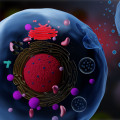
Exosomes are small extracellular vesicles, typically ranging from 30 to 150 nanometers in diameter, that play a crucial role in intercellular communication. These nano-sized structures are secreted by various cell types and are found in numerous biological fluids, including blood, urine, and saliva. Composed of a lipid bilayer, exosomes encapsulate a diverse array of bioactive molecules such as proteins, lipids, mRNA, and microRNA. This unique composition allows them to facilitate the transfer of genetic material and proteins between cells, thereby influencing various physiological processes and cellular functions.The significance of exosomes in modern medicine cannot be overstated.
Their ability to mediate communication between cells positions them as pivotal players in numerous biological pathways, including those involved in immune responses, tissue repair, and even cancer progression. As research continues to unveil the complexities of exosomal functions, their potential therapeutic applications are becoming increasingly apparent. Exosome therapy is emerging as a promising avenue for treating a variety of conditions, from degenerative diseases to aesthetic enhancements.One of the most compelling aspects of exosome therapy is its versatility. For instance, exosomes derived from stem cells have shown remarkable potential in regenerative medicine by promoting tissue repair and regeneration.
They can enhance wound healing by delivering essential growth factors and cytokines directly to damaged tissues. Furthermore, their role in cancer treatment is gaining traction; exosomes can be engineered to carry therapeutic agents that target tumours while minimising damage to surrounding healthy tissues.In addition to their regenerative capabilities, exosomes also hold promise in the realm of gene therapy. By serving as natural delivery vehicles for genetic material, they can potentially overcome some of the limitations associated with traditional gene delivery methods. This innovative approach not only enhances the efficacy of treatments but also reduces the risk of adverse effects commonly associated with other delivery systems.They can enhance wound healing by delivering essential growth factors and cytokines directly to damaged tissues. Furthermore, their role in cancer treatment is gaining traction; exosomes can be engineered to carry therapeutic agents that target tumours while minimising damage to surrounding healthy tissues.In addition to their regenerative capabilities, exosomes also hold promise in the realm of gene therapy. By serving as natural delivery vehicles for genetic material, they can potentially overcome some of the limitations associated with traditional gene delivery methods. This innovative approach not only enhances the efficacy of treatments but also reduces the risk of adverse effects commonly associated with other delivery systems.
Understanding Exosomes: Structure and Function
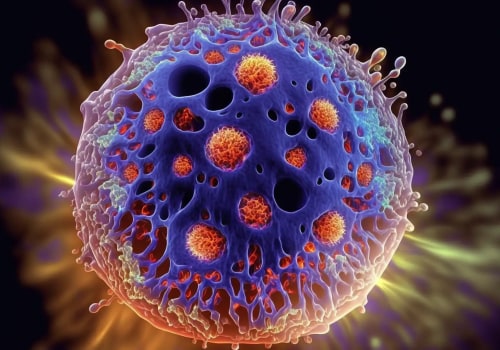
Exosomes are small extracellular vesicles, typically ranging from 30 to 150 nanometers in diameter, that play a crucial role in intercellular communication.They are secreted by various cell types and are found in numerous biological fluids, including blood, urine, and saliva. The structure of exosomes is complex and consists of a lipid bilayer membrane that encapsulates a variety of bioactive molecules, including proteins, lipids, mRNA, and microRNA. This unique composition allows exosomes to facilitate communication between cells by transferring these molecular signals.The function of exosomes extends beyond mere cellular waste disposal; they are pivotal in mediating various physiological and pathological processes. One of their primary roles is to transport molecular cargo from one cell to another, thereby influencing the behaviour and function of recipient cells.
For instance, exosomes can carry growth factors that promote cell proliferation or differentiation, as well as genetic material that can modulate gene expression in target cells.Understanding how exosomes work is essential for appreciating their therapeutic potential. When a cell releases an exosome, it can interact with nearby cells through specific receptors on the surface of the recipient cell. This interaction triggers a cascade of intracellular signalling pathways that can lead to various outcomes, such as enhanced tissue repair or modulation of immune responses. The ability of exosomes to cross biological barriers, such as the blood-brain barrier, further underscores their significance in therapeutic applications.Moreover, the biogenesis of exosomes involves a series of intricate processes within the cell.
Initially, intraluminal vesicles are formed within endosomes through a process known as inward budding. These intraluminal vesicles eventually mature into multivesicular bodies (MVBs), which can either fuse with lysosomes for degradation or be transported to the plasma membrane for secretion as exosomes. This pathway highlights the sophisticated nature of exosome production and underscores their potential as vehicles for targeted drug delivery.In summary, exosomes are not just passive carriers but active participants in cellular communication and regulation. Their unique structure and multifunctional capabilities make them invaluable in both basic research and clinical applications, paving the way for innovative therapies across various medical fields.
Exosome Therapy in Cancer Treatment
Exosome therapy is emerging as a promising avenue in the realm of cancer treatment, leveraging the unique properties of exosomes to enhance therapeutic efficacy.These nano-sized vesicles, secreted by various cell types, play a crucial role in intercellular communication and can be harnessed to deliver therapeutic agents directly to tumour cells.One of the most notable applications of exosome therapy in oncology is the use of CAR exosomes. Chimeric Antigen Receptor (CAR) T-cell therapy has revolutionised cancer treatment, particularly for certain types of leukaemia and lymphoma. However, the systemic administration of CAR T-cells can lead to severe side effects, including cytokine release syndrome. CAR exosomes offer a solution by encapsulating the CAR construct within exosomes derived from T-cells.
This method not only reduces the risk of adverse effects but also enhances the targeting of cancer cells.Research has demonstrated that CAR exosomes can effectively inhibit tumour growth. For instance, a study published in Nature Biotechnology highlighted how CAR exosomes derived from engineered T-cells were able to selectively target and kill cancer cells expressing specific antigens. The results showed a significant reduction in tumour size in animal models, indicating the potential for CAR exosomes to serve as a safer alternative to traditional CAR T-cell therapies.Moreover, exosomes are rich in bioactive molecules such as proteins, lipids, and nucleic acids that can modulate the tumour microenvironment. They can carry therapeutic agents like small interfering RNA (siRNA) or microRNA that can silence oncogenes or restore the expression of tumour suppressor genes.
This dual functionality—targeting cancer cells while simultaneously altering their environment—positions exosome therapy as a multifaceted approach to cancer treatment.In addition to CAR exosomes, other studies have explored the use of exosomes derived from mesenchymal stem cells (MSCs) in cancer therapy. These MSC-derived exosomes have shown promise in inhibiting metastasis and promoting apoptosis in various cancer types. Their ability to modulate immune responses also opens new avenues for combination therapies that could enhance overall treatment outcomes.As research continues to unfold, it is clear that This dual functionality—targeting cancer cells while simultaneously altering their environment—positions exosome therapy as a multifaceted approach to cancer treatment.In addition to CAR exosomes, other studies have explored the use of exosomes derived from mesenchymal stem cells (MSCs) in cancer therapy. These MSC-derived exosomes have shown promise in inhibiting metastasis and promoting apoptosis in various cancer types. Their ability to modulate immune responses also opens new avenues for combination therapies that could enhance overall treatment outcomes.As research continues to unfold, it is clear that exosome therapy holds significant potential in transforming cancer treatment paradigms. Ongoing clinical trials are essential to further elucidate their efficacy and safety profiles, paving the way for innovative therapeutic strategies that could improve patient outcomes.
Regenerative Medicine: The Role of Exosomes
Exosomes, the nano-sized extracellular vesicles secreted by various cell types, have emerged as pivotal players in the field of regenerative medicine.Their unique ability to facilitate intercellular communication and transport bioactive molecules makes them invaluable in promoting tissue repair and enhancing the body’s natural healing processes.One of the primary mechanisms through which exosomes contribute to wound healing is by delivering a rich cargo of proteins, lipids, mRNA, and microRNA. These components play crucial roles in modulating cellular responses, influencing inflammation, and promoting cell survival and proliferation. For instance, exosomes derived from stem cells have been shown to contain growth factors that stimulate the migration and proliferation of fibroblasts, which are essential for collagen synthesis and tissue regeneration.Moreover, exosomes can significantly enhance the healing environment by reducing inflammation. They achieve this by delivering anti-inflammatory cytokines and other mediators that help to modulate the immune response at the injury site.
This is particularly important in chronic wounds, where persistent inflammation can hinder healing. By promoting a balanced inflammatory response, exosomes facilitate a more conducive environment for tissue repair.In addition to their role in inflammation modulation, exosomes also aid in angiogenesis—the formation of new blood vessels—which is critical for supplying nutrients and oxygen to healing tissues. Exosomal cargo can include angiogenic factors that stimulate endothelial cell proliferation and migration, thereby enhancing blood flow to damaged areas.The application of exosome therapy in clinical settings has shown promising results. For example, studies have demonstrated that exosome treatments can accelerate the healing of diabetic ulcers and surgical wounds. This is particularly important in chronic wounds, where persistent inflammation can hinder healing. By promoting a balanced inflammatory response, exosomes facilitate a more conducive environment for tissue repair.In addition to their role in inflammation modulation, exosomes also aid in angiogenesis—the formation of new blood vessels—which is critical for supplying nutrients and oxygen to healing tissues. Exosomal cargo can include angiogenic factors that stimulate endothelial cell proliferation and migration, thereby enhancing blood flow to damaged areas.The application of exosome therapy in clinical settings has shown promising results. For example, studies have demonstrated that exosome treatments can accelerate the healing of diabetic ulcers and surgical wounds.
Patients receiving exosome therapy often experience faster recovery times and improved tissue quality compared to those undergoing traditional treatments.Despite these advancements, it is essential to standardize exosome production and establish guidelines for their clinical use. Understanding the biological mechanisms underlying exosome-mediated healing will further enhance their therapeutic potential in regenerative medicine.
Exosome Therapy for Hair Restoration
Exosome therapy has emerged as a revolutionary approach in the field of hair restoration, offering a promising solution for individuals experiencing hair loss. This innovative treatment harnesses the power of exosomes, which are tiny extracellular vesicles secreted by stem cells. These vesicles play a crucial role in cellular communication and regeneration, making them ideal candidates for promoting hair follicle health and stimulating new hair growth.The science behind exosome therapy for hair restoration lies in the rich composition of exosomes.They contain a variety of bioactive molecules, including proteins, lipids, mRNA, and microRNA, all of which are essential for cellular function and regeneration. When applied to the scalp, exosomes can enhance the activity of hair follicles by delivering these vital components directly to the targeted areas. This process not only promotes hair growth but also improves the overall health of existing hair.One of the key benefits of exosome treatment for hair loss is its ability to stimulate the anagen phase of the hair growth cycle. During this phase, hair follicles are actively producing new hair strands.
Exosomes can activate specific cellular pathways that encourage this growth, leading to thicker and healthier hair over time. Additionally, they help to reduce inflammation in the scalp, which is often a contributing factor to hair loss.Moreover, exosome therapy is minimally invasive and typically involves a simple injection into the scalp. This procedure is well-tolerated by patients and requires little to no downtime, making it an attractive option for those seeking effective hair restoration solutions without the need for surgical intervention.The growing popularity of exosome therapy for hair restoration can be attributed to its impressive results and safety profile. Many patients report noticeable improvements in hair density and quality within a few months of treatment.
As research continues to unveil the full potential of exosomes in regenerative medicine, it is likely that this therapy will become a standard practice in addressing various forms of hair loss.In conclusion, exosome therapy represents a significant advancement in the realm of hair restoration. By leveraging the natural regenerative properties of exosomes, this treatment offers a safe and effective means to combat hair loss and promote healthy hair growth.
Exosomes in Gene Therapy: A New Frontier
Exosomes have emerged as a groundbreaking tool in the field of gene therapy, offering a novel approach to the delivery of genetic material. These nano-sized extracellular vesicles, secreted by various cell types, possess unique properties that make them ideal candidates for transporting therapeutic genes to target cells. Their natural ability to facilitate intercellular communication allows exosomes to effectively deliver nucleic acids, including mRNA, siRNA, and DNA, directly into recipient cells, thereby enhancing the potential for successful gene therapy.One of the primary advantages of using exosomes in gene delivery is their biocompatibility and low immunogenicity.Unlike traditional viral vectors, which can provoke strong immune responses and pose safety concerns, exosomes are derived from human cells and are less likely to elicit adverse reactions. This characteristic is particularly beneficial when considering long-term treatments for genetic disorders, as it reduces the risk of complications associated with repeated administration.Moreover, exosomes can be engineered to enhance their therapeutic efficacy. Researchers can modify the surface proteins of exosomes to improve their targeting capabilities, ensuring that they preferentially bind to specific cell types. This targeted delivery is crucial for treating genetic disorders that affect particular tissues or organs, as it maximises the therapeutic effect while minimising off-target effects.The potential applications of exosome-mediated gene therapy are vast.
For instance, in the context of genetic disorders such as cystic fibrosis or muscular dystrophy, exosomes can be utilised to deliver corrective genes that compensate for defective ones. By facilitating the uptake of these genes into affected cells, exosomes can help restore normal function and alleviate symptoms.Additionally, exosomes have shown promise in cancer therapy by delivering therapeutic genes that induce apoptosis in cancer cells or enhance the immune response against tumours. This dual functionality not only targets cancerous cells but also supports the body’s natural defence mechanisms.In summary, the innovative use of exosomes in gene therapy represents a significant advancement in the treatment of genetic disorders and cancers. Their ability to deliver genetic material efficiently and safely positions them as a transformative tool in modern medicine, paving the way for more effective and personalised therapeutic strategies.
Exosomal Applications in Fertility and Reproductive Health
Exosomes have emerged as a pivotal component in the realm of fertility treatments and reproductive health, primarily due to their unique ability to facilitate intercellular communication and modulate immune responses.These nano-sized vesicles, secreted by various cell types, play a crucial role in the transport of bioactive molecules, including proteins, lipids, and nucleic acids, which are essential for maintaining reproductive health.One of the most significant applications of exosomes in fertility is their potential to enhance oocyte quality and support embryo development. Research indicates that exosomes derived from ovarian cells can influence the microenvironment of oocytes, thereby improving their maturation and viability. This is particularly important for women undergoing assisted reproductive technologies (ART), where the quality of oocytes directly impacts the success rates of procedures such as in vitro fertilisation (IVF).
Modulation of Immune Responses
Exosomes also play a vital role in modulating immune responses during pregnancy. The maternal immune system must adapt to accommodate the developing fetus, which is genetically distinct from the mother.Exosomes released from trophoblasts—the cells forming the outer layer of the placenta—contain immunomodulatory factors that help to create a tolerogenic environment. This process is essential for preventing maternal rejection of the fetus and ensuring a successful pregnancy.Furthermore, exosomes can deliver therapeutic molecules that may aid in treating conditions such as recurrent miscarriage or preeclampsia. By harnessing the natural properties of exosomes, researchers are exploring their use as vehicles for targeted drug delivery, potentially offering new avenues for treatment that are less invasive than traditional methods.
Future Directions
The future of exosome therapy in fertility and reproductive health looks promising. Ongoing studies aim to elucidate the specific mechanisms by which exosomes exert their effects on reproductive tissues and immune modulation.As our understanding deepens, it may lead to innovative therapies that enhance fertility outcomes and improve overall reproductive health.In conclusion, exosomes represent a groundbreaking frontier in fertility treatments and reproductive health. Their ability to modulate immune responses and deliver critical biomolecules positions them as a valuable tool in addressing various reproductive challenges.
Challenges and Future Directions in Exosome Therapy
As the field of exosome therapy continues to evolve, it faces several significant challenges that must be addressed to unlock its full potential. One of the primary hurdles is the standardisation of exosome products. Currently, there is a lack of universally accepted protocols for the isolation, characterisation, and storage of exosomes.This inconsistency can lead to variations in the quality and efficacy of exosome-based therapies, making it difficult to compare results across different studies and clinical applications.Moreover, the methods used for exosome extraction can significantly influence their biological properties. Techniques such as ultracentrifugation, precipitation, and size-exclusion chromatography each have their advantages and limitations. The absence of a gold standard means that researchers and clinicians may not be able to guarantee the purity or functionality of the exosomes they are using, which could impact patient outcomes.Another challenge lies in the regulatory landscape. As exosome therapy is a relatively new area within regenerative medicine, regulatory bodies are still developing guidelines for its use.
This uncertainty can hinder research and development efforts, as companies may be reluctant to invest in clinical trials without clear regulatory pathways. Establishing comprehensive regulations will be crucial for ensuring patient safety and fostering innovation in this promising field.Looking towards the future, there are several exciting directions for exosome treatments. One potential avenue is the integration of advanced technologies such as nanotechnology and genetic engineering to enhance the therapeutic capabilities of exosomes. For instance, engineering exosomes to carry specific therapeutic agents or targeting molecules could improve their efficacy in treating various diseases.Additionally, ongoing research into the mechanisms by which exosomes mediate cellular communication will provide deeper insights into their roles in health and disease.
Understanding these pathways could lead to novel therapeutic strategies that harness the natural properties of exosomes for targeted treatment.In conclusion, while exosome therapy holds immense promise for a range of medical applications, addressing the challenges of standardisation and regulation will be essential for its successful implementation. Continued research and collaboration among scientists, clinicians, and regulatory agencies will pave the way for innovative therapies that leverage the unique properties of exosomes.
Conclusion: The Promise of Exosome Therapy in Modern Medicine
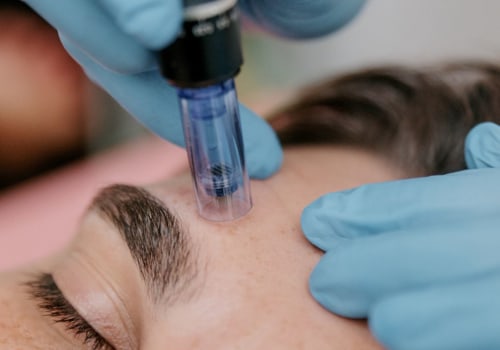
In conclusion, the exploration of exosome therapy has unveiled a multitude of promising applications across various fields of medicine. As we have discussed, exosomes are not merely cellular debris; they are sophisticated nano-sized vesicles that play a crucial role in intercellular communication and the transfer of bioactive molecules. Their unique properties make them invaluable in therapeutic contexts, particularly in areas such as cancer treatment , regenerative medicine , and gene therapy .The potential of exosomes to enhance healing processes is particularly noteworthy.For instance, their application in treating conditions like hair loss demonstrates how these vesicles can stimulate hair follicle regeneration, leading to significant improvements in hair growth. Furthermore, their role in wound healing is underscored by their ability to deliver essential biomolecules that activate critical cellular pathways, thereby optimising the healing environment.Moreover, the advancements in exosome therapy extend to aesthetic applications, where they are used for skin rejuvenation and tissue repair. The versatility of exosomes is evident as they adapt to various therapeutic needs, offering a more advanced approach compared to traditional methods.However, it is essential to acknowledge that while the prospects are exciting, the field of exosome therapy is still in its infancy. There is a pressing need for standardisation and validation of exosome-based products to ensure safety and efficacy.
Ongoing research will be vital in uncovering the full potential of exosomes and addressing any associated risks.As we look towards the future, it is clear that exosome therapy holds significant promise for transforming modern medicine. Continued exploration and investment in this innovative field could lead to breakthroughs that enhance patient outcomes across a spectrum of health challenges. The journey into understanding and harnessing the power of exosomes is just beginning, and it invites researchers, clinicians, and patients alike to engage with this cutting-edge frontier.