Exosomes are tiny, membrane-bound vesicles that play a crucial role in intercellular communication. These nanoscale particles are secreted by various cell types and contain a complex mixture of proteins, lipids, and nucleic acids. Their primary function is to facilitate the transfer of molecular signals between cells, thereby influencing numerous biological processes such as immune response, tissue repair, and cellular regeneration. In recent years, exosomes have garnered significant attention in the fields of regenerative medicine and cosmetic treatments due to their potential to enhance skin health and rejuvenation.The importance of exosomes extends beyond their biological functions; they are also being explored for their therapeutic applications.
For instance, exosomes derived from stem cells have shown promise in promoting wound healing and reducing inflammation. This has led to a surge in interest among researchers and practitioners looking to harness the power of exosomes for aesthetic purposes. However, the use of human exosomes in cosmetic procedures raises important ethical and legal questions, particularly in the UK where regulations surrounding human-derived materials are stringent.In the UK, the legal status of human exosomes is a complex issue that intertwines scientific innovation with regulatory frameworks. While exosomes themselves are naturally occurring and not inherently harmful, the source from which they are derived can lead to significant legal implications.
The current regulations prohibit the use of human-derived ingredients in cosmetic products, which includes exosomes obtained from human tissues. This creates a challenging landscape for practitioners who wish to incorporate exosome therapy into their treatments while adhering to legal guidelines.As we delve deeper into the topic of exosomes and their applications in skincare, it is essential to understand both their biological significance and the regulatory environment that governs their use in the UK. This knowledge will provide valuable context for evaluating the safety and legality of exosome treatments within aesthetic practices.
What Are Exosomes?
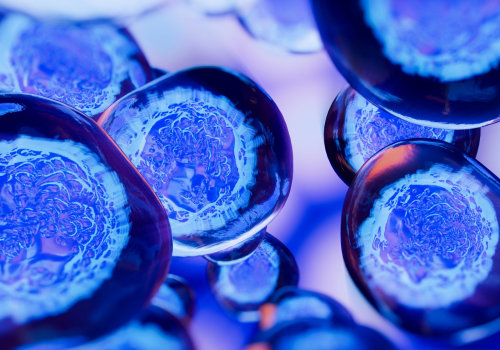
Exosomes are small, membrane-bound vesicles that play a pivotal role in intercellular communication. They are typically 30 to 150 nanometers in diameter and are secreted by various cell types into the extracellular environment.These vesicles contain a diverse array of biomolecules, including proteins, lipids, and nucleic acids, which can influence the behaviour of recipient cells. Understanding exosomes is essential for grasping their potential applications in medicine and cosmetic treatments.
Types of Exosomes
- Microvesicles: These are larger than exosomes, ranging from 100 to 1000 nanometers. They are formed by the outward budding of the plasma membrane and can carry a variety of cargo, including proteins and RNA.
- Apoptotic Bodies: These vesicles are released during programmed cell death (apoptosis) and can contain cellular debris as well as functional molecules that may influence nearby cells.
- Exosomes: The most studied type, exosomes originate from endosomal compartments and are involved in many physiological processes, including immune responses and tissue repair.
Functions of Exosomes
Exosomes serve several critical functions within the body:
- Cell Communication: They facilitate communication between cells by transferring proteins and genetic material, thereby influencing cellular behaviour and function.
- Immune Response: Exosomes play a role in modulating immune responses by presenting antigens to immune cells or carrying immunosuppressive factors.
- Tissue Repair: Following injury, exosomes can promote healing by delivering growth factors and other molecules that stimulate regeneration.
- Biomarker Potential: Due to their content reflecting the physiological state of their parent cells, exosomes hold promise as biomarkers for various diseases, including cancer.
The Role of Exosomes in Medicine and Aesthetics
Exosomes are increasingly recognised for their significant role in both medical treatments and aesthetic applications.These nanoscale vesicles, secreted by various cell types, facilitate intercellular communication and play a crucial part in numerous biological processes, including immune response, tissue repair, and cellular regeneration.In the realm of medicine, exosome therapy is gaining traction as a promising avenue for treating a variety of conditions. Researchers are exploring their potential in regenerative medicine, particularly for conditions such as cardiovascular diseases, neurodegenerative disorders, and even cancer. The therapeutic properties of exosomes stem from their ability to transfer proteins, lipids, and genetic material between cells, thereby influencing the behaviour of recipient cells. For instance, exosomes derived from stem cells have shown potential in promoting tissue repair and reducing inflammation, making them a focal point in developing innovative treatment strategies.In aesthetic medicine, the application of exosomes is particularly intriguing.
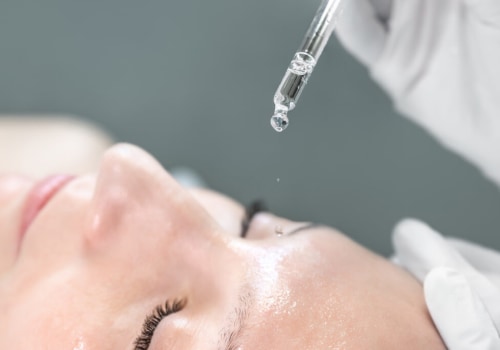
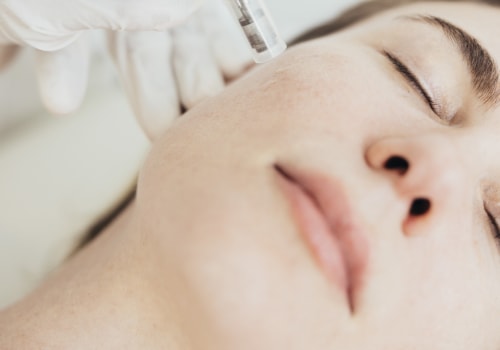
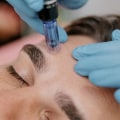
They are being investigated for their ability to enhance skin rejuvenation and improve overall skin health. Exosome therapy can be combined with procedures like microneedling or laser treatments to amplify results. During these procedures, microneedles create micro-injuries in the skin, allowing exosomes to penetrate more effectively and stimulate natural healing processes. This synergy not only promotes collagen production but also enhances hydration and improves skin texture.Despite the promising potential of exosomes in aesthetics, their use remains controversial due to regulatory challenges.
In the UK, the legality of using human-derived exosomes for cosmetic purposes is under scrutiny. While some practitioners advocate for their use in topical applications, the current regulations prohibit ingredients derived from human sources in cosmetic products. This has led to a cautious approach among professionals regarding the incorporation of exosome therapy into aesthetic practices.As research continues to evolve, it is essential to monitor developments surrounding exosome therapy closely. The ongoing debates about their legality highlight the need for rigorous clinical trials to establish safety and efficacy before widespread adoption in aesthetic applications can occur.
Until then, practitioners must navigate these complexities while considering alternative treatments that comply with existing regulations.
Current Regulations on Exosomes in the UK
The legal landscape surrounding exosomes in the UK is complex and often misunderstood. As of now, the use of human-derived exosomes in cosmetic applications is not permitted under UK law. This prohibition stems from stringent regulations that govern the use of ingredients derived from human tissues in cosmetic products.According to the UK’s regulatory framework, particularly the Cosmetic Products Regulation, any ingredient sourced from human origin is classified as a high-risk material. This includes exosomes, which are microscopic vesicles secreted by cells that play a crucial role in intercellular communication.The regulations are designed to ensure consumer safety and prevent potential health risks associated with the use of human-derived materials.Despite these regulations, there is a notable presence of human exosomes in the UK market, often marketed under various cosmetic treatments. Some practitioners argue that topical applications of exosomes may be permissible; however, this remains a contentious issue. The primary concern arises when these exosomes are used in conjunction with procedures like microneedling, which enhances their penetration into the skin. Such practices blur the lines of legality and raise ethical questions regarding patient safety.Furthermore, the European Union's stance on this matter aligns closely with that of the UK, reinforcing the ban on human-derived ingredients in cosmetics.
This means that any product containing human exosomes would not only be illegal but could also expose practitioners to legal repercussions.As it stands, the only legally accepted sources of exosomes for cosmetic use in the UK are those derived from plant materials. These plant-based exosomes have been shown to possess properties that can stimulate cellular communication and promote skin health without the ethical and legal complications associated with human-derived products.In conclusion, while exosome therapy presents exciting possibilities for skin rejuvenation and anti-aging treatments, the current regulatory environment in the UK firmly prohibits the use of human exosomes in cosmetic practices. Until further advancements in regulation and safety assessments occur, consumers and practitioners alike must navigate this landscape with caution.
The Debate Surrounding Human Exosomes in Aesthetic Treatments
The use of human exosomes in aesthetic treatments has sparked a significant debate among professionals in the field. This discussion is not merely academic; it touches on ethical, legal, and practical implications that affect both practitioners and patients alike.One of the primary concerns revolves around the legality of using human-derived exosomes in cosmetic procedures.In the UK, regulations are stringent regarding the use of ingredients derived from human sources. According to current guidelines, the application of human exosomes for aesthetic purposes is not permitted. This prohibition raises questions about the safety and efficacy of such treatments, especially when they are marketed as innovative solutions for skin rejuvenation.Experts in the field have differing opinions on this matter. Some practitioners argue that while the topical application of exosomes may be permissible, their use in conjunction with invasive procedures like micropuncture poses significant risks.
Micropuncture is designed to enhance product absorption, but when combined with human exosomes, it could lead to complications that are not yet fully understood.Moreover, there are concerns about the sourcing of these exosomes. Many companies claim to produce high-quality exosomes, but the effectiveness of these products is heavily dependent on the health and quality of the cells from which they are derived. This variability can lead to inconsistent results and raises ethical questions about sourcing practices, particularly when human tissues are involved.Another layer to this debate is the potential for DNA contamination and other risks associated with using biological materials from humans, especially vulnerable populations such as newborns or young donors. The implications of such practices could tarnish the reputation of exosome therapies if not handled with utmost care and transparency.As research continues and more data becomes available, it is crucial for practitioners to stay informed about regulatory changes and emerging evidence regarding the safety and efficacy of human exosome treatments.
Until then, many experts advocate for caution and recommend exploring alternative treatments that comply with existing regulations while still offering effective results for skin rejuvenation.
Ethical Considerations and Risks Associated with Human Exosome Use
The use of human-derived exosomes in cosmetic treatments raises significant ethical considerations and potential risks that must be carefully evaluated. As these microscopic vesicles play a crucial role in intercellular communication, their extraction from human sources introduces complex moral dilemmas and safety concerns.One of the primary ethical issues revolves around the source of these exosomes. Many companies extract exosomes from human tissues, such as umbilical cords or adipose tissue, which can lead to questions about consent and the potential exploitation of donors. It is essential that any biological material used in treatments is obtained ethically, with full transparency regarding how the tissues are sourced and the implications for the donors involved.Moreover, the use of human-derived products can pose risks related to DNA contamination.Exosomes carry genetic material, and if they are derived from human cells, there is a possibility of transferring unwanted DNA into patients. This raises concerns not only about the safety of such treatments but also about the long-term implications for patients' health. The risk of introducing foreign DNA into a recipient's system could lead to unforeseen complications, including immune responses or other adverse effects.Additionally, there are broader societal implications to consider. The commercialization of human-derived exosomes may lead to a market driven by profit rather than patient safety and well-being.
This could result in companies prioritizing financial gain over rigorous scientific research and ethical standards, potentially compromising the quality and safety of their products.In light of these concerns, it is crucial for consumers to conduct thorough research before considering treatments involving human exosomes. Understanding the origins of these products, the ethical practices of the companies involved, and the potential risks associated with their use can empower individuals to make informed decisions about their skincare options.Ultimately, while exosome therapy presents exciting possibilities for skin rejuvenation and anti-aging treatments, it is imperative that both practitioners and patients remain vigilant about the ethical implications and risks associated with human-derived exosomes. Until comprehensive regulations and guidelines are established, caution should be exercised when considering such innovative yet controversial treatments.
Alternatives to Human Exosome Treatments in the UK
As the debate surrounding the legality and safety of human exosome treatments continues in the UK, many individuals seeking skin rejuvenation are left searching for effective alternatives. Fortunately, there are numerous safe and scientifically-backed treatments available that do not involve human-derived exosomes.One of the most popular alternatives is plant-derived exosome therapy.These treatments utilise exosomes extracted from various plant sources, which have been shown to possess regenerative properties similar to those of human exosomes. Plant exosomes can promote cell communication and enhance skin repair mechanisms without the ethical concerns associated with human-derived products.
Microneedling
Another effective option is microneedling , a minimally invasive procedure that involves creating tiny punctures in the skin to stimulate collagen production. This treatment can be combined with serums containing growth factors or plant-derived exosomes to enhance results. Microneedling not only improves skin texture and firmness but also aids in reducing the appearance of scars and fine lines.Laser Treatments
Laser therapy
is another advanced method for skin rejuvenation.
Various types of lasers can target different skin concerns, such as pigmentation, wrinkles, and overall skin tone. Fractional laser treatments, for instance, promote collagen remodelling and can significantly improve skin elasticity and appearance.
Chemical Peels
Chemical peels
are also a viable alternative for those looking to refresh their skin. These treatments involve applying a chemical solution to exfoliate the outer layers of skin, revealing a smoother and more radiant complexion underneath. Depending on the depth of the peel, results can range from mild improvements to significant rejuvenation.
Platelet-Rich Plasma (PRP) Therapy
Platelet-rich plasma (PRP) therapy
, often referred to as the "vampire facial," utilises the patient’s own blood to extract growth factors that promote healing and rejuvenation.
This treatment is particularly effective for enhancing skin texture and reducing signs of ageing.In conclusion, while human exosome treatments remain a contentious topic in the UK, there are numerous safe and effective alternatives available. From plant-derived therapies to advanced techniques like microneedling and laser treatments, individuals can explore various options tailored to their specific skin needs without compromising safety or legality.
Future Prospects for Exosome Research and Regulation
The landscape of exosome research is rapidly evolving, with significant implications for both therapeutic applications and regulatory frameworks. As scientists delve deeper into the mechanisms of exosomes, particularly those derived from human cells, we may witness groundbreaking advancements that could reshape their legal status in the UK.Currently, the use of human-derived exosomes in cosmetic procedures remains a contentious issue, primarily due to stringent regulations prohibiting ingredients of human origin in cosmetic products. However, ongoing research is likely to yield new insights into the safety and efficacy of these biological entities.As clinical trials progress and more data becomes available, there is potential for a shift in regulatory attitudes towards exosome therapy.
Future Directions in Exosome Research
- Enhanced understanding of exosome biology: Continued research may uncover the specific roles that exosomes play in cellular communication and regeneration, leading to more targeted therapies.
- Development of synthetic alternatives: Advances in biotechnology could pave the way for synthetic exosomes that mimic the properties of their natural counterparts without the ethical concerns associated with human-derived materials.
- Clinical applications beyond aesthetics: Exosomes are being explored for their potential in treating various medical conditions, including neurodegenerative diseases and cancer, which may influence regulatory perspectives.
Potential Changes in Regulations
As the body of evidence supporting the therapeutic benefits of exosomes grows, regulatory bodies in the UK may reconsider their stance on human-derived exosomes. The following factors could contribute to changes in legislation:
- Scientific validation: If rigorous clinical trials demonstrate that human exosomes are safe and effective for specific applications, regulators may be compelled to revise existing laws.
- Public demand: As awareness of exosome therapy increases among consumers, there may be greater pressure on regulatory agencies to allow its use in aesthetic practices.
- International trends: Observing how other countries adapt their regulations regarding exosome use could influence UK policies, especially if successful models emerge elsewhere.
Conclusion: Navigating the Complex Landscape of Human Exosome Legality in the UK
In conclusion, the legal status of human exosomes in the UK presents a complex and often confusing landscape for both practitioners and patients. As we have explored, the use of exosomes derived from human sources is currently not permitted under UK and EU regulations for cosmetic applications.This prohibition stems from stringent guidelines that govern the use of ingredients of human origin in aesthetic treatments.Despite the lack of legal approval, there is a notable presence of human exosomes in the UK market, raising significant ethical and safety concerns. The debate surrounding their use is further complicated by the fact that some practitioners argue for their topical application, particularly in conjunction with procedures like microneedling. However, this practice remains legally ambiguous and could potentially expose patients to risks associated with unregulated treatments.Moreover, while exosome therapy shows promise in enhancing skin rejuvenation through natural cellular communication, the absence of rigorous clinical trials to validate their safety and efficacy for injection purposes means that such practices remain prohibited. The potential for DNA contamination and ethical dilemmas related to sourcing human-derived materials adds another layer of complexity to this issue.As the field of biotechnology evolves, it is crucial for both consumers and professionals to stay informed about the latest developments regarding exosome research and regulations.
The future may hold changes in legislation as more evidence emerges regarding the benefits and risks associated with exosome therapies. Until then, individuals seeking skin rejuvenation should consider alternative treatments that are fully compliant with existing regulations.Ultimately, navigating the intricate legal framework surrounding human exosomes requires careful consideration and a commitment to prioritising safety and ethical standards in aesthetic practices. As we await clearer guidelines from regulatory bodies, it is essential to approach any treatment involving exosomes with caution and informed consent.