As we journey through life, the inevitable process of aging becomes increasingly apparent, manifesting in various ways such as fine lines, wrinkles, and a loss of skin elasticity. At the forefront of scientific research aimed at combating these signs of aging are stem cellsstem cells , remarkable entities that possess the unique ability to develop into different cell types and regenerate damaged tissues. Understanding the role of stem cells in the aging process is crucial, as they hold the potential to not only rejuvenate our skin but also enhance overall health and vitality.Stem cells are often referred to as the body's natural repair system. They are undifferentiated cells that can transform into specialized cells, such as those found in our skin, muscles, and organs.
This regenerative capability makes them a focal point in anti-aging therapies. As we age, however, the functionality of these stem cells diminishes, leading to a decline in their ability to repair and regenerate tissues effectively. This decline contributes significantly to the visible signs of aging and various age-related diseases.Recent advancements in stem cell research have unveiled exciting possibilities for harnessing their power to promote skin rejuvenation. By utilizing exosomes , which are tiny vesicles secreted by stem cells, researchers are exploring innovative ways to stimulate cellular repair and enhance skin health.
These exosomes carry vital proteins and genetic material that can communicate with other cells, promoting healing and regeneration. The implications of this research are profound, suggesting that we may be able to slow down or even reverse some aspects of aging through targeted stem cell therapies.In this exploration of stem cells and their impact on aging, we will delve deeper into how these remarkable cells function, their potential applications in anti-aging treatments, and the science behind their ability to restore a youthful appearance. By understanding the intricate relationship between stem cells and aging, we can better appreciate the transformative potential they hold for enhancing our quality of life as we age.
What Are Exosomes?
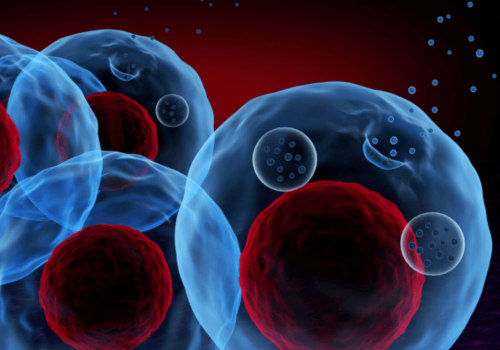
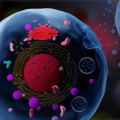
Exosomes are small extracellular vesicles that play a pivotal role in intercellular communication. These nano-sized structures, typically ranging from 30 to 150 nanometers in diameter, are secreted by various cell types, including stem cells.They are formed within the endosomal system of the cell and are released into the extracellular space when multivesicular bodies fuse with the plasma membrane.One of the most significant aspects of exosomes is their ability to carry a diverse array of biological molecules, including proteins, lipids, and nucleic acids such as mRNA and microRNA. This unique composition allows exosomes to facilitate communication between cells by transferring these molecular signals, thereby influencing the behaviour and function of recipient cells.
Originating from Stem Cells
Exosomes derived from stem cells are particularly noteworthy due to their regenerative properties. Stem cells, known for their ability to differentiate into various cell types and self-renew, release exosomes that contain growth factors and cytokines essential for tissue repair and regeneration. These exosomes can modulate the microenvironment of surrounding cells, promoting healing and rejuvenation.
Functions of Exosomes
- Cell Communication: Exosomes serve as messengers between cells, conveying important information that can alter cellular functions.
- Regenerative Properties: They play a crucial role in tissue repair by delivering growth factors that stimulate cell proliferation and differentiation.
- Immune Modulation: Exosomes can influence immune responses, either promoting or inhibiting inflammation depending on their content.
- Biomarker Potential: Due to their specific cargo, exosomes can serve as biomarkers for various diseases, including age-related conditions.
By harnessing the regenerative capabilities of stem cell-derived exosomes, researchers are exploring innovative treatments aimed at reducing the visible signs of aging. This includes enhancing skin elasticity, reducing wrinkles, and promoting an overall youthful appearance through natural biological processes rather than invasive procedures.
The Science Behind Exosomes and Skin Rejuvenation
Exosomes, which are nano-sized extracellular vesicles secreted by various cell types, have emerged as a pivotal component in the field of regenerative medicine, particularly in skin rejuvenation. These vesicles play a crucial role in intercellular communication, facilitating the transfer of proteins, lipids, and genetic material between cells. This unique ability allows exosomes to influence the behaviour of recipient cells, promoting healing and regeneration.One of the primary mechanisms by which exosomes contribute to skin rejuvenation is through their rich content of growth factors and cytokines.These bioactive molecules can stimulate cellular processes such as proliferation, migration, and differentiation. For instance, studies have shown that exosomes derived from mesenchymal stem cells (MSCs) can enhance collagen synthesis and improve skin elasticity, effectively reducing the appearance of fine lines and wrinkles.Research has demonstrated that exosomes can modulate inflammation and oxidative stress in skin cells. A study published in the Journal of Investigative Dermatology highlighted that exosomes from MSCs significantly reduced inflammatory markers in aged skin fibroblasts. This anti-inflammatory effect not only aids in skin repair but also helps to restore a youthful appearance by combating the damaging effects of environmental stressors.Moreover, exosomes have been found to promote angiogenesis—the formation of new blood vessels—which is essential for delivering nutrients and oxygen to the skin.
Enhanced blood flow can lead to improved skin tone and texture, further contributing to a more youthful look. A notable study in Stem Cells Translational MedicineStem Cells Translational Medicine indicated that exosome treatment resulted in increased vascularisation in dermal tissues, showcasing their potential for revitalising aged skin.The benefits of exosomes extend beyond mere aesthetic improvements. They also play a role in cellular reprogramming, potentially reversing some age-related changes at the molecular level. By delivering specific microRNAs and proteins that regulate gene expression, exosomes can help rejuvenate aged cells, making them behave more like their younger counterparts.In summary, the science behind exosomes reveals their multifaceted role in promoting skin rejuvenation.
Through their ability to enhance collagen production, reduce inflammation, stimulate angiogenesis, and facilitate cellular reprogramming, exosomes present a promising avenue for combating the signs of aging. As research continues to unfold, the potential applications of exosome therapy in dermatology are becoming increasingly evident.
How Stem Cell-Derived Exosomes Improve Skin Health
Exosomes, which are nano-sized extracellular vesicles secreted by stem cells, play a pivotal role in enhancing skin health. These tiny vesicles are rich in proteins, lipids, and genetic material, and they facilitate intercellular communication, thereby influencing various biological processes. One of the most significant benefits of stem cell-derived exosomes is their ability to stimulate collagen and elastin production, two essential proteins that contribute to skin elasticity and firmness.As we age, the natural production of collagen and elastin diminishes, leading to visible signs of aging such as wrinkles, sagging skin, and a loss of overall texture.Stem cell-derived exosomes can counteract these effects by delivering growth factors and cytokines that promote the proliferation of fibroblasts—cells responsible for producing collagen and elastin. This process not only enhances the structural integrity of the skin but also improves its hydration and overall appearance.Moreover, exosomes have been shown to possess anti-inflammatory properties. Chronic inflammation is a significant contributor to skin aging, as it can lead to the breakdown of collagen and elastin. By modulating inflammatory responses, stem cell-derived exosomes help create a more conducive environment for skin regeneration and repair.In addition to boosting collagen and elastin levels, exosomes also facilitate the repair of damaged skin cells.
They contain various bioactive molecules that can promote cellular regeneration and enhance the skin's natural healing processes. This regenerative capability is particularly beneficial for individuals with sun-damaged or aged skin.The implications for anti-aging treatments are profound. By harnessing the power of stem cell-derived exosomes, skincare professionals can offer innovative therapies that not only improve the appearance of the skin but also address underlying biological processes associated with aging. As research continues to unfold, the potential applications of exosome therapy in dermatology are becoming increasingly promising.In conclusion, stem cell-derived exosomes represent a groundbreaking advancement in skincare science.
Their ability to enhance collagen and elastin production while simultaneously reducing inflammation positions them as a powerful tool in the quest for youthful, healthy skin.
Comparing Exosome Therapy to Traditional Anti-Aging Treatments
As the quest for youthful skin continues, many individuals are exploring various anti-aging treatments. Among these, exosome therapy has emerged as a promising alternative to traditional methods such as Botox and dermal fillers. Understanding the differences between these approaches is essential for making informed decisions about skin rejuvenation.Exosome Therapy: A New Frontier
Exosome therapy utilises tiny vesicles secreted by stem cells, which play a crucial role in cell communication and regeneration. These exosomes are rich in growth factors, proteins, and genetic material that can enhance the body’s natural healing processes.
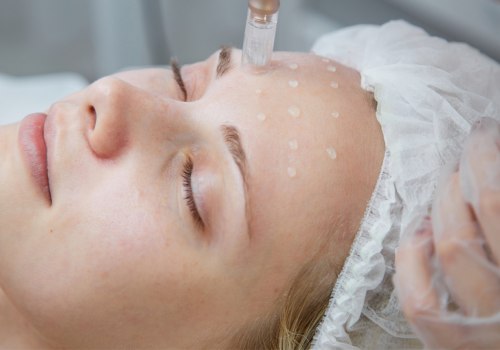
When applied to the skin, exosomes can stimulate collagen production, improve elasticity, and promote overall skin health.One of the significant advantages of exosome therapy is its ability to provide long-lasting results without the need for invasive procedures. Unlike traditional treatments that often require repeated sessions to maintain effects, exosome therapy can lead to more sustainable improvements in skin texture and tone.
Traditional Anti-Aging Treatments: Botox and Fillers
In contrast, traditional anti-aging treatments like Botox and dermal fillers work by temporarily altering facial muscles or adding volume to specific areas. Botox blocks nerve signals to muscles, reducing the appearance of fine lines and wrinkles. Fillers, on the other hand, restore lost volume by injecting substances like hyaluronic acid into targeted areas.While these treatments can yield immediate results, they come with certain drawbacks.
The effects of Botox typically last three to six months, necessitating regular maintenance appointments. Additionally, some individuals may experience side effects such as bruising, swelling, or allergic reactions.
Benefits and Risks
- Benefits of Exosome Therapy:
- Natural rejuvenation process with minimal downtime.
- Long-lasting results compared to traditional methods.
- Reduced risk of adverse reactions due to its regenerative nature.
- Risks of Traditional Treatments:
- Temporary results requiring ongoing treatments.
- Potential for side effects such as pain at injection sites or allergic reactions.
- Risk of overcorrection or unnatural appearance if not administered properly.
Potential Risks and Considerations of Exosome Therapy
As the popularity of exosome therapy continues to rise, it is crucial for potential patients to be aware of the associated risks and considerations before undergoing treatment. While exosomes derived from stem cells show promise in promoting skin rejuvenation and combating signs of aging, understanding the potential downsides is essential for informed decision-making.One of the primary concerns regarding exosome therapy is the lack of regulation.In many countries, including the UK, the use of exosomes in clinical practice is not yet fully regulated. This means that practitioners may not be required to adhere to stringent safety protocols, which can lead to variations in treatment quality and outcomes. Patients should ensure that they are receiving treatment from a qualified professional who follows established guidelines.Another consideration is the source of exosomes. Exosomes can be derived from various types of stem cells, including those from adipose tissue or umbilical cord blood.
The origin of these cells can significantly impact their efficacy and safety. It is vital for patients to inquire about the source of the exosomes being used and whether they have undergone appropriate testing for contaminants or pathogens.Additionally, while exosome therapy is generally considered safe, there are potential side effects that patients should be aware of. These may include:
- Allergic reactions: Some individuals may experience allergic responses to components within the exosome preparation.
- Inflammation: In some cases, patients may develop localized inflammation at the injection site.
- Infection: As with any procedure involving injections, there is a risk of infection if proper sterile techniques are not followed.
Engaging in thorough research and consulting with qualified professionals can help ensure a safe and effective treatment experience.
Real-Life Applications: Success Stories and Testimonials
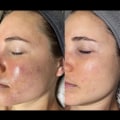
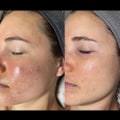
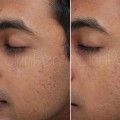
Exosome therapy has emerged as a revolutionary approach in the field of regenerative medicine, particularly for skin rejuvenation and anti-aging treatments. Numerous individuals have shared their success stories, highlighting the transformative effects of this innovative therapy.One notable case is that of Sarah Thompson , a 45-year-old marketing executive who struggled with fine lines and sagging skin. After undergoing exosome therapy, Sarah reported a remarkable improvement in her skin's texture and elasticity. "I noticed a significant reduction in my wrinkles within weeks.My skin feels firmer and looks more youthful than it has in years," she shared. Her experience underscores the potential of exosomes to stimulate collagen production and enhance skin vitality.Another inspiring testimonial comes from James Carter , a 52-year-old retired athlete who sought treatment for age-related skin changes. "I was sceptical at first, but after just one session of exosome therapy, I could see a visible difference. My friends even commented on how refreshed I looked!" James's story illustrates how exosome therapy can not only improve physical appearance but also boost confidence and self-esteem.Moreover, Dr.
Emily Chen , a dermatologist specialising in regenerative treatments, has witnessed numerous success stories in her practice. She notes, "Patients often report not just aesthetic improvements but also enhanced overall skin health. Exosomes work by harnessing the body’s natural healing processes, which leads to long-lasting results." This perspective highlights the dual benefits of exosome therapy: immediate cosmetic enhancements alongside deeper biological rejuvenation.In addition to individual testimonials, clinical studies have begun to validate these personal experiences. Research indicates that patients receiving exosome treatments often experience significant improvements in skin hydration, elasticity, and overall appearance compared to those who do not undergo such therapies.As more individuals share their positive outcomes with exosome therapy, it becomes increasingly clear that this treatment holds promise for those seeking to combat the signs of aging effectively.
The combination of personal success stories and emerging scientific evidence creates a compelling narrative around the efficacy of exosomes in promoting youthful skin.
Future Directions in Stem Cell Research and Exosome Therapy
The future of stem cell research and exosome therapy holds immense promise, particularly in the realm of anti-aging treatments. As scientists continue to unravel the complexities of cellular mechanisms, the potential for innovative therapies that harness the regenerative capabilities of stem cells is becoming increasingly tangible.One of the most exciting avenues of research is the exploration of exosomes derived from stem cells. These tiny vesicles play a crucial role in cell communication and have been shown to carry proteins, lipids, and genetic material that can influence the behaviour of other cells. This ability to modulate cellular functions makes exosomes a powerful tool in regenerative medicine.Advancements in Exosome Therapy
Recent studies have highlighted the potential of exosome therapy in promoting skin rejuvenation and combating signs of aging.Researchers are investigating how exosomes can enhance collagen production, improve skin elasticity, and reduce inflammation. By delivering bioactive molecules directly to target cells, exosomes can stimulate natural healing processes without the need for invasive procedures.Moreover, advancements in biomanufacturing techniques are paving the way for scalable production of exosomes, making them more accessible for clinical applications. As protocols for isolating and characterising these vesicles improve, we can expect a surge in clinical trials aimed at evaluating their efficacy in various anti-aging treatments.
Potential Developments in Anti-Aging Treatments
The integration of exosome therapy with other regenerative approaches could lead to synergistic effects that enhance overall treatment outcomes. For instance, combining exosome therapy with traditional methods such as dermal fillers or laser treatments may provide a more comprehensive solution for skin rejuvenation.Furthermore, ongoing research into the molecular pathways influenced by exosomes could unveil new targets for therapeutic intervention.Understanding how these vesicles interact with aging cells may lead to breakthroughs in not only cosmetic applications but also in treating age-related diseases.As we look ahead, it is clear that the intersection of stem cell research and exosome therapy will be pivotal in shaping the future landscape of anti-aging treatments. With continued investment in research and development, we may soon witness a new era where aging is not merely accepted but actively addressed through innovative cellular therapies.
Frequently Asked Questions About Exosomes and Aging
As interest in exosomes and their potential role in combating the signs of aging grows, many individuals have questions about how these tiny vesicles function and their implications for skin health. Below are some frequently asked questions that clarify common misconceptions and provide insights into the relationship between exosomes, stem cells, and aging.What are exosomes?
Exosomes are small extracellular vesicles that are secreted by various types of cells, including stem cells. They play a crucial role in cell communication by transporting proteins, lipids, and genetic material between cells.This communication is vital for maintaining cellular health and facilitating tissue repair.
How do exosomes contribute to skin rejuvenation?
Exosomes derived from stem cells contain growth factors and cytokines that can stimulate cellular regeneration and repair. When applied to the skin, they can enhance collagen production, improve elasticity, and reduce the appearance of fine lines and wrinkles. This makes them a promising option for those seeking non-invasive anti-aging treatments.Are exosome therapies safe?
While exosome therapies are generally considered safe, it is essential to consult with a qualified medical professional before undergoing any treatment. The safety profile of exosome therapy is still being studied, and individual responses may vary based on factors such as age, skin type, and overall health.Can exosomes reverse aging?
While exosomes can significantly improve the appearance of aged skin by promoting rejuvenation, it is important to note that they do not "reverse" aging in the traditional sense.Instead, they may help mitigate some visible signs of aging by enhancing the skin's natural healing processes.
What are common misconceptions about exosome therapy?
- Exosomes are a magic solution: Many people believe that exosome therapy will provide instant results. However, like any regenerative treatment, results may take time to manifest as the body gradually responds to the therapy.
- All exosome products are the same: Not all exosome therapies are created equal. The source of the exosomes, the method of extraction, and the specific formulation can all influence their effectiveness.
- Exosome therapy is only for older individuals: While many seek exosome treatments for anti-aging purposes, younger individuals can also benefit from enhanced skin health and recovery.
Conclusion: The Promise of Exosomes in Anti-Aging Treatments
In summary, the exploration of exosomes derived from stem cells presents a promising frontier in the realm of anti-aging treatments. As we have discussed, these tiny vesicles play a pivotal role in cellular communication and regeneration, offering a natural means to enhance skin health and vitality.The potential benefits of exosomes are manifold, particularly in their ability to rejuvenate skin by promoting collagen and elastin production, which are essential for maintaining skin elasticity and reducing the appearance of fine lines and wrinkles.Moreover, exosomes facilitate the body’s innate healing processes, working synergistically with existing biological mechanisms to repair damaged tissues. This approach not only mitigates the visible signs of aging but also addresses underlying cellular dysfunctions that contribute to age-related decline. By harnessing the regenerative properties of exosomes, individuals may experience a more youthful appearance without resorting to invasive procedures or harsh chemicals.However, it is crucial to approach these treatments with a discerning mindset. While the science behind exosomes is compelling, individual results can vary significantly based on factors such as age, skin type, and overall health.
Therefore, it is advisable for anyone considering exosome therapy to seek guidance from qualified medical professionals who can provide tailored advice and ensure safe application.As research continues to unfold, the landscape of anti-aging treatments will likely evolve, revealing even more about the capabilities of exosomes. The intersection of stem cell science and dermatology holds great promise for developing innovative therapies that not only enhance aesthetic appeal but also promote long-term skin health.In conclusion, while exosomes represent a beacon of hope in the quest for youthful skin, informed decision-making and professional oversight remain paramount. Embracing this cutting-edge approach could lead to transformative results in our pursuit of lasting beauty and vitality.