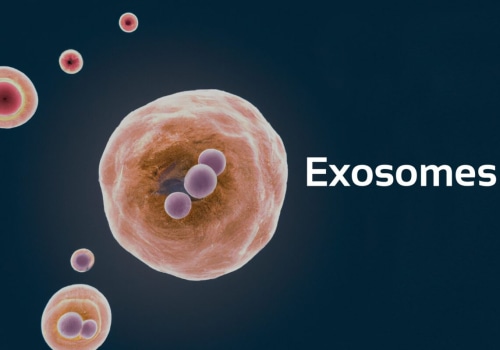
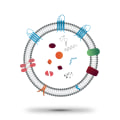
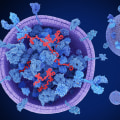
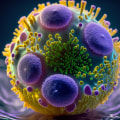
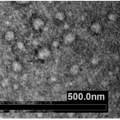
Exosomes are fascinating extracellular vesicles that play a crucial role in intercellular communication. These tiny structures, typically ranging from 30 to 150 nanometers in diameter, are secreted by various cell types and are found in numerous biological fluids, including blood, urine, and saliva. Their discovery has opened new avenues in the field of regenerative medicine , as they are now recognised for their potential therapeutic applications.To understand exosomes, it is essential to grasp their origin. They are formed within the endosomal system of cells and are released into the extracellular space when multivesicular bodies fuse with the plasma membrane.
This process allows exosomes to carry a diverse array of biomolecules, including proteins, lipids, and nucleic acids, which can influence the behaviour of recipient cells. The ability of exosomes to transfer these molecular signals makes them vital players in various physiological and pathological processes.The functions of exosomes extend far beyond mere cellular waste disposal. They are involved in numerous biological activities such as immune response modulation, tissue repair, and even the progression of diseases like cancer. By facilitating communication between cells, exosomes can help orchestrate complex biological responses, making them a focal point of research aimed at harnessing their potential for therapeutic interventions.As we delve deeper into the world of exosomes throughout this article, it will become evident how these remarkable vesicles contribute to healing and regeneration.
Understanding their fundamental properties and functions is key to appreciating their long-lasting effects in medical treatments.
The Role of Exosomes in Regenerative Medicine
Exosomes have emerged as a pivotal component in the realm of regenerative medicine, offering innovative solutions for various medical conditions. These nanoscale vesicles, secreted by cells, play a crucial role in intercellular communication, facilitating the transfer of proteins, lipids, and genetic material. This unique ability positions exosomes as powerful agents in promoting tissue repair and regeneration.One of the primary benefits of exosomes in regenerative medicine is their capacity to modulate immune responses. By delivering specific signals to target cells, exosomes can help reduce inflammation and promote healing.This is particularly beneficial in conditions such as autoimmune diseases, where the immune system attacks healthy tissues. Through their immunomodulatory properties, exosomes can help restore balance and support the body’s natural healing processes.Moreover, exosome therapy has shown promise in enhancing the regeneration of damaged tissues. For instance, in orthopaedic applications, exosomes derived from mesenchymal stem cells (MSCs) have been found to stimulate cartilage repair and improve joint function. The bioactive molecules contained within these exosomes can promote cell proliferation and differentiation, leading to improved outcomes in patients suffering from degenerative joint diseases.In addition to their regenerative capabilities, exosomes also serve as effective delivery vehicles for therapeutic agents. This is particularly beneficial in conditions such as autoimmune diseases, where the immune system attacks healthy tissues. Through their immunomodulatory properties, exosomes can help restore balance and support the body’s natural healing processes.Moreover, exosome therapy has shown promise in enhancing the regeneration of damaged tissues. For instance, in orthopaedic applications, exosomes derived from mesenchymal stem cells (MSCs) have been found to stimulate cartilage repair and improve joint function. The bioactive molecules contained within these exosomes can promote cell proliferation and differentiation, leading to improved outcomes in patients suffering from degenerative joint diseases.In addition to their regenerative capabilities, exosomes also serve as effective delivery vehicles for therapeutic agents.
Their natural origin allows them to evade the immune system, making them ideal candidates for targeted drug delivery. Researchers are exploring the potential of engineering exosomes to carry specific drugs or genetic materials directly to diseased cells, thereby increasing treatment efficacy while minimising side effects.The mechanisms through which exosomes exert their effects are multifaceted. They can influence cellular behaviour by activating signalling pathways that promote survival and growth. Furthermore, exosomes can facilitate communication between stem cells and target tissues, enhancing the overall regenerative process.As research continues to unfold, the potential applications of exosomes in regenerative medicine are expanding rapidly.
From treating chronic wounds to addressing neurodegenerative disorders, the versatility of exosome therapy holds great promise for future medical advancements.
How Exosome Therapy Works
Exosome therapy is a cutting-edge approach in regenerative medicine that harnesses the power of exosomes—tiny vesicles secreted by cells that play a crucial role in intercellular communication. Understanding how this therapy works involves delving into several key processes: extraction, preparation, and administration.Extraction of Exosomes
The first step in exosome therapy is the extraction of these vesicles from their source, typically stem cells. Stem cells are chosen for their ability to produce a high yield of exosomes, which contain proteins, lipids, and genetic material that can influence cellular behaviour. The extraction process generally involves:
- Cell Culture: Stem cells are cultured in a controlled environment to promote growth and exosome production.
- Isolation: Once a sufficient number of exosomes are produced, they are isolated using techniques such as ultracentrifugation or filtration.
These methods separate exosomes from other cellular components.
- Characterisation: The isolated exosomes are then characterised to ensure their purity and functionality, often through methods like nanoparticle tracking analysis or electron microscopy.
Preparation for Treatment
After extraction, the next phase is preparation for therapeutic use. This involves:
- Formulation: Exosomes may be formulated with specific additives to enhance their stability and efficacy during storage and administration.
- Dosing: Determining the appropriate dosage is critical. Factors such as the patient's condition and the intended therapeutic outcome guide this decision.
- Quality Control: Rigorous quality control measures are implemented to ensure that the exosomes meet safety and efficacy standards before they are administered to patients.
Administration Methods
The final step in the exosome treatment process is administration. There are several methods through which exosomes can be delivered to the patient, including:
- Intravenous Injection: This is one of the most common methods, allowing for systemic distribution of exosomes throughout the body.
- Local Injections: For targeted therapies, exosomes can be injected directly into affected areas, such as joints or tissues requiring regeneration.
- Intranasal Delivery: Emerging research suggests that intranasal delivery may be effective for neurological conditions, as it allows exosomes to bypass the blood-brain barrier.
Each step plays a vital role in ensuring that patients receive safe and effective care tailored to their specific needs.
The Longevity of Exosome Effects: What Research Shows
Understanding the longevity of the effects of exosome therapy is crucial for patients considering this innovative treatment. Recent research has begun to shed light on how long the benefits of exosomes can last, providing valuable insights into their potential as a long-term solution for various health issues.Studies have indicated that the effects of exosome therapy can persist for several months, and in some cases, even years. For instance, a study published in the Journal of Extracellular Vesicles highlighted that patients receiving exosome treatments for joint pain reported significant improvements that lasted up to 12 months post-treatment. This suggests that exosomes may not only facilitate immediate healing but also contribute to sustained recovery.Moreover, the longevity of exosome effects can be attributed to their unique properties.Exosomes are known to carry a variety of bioactive molecules, including proteins, lipids, and RNA, which play a pivotal role in cellular communication and regeneration. These components can stimulate tissue repair and modulate immune responses, leading to prolonged therapeutic outcomes.Another important aspect to consider is the individual variability in response to exosome therapy. Factors such as age, overall health, and the specific condition being treated can influence how long the effects last. For example, younger patients or those with less severe conditions may experience longer-lasting benefits compared to older individuals or those with chronic ailments.In addition to clinical observations, ongoing research continues to explore the mechanisms behind the durability of exosome effects.
A recent investigation into the molecular pathways activated by exosomes revealed that they can induce long-term changes in gene expression within target cells. This epigenetic modulation may explain why some patients experience enduring improvements long after their initial treatment.In conclusion, while more extensive studies are needed to fully understand the longevity of exosome therapy effects, current evidence suggests that they can provide lasting benefits for many patients. As research progresses, it is likely that we will gain further insights into optimising treatment protocols and enhancing the sustainability of results.
Factors Influencing the Duration of Exosome Effects
The longevity of the effects of exosomes is influenced by a variety of factors, each playing a crucial role in determining how long the benefits of exosome therapy can be expected to last. Understanding these factors is essential for patients and practitioners alike, as it helps set realistic expectations regarding treatment outcomes.Individual Health Conditions
One of the primary factors affecting the duration of exosome effects is the individual’s overall health condition.Patients with chronic illnesses or underlying health issues may experience different outcomes compared to those in optimal health. For instance:
- Immune System Function: A robust immune system can enhance the effectiveness of exosome therapy, allowing for prolonged benefits. Conversely, individuals with compromised immune systems may not experience the same level of efficacy.
- Age: Age-related changes in cellular function can impact how well exosomes work. Older adults may have a diminished response to therapy due to slower regenerative processes.
- Genetic Factors: Genetic predispositions can also play a role in how an individual responds to exosome treatment, influencing both the immediate and long-term effects.
Lifestyle Choices
Lifestyle choices significantly impact the longevity of exosome effects.Engaging in healthy behaviours can enhance the benefits derived from exosome therapy:
- Nutrition: A balanced diet rich in antioxidants and essential nutrients supports cellular health and can prolong the positive effects of exosomes.
- Exercise: Regular physical activity promotes circulation and overall well-being, which can help maintain the benefits gained from exosome treatments.
- Stress Management: Chronic stress can negatively affect healing processes. Implementing stress-reduction techniques such as meditation or yoga may enhance the longevity of exosome effects.
Comparing Exosomes to Other Therapies
When considering treatment options for various health conditions, it is essential to evaluate the effectiveness and longevity of different therapies.Exosomes, as a relatively new approach in regenerative medicine, offer unique advantages when compared to traditional treatments such as stem cell therapy and other conventional methods.
Exosomes vs. Stem Cells
While both exosomes and stem cells are derived from living tissues, their mechanisms of action differ significantly. Stem cells have the potential to differentiate into various cell types, which can be beneficial for tissue regeneration. However, this process can be complex and may involve ethical considerations, particularly when using embryonic stem cells.In contrast, exosomes are nanoscale vesicles that facilitate communication between cells.
They carry proteins, lipids, and genetic material that can modulate the behaviour of target cells without the need for direct cellular integration. This means that exosome therapy can promote healing and regeneration without the complications associated with stem cell differentiation.
Comparison with Other Therapies
When comparing exosome therapy to other treatment modalities such as pharmacological interventions or surgical procedures, several key differences emerge:
- Minimally Invasive: Exosome therapy is typically administered through injections, making it less invasive than surgical options.
- Fewer Side Effects: Traditional medications often come with a range of side effects due to their systemic nature. Exosomes, being naturally occurring substances, tend to have a more favourable safety profile.
- Enhanced Longevity of Effects: Research indicates that the effects of exosome therapy can last longer than those of conventional treatments. This is largely due to their ability to stimulate endogenous repair mechanisms within the body.
Advantages of Exosomes Over Traditional Treatments
The advantages of choosing exosome therapy over traditional treatments are becoming increasingly evident:
- Targeted Action: Exosomes can be engineered to deliver specific therapeutic agents directly to the affected tissues, enhancing treatment efficacy.
- Natural Healing: By harnessing the body’s own regenerative processes, exosomes promote healing in a way that aligns with natural biological functions.
- Broader Applications: Exosome therapy has shown promise in treating a variety of conditions, from degenerative diseases to injuries, making it a versatile option in regenerative medicine.
As research continues to unfold, the role of exosomes in therapeutic applications is likely to expand further, offering hope for patients seeking innovative solutions for their health challenges.
Future Directions in Exosome Research and Therapy
The field of exosome research is rapidly evolving, with numerous studies underway that aim to unlock the full potential of these remarkable vesicles in various therapeutic applications. As scientists delve deeper into the mechanisms of exosome function, we are beginning to see a clearer picture of how they can be harnessed for innovative treatments.Advancements in Exosome Research
- Recent advancements have focused on the isolation and characterization of exosomes, improving our understanding of their composition and the specific roles they play in intercellular communication.
- Researchers are exploring the use of engineered exosomes, which can be tailored to deliver specific therapeutic agents directly to target cells, enhancing the efficacy of treatments.
- Studies are also investigating the potential of exosomes as biomarkers for various diseases, providing a non-invasive method for early diagnosis and monitoring treatment responses.
Potential New Applications for Exosomes
- Oncology: One of the most promising areas for exosome therapy is in cancer treatment. Exosomes derived from immune cells may be used to stimulate anti-tumour responses or deliver chemotherapeutic agents directly to cancer cells, minimising damage to healthy tissue.
- Neurology: Exosomes have shown potential in treating neurodegenerative diseases by facilitating the transport of neuroprotective factors across the blood-brain barrier, which could lead to new therapies for conditions like Alzheimer’s and Parkinson’s disease.
- Cardiovascular Health: Research is also being conducted on the role of exosomes in cardiac repair following injury. They may promote regeneration and healing in heart tissues after myocardial infarction.
As our understanding deepens, we can expect to see a surge in new therapies that leverage the unique properties of exosomes, potentially transforming how we approach treatment across a variety of medical fields.
Frequently Asked Questions About Exosomes
As the field of regenerative medicine continues to evolve, many individuals are left with questions regarding exosomes and their therapeutic applications. Below, we address some of the most frequently asked questions to help clarify common misconceptions and provide a deeper understanding of this innovative treatment.What are exosomes?
Exosomes are small extracellular vesicles that are secreted by various types of cells, including stem cells. They play a crucial role in cell communication and are involved in the transfer of proteins, lipids, and genetic material between cells. This unique ability allows exosomes to influence the behaviour of recipient cells, making them a focal point in regenerative therapies.How do exosome therapies work?
Exosome therapies harness the natural healing properties of these vesicles.When administered, exosomes can promote tissue repair, reduce inflammation, and enhance cellular regeneration. They achieve this by delivering bioactive molecules that stimulate the body’s own healing processes.
Are there any side effects associated with exosome therapy?
While exosome therapy is generally considered safe, some patients may experience mild side effects such as temporary swelling or discomfort at the injection site. It is essential to consult with a qualified healthcare provider to discuss potential risks and benefits tailored to individual health conditions.Can exosomes be used for all types of conditions?
Exosome therapy shows promise for a variety of conditions, including joint pain, skin rejuvenation, and even neurological disorders. However, ongoing research is necessary to fully understand their efficacy across different medical issues.Always consult with a specialist to determine if this treatment is suitable for your specific needs.
Are there any myths about exosome therapy?
- Myth: Exosome therapy is just another form of stem cell therapy.
- Fact: While both involve stem cells, exosome therapy specifically utilises the vesicles produced by these cells, which have distinct mechanisms of action.
- Myth: Exosome treatments are unregulated and unsafe.
- Fact: Reputable clinics follow strict guidelines and protocols to ensure safety and efficacy in their treatments.
Conclusion: Key Takeaways on Exosomes and Their Lasting Impact
In summary, the exploration of exosomes and their therapeutic potential has unveiled a new frontier in regenerative medicine. As we have discussed, these minute extracellular vesicles play a pivotal role in cell communication and have shown remarkable promise in various medical applications.One of the most significant aspects of exosome therapy is its ability to promote healing and regeneration at a cellular level. By facilitating the transfer of proteins, lipids, and genetic material between cells, exosomes can enhance tissue repair and modulate immune responses. This mechanism not only aids in recovery from injuries but also holds potential for treating chronic conditions.Moreover, the longevity of the effects of exosome treatments is a critical factor to consider.While individual responses may vary, many patients report sustained improvements long after the initial treatment. This durability can be attributed to the regenerative processes initiated by exosomes, which continue to influence cellular behaviour over time.It is also essential to recognise that ongoing research is crucial for fully understanding the long-term impacts of exosome therapy. As scientists delve deeper into the complexities of these vesicles, we can expect to uncover more about their mechanisms and potential applications. This knowledge will not only enhance treatment protocols but also ensure that patients receive the most effective care possible.In conclusion, the long-lasting effects of exosomes represent a significant advancement in therapeutic strategies.
Their ability to facilitate healing and regeneration positions them as a valuable tool in modern medicine. As we continue to explore their potential, it is vital for both practitioners and patients to stay informed about the evolving landscape of exosome research and its implications for health and wellness.