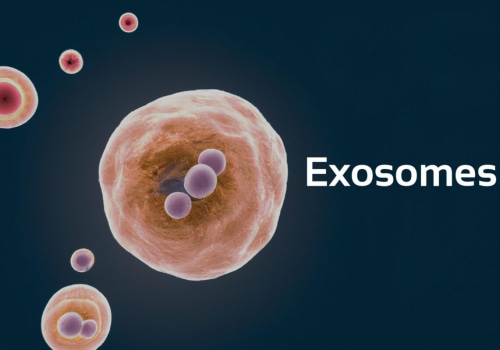
Exosomes are small extracellular vesicles, typically ranging from 30 to 150 nanometres in diameter, that play a pivotal role in intercellular communication. These vesicles are secreted by various cell types and are found in numerous biological fluids, including blood, urine, and saliva. Their composition is rich in proteins, lipids, and nucleic acids, particularly microRNAs (miRNAs), which are crucial for mediating cellular processes. The significance of exosomes extends beyond mere cellular waste disposal; they are instrumental in transferring molecular signals between cells, thereby influencing a multitude of physiological and pathological processes.The primary function of exosomes lies in their ability to facilitate communication between cells.
They act as carriers of bioactive molecules, enabling the transfer of genetic information and proteins that can modulate the behaviour of recipient cells. This function is particularly important in the immune system, where exosomes can influence immune responses by delivering antigens or immunomodulatory factors. For instance, exosomes derived from antigen-presenting cells can enhance T cell activation, while those from regulatory T cells may suppress immune responses, highlighting their dual role in promoting tolerance and immunity.Moreover, the role of exosomes extends into the realm of disease pathology. In autoimmune diseases, these vesicles can contribute to the dysregulation of immune responses.
They may carry autoantigens that trigger inappropriate immune reactions or deliver miRNAs that alter gene expression in target cells, exacerbating inflammation and tissue damage. Understanding the intricate functions of exosomes is essential for unraveling their potential as biomarkers for early disease detection and as therapeutic agents aimed at restoring immune balance.
The Link Between Exosomes and Autoimmune Diseases
Exosomes have emerged as pivotal players in the complex landscape of autoimmune diseases, acting as mediators of intercellular communication and influencing immune responses. These nanoscale vesicles, secreted by various cell types, carry a diverse array of biomolecules, including proteins, lipids, and nucleic acids, which can significantly impact the pathophysiology of autoimmune conditions.One of the primary mechanisms by which exosomes contribute to autoimmune diseases is through their role in modulating immune cell behaviour. For instance, exosomes derived from activated immune cells can enhance the activation and proliferation of T cells, leading to an exacerbation of autoimmune responses.Conversely, exosomes from regulatory T cells (Tregs) can promote tolerance and suppress inflammatory responses, highlighting their dual role in immune regulation.In conditions such as rheumatoid arthritis (RA) and systemic lupus erythematosus (SLE), exosomes have been shown to carry specific microRNAs (miRNAs) that can alter gene expression in recipient cells. These miRNAs can either promote inflammation or facilitate tissue repair, depending on the context. For example, exosomal miRNAs from patients with RA have been implicated in driving synovial inflammation and joint destruction.Moreover, the composition of exosomes can vary significantly between healthy individuals and those with autoimmune diseases. This variation not only reflects the underlying pathological processes but also offers potential for diagnostic applications.
By analysing the content of exosomes in bodily fluids such as blood or synovial fluid, researchers may identify biomarkers that could aid in early diagnosis or monitoring of disease progression.Furthermore, exosomes play a crucial role in the transfer of autoantigens between cells, which can perpetuate the cycle of autoimmunity. In diseases like multiple sclerosis (MS), exosomes may facilitate the presentation of myelin-derived antigens to autoreactive T cells, thereby contributing to demyelination and neuroinflammation.In summary, the intricate relationship between exosomes and autoimmune diseases underscores their potential as both biomarkers and therapeutic targets. Understanding the specific roles that exosomes play in these conditions could pave the way for novel strategies aimed at modulating immune responses and improving patient outcomes.
Exosomes in Autoimmune Thyroid Diseases (AITDs)
Autoimmune thyroid diseases (AITDs), including conditions such as Hashimoto's thyroiditis and Graves' disease, are characterised by the immune system mistakenly attacking the thyroid gland. This dysregulation leads to significant alterations in thyroid function and can result in a range of symptoms affecting metabolism, energy levels, and overall health.Recent research has highlighted the pivotal role of exosomes in mediating these autoimmune responses, particularly through their influence on immune cell differentiation and inflammatory processes.Exosomes are small extracellular vesicles that facilitate intercellular communication by transporting proteins, lipids, and nucleic acids between cells. In the context of AITDs, exosomes derived from thyroid cells and immune cells have been shown to carry specific microRNAs (miRNAs) and proteins that can modulate immune responses. For instance, exosomes from thyroid follicular cells can influence the differentiation of T helper cells, particularly the balance between regulatory T cells (Tregs) and T helper 17 cells (Th17), which is crucial in maintaining immune tolerance.The imbalance between Tregs and Th17 cells is a hallmark of AITDs. Tregs are essential for suppressing excessive immune responses, while Th17 cells promote inflammation.
Exosomes can carry signals that either enhance or inhibit these pathways. Studies have indicated that exosomes from patients with AITDs may contain elevated levels of pro-inflammatory cytokines and miRNAs that promote Th17 differentiation, thereby exacerbating the autoimmune response.Moreover, exosomes play a significant role in the inflammatory milieu associated with AITDs. They can transport inflammatory mediators that contribute to the local thyroid inflammation seen in conditions like Hashimoto's thyroiditis. This inflammation not only damages thyroid tissue but also perpetuates a cycle of autoimmunity by further activating immune cells.Understanding the specific mechanisms by which exosomes influence AITDs opens new avenues for potential therapeutic interventions.
By targeting exosome-mediated pathways, it may be possible to restore balance in immune responses and mitigate the progression of these diseases. Furthermore, exosomes hold promise as biomarkers for early detection and monitoring of AITDs, providing valuable insights into disease activity and treatment efficacy.
Exosome-Derived Biomarkers: Potential for Diagnosis and Treatment
Exosomes, the nanoscale extracellular vesicles secreted by various cell types, have emerged as promising candidates for biomarkers in the diagnosis and treatment of autoimmune diseases. Their unique composition, which includes proteins, lipids, and nucleic acids, reflects the physiological state of their parent cells, making them invaluable for understanding disease mechanisms.Diagnostic Potential of Exosomes
- Early Detection: The ability of exosomes to carry specific molecular signatures associated with autoimmune diseases allows for the potential of early diagnosis. For instance, alterations in the levels of certain microRNAs (miRNAs) within exosomes have been linked to conditions such as rheumatoid arthritis and lupus.
By analysing these exosomal contents, clinicians may be able to identify disease onset before clinical symptoms manifest.
- Non-Invasive Sampling: One of the most significant advantages of using exosomes as biomarkers is the non-invasive nature of their collection. Exosomes can be isolated from various biological fluids, including blood, urine, and saliva. This accessibility facilitates routine monitoring and screening processes, enhancing patient compliance and comfort.
- Specificity and Sensitivity: Exosome-derived biomarkers can offer high specificity and sensitivity for particular autoimmune diseases. For example, studies have shown that specific protein profiles in exosomes can differentiate between various types of autoimmune disorders, aiding in accurate diagnosis and tailored treatment approaches.
Treatment Strategies Using Exosomes
- Therapeutic Delivery: Beyond their diagnostic capabilities, exosomes hold therapeutic potential as delivery vehicles for drugs or genetic material.
Their natural ability to fuse with target cells allows for efficient transfer of therapeutic agents directly to affected tissues, minimising side effects associated with conventional treatments.
- Immunomodulation: Exosomes derived from mesenchymal stem cells (MSCs) have demonstrated immunomodulatory properties that can be harnessed to treat autoimmune diseases. These exosomes can modulate immune responses by influencing T cell activation and promoting regulatory T cell differentiation, thereby restoring immune balance.
- Personalised Medicine: The use of exosome profiling in conjunction with patient-specific data could pave the way for personalised treatment strategies. By tailoring therapies based on individual exosomal signatures, healthcare providers can optimise treatment efficacy and minimise adverse effects.
Inflammation and Its Relationship with Exosomes in Autoimmunity
Inflammation is a fundamental biological response that plays a pivotal role in the pathogenesis of autoimmune diseases.It serves as the body’s protective mechanism against harmful stimuli, such as pathogens and damaged cells. However, in autoimmune conditions, this response can become dysregulated, leading to chronic inflammation that contributes to tissue damage and disease progression.
Exosomes
, which are small extracellular vesicles secreted by various cell types, have emerged as significant players in modulating inflammatory processes within the context of autoimmunity. These vesicles carry a diverse array of biomolecules, including proteins, lipids, and nucleic acids, which can influence the behaviour of recipient cells and alter immune responses.Research has demonstrated that exosomes derived from activated immune cells can enhance inflammatory responses by delivering pro-inflammatory cytokines and other mediators to target cells. For instance, exosomes from macrophages stimulated with lipopolysaccharides (LPS) have been shown to contain elevated levels of inflammatory cytokines such as TNF-α and IL-6.This suggests that exosomes can propagate inflammation by facilitating communication between immune cells.Conversely, exosomes can also exert anti-inflammatory effects.
Exosomes derived from mesenchymal stem cells (MSCs) have been found to possess immunomodulatory properties that can suppress excessive inflammation. These MSC-derived exosomes can inhibit the activation of T cells and reduce the secretion of inflammatory cytokines, thereby promoting a more balanced immune response.The dual role of exosomes in inflammation highlights their potential as therapeutic targets in autoimmune diseases. By understanding how exosomes influence inflammatory pathways, researchers can develop strategies to harness their properties for therapeutic benefit. For example, manipulating the content of exosomes or using them as delivery vehicles for anti-inflammatory agents could provide new avenues for treatment.In summary, the relationship between inflammation and exosomes in autoimmune diseases is complex and multifaceted.
Exosomes not only facilitate communication between immune cells but also play a crucial role in determining the outcome of inflammatory responses. Further research into this relationship will be essential for developing innovative therapies aimed at modulating inflammation in autoimmune conditions.
Therapeutic Applications of Exosomes in Autoimmune Disorders
The therapeutic potential of exosomes, particularly those derived from mesenchymal stem cells (MSCs), has garnered significant attention in the realm of autoimmune disorders. These tiny vesicles are not merely cellular debris; they are sophisticated carriers of bioactive molecules, including proteins, lipids, and nucleic acids, which can modulate immune responses and promote tissue repair.One of the most compelling aspects of exosome therapy is their ability to influence the immune system. Exosomes derived from MSCs have been shown to possess potent immunomodulatory effects.They can interact with various immune cells, such as T cells, B cells, and dendritic cells, thereby altering their activation and proliferation. This interaction can lead to a reduction in inflammatory responses, which is particularly beneficial in the context of autoimmune diseases where the immune system mistakenly attacks healthy tissues.Research indicates that MSC-derived exosomes can:
- Inhibit T cell activation: By downregulating pro-inflammatory cytokines and promoting regulatory T cell (Treg) differentiation, exosomes help restore balance in the immune system.
- Modulate B cell function: Exosomes can influence antibody production by B cells, potentially reducing the autoantibody levels that contribute to autoimmune pathology.
- Promote tissue regeneration: The regenerative properties of MSC-derived exosomes can aid in repairing damaged tissues affected by autoimmune processes.
Their ability to modulate immune responses and promote healing positions them as a valuable tool in the ongoing battle against these complex diseases.
Exosomes in Vasculitis: Understanding Their Role
Vasculitis encompasses a diverse group of inflammatory autoimmune diseases that primarily target the blood vessels, leading to significant morbidity and mortality. The role of exosomes in vasculitis is an emerging area of research, shedding light on their potential contributions to both the pathogenesis and treatment of these complex conditions.Exosomes are nanoscale extracellular vesicles that facilitate intercellular communication by transporting proteins, lipids, and nucleic acids. In the context of vasculitis, exosomes derived from various cell types, including endothelial cells, immune cells, and platelets, play a pivotal role in modulating inflammatory responses. They can carry pro-inflammatory mediators that exacerbate vascular inflammation or anti-inflammatory signals that may help mitigate tissue damage.The Pathogenic Role of Exosomes in Vasculitis
Research indicates that exosomes can influence the progression of vasculitis through several mechanisms:- Immune Activation: Exosomes can present antigens to T cells, promoting their activation and proliferation.
This process can lead to an exacerbation of the autoimmune response characteristic of vasculitis.
- Cytokine Release: Exosomes are known to carry cytokines such as TNF-alpha and IL-6, which are crucial in driving inflammation. Elevated levels of these cytokines in exosomes have been associated with increased disease activity in vasculitis patients.
- Endothelial Dysfunction: Exosomes released from activated immune cells can induce endothelial cell injury, contributing to vascular damage and the clinical manifestations of vasculitis.
Potential Therapeutic Applications of Exosomes
The therapeutic potential of exosomes in treating vasculitis is a promising avenue for future research. Some potential applications include:- Biomarkers for Diagnosis: The unique molecular signatures found in exosomes could serve as biomarkers for early diagnosis and monitoring disease activity in vasculitis patients.
- Targeted Therapy: Engineering exosomes to deliver anti-inflammatory agents directly to inflamed tissues may enhance therapeutic efficacy while minimising systemic side effects.
- Immunomodulation: Exosomes derived from mesenchymal stem cells (MSCs) have shown immunosuppressive properties, potentially offering a novel approach to dampen the hyperactive immune response seen in vasculitis.
Future Directions: Research and Clinical Implications of Exosome Studies
The exploration of exosomes in the context of autoimmune diseases is still in its infancy, and numerous avenues for future research remain.Understanding the intricate roles that exosomes play in these complex conditions is essential for developing effective diagnostic and therapeutic strategies.One promising direction for future research is the detailed characterization of exosomal contents across various autoimmune diseases. This includes identifying specific microRNAs , proteins, and lipids that are uniquely expressed in the exosomes of patients with conditions such as rheumatoid arthritis, lupus, and multiple sclerosis. By establishing a comprehensive profile of exosomal biomarkers, researchers can enhance early detection methods and improve patient stratification for tailored therapies.Additionally, investigating the mechanisms by which exosomes influence immune cell behaviour is crucial. Future studies should focus on how exosomes derived from different cell types interact with immune cells, particularly in the context of inflammation and tolerance.
Understanding these interactions could lead to novel immunomodulatory therapies that harness the natural properties of exosomes to restore immune balance.Another vital area for exploration is the therapeutic potential of exosome-based treatments. Clinical trials assessing the efficacy of exosome therapies derived from mesenchymal stem cells (MSCs) are already underway, but more extensive studies are needed to evaluate their safety and effectiveness across diverse patient populations. Research should also explore the optimal methods for isolating and administering exosomes to maximise their therapeutic benefits.Furthermore, advancements in technology, such as nanotechnology and bioengineering , could facilitate the development of engineered exosomes with enhanced targeting capabilities. These innovations may allow for more precise delivery of therapeutic agents directly to affected tissues, minimising side effects and improving treatment outcomes.In conclusion, the future of exosome research in autoimmune diseases holds significant promise.
By focusing on characterisation, mechanistic understanding, therapeutic applications, and technological advancements, we can unlock the full potential of exosomes as both biomarkers and treatment modalities. This will not only enhance our understanding of autoimmune pathogenesis but also pave the way for innovative clinical practices that could transform patient care.
Conclusion: The Promise of Exosomes in Autoimmune Disease Management
In conclusion, the exploration of exosomes in the realm of autoimmune diseases presents a promising frontier in both understanding and managing these complex conditions. Throughout this article, we have delved into the multifaceted roles that exosomes play, from their involvement in immune regulation to their potential as biomarkers for early detection and therapeutic agents.One of the most significant insights gained is the ability of exosomes to influence immune responses. Their capacity to carry a diverse array of biomolecules, including proteins and microRNAs, allows them to modulate the behaviour of immune cells.This modulation can either promote or suppress inflammatory responses, which is particularly crucial in autoimmune diseases where the immune system mistakenly attacks healthy tissues.Moreover, the therapeutic potential of exosomes derived from mesenchymal stem cells (MSCs) has been highlighted as a groundbreaking approach. These exosomes not only exhibit immunomodulatory properties but also possess the ability to reduce inflammation and promote tissue repair. As research continues to unfold, it is likely that we will see an increase in clinical applications leveraging exosome therapy for conditions such as rheumatoid arthritis, lupus, and multiple sclerosis.Furthermore, the role of exosomes as biomarkers cannot be overstated. Their presence in bodily fluids offers a non-invasive means to monitor disease progression and response to treatment.
This could revolutionise how healthcare providers approach diagnosis and management, allowing for more personalised treatment plans tailored to individual patient needs.As we look to the future, it is imperative that further research is conducted to fully elucidate the mechanisms by which exosomes operate within the context of autoimmune diseases. Understanding these mechanisms will not only enhance our knowledge but also pave the way for innovative therapeutic strategies that could significantly improve patient outcomes.In summary, the promise of exosomes in autoimmune disease management is vast and multifaceted. By continuing to investigate their roles and applications, we stand on the brink of potentially transformative advancements in how we understand and treat these challenging conditions.