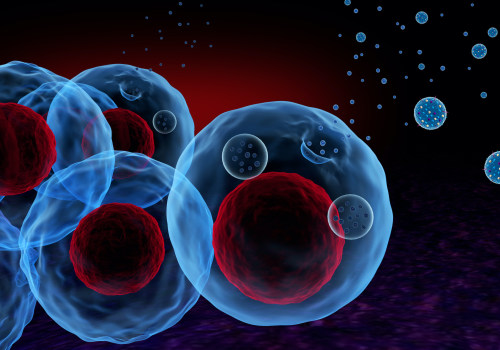
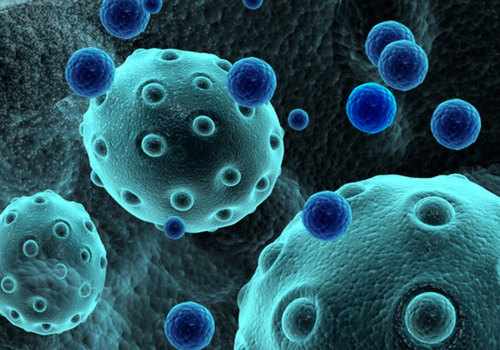
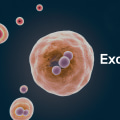
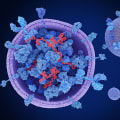
Exosomes are small extracellular vesicles that play a crucial role in intercellular communication, particularly in the context of cancer. These vesicles, typically ranging from 30 to 150 nanometres in diameter, are secreted by various cell types, including those associated with tumours. Their composition is rich in proteins, lipids, and nucleic acids, which makes them a valuable source of information about the physiological state of their parent cells. As such, exosomes have emerged as significant players in cancer research, offering insights into tumour biology and the potential for non-invasive diagnostic tools.The origin of exosomes can be traced back to the endosomal system of cells. Exosomes are small extracellular vesicles that play a crucial role in intercellular communication, particularly in the context of cancer. These vesicles, typically ranging from 30 to 150 nanometres in diameter, are secreted by various cell types, including those associated with tumours. Their composition is rich in proteins, lipids, and nucleic acids, which makes them a valuable source of information about the physiological state of their parent cells. As such, exosomes have emerged as significant players in cancer research, offering insights into tumour biology and the potential for non-invasive diagnostic tools.The origin of exosomes can be traced back to the endosomal system of cells.
When a cell engulfs material from its environment, it forms an early endosome that matures into a late endosome. This late endosome can then bud off to form multivesicular bodies (MVBs), which ultimately release exosomes into the extracellular space upon fusion with the plasma membrane. This process not only facilitates the removal of cellular waste but also allows for the transfer of molecular signals between cells, thereby influencing various biological processes.In the realm of oncology, the significance of exosomes cannot be overstated. They carry molecular signatures that reflect the genetic and phenotypic characteristics of their originating tumour cells.
This unique property positions exosomes as promising cancer biomarkers , enabling researchers and clinicians to detect malignancies at earlier stages than traditional methods allow. By analysing the content of exosomes found in body fluids such as blood or urine, it may be possible to identify specific mutations or alterations associated with different cancer types.As we delve deeper into the potential applications of exosomes in cancer diagnostics and therapeutics, it becomes increasingly clear that these tiny vesicles hold immense promise. Their ability to provide real-time insights into tumour dynamics and response to treatment could revolutionise how we approach cancer management, paving the way for more personalised and effective strategies. , enabling researchers and clinicians to detect malignancies at earlier stages than traditional methods allow. By analysing the content of exosomes found in body fluids such as blood or urine, it may be possible to identify specific mutations or alterations associated with different cancer types.As we delve deeper into the potential applications of exosomes in cancer diagnostics and therapeutics, it becomes increasingly clear that these tiny vesicles hold immense promise. Their ability to provide real-time insights into tumour dynamics and response to treatment could revolutionise how we approach cancer management, paving the way for more personalised and effective strategies.
What Are Exosomes?
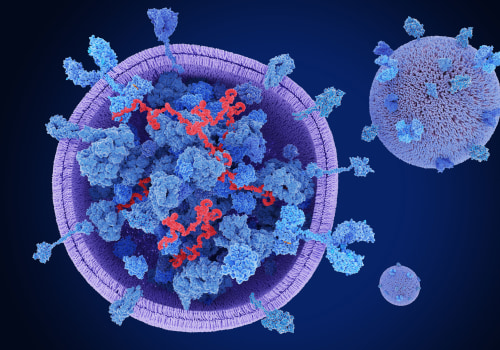
Exosomes are small extracellular vesicles that play a pivotal role in intercellular communication. They are typically defined as membrane-bound particles ranging from 30 to 150 nanometres in diameter, which are released by various cell types into the extracellular environment.These vesicles are formed through a complex process involving the inward budding of the plasma membrane, leading to the creation of multivesicular bodies (MVBs). When these MVBs fuse with the plasma membrane, they release their contents into the extracellular space, resulting in the formation of exosomes.The composition of exosomes is remarkably diverse, containing a variety of biomolecules that reflect their cellular origin. This includes:
- Proteins: Exosomes carry a range of proteins, including those involved in cell signalling, adhesion, and metabolism. These proteins can serve as potential biomarkers for various diseases, including cancer.
- Nucleic Acids: Exosomes are rich in RNA species, such as mRNA and microRNA (miRNA), which can influence gene expression in recipient cells.
The presence of specific RNA molecules can indicate the physiological state of the originating cell.
- Lipids: The lipid bilayer of exosomes is crucial for their stability and functionality. The lipid composition can vary significantly depending on the cell type and its physiological condition.
This characteristic is particularly significant in cancer biology, where tumour-derived exosomes can modulate the tumour microenvironment and promote metastasis.In summary, understanding the definition and characteristics of exosomes is essential for appreciating their potential role as biomarkers in cancer diagnosis and treatment. Their unique properties not only enable them to serve as carriers of critical biological information but also position them as key players in the complex landscape of cellular communication.This characteristic is particularly significant in cancer biology, where tumour-derived exosomes can modulate the tumour microenvironment and promote metastasis.In summary, understanding the definition and characteristics of exosomes is essential for appreciating their potential role as biomarkers in cancer diagnosis and treatment. Their unique properties not only enable them to serve as carriers of critical biological information but also position them as key players in the complex landscape of cellular communication.
The Biological Significance of Exosomes
Exosomes play a crucial role in intercellular communication, acting as vehicles for the transfer of molecular information between cells. These extracellular vesicles are released by various cell types and are involved in numerous physiological processes, including immune response, tissue repair, and cellular homeostasis. Understanding the biological significance of exosomes is essential for appreciating their potential as cancer biomarkers.One of the primary functions of exosomes is to facilitate cellular communication.They carry a diverse array of biomolecules, such as proteins, lipids, and nucleic acids, which can influence the behaviour of recipient cells. For instance, exosomes derived from immune cells can modulate the activity of other immune cells, enhancing or suppressing immune responses. This ability to communicate and influence neighbouring cells is vital in maintaining physiological balance and responding to pathological conditions.In addition to their role in communication, exosomes are involved in various biological processes:
- Cellular Waste Management: Exosomes help in the removal of unwanted cellular components, thereby contributing to cellular homeostasis.
- Tissue Repair: Following injury, exosomes can promote healing by delivering growth factors and other molecules that stimulate tissue regeneration.
- Immune Modulation: Exosomes can carry immunomodulatory molecules that either activate or inhibit immune responses, playing a significant role in inflammation and autoimmunity.
- Pathogen Defence: Some exosomes can encapsulate and transport antimicrobial peptides or RNA molecules that help defend against infections.
This unique composition not only aids in cancer progression but also provides a window into the tumour microenvironment.In summary, the biological significance of exosomes extends far beyond mere cellular debris; they are integral to numerous physiological processes. Their ability to mediate communication between cells positions them as key players in both health and disease. As research continues to unveil their complexities, exosomes hold promise not only as biomarkers for early cancer detection but also as potential therapeutic targets in oncology.
Exosomes in Cancer: Mechanisms and Implications
Exosomes play a pivotal role in the complex landscape of cancer biology, influencing various mechanisms that contribute to tumour progression and metastasis. These nanoscale vesicles, secreted by both normal and cancerous cells, are rich in bioactive molecules such as proteins, lipids, and nucleic acids.Their ability to facilitate intercellular communication makes them crucial players in the tumour microenvironment.One of the primary mechanisms by which exosomes contribute to cancer progression is through their involvement in the modulation of the tumour microenvironment. Tumour cells release exosomes that can alter the behaviour of surrounding stromal cells, immune cells, and endothelial cells. For instance, exosomes derived from cancer cells can promote angiogenesis—the formation of new blood vessels—by delivering pro-angiogenic factors to endothelial cells. This process not only supports tumour growth by enhancing nutrient and oxygen supply but also facilitates the invasion of cancer cells into surrounding tissues.Moreover, exosomes can influence immune responses within the tumour microenvironment.
Cancer-derived exosomes often carry immunosuppressive molecules that can inhibit the activity of T-cells and natural killer (NK) cells, thereby allowing tumours to evade immune surveillance. This immunosuppressive effect is particularly significant as it highlights the potential of exosomes as targets for therapeutic intervention aimed at reactivating anti-tumour immunity.In addition to their role in modulating local environments, exosomes are instrumental in the process of metastasis—the spread of cancer from one part of the body to another. They can facilitate this process by transferring oncogenic signals to distant sites, preparing pre-metastatic niches that are conducive to tumour cell colonisation. For example, exosomes can carry specific proteins or RNA molecules that prime distant organs for incoming metastatic cells, enhancing their survival and proliferation.Given these multifaceted roles, studying exosomes offers significant implications for cancer treatment strategies.
By understanding how exosomes contribute to cancer progression, researchers can develop novel therapeutic approaches that target these vesicles. Potential strategies include using exosome inhibitors to block their secretion or employing engineered exosomes as delivery vehicles for anti-cancer drugs directly to tumour sites.In conclusion, the exploration of exosomes in cancer research is not only vital for understanding the underlying mechanisms of disease progression but also holds promise for innovative therapeutic interventions. As we continue to unravel the complexities of exosome biology, their potential as biomarkers and therapeutic targets will undoubtedly shape the future landscape of cancer treatment.
Exosomes as Cancer Biomarkers: Current Research and Findings
Recent studies have increasingly highlighted the role of exosomes as promising biomarkers in the early detection and monitoring of various cancers. These extracellular vesicles, secreted by both normal and malignant cells, carry a wealth of molecular information that reflects the physiological state of their parent cells.This section delves into current research findings that underscore the diagnostic potential of exosomes in oncology.One pivotal study published in Nature Communications demonstrated that exosomes derived from pancreatic cancer patients contained specific RNA signatures that could differentiate between cancerous and non-cancerous conditions. The researchers employed advanced sequencing techniques to analyse the exosomal RNA, revealing distinct patterns associated with tumour progression. This finding not only supports the use of exosomes as non-invasive biomarkers but also opens avenues for developing targeted therapies based on these molecular signatures.Another significant investigation focused on breast cancer, where exosomal proteins were analysed to identify potential biomarkers for early diagnosis. The study, featured in Cancer Research, identified elevated levels of certain proteins within exosomes from patients with early-stage breast cancer compared to healthy controls.
These proteins included HER2 and CD24, both known to play critical roles in tumour biology. The ability to detect these proteins in a simple blood test could revolutionise screening protocols, making them less invasive and more accessible.Furthermore, research has shown that exosomes can provide insights into treatment response and disease progression. A study published in Clinical Cancer Research tracked changes in exosomal content among lung cancer patients undergoing chemotherapy. The results indicated that alterations in exosomal RNA levels correlated with treatment efficacy, suggesting that monitoring these vesicles could help tailor therapeutic strategies for individual patients.The potential of exosomes as biomarkers extends beyond diagnosis; they also hold promise for prognostic applications.
For instance, a recent meta-analysis compiled data from multiple studies and concluded that specific exosomal markers are associated with poor prognosis in various cancers, including colorectal and ovarian cancers. This correlation underscores the importance of further exploring exosomal profiles to predict patient outcomes.In summary, the current body of research strongly supports the notion that exosomes are not merely by-products of cellular activity but rather valuable tools in cancer diagnostics and management. As methodologies for isolating and analysing these vesicles continue to improve, we can anticipate a future where exosome-based tests become integral components of routine clinical practice.
Advantages of Using Exosomes as Biomarkers
The use of exosomes as biomarkers in cancer diagnosis presents several compelling advantages over traditional diagnostic methods. These benefits not only enhance the accuracy of cancer detection but also improve the overall patient experience.Non-Invasiveness
One of the most significant advantages of using exosomes is their non-invasive nature.
Traditional cancer diagnostic techniques often involve invasive procedures such as biopsies, which can be painful and carry risks of complications. In contrast, exosomes can be isolated from easily accessible body fluids, including blood, urine, and saliva. This non-invasive approach not only reduces patient discomfort but also encourages more individuals to undergo regular screening, potentially leading to earlier detection of cancer.
Cost-Effectiveness
Another notable benefit is the cost-effectiveness associated with exosome-based diagnostics. Conventional cancer tests can be expensive due to the need for advanced imaging technologies or surgical interventions.
The extraction and analysis of exosomes require less complex equipment and procedures, which can significantly lower the overall costs. This affordability makes it feasible for a broader population to access essential diagnostic services, particularly in resource-limited settings.
Real-Time Insights
Exosomes provide real-time insights into the biological processes occurring within a patient’s body. As they are continuously released by cells, monitoring exosome levels can offer dynamic information about tumor progression or response to treatment. This capability allows for timely adjustments in therapeutic strategies, enhancing personalised medicine approaches.
For instance, a rise in specific exosomal markers may indicate disease recurrence or treatment resistance, prompting immediate clinical intervention.
Comprehensive Molecular Profile
Exosomes carry a rich cargo of molecular information, including proteins, lipids, and nucleic acids that reflect the state of their parent cells. This comprehensive molecular profile enables a more nuanced understanding of the tumour microenvironment and its interactions with surrounding tissues. By analysing these components, clinicians can gain insights into tumour heterogeneity and identify potential therapeutic targets that may not be evident through traditional diagnostic methods.In summary, the advantages of using exosomes as biomarkers in cancer diagnosis are manifold. Their non-invasive nature, cost-effectiveness, ability to provide real-time insights, and comprehensive molecular profiling make them a promising alternative to conventional diagnostic techniques.
As research continues to advance in this field, exosome-based diagnostics could revolutionise how we approach cancer detection and management.
Challenges and Limitations in Exosome Research
While the potential of exosomes as cancer biomarkers is promising, several challenges and limitations hinder their widespread application in clinical settings. Understanding these obstacles is essential for advancing research and improving diagnostic methodologies.One significant challenge is the isolation and characterization of exosomes. The current techniques for isolating exosomes, such as ultracentrifugation, precipitation, and size-exclusion chromatography, can vary in efficiency and yield. Each method has its own advantages and drawbacks, which can lead to inconsistencies in the quality and quantity of isolated exosomes.This variability can affect downstream analyses, making it difficult to standardize protocols across different laboratories.Moreover, the heterogeneity of exosomes poses another challenge. Exosomes are released by various cell types, including healthy and diseased cells, leading to a complex mixture of vesicles with diverse molecular compositions. This heterogeneity complicates the identification of specific biomarkers associated with particular cancer types or stages. Researchers must develop more refined methods to distinguish between exosomes derived from cancerous cells and those from normal cells.Additionally, the stability of exosomes in body fluids can be a limiting factor.
Although exosomes are generally stable due to their lipid bilayer membranes, factors such as storage conditions, temperature fluctuations, and the presence of enzymes can affect their integrity and functionality. Ensuring that exosomes remain stable during collection, storage, and analysis is crucial for reliable biomarker discovery.Another limitation is the lack of standardized biomarkers. While numerous studies have identified potential exosomal biomarkers for various cancers, there is currently no consensus on which markers are most reliable or clinically relevant. This lack of standardization makes it challenging to compare results across studies and hampers the translation of findings into clinical practice.Finally, regulatory hurdles also pose a significant barrier to the clinical application of exosome-based diagnostics.
The approval process for new diagnostic tests can be lengthy and complex, requiring extensive validation studies to demonstrate safety and efficacy. As research progresses, it will be essential to engage with regulatory bodies early in the development process to facilitate the transition from bench to bedside.In conclusion, while exosomes hold great promise as cancer biomarkers, addressing these challenges is vital for unlocking their full potential in cancer diagnosis and treatment.
Future Directions: The Path Ahead for Exosome Research in Oncology
The future of exosome research in oncology holds immense promise, particularly as advancements in technology and methodology continue to evolve. As scientists delve deeper into the molecular composition of exosomes, several key areas are emerging that could significantly enhance their utility as cancer biomarkers.One promising direction is the integration of nanotechnology with exosome research. Nanoparticles can be engineered to selectively bind to specific exosomal markers, allowing for more precise isolation and analysis.This could lead to the development of highly sensitive diagnostic tools capable of detecting low concentrations of cancer-related exosomes in body fluids.Moreover, advancements in genomic and proteomic technologies are paving the way for a more comprehensive understanding of the cargo carried by exosomes. Techniques such as single-cell RNA sequencing and mass spectrometry are becoming increasingly sophisticated, enabling researchers to profile the genetic and protein content of exosomes with unprecedented accuracy. This could facilitate the identification of novel biomarkers that are specific to various cancer types, ultimately improving early detection and treatment strategies.Another critical area for future exploration is the role of machine learning and artificial intelligence in analysing exosomal data. By employing advanced algorithms, researchers can sift through vast datasets to identify patterns and correlations that may not be immediately apparent.
This could lead to the discovery of new biomarkers and enhance our understanding of how exosomes contribute to cancer progression.Furthermore, clinical trials focusing on the use of exosomes for monitoring treatment response are essential. By establishing standardized protocols for exosome collection and analysis, researchers can better assess how changes in exosomal profiles correlate with patient outcomes. This could ultimately lead to personalized treatment plans based on real-time monitoring of tumour dynamics.In conclusion, the path ahead for exosome research in oncology is filled with potential. By harnessing emerging technologies and methodologies, we can unlock new avenues for cancer diagnosis and treatment, making strides towards more effective and less invasive approaches in oncology.
Frequently Asked Questions About Exosomes and Cancer Biomarkers
As the field of cancer research continues to evolve, many individuals have questions regarding the role of exosomes as potential biomarkers for cancer diagnosis.Below are some frequently asked questions that aim to clarify the significance and functionality of exosomes in this context.
- What are exosomes?
Exosomes are small extracellular vesicles, typically ranging from 30 to 150 nm in diameter, released by various cell types, including cancer cells. They play a crucial role in intercellular communication and can carry a variety of biomolecules such as proteins, lipids, and nucleic acids. - How do exosomes relate to cancer?
Cancer cells release exosomes that contain specific molecular signatures reflective of the tumour's characteristics. These signatures can include mutated DNA, altered RNA profiles, and unique protein expressions, making exosomes valuable for identifying the presence of cancer. - Why are exosomes considered potential biomarkers?
The stability of exosomes in bodily fluids like blood and urine allows for non-invasive sampling. Their content can provide insights into the tumour microenvironment and disease progression, making them promising candidates for early cancer detection. - How are exosomes collected for analysis?
Exosomes can be isolated from various biological fluids through techniques such as ultracentrifugation, size exclusion chromatography, or commercial kits designed for exosome extraction.This process enables researchers to analyse their contents for diagnostic purposes.
- What types of cancers can be detected using exosome analysis?
Research has shown that exosomes can be used to detect a range of cancers, including breast, prostate, lung, and pancreatic cancers. Each type may exhibit distinct exosomal profiles that can aid in diagnosis and monitoring. - Are there any limitations to using exosomes as biomarkers?
While promising, the use of exosomes in clinical settings faces challenges such as standardisation of isolation methods and variability in exosomal content among patients. Ongoing research aims to address these issues to enhance their reliability as biomarkers.
Conclusion: The Promise of Exosomes in Cancer Diagnosis and Treatment
In summary, the exploration of exosomes as biomarkers in the realm of cancer diagnosis and treatment presents a transformative opportunity for the medical community. Throughout this article, we have delved into the multifaceted roles that exosomes play in cancer biology, highlighting their potential to revolutionise how we approach early detection and personalised treatment strategies.Exosomes, as extracellular vesicles, are not merely by-products of cellular activity; they are rich reservoirs of molecular information.Their ability to encapsulate and transport a diverse array of biomolecules—including DNA , RNA , proteins, and lipids—positions them as pivotal players in the communication between tumour cells and their microenvironment. This characteristic makes them invaluable for identifying specific cancer-related alterations that can serve as diagnostic markers.The non-invasive nature of exosome collection from body fluids such as blood, urine, and saliva further enhances their appeal. Traditional biopsy methods can be invasive and uncomfortable for patients, whereas exosome analysis offers a more patient-friendly alternative. This ease of access could lead to earlier diagnosis and improved patient outcomes, particularly in cancers where early intervention is crucial.Moreover, the potential of exosomes extends beyond diagnosis.
They hold promise in monitoring treatment responses and disease progression, allowing for real-time insights into a patient's condition. This capability could facilitate more tailored therapeutic approaches, ensuring that treatments are adjusted based on individual responses rather than a one-size-fits-all methodology.As research continues to advance, it is essential to address the challenges associated with exosome isolation and characterisation. Standardisation of protocols and validation of findings across diverse populations will be critical in translating these discoveries into clinical practice.In conclusion, the promise of exosomes in cancer diagnosis and treatment is immense. By harnessing their unique properties, we stand on the brink of a new era in oncology that prioritises precision medicine and enhances patient care. in cancer diagnosis and treatment is immense. By harnessing their unique properties, we stand on the brink of a new era in oncology that prioritises precision medicine and enhances patient care.
The ongoing investigation into exosomal biomarkers not only paves the way for innovative diagnostic tools but also fosters hope for more effective treatment modalities in the fight against cancer.