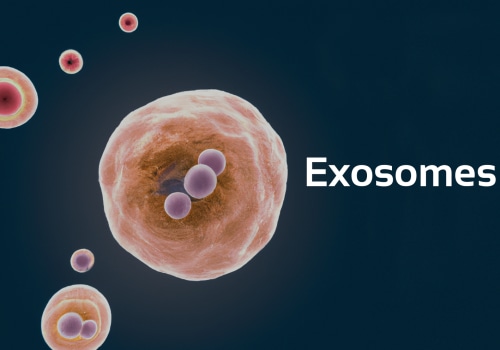
Exosomes are microscopic vesicles that play a pivotal role in cellular communication and regeneration. These tiny structures, typically ranging from 30 to 150 nanometers in diameter, are secreted by various cell types and contain a rich cargo of proteins, lipids, and nucleic acids. Their primary function is to facilitate intercellular communication by transferring molecular signals between cells, thereby influencing numerous biological processes such as immune response, tissue repair, and cellular regeneration. Understanding the significance of exosomes is crucial for appreciating their therapeutic potential in modern medicine.In the realm of regenerative medicine, exosome therapy has emerged as a groundbreaking approach that harnesses the natural healing properties of these vesicles.
By isolating exosomes from stem cells or other sources, clinicians can create treatments that promote healing and rejuvenation at a cellular level. The benefits of exosome therapy are manifold; they not only enhance tissue repair but also modulate inflammation and stimulate the production of growth factors essential for regeneration. This makes exosomes particularly valuable in treating conditions related to aging, skin damage, and hair loss.The mechanism by which exosomes exert their effects is equally fascinating. Upon entering target cells, exosomes release their cargo, which can activate various signaling pathways that lead to enhanced cell survival, proliferation, and differentiation.
This process is vital for maintaining healthy tissue function and repairing damaged areas. As research continues to unveil the complexities of exosome biology, it becomes increasingly clear that these vesicles are not merely byproducts of cellular activity; they are integral players in the body’s regenerative processes.
The Science Behind Exosome Therapy
Exosome therapy is grounded in advanced scientific principles that highlight the remarkable capabilities of exosomes in cellular communication and regeneration. These tiny vesicles, typically ranging from 30 to 150 nanometers in diameter, are secreted by various cell types and play a pivotal role in intercellular signalling.Extraction Process
The extraction of exosomes is a meticulous process that begins with the isolation of stem cells, which can be derived from various sources, including adipose tissue, bone marrow, or umbilical cord blood. Once the stem cells are cultured, they release exosomes into the surrounding medium.
The subsequent steps involve:
- Filtration: The culture medium is filtered to remove larger cell debris.
- Centrifugation: The filtered solution undergoes centrifugation at varying speeds to separate exosomes based on their size and density.
- Purification: Further purification techniques, such as ultrafiltration or chromatography, are employed to ensure a high concentration of pure exosomes.
Mechanisms of Action
Exosomes function as natural carriers of bioactive molecules, including proteins, lipids, and nucleic acids. When introduced into the body, they facilitate several key processes:
- Cell Communication: Exosomes transfer molecular signals between cells, promoting communication that is essential for tissue repair and regeneration.
- Immune Modulation: They can modulate immune responses, reducing inflammation and promoting healing in damaged tissues.
- Regenerative Properties: Exosomes contain growth factors and cytokines that stimulate cellular proliferation and differentiation, aiding in the regeneration of damaged tissues.
Scientific Studies
A growing body of research supports the efficacy of exosome therapy. Numerous studies have demonstrated their potential in treating various conditions, from skin rejuvenation to hair restoration. For instance, clinical trials have shown that exosome therapy can significantly enhance wound healing and reduce scarring by promoting collagen synthesis and improving skin elasticity.In summary, the science behind exosome therapy reveals a sophisticated interplay of cellular mechanisms that harness the power of these vesicles for therapeutic purposes.
As research continues to evolve, the potential applications of exosome therapy are likely to expand, offering innovative solutions for regenerative medicine.
Long-Lasting Effects of Exosome Therapy
Exosome therapy has garnered significant attention in recent years, particularly for its remarkable ability to promote skin rejuvenation and hair restoration. However, one of the most common inquiries from potential clients revolves around the duration of exosome therapy effects. On average, the results of exosome treatments can last between 6 to 12 months, depending on various factors such as the individual's skin type, age, and overall health.The longevity of results is influenced by several key elements:- Individual Variability: Each person's body responds differently to treatments. Factors such as metabolism, lifestyle choices, and genetic predispositions can significantly affect how long the benefits last.
- Type of Treatment: The specific application of exosome therapy—whether for facial rejuvenation, acne scars, or hair restoration—can also dictate the duration of results.
For instance, facial treatments may yield visible improvements for up to a year, while hair restoration might require more frequent sessions to maintain optimal results.
- Quality of Exosomes: The source and quality of the exosomes used in therapy play a crucial role. High-quality exosomes derived from reputable sources tend to produce more sustainable outcomes.
By doing so, clients can enjoy enhanced skin vitality and hair health well beyond the initial treatment period.
Applications of Exosome Therapy in Aesthetic Treatments
Exosome therapy has emerged as a revolutionary approach in the realm of aesthetic treatments, offering promising results for both skin rejuvenation and hair restoration. This innovative therapy utilises exosomes, which are nanosized vesicles secreted by cells, to facilitate communication and regeneration within the body.Exosome Therapy for Skin Rejuvenation
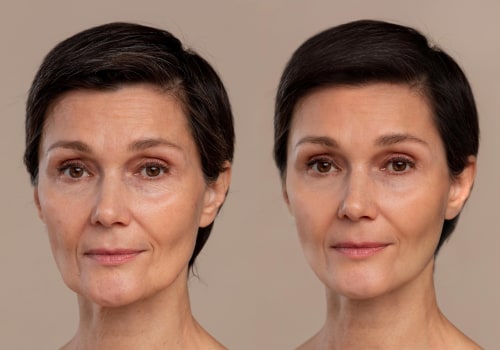
One of the most notable applications of exosome therapy is in skin rejuvenation. The treatment works by delivering growth factors, cytokines, and proteins directly to the skin cells, promoting healing and regeneration. Patients have reported significant improvements in skin texture, elasticity, and overall appearance following exosome treatments.For instance, a case study involving a 45-year-old woman seeking to address signs of aging revealed remarkable results after a series of exosome therapy sessions.Within weeks, she noticed a reduction in fine lines and an increase in skin firmness. Testimonials from patients like her highlight the therapy's ability to enhance collagen production and improve skin hydration.
Hair Restoration with Exosomes
Exosome therapy is also gaining traction in the field of hair restoration. By targeting hair follicles with concentrated exosomes, this treatment stimulates hair growth and revitalises thinning hair. The exosomes deliver essential growth factors that encourage cellular activity within the scalp.A compelling example is a 38-year-old male patient who experienced significant hair loss due to androgenetic alopecia.After undergoing exosome therapy, he reported noticeable regrowth within three months, with thicker and healthier hair strands. Such success stories underscore the potential of exosomes to combat hair loss effectively.
Cosmetic Uses of Exosomes
The cosmetic applications of exosomes extend beyond just skin and hair. They are being explored for their potential in treating various skin conditions such as acne scars, pigmentation issues, and even stretch marks. The regenerative properties of exosomes make them an attractive option for patients looking for non-invasive solutions to enhance their appearance.In conclusion, the versatility of exosome therapy in aesthetic treatments is evident through numerous case studies and patient experiences.As research continues to unfold, it is likely that we will see even broader applications of this cutting-edge technology in cosmetic medicine.
Comparing Exosome Therapy to Other Treatments
When considering regenerative treatments for skin rejuvenation and hair restoration, exosome therapy stands out as a promising option. However, it is essential to compare it with other popular treatments such as stem cell therapy and Platelet-Rich Plasma (PRP) therapy to understand their respective benefits and limitations.Exosome Therapy vs. Stem Cell Therapy
Stem cell therapy involves the use of stem cells to promote healing and regeneration in damaged tissues. While stem cells have the potential to differentiate into various cell types, exosomes are specialized vesicles that facilitate communication between cells and deliver essential growth factors and proteins.One significant advantage of exosome therapy over stem cell therapy is that exosomes can be derived from stem cells without the need for invasive procedures. This makes exosome therapy less risky and more accessible for patients.
Benefits of Exosomes Over PRP
Platelet-Rich Plasma (PRP) therapy utilises the patient’s own blood to extract platelets, which are rich in growth factors that aid in healing. While PRP has been effective for many patients, its results can be inconsistent due to variations in individual blood composition. In contrast, exosomes provide a more concentrated and consistent source of regenerative molecules, leading to potentially superior outcomes.Furthermore, exosomes can enhance cellular communication more effectively than PRP, promoting faster healing and rejuvenation.
Alternative Treatments to Exosomes
Aside from stem cell therapy and PRP, there are several alternative treatments available for skin and hair rejuvenation. These include:- Microneedling: A procedure that creates micro-injuries in the skin to stimulate collagen production.
- Chemical Peels: Treatments that use chemical solutions to exfoliate the skin, improving texture and tone.
- Laser Therapy: Utilises focused light to target specific skin concerns such as pigmentation or wrinkles.
- Topical Treatments: Creams and serums containing active ingredients like retinoids or hyaluronic acid that promote skin health.
Potential Risks and Considerations in Exosome Therapy
While exosome therapy offers promising benefits for skin rejuvenation and hair restoration, it is essential to be aware of the potential risks and side effectsside effects associated with this treatment. Understanding these factors can help individuals make informed decisions and ensure their safety throughout the process.One of the primary concerns regarding exosome therapy is the possibility of adverse reactions.Although exosomes are derived from natural sources, such as stem cells, there is still a risk of allergic reactions or sensitivities in some patients. These reactions can manifest as redness, swelling, or irritation at the injection site. In rare cases, more severe allergic responses may occur, necessitating immediate medical attention.Another consideration is the quality and source of the exosomes used in therapy. Not all exosome products are created equal; therefore, it is crucial to seek treatments from reputable clinics that utilise high-quality, clinically tested exosome preparations.
Poor-quality products may not only be ineffective but could also pose health risks due to contamination or improper handling.Additionally, individuals with certain pre-existing health conditions should approach exosome therapy with caution. For instance, those with autoimmune disorders or compromised immune systems may experience unpredictable outcomes. It is vital to consult with a qualified healthcare professional who can assess individual health status and determine whether exosome therapy is appropriate.
Post-treatment care
is equally important in minimising risks. Patients are often advised to avoid strenuous activities and direct sun exposure for a few days following treatment to allow for optimal healing.
Failing to adhere to these guidelines can lead to complications or diminish the effectiveness of the therapy.In conclusion, while exosome therapy presents exciting opportunities for enhancing skin and hair health, it is imperative to consider the potential risks involved. Engaging in thorough consultations with experienced practitioners and understanding personal health conditions can significantly mitigate these risks and lead to a safer treatment experience.
Future Directions in Exosome Research and Therapy
The field of exosome therapy is rapidly evolving, with ongoing research paving the way for innovative applications and enhanced treatment efficacy. As scientists delve deeper into the mechanisms of exosomes, several promising directions are emerging that could revolutionise regenerative medicine.1.Expanding Applications of Exosome Therapy
- Exosomes are being explored for their potential in treating a variety of conditions beyond cosmetic applications, including neurodegenerative diseases, cardiovascular disorders, and autoimmune conditions. This broadening scope highlights the versatility of exosomes as therapeutic agents.
- Research is underway to utilise exosomes in targeted drug delivery systems.
By encapsulating therapeutic agents within exosomes, researchers aim to enhance the precision and effectiveness of treatments while minimising side effects.
2.Innovations in Isolation and Characterisation
- Advancements in isolation techniques are crucial for improving the quality and yield of exosomes. Novel methods such as microfluidics and nanotechnology are being developed to isolate exosomes more efficiently, ensuring that high-purity preparations are available for clinical use.
- Characterisation of exosomes is also a key focus area. Understanding the specific molecular signatures of exosomes derived from different cell types can lead to tailored therapies that maximise therapeutic benefits.
3.Enhancing Efficacy through Combination Therapies
- Combining exosome therapy with other regenerative treatments, such as stem cell therapy or gene editing techniques, is an exciting avenue for research. These combination therapies could synergistically enhance healing processes and improve patient outcomes.
- Furthermore, integrating exosome therapy with existing treatment modalities may provide a holistic approach to managing complex conditions, offering patients more comprehensive care options.
4.Regulatory and Ethical Considerations
As the field progresses, addressing regulatory and ethical considerations surrounding exosome therapy will be paramount.
Establishing clear guidelines for clinical applications will ensure patient safety while fostering innovation in this promising area of medicine.In conclusion, the future of exosome therapy holds immense potential. With ongoing research focused on expanding applications, enhancing isolation techniques, and exploring combination therapies, we are on the brink of significant advancements that could transform regenerative medicine as we know it.
Frequently Asked Questions about Exosome Therapy
Exosome therapy has gained significant attention in recent years, leading to numerous inquiries and some misconceptions. Below, we address common questions to provide clarity and enhance understanding of this innovative treatment.What are exosomes?
Exosomes
are small extracellular vesicles secreted by various cell types, including stem cells. They play a vital role in intercellular communication, carrying proteins, lipids, and genetic material that facilitate cellular repair and regeneration.
Their ability to transfer these essential molecules makes them a powerful tool in therapeutic applications.
How does exosome therapy work?
During exosome therapy , exosomes are introduced into the body through various methods, such as injections or topical applications. Once administered, they interact with target cells, promoting healing and regeneration by delivering growth factors and other bioactive substances. This process can enhance skin elasticity, reduce inflammation, and stimulate hair growth.Is exosome therapy safe?
Exosome therapy is generally considered safe when performed by qualified professionals. Since exosomes are derived from natural sources, such as stem cells, the risk of adverse reactions is minimal.However, as with any medical treatment, it is essential to consult with a healthcare provider to discuss individual health conditions and potential risks.
What are the common misconceptions about exosome therapy?
- Misconception 1: Exosomes are the same as stem cells.
While exosomes are derived from stem cells, they are not the same. Exosomes are specialized vesicles that carry signals for cell communication, whereas stem cells have the potential to differentiate into various cell types. - Misconception 2: Exosome therapy is a one-time treatment.
Many patients benefit from a series of treatments to achieve optimal results. Maintenance sessions may be recommended to prolong the effects. - Misconception 3: Results are immediate.
While some improvements may be noticeable shortly after treatment, the full benefits of exosome therapy typically develop over several weeks as cellular processes take effect.
Conclusion: The Promise of Exosome Therapy for Lasting Results
In summary, the exploration of exosome therapy reveals a transformative approach to skin rejuvenation and hair restoration that holds significant promise for long-lasting results.Throughout this article, we have delved into the intricate mechanisms by which exosomes operate, highlighting their role in cellular communication and regeneration. These tiny vesicles, derived from stem cells, are not merely a passing trend in the cosmetic industry; they represent a paradigm shift in how we understand and approach aesthetic treatments.The benefits of exosome therapy extend beyond superficial enhancements. By facilitating the repair and regeneration of damaged cells, exosomes contribute to improved skin elasticity, reduced inflammation, and enhanced overall appearance. Clients who undergo this treatment often report noticeable improvements within weeks, with effects that can last anywhere from six months to over a year, depending on individual circumstances and maintenance routines.Moreover, the versatility of exosome therapy makes it suitable for a variety of conditions, including acne scars, stretch marks, and even hair loss.
The ability to combine exosomes with other advanced techniques such as microneedling amplifies their effectiveness, creating a synergistic effect that maximises results.As we look to the future of cosmetic treatments, it is clear that exosome therapy stands out as a viable option for those seeking sustainable solutions to skin and hair concerns. With ongoing research and advancements in this field, the potential applications of exosomes are likely to expand further, offering even more innovative treatments.For anyone considering aesthetic enhancements or struggling with skin issues, exosome therapy should be on your radar. It is essential to consult with qualified professionals who can provide tailored advice based on your unique needs. As we continue to uncover the remarkable capabilities of exosomes, embracing this cutting-edge therapy could be your key to achieving lasting beauty and vitality.