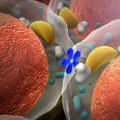
Stem cells are remarkable entities within the human body, characterised by their unique ability to self-renew and differentiate into various cell types. These cells play a crucial role in growth, development, and tissue repair. However, their potential extends beyond normal physiological processes; they are also implicated in the complex landscape of Stem cells are remarkable entities within the human body, characterised by their unique ability to self-renew and differentiate into various cell types. These cells play a crucial role in growth, development, and tissue repair. However, their potential extends beyond normal physiological processes; they are also implicated in the complex landscape of cancer development. Understanding the relationship between stem cells and cancer is essential for unraveling the mechanisms that drive malignancies and for developing innovative therapeutic strategies.At the heart of this relationship lies the concept of cancer stem cells (CSCs), a subset of cancer cells that possess properties akin to normal stem cells.
CSCs are believed to be responsible for tumour initiation, maintenance, and recurrence, making them a focal point in cancer research. These cells can evade conventional treatments, leading to challenges in achieving long-term remission in patients. The presence of CSCs within tumours suggests that targeting these cells may be key to improving treatment outcomes.Recent studies have highlighted the role of exosomes, small extracellular vesicles secreted by various cell types, including stem cells and cancer cells. Exosomes facilitate intercellular communication and can carry proteins, lipids, and nucleic acids that influence the behaviour of recipient cells.
In the context of cancer, exosomes derived from CSCs can promote tumour growth, metastasis, and resistance to therapy by altering the microenvironment and modulating immune responses. This emerging field of research underscores the importance of understanding how exosomes contribute to the dynamics between stem cells and cancer.As we delve deeper into this intricate relationship, it becomes evident that exploring the roles of both stem cells and exosomes is vital for developing targeted therapies that can effectively combat cancer. By elucidating these connections, researchers aim to pave the way for novel interventions that could transform cancer treatment paradigms.
Understanding Stem Cells
Stem cells are unique cells with the remarkable ability to develop into various cell types in the body. They are classified into three primary categories: embryonic stem cells , adult stem cells , and induced pluripotent stem cells (iPSCs).Each type possesses distinct characteristics that contribute to their potential roles in both regenerative medicine and cancer development.
Types of Stem Cells
- Embryonic Stem Cells: Derived from the inner cell mass of a blastocyst, these cells are pluripotent, meaning they can differentiate into any cell type in the body. Their ability to self-renew indefinitely makes them a focal point in research, particularly for understanding early development and potential cancer mechanisms.
- Adult Stem Cells: Also known as somatic or tissue-specific stem cells, these are found in various tissues such as bone marrow, skin, and the brain. They are multipotent, which means they can only differentiate into a limited range of cell types related to their tissue of origin. Adult stem cells play a crucial role in maintaining and repairing the tissues where they reside.
- Induced Pluripotent Stem Cells (iPSCs): These are adult cells that have been genetically reprogrammed to an embryonic stem cell-like state.
iPSCs share similar properties with embryonic stem cells, including pluripotency, but they are derived from somatic cells, making them a valuable tool for personalized medicine and disease modelling.
Characteristics of Stem Cells
The defining features of stem cells include:- Self-Renewal: The ability to undergo numerous cycles of cell division while maintaining their undifferentiated state.
- Potency: The capacity to differentiate into specialized cell types. This characteristic varies among different types of stem cells, with embryonic stem cells being the most versatile.
- Response to Microenvironment: Stem cells can sense and respond to signals from their surrounding environment, which influences their fate and function.
This knowledge is crucial for developing targeted therapies aimed at eradicating CSCs while sparing normal stem cells.
The Mechanism of Cancer Development
Cancer development is a complex biological process that involves a series of genetic mutations and alterations in cellular behaviour, collectively known as carcinogenesis. This process can be broadly divided into three stages: initiation, promotion, and progression.Initiation
occurs when a normal cell undergoes a genetic mutation, often due to exposure to carcinogens such as chemicals, radiation, or viruses. These mutations can affect critical genes that regulate cell growth and division, particularly oncogenes and tumour suppressor genes. Oncogenes promote cell division, while tumour suppressor genes inhibit it.
When mutations occur in these genes, the balance is disrupted, leading to uncontrolled cell proliferation.Following initiation, the promotion stage involves the clonal expansion of initiated cells. This phase is characterised by the selective growth of mutated cells over their normal counterparts. Factors such as chronic inflammation or hormonal changes can further stimulate this growth. During this stage, additional mutations may accumulate, enhancing the cells' ability to proliferate and evade apoptosis (programmed cell death).The final stage, progression , is marked by the transition of benign tumours into malignant ones.
This phase involves further genetic instability and the acquisition of traits that enable invasion and metastasis. Cells may gain the ability to invade surrounding tissues and spread to distant organs through the bloodstream or lymphatic system. The accumulation of mutations during this stage often leads to a more aggressive cancer phenotype.Genetic mutations play a pivotal role in this entire process. They can arise from various sources, including environmental factors and intrinsic cellular processes such as DNA replication errors.
Recent studies have highlighted the significance of exosomes, small extracellular vesicles that facilitate intercellular communication, in cancer development. Exosomes can carry oncogenic signals and genetic material from cancer cells to neighbouring healthy cells, potentially inducing mutations and promoting a tumour-friendly microenvironment.Understanding these mechanisms is crucial for developing targeted therapies aimed at interrupting the carcinogenic process at various stages. By identifying specific genetic alterations associated with different cancers, researchers can create personalised treatment strategies that improve patient outcomes.
Exosomes: The Communicators of Stem Cells
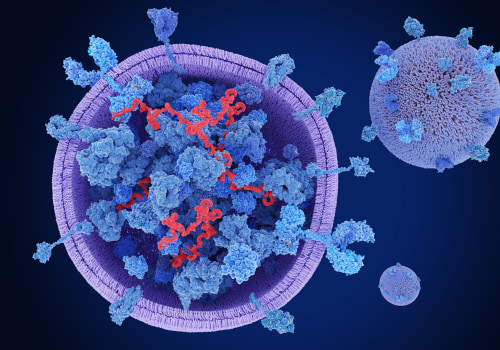
Exosomes are small extracellular vesicles, typically ranging from 30 to 150 nanometres in diameter, that are secreted by various cell types, including stem cells. These vesicles play a crucial role in intercellular communication, acting as vehicles for the transfer of proteins, lipids, and nucleic acids between cells.By facilitating this exchange of molecular information, exosomes contribute significantly to the regulation of numerous biological processes.One of the primary functions of exosomes is to mediate cell communication. They carry a diverse array of biomolecules that can influence the behaviour of recipient cells. For instance, when stem cells release exosomes, these vesicles can deliver growth factors and signalling molecules that promote tissue repair and regeneration. This is particularly important in the context of cancer, where the communication between cancer stem cells and their microenvironment can dictate tumour progression and metastasis.In addition to their role in communication, exosomes are involved in various biological processes such as immune response modulation, apoptosis, and cellular differentiation.
The content of exosomes can vary depending on the cell type and its physiological state, making them valuable indicators of cellular health and disease. For example, exosomes derived from cancer stem cells may contain specific miRNAs or proteins that enhance their malignancy or resistance to therapies.The biology of exosomes is complex and involves several stages: biogenesis, secretion, and uptake by target cells. Exosomes originate from the endosomal system; they are formed when multivesicular bodies (MVBs) fuse with the plasma membrane, releasing their contents into the extracellular space. Once released, these vesicles can be taken up by neighbouring or distant cells through various mechanisms, including endocytosis.Understanding the role of exosomes in stem cell biology not only sheds light on fundamental cellular processes but also opens new avenues for therapeutic interventions.
By harnessing the potential of exosomes, researchers aim to develop novel strategies for cancer treatment and regenerative medicine.
The Role of Exosomes in Cancer Stem Cells
Exosomes, small extracellular vesicles secreted by various cell types, have emerged as crucial players in the communication between cancer stem cells (CSCs) and their microenvironment. These vesicles are involved in the transfer of proteins, lipids, and nucleic acids, facilitating a complex network of signaling that can significantly influence tumor behaviour.Exosomal Signaling and Tumor Growth
In the context of cancer, exosomes derived from CSCs can promote tumor growth by enhancing the proliferation and survival of surrounding cancer cells. They achieve this through the delivery of growth factors and oncogenic proteins that stimulate cellular pathways associated with growth and survival. For instance, exosomes from CSCs have been shown to contain transforming growth factor-beta (TGF-β)transforming growth factor-beta (TGF-β), which can induce epithelial-mesenchymal transition (EMT) in adjacent cells, a process that is critical for metastasis.
Metastasis and Exosomal Influence
The role of exosomes in metastasis is particularly noteworthy.
CSCs can release exosomes that prepare distant sites for metastatic colonisation. These exosomes can modify the local microenvironment by promoting angiogenesis and immune evasion. For example, exosomal miRNAs have been implicated in modulating the expression of genes involved in vascular permeability and immune response, thereby facilitating the spread of cancer to other organs.
Resistance to Therapy
Another significant aspect of exosomal function in CSCs is their contribution to therapy resistance. Cancer treatments often target rapidly dividing cells; however, CSCs are known for their quiescent nature and ability to survive such therapies.
Exosomes can carry molecules that confer resistance to chemotherapy or radiotherapy, such as drug efflux pumps or anti-apoptotic factors. This mechanism not only allows CSCs to survive treatment but also enables them to repopulate the tumor after therapy has ceased.Furthermore, the presence of exosomal markers can serve as potential biomarkers for identifying CSCs within tumors, providing insights into their role in cancer progression and treatment response.In summary, exosomes play a multifaceted role in the dynamics of cancer stem cells, influencing tumor growth, metastasis, and resistance to therapy. Understanding these mechanisms offers promising avenues for developing targeted therapies aimed at disrupting exosomal communication pathways, potentially improving treatment outcomes for cancer patients.
Exosomal Cargo: The Key Players in Cancer Progression
Exosomes, the nanoscale extracellular vesicles secreted by various cell types, have emerged as crucial mediators in the communication between cells within the tumor microenvironment. These vesicles carry a diverse array of molecular cargo, including microRNAs and proteins, which play significant roles in cancer progression.MicroRNAs in Exosomes
MicroRNAs (miRNAs) are small, non-coding RNA molecules that regulate gene expression by binding to target messenger RNAs (mRNAs), leading to their degradation or inhibition of translation.
In the context of cancer, exosomal miRNAs can influence tumor growth, metastasis, and the response to therapy. For instance, certain miRNAs found in exosomes derived from cancer cells can promote angiogenesis—the formation of new blood vessels—by modulating the expression of pro-angiogenic factors.Moreover, exosomal miRNAs can also facilitate the communication between cancer cells and surrounding stromal cells, thereby altering the tumor microenvironment. This interaction can enhance the survival and proliferation of cancer cells while suppressing immune responses. For example, miR-21 is often upregulated in various cancers and has been shown to be transferred via exosomes to adjacent normal cells, inducing a pro-tumorigenic phenotype.
Proteins in Exosomes
In addition to miRNAs, exosomes are rich in proteins that contribute to cancer progression.
These proteins can include growth factors, enzymes, and adhesion molecules that facilitate cell migration and invasion. For instance, exosomal transforming growth factor-beta (TGF-β) is known to promote epithelial-to-mesenchymal transition (EMT), a critical process in cancer metastasis where epithelial cells acquire migratory and invasive properties.Furthermore, proteins such as CD44, a cell surface glycoprotein involved in cell-cell interactions and migration, are often found on the surface of exosomes released by cancer stem cells. The presence of these proteins not only aids in the identification of cancer stem cells but also enhances their ability to metastasize by promoting interactions with other cells within the microenvironment.The interplay between exosomal cargo and the tumor microenvironment underscores the importance of these vesicles in cancer biology. By understanding how exosomal miRNAs and proteins contribute to cancer progression, researchers can potentially develop novel therapeutic strategies aimed at disrupting these pathways and improving patient outcomes.
Therapeutic Implications of Exosomes in Cancer Treatment
Exosomes, the nanoscale extracellular vesicles secreted by various cell types, have emerged as pivotal players in the field of cancer treatment.Their unique ability to facilitate intercellular communication and transport biomolecules makes them a promising avenue for therapeutic applications. In recent years, researchers have begun to explore how exosome-based therapiesexosome-based therapies can be harnessed to improve cancer treatment strategies.One of the most significant advantages of exosomes is their natural origin, which allows them to evade the immune system more effectively than synthetic drug delivery systems. This characteristic is particularly beneficial in cancer therapy, where the immune response can often limit the efficacy of treatments. By utilising exosomes derived from stem cells or other healthy cells, it is possible to create targeted therapies that deliver anti-cancer agents directly to tumour cells while minimising damage to surrounding healthy tissue.
Exosome-Based Drug Delivery
Exosomes can be engineered to carry therapeutic agents such as small interfering RNAs (siRNAs), proteins, or chemotherapeutic drugs.This targeted delivery system enhances the bioavailability of these agents at the tumour site, potentially increasing their effectiveness while reducing systemic side effects. For instance, studies have shown that exosomes loaded with siRNAs can silence oncogenes in cancer cells, leading to reduced tumour growth and improved patient outcomes.
Regenerative Medicine and Cancer
The intersection of regenerative medicine and cancer treatment is another area where exosomes show great promise. Exosomes derived from mesenchymal stem cells (MSCs) have been found to possess anti-inflammatory and immunomodulatory properties, which can aid in creating a more favourable microenvironment for cancer therapy. By promoting tissue repair and regeneration, these exosomes may help mitigate some of the adverse effects associated with conventional cancer treatments such as chemotherapy and radiation.Moreover, the potential of exosomes in regenerative medicine extends beyond merely supporting cancer treatment; they may also play a role in preventing cancer recurrence.By enhancing the body’s natural healing processes and modulating immune responses, exosome therapies could contribute to long-term remission in cancer patients.In conclusion, the therapeutic implications of exosomes in cancer treatment are vast and multifaceted. As research continues to uncover their mechanisms and applications, exosome-based therapies may revolutionise how we approach cancer treatment and regenerative medicine, offering new hope for patients worldwide.
Current Research and Future Directions
Recent advancements in the field of exosome research have unveiled their significant role in cancer development, particularly in the context of stem cells. Exosomes, which are small extracellular vesicles secreted by various cell types, have emerged as crucial mediators of intercellular communication. They carry a diverse array of biomolecules, including proteins, lipids, and nucleic acids, which can influence the behaviour of recipient cells.This has led to a growing interest in understanding how exosomes contribute to the malignancy of cancer stem cells (CSCs).Current research is focusing on several key areas:
- Exosomal Biomarkers: Researchers are investigating the potential of exosomes as non-invasive biomarkers for early cancer detection and prognosis. The unique molecular signatures found in exosomes derived from cancer cells could provide insights into tumour characteristics and treatment responses.
- Therapeutic Applications: There is a burgeoning interest in harnessing exosomes for therapeutic purposes. Studies are exploring the use of engineered exosomes to deliver targeted therapies directly to cancer cells, potentially enhancing treatment efficacy while minimising side effects.
- Mechanisms of Tumour Progression: Understanding how exosomes facilitate communication between CSCs and their microenvironment is critical. Research is delving into how exosomal content can modulate immune responses and promote tumour growth and metastasis.
- Isolation and Characterisation: The efficient isolation and characterisation of exosomes from biological fluids is a significant hurdle.
Current methods often lack specificity and yield, complicating downstream analyses.
- Standardisation: There is a pressing need for standardised protocols for exosome research to ensure reproducibility and comparability across studies.
- Understanding Heterogeneity: The heterogeneity of exosomes derived from different cell types poses challenges in understanding their specific roles in cancer biology.
Conclusion: The Interplay Between Exosomes and Cancer Development
In summary, the intricate relationship between exosomes and cancer development, particularly in the context of stem cells, underscores a complex interplay that warrants further exploration. Throughout this article, we have examined how exosomes serve as critical mediators in the communication between stem cells and their microenvironment, influencing both normal physiological processes and pathological conditions such as cancer.Exosomes, which are small extracellular vesicles secreted by various cell types, play a pivotal role in the transfer of molecular signals. They carry proteins, lipids, and nucleic acids that can modulate the behaviour of recipient cells.In the realm of cancer, exosomes derived from cancer stem cells (CSCs) have been shown to facilitate tumour progression by promoting angiogenesis, metastasis, and immune evasion. This highlights their potential as both biomarkers for early detection and targets for therapeutic intervention.Moreover, the role of exosomes in the stem cell niche is crucial for understanding how CSCs maintain their properties of self-renewal and pluripotency. The exchange of exosomal content between stem cells and their surrounding environment can influence cellular fate decisions, potentially leading to the emergence of malignancies when dysregulated.As we continue to unravel the complexities of exosome biology, it becomes increasingly clear that they are not merely byproducts of cellular activity but rather active participants in the pathogenesis of cancer. Future research should focus on elucidating the specific mechanisms by which exosomes contribute to cancer development and exploring their potential as therapeutic agents or diagnostic tools.In conclusion, understanding the multifaceted roles of exosomes in stem cell-mediated cancer development is essential for advancing our knowledge of carcinogenesis and improving treatment strategies.
By targeting exosomal pathways, we may pave the way for innovative approaches to combat cancer more effectively.