In recent years, exosome therapy has emerged as a groundbreaking approach in the field of hair restoration, capturing the attention of both medical professionals and individuals seeking effective solutions for hair loss. Exosomes, which are tiny extracellular vesicles secreted by cells, play a crucial role in cell communication and regeneration. Their ability to transfer proteins, lipids, and genetic material between cells makes them a powerful tool in stimulating hair follicle activity and promoting natural hair growth.The relevance of exosome therapy in hair restoration lies in its innovative mechanism of action. Unlike traditional treatments that often rely on medications with potential side effects, exosome therapy harnesses the body’s own biological processes to rejuvenate hair follicles.
By delivering essential growth factors directly to the scalp, exosomes can enhance blood circulation, increase follicle size, and improve overall scalp health. This natural approach not only addresses the symptoms of hair loss but also targets the underlying causes, making it a compelling option for those struggling with thinning hair.As with any medical treatment, understanding the safety profile of exosome therapy is paramount. Given that exosomes can be derived from a patient’s own cells or from rigorously screened donors, the risk of adverse reactions is significantly reduced. This aspect is particularly appealing for individuals who may have concerns about allergic responses or complications associated with more invasive procedures.
In this article, we will delve deeper into the safety and efficacy of exosome therapy for hair restoration, providing insights that can help you make informed decisions about your hair health.
What Are Exosomes?
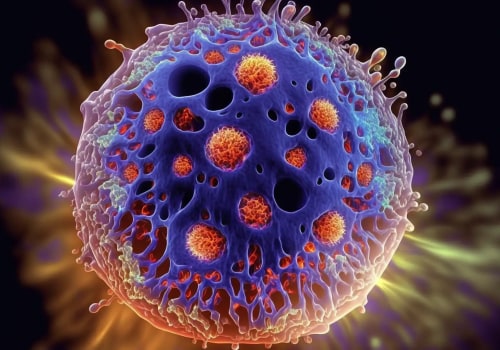
Exosomes are small extracellular vesicles, typically ranging from 30 to 150 nanometers in diameter, that play a pivotal role in intercellular communication. They are secreted by various cell types and contain a complex mixture of proteins, lipids, and nucleic acids, which facilitate the transfer of molecular signals between cells. This unique composition allows exosomes to influence numerous biological processes, including cell growth, differentiation, and regeneration.In essence, exosomes act as messengers within the body. They transport bioactive molecules from one cell to another, thereby modulating the behaviour of recipient cells.This communication is crucial for maintaining homeostasis and responding to physiological changes. For instance, in the context of hair growth, exosomes derived from stem cells can deliver growth factors that stimulate hair follicle activity and promote new hair development.The role of exosomes extends beyond mere communication; they are also involved in the regulation of immune responses and tissue repair. When tissues are damaged, exosomes can help orchestrate the healing process by promoting cell survival and regeneration. This regenerative capability is particularly significant in therapies aimed at addressing hair loss, as it harnesses the body’s natural healing mechanisms.Moreover, exosomes have garnered attention in regenerative medicine due to their potential to enhance therapeutic outcomes.
Their ability to carry specific cargo tailored to target cells makes them an attractive option for various treatments, including those aimed at restoring hair density and health. By understanding the fundamental properties and functions of exosomes, researchers and clinicians can better leverage their capabilities in innovative therapies for hair restoration.
The Mechanism of Action: How Exosomes Promote Hair Growth
Exosomes are tiny extracellular vesicles that play a crucial role in intercellular communication, particularly in the context of hair growth. These vesicles are secreted by various cell types and contain a rich cargo of proteins, lipids, and nucleic acids, which are essential for cellular functions. When it comes to hair restoration, exosomes derived from stem cells have shown significant promise due to their ability to stimulate hair follicles and promote hair growth.One of the primary mechanisms by which exosomes facilitate hair growth is through the release of growth factors.These proteins are vital for various biological processes, including cell proliferation, differentiation, and survival. In the context of hair follicles, growth factors such as vascular endothelial growth factor (VEGF), fibroblast growth factor (FGF), and insulin-like growth factor (IGF) play pivotal roles in enhancing follicle health and promoting new hair growth.
VEGF
, for instance, is instrumental in increasing blood supply to the hair follicles, ensuring they receive adequate nutrients and oxygen. This improved vascularisation not only supports existing hair but also encourages the development of new follicles. Similarly,
FGF
is known to stimulate the proliferation of dermal papilla cells, which are critical for initiating the hair growth cycle.Moreover, exosomes also contain microRNAs , which are small non-coding RNA molecules that regulate gene expression.
These microRNAs can modulate the activity of genes involved in hair follicle cycling and regeneration. By influencing these genetic pathways, exosomes can help transition hair follicles from a dormant state to an active growth phase.The application of exosome therapy involves injecting these vesicles directly into the scalp, where they can interact with local cells and tissues. This targeted delivery ensures that the growth factors and other bioactive molecules reach the intended sites effectively. As a result, patients may experience not only an increase in hair density but also improvements in hair texture and overall scalp health.In summary, the mechanism by which exosomes promote hair growth is multifaceted.
Through the release of essential growth factors and regulatory molecules, they enhance follicle health and stimulate natural hair regeneration processes. This innovative approach offers a promising alternative for individuals seeking effective solutions for hair loss.
Safety Profile of Exosome Therapy for Hair Loss
When considering any medical treatment, particularly for conditions such as hair loss, understanding the safety profile of the procedure is paramount.Exosome therapy
has emerged as a promising option for individuals seeking to restore hair growth, but many potential patients wonder: is exosome therapy safe?Exosome therapy is generally regarded as a safe treatment modality, primarily because the exosomes used are either derived from the patient’s own cells or sourced from rigorously screened donors. This significantly reduces the risk of allergic reactions or immune rejection, which can be a concern with other treatments that involve foreign substances.While the likelihood of severe side effects is low, some patients may experience mild and temporary discomfort following the procedure.Commonly reported side effects include:
- Mild pain at the injection site
- Bruising
- Redness
- Swelling
Its minimal side effects and lower risk of complications make it an attractive alternative for those seeking effective solutions for hair restoration.
Clinical Evidence Supporting Exosome Therapy
Exosome therapy has garnered attention in recent years as a promising treatment for hair loss, with several clinical studies exploring its efficacy and safety. These studies aim to provide a clearer understanding of how exosomes can facilitate hair regrowth and improve overall scalp health.One notable study published in the Journal of Cosmetic Dermatology examined the effects of exosome therapy on patients suffering from androgenetic alopecia, a common form of hair loss. In this double-blind, placebo-controlled trial, participants received either exosome injections or a placebo. The results indicated a significant increase in hair density and thickness among those treated with exosomes compared to the control group.This study highlights the potential of exosomes to stimulate hair follicles effectively.Another clinical trial conducted by researchers at a leading dermatology clinic focused on the safety profile of exosome therapy. The study involved a cohort of patients who underwent exosome treatment for various types of hair loss. Participants reported minimal side effects, primarily mild discomfort at the injection site, which resolved quickly. This reinforces the notion that exosome therapy is not only effective but also safe for individuals seeking alternatives to traditional hair loss treatments.Furthermore, a meta-analysis reviewing multiple studies on exosome therapy concluded that there is consistent evidence supporting its effectiveness in promoting hair growth.
The analysis highlighted that exosomes play a crucial role in cellular communication, enhancing the regenerative processes within hair follicles. By delivering growth factors and other essential proteins directly to the scalp, exosomes can significantly improve hair follicle health and function.Despite these promising findings, it is essential to note that individual responses to exosome therapy can vary. Factors such as the underlying cause of hair loss, age, and overall health can influence treatment outcomes. Therefore, consulting with a qualified healthcare professional is crucial for determining the appropriateness of exosome therapy for specific cases of hair loss.In summary, clinical evidence supporting the use of exosome therapy for hair restoration is growing.
With studies demonstrating both its effectiveness and safety, exosome therapy presents a viable option for those looking to combat hair loss without the adverse effects associated with conventional treatments.
Combining Exosome Therapy with Other Treatments
Exosome therapy has emerged as a promising treatment for hair loss, but its potential can be significantly enhanced when combined with other therapies, particularly Platelet-Rich Plasma (PRP) treatment. Both methods aim to stimulate hair growth, but they do so through different mechanisms, making their combination a synergistic approach to hair restoration.Understanding PRP Therapy
PRP therapy involves drawing a small amount of the patient’s blood, processing it to concentrate the platelets, and then injecting this rich plasma back into the scalp. The platelets contain growth factors that promote healing and tissue regeneration, which can be beneficial for hair follicles. When used alone, PRP can improve hair density and thickness; however, its effects can be further amplified when paired with exosome therapy.
How Exosomes Enhance PRP Treatment
Exosomes are tiny vesicles that facilitate communication between cells and play a crucial role in cellular regeneration.
When exosomes are introduced into the scalp alongside PRP, they can enhance the activity of the growth factors present in the PRP. This combination not only stimulates hair follicles more effectively but also promotes better overall scalp health.The synergistic effects of combining exosome therapy with PRP can lead to:
- Increased Hair Growth: The dual action of growth factors from both treatments can lead to more robust stimulation of hair follicles.
- Improved Follicle Health: Exosomes help in repairing damaged follicles and enhancing their function, which complements the regenerative properties of PRP.
- Faster Results: Patients may experience quicker improvements in hair density and quality due to the combined effects of both therapies.
Considerations for Combining Treatments
While combining exosome therapy with PRP can yield impressive results, it is essential for patients to consult with a qualified healthcare provider. An experienced practitioner will assess individual conditions and tailor a treatment plan that maximises benefits while minimising risks. Factors such as the severity of hair loss, overall health, and specific goals should be considered before proceeding with combined therapies.In conclusion, the integration of exosome therapy with PRP represents a cutting-edge approach to tackling hair loss.
By harnessing the unique properties of both treatments, patients may achieve superior outcomes in their journey towards fuller, healthier hair.
What to Expect During an Exosome Therapy Session
When considering exosome therapy for hair loss, understanding what to expect during the treatment session can help alleviate any concerns and prepare you for the process. The procedure typically unfolds in several key stages, from initial preparation to post-treatment care.Preparation for Exosome Therapy
- Consultation: Before the treatment, a thorough consultation with your healthcare provider is essential. This discussion will cover your medical history, specific hair loss concerns, and any previous treatments you may have undergone.
- Scalp Assessment: Your doctor will examine your scalp to determine the extent of hair loss and identify the areas that will benefit most from the therapy.
- Pre-Treatment Instructions: You may receive specific instructions to follow before your appointment, such as avoiding blood thinners or certain medications that could increase bleeding.
The Treatment Process
On the day of the procedure, you can expect the following steps:
- Anesthesia: To ensure your comfort during the treatment, a local anaesthetic may be applied to the scalp. This helps minimise any discomfort associated with the injections.
- Exosome Preparation: The exosomes used in your treatment are typically derived from your own cells or from rigorously screened donors.
They are prepared in a sterile environment to ensure safety and efficacy.
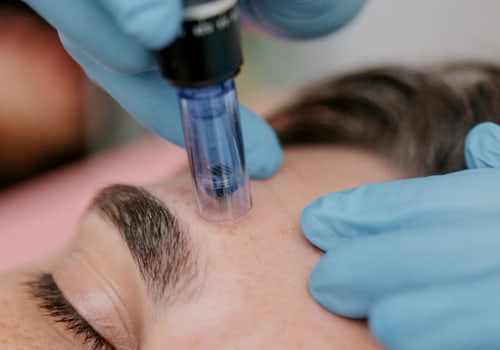
- Injection Process: Using a fine needle or a specialized device, the healthcare provider will inject the exosomes directly into the targeted areas of your scalp. This process usually takes about 30 to 60 minutes, depending on the size of the area being treated.
Post-Treatment Care
After receiving exosome therapy, it is crucial to follow post-treatment guidelines to optimise results:
- Avoid Washing Hair: It is recommended not to wash your hair or apply any products for at least 24 hours post-treatment. This allows the exosomes to settle and begin their work effectively.
- Monitor for Side Effects: While serious side effects are rare, some patients may experience mild redness, swelling, or discomfort at the injection sites. These symptoms typically resolve quickly.
- Follow-Up Appointments: Regular follow-ups with your healthcare provider will help monitor progress and determine if additional treatments are necessary.
Potential Side Effects and Considerations
While exosome therapy for hair restoration is generally regarded as safe, it is essential for patients to be aware of potential side effects and considerations before proceeding with treatment.Understanding these factors can help ensure a smoother experience and better outcomes.
Potential Side Effects
- Mild Discomfort: Some patients may experience slight discomfort during the procedure, which is typically manageable. This sensation often subsides shortly after the treatment.
- Bruising and Swelling: It is not uncommon for patients to notice some bruising or swelling at the injection site. These symptoms are usually temporary and resolve within a few days.
- Redness: Post-treatment redness can occur, but it generally diminishes quickly. Applying a cold compress may help alleviate this symptom.
- Allergic Reactions: Although rare, there is a minimal risk of allergic reactions, particularly if exosomes are sourced from donors.
Discussing your medical history with your healthcare provider can help mitigate this risk.
Considerations Before Treatment
- Consultation: A thorough consultation with a qualified healthcare professional is crucial. They will assess your individual condition and determine if exosome therapy is suitable for your specific type of hair loss.
- Medical History: Be prepared to discuss your medical history, including any previous treatments for hair loss and any underlying health conditions that may affect the procedure.
- Expectations: Set realistic expectations regarding the outcomes of exosome therapy. While many patients experience positive results, individual responses can vary significantly.
Post-Treatment Care
- Avoid Washing Hair: After the procedure, it is advisable to refrain from washing your hair or applying any products for at least 24 hours. This allows the exosomes to settle and begin their work effectively.
- Follow-Up Appointments: Schedule follow-up appointments as recommended by your healthcare provider to monitor progress and address any concerns that may arise.
- Avoid Strenuous Activities: For a short period post-treatment, it may be beneficial to avoid strenuous physical activities that could increase blood flow to the scalp and potentially disrupt the healing process.
Frequently Asked Questions About Exosome Therapy for Hair Loss
Exosome therapy for hair loss has garnered significant attention, leading to numerous questions from potential patients.Below, we address some of the most frequently asked questions to provide clarity and reassurance regarding this innovative treatment.
What are exosomes?
Exosomes are tiny extracellular vesicles that facilitate communication between cells. They play a crucial role in various biological processes, including tissue repair and regeneration. In the context of hair loss, exosomes derived from stem cells can deliver growth factors that stimulate hair follicles, promoting new hair growth.Is exosome therapy safe?
Yes, exosome therapy is generally considered safe. Since exosomes can be sourced from the patient’s own cells or from rigorously screened donors, the risk of allergic reactions or immune rejection is minimal.Most patients experience only mild side effects, such as temporary discomfort or swelling at the injection site, which typically resolves quickly.
How does exosome therapy compare to traditional hair loss treatments?
Unlike conventional treatments like finasteride or minoxidil, which may have significant side effects, exosome therapy offers a more natural approach to hair restoration. It harnesses the body’s own regenerative capabilities without introducing synthetic chemicals that could lead to adverse reactions.What should I expect during the treatment?
The procedure involves injecting exosomes directly into the scalp using a specialized device. Patients may feel a slight pinch during the injections, but the process is generally well-tolerated. After treatment, it is advisable to avoid washing your hair or applying any products for at least 24 hours to allow the exosomes to take effect.Are there any long-term effects of exosome therapy?
While research is ongoing, initial studies suggest that exosome therapy can lead to sustained improvements in hair density and health over time.However, individual results may vary based on factors such as the underlying cause of hair loss and overall health.If you have further questions or concerns about exosome therapy, it is essential to consult with a qualified healthcare professional who can provide personalized advice and guidance tailored to your specific needs.
Conclusion: Is Exosome Therapy Right for You?
As we conclude our exploration of exosome therapy for hair restoration, it is essential to reflect on the key points discussed and evaluate whether this innovative treatment aligns with your personal hair restoration goals.Exosome therapy has emerged as a promising option for individuals experiencing hair loss, particularly those who have not found success with traditional treatments. The therapy utilises exosomes, which are tiny vesicles that facilitate communication between cells, to stimulate hair follicles and promote natural hair growth. This method is particularly beneficial for those suffering from genetic hair loss or conditions that do not respond well to conventional therapies.One of the most significant advantages of exosome therapy is its safety profile. Since exosomes can be derived from the patient’s own cells or from rigorously screened donors, the risk of allergic reactions or immune rejection is considerably low.Most patients report only mild side effects, such as temporary discomfort or swelling at the injection site, which typically resolve quickly.However, it is crucial to consider the potential risks associated with any medical procedure. While exosome therapy is generally safe, there are no established regulations governing the production and application of exosomes in clinical settings. This lack of standardisation can lead to variability in treatment quality and outcomes. Therefore, it is vital to seek treatment from qualified professionals who adhere to high standards of care.In summary, exosome therapy offers a novel approach to hair restoration with several benefits, including:
- Minimal side effects: Most patients experience only mild and temporary discomfort.
- Natural results: The therapy promotes natural hair growth by stimulating the body’s own regenerative processes.
- High safety profile: Low risk of allergic reactions due to autologous sources.
Consulting with a knowledgeable healthcare provider can help you make an informed decision about whether exosome therapy is the right choice for your specific hair loss concerns.Ultimately, understanding your unique situation and discussing your options with a qualified professional will empower you to choose the most suitable path for achieving your desired hair restoration outcomes.