Exosomes, small extracellular vesicles secreted by various cell types, have emerged as pivotal players in intercellular communication, particularly in the context of neurological disorders such as stroke. These nano-sized vesicles are rich in proteins, lipids, and nucleic acids, enabling them to facilitate a range of biological processes. Their unique ability to cross the blood-brain barrier (BBB) makes them particularly intriguing for stroke treatment and as potential biomarkers. As research progresses, the therapeutic implications of exosomes in promoting neurovascular remodeling and enhancing recovery post-stroke are becoming increasingly evident.Stroke, a leading cause of morbidity and mortality worldwide, results from the interruption of blood supply to the brain, leading to neuronal damage and functional impairment.
Traditional treatment approaches have focused on restoring blood flow and managing symptoms; however, these methods often fall short in addressing the underlying cellular damage. This is where exosomes come into play. By harnessing their natural regenerative properties, researchers are exploring how exosomes can not only aid in recovery but also serve as reliable biomarkers for stroke diagnosis and prognosis.The role of exosomes in stroke therapy is multifaceted. They are believed to promote cellular repair mechanisms, modulate inflammatory responses, and enhance neuroprotection.
For instance, exosomes derived from mesenchymal stem cells (MSCs) have shown promise in reducing infarct size and improving functional outcomes in preclinical models of stroke. Furthermore, the cargo within these exosomes—such as microRNAs—can influence gene expression in recipient cells, thereby facilitating neuroprotection and regeneration. As we delve deeper into the potential of exosomes, it becomes clear that they represent a novel frontier in stroke management.
Understanding Exosomes: Definition and Function
Exosomes
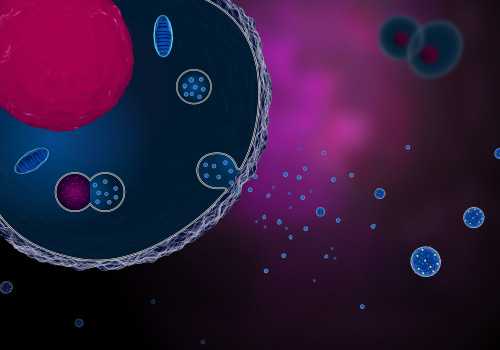
are small extracellular vesicles, typically ranging from 30 to 150 nanometers in diameter, that are secreted by various cell types into the extracellular environment. They play a pivotal role in
intercellular communication
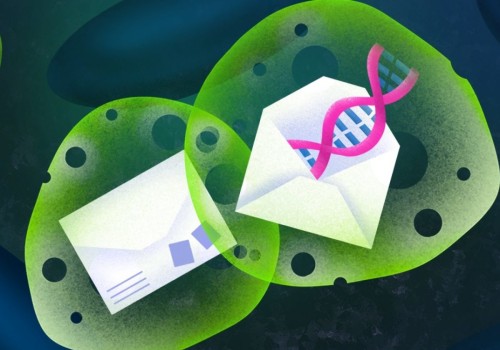
by facilitating the transfer of proteins, lipids, and nucleic acids between cells.
This process is essential for maintaining cellular homeostasis and regulating physiological functions.The biogenesis of exosomes begins with the inward budding of the plasma membrane, leading to the formation of early endosomes. These early endosomes then mature into multivesicular bodies (MVBs), which contain intraluminal vesicles (ILVs). When MVBs fuse with the plasma membrane, they release ILVs into the extracellular space as exosomes. This complex process is tightly regulated and involves various molecular mechanisms that ensure the selective packaging of cargo into exosomes.One of the primary functions of exosomes is to mediate cellular communication.
They carry a diverse array of biomolecules, including microRNAs (miRNAs), messenger RNAs (mRNAs), proteins, and lipids, which can influence the behaviour of recipient cells. For instance, exosomal miRNAs can modulate gene expression in target cells, thereby affecting processes such as inflammation, apoptosis, and cellular repair mechanisms.In addition to their role in normal physiological processes, exosomes have garnered significant attention in the context of various diseases, including stroke. Following a stroke event, exosomes can be released from damaged brain cells and may cross the blood-brain barrier (BBB), making them potential biomarkers for stroke diagnosis and prognosis. Their presence in peripheral blood or cerebrospinal fluid can provide valuable insights into the underlying pathophysiological changes occurring in the brain.Moreover, exosomes derived from stem cells have shown promise in therapeutic applications.
They possess regenerative properties that can promote neuroprotection and enhance recovery following ischemic injury. By delivering bioactive molecules directly to affected areas, exosomes may help mitigate inflammation and promote tissue repair, highlighting their potential as both a treatment modality and a biomarker for stroke.
The Mechanism of Exosome Action in Stroke Recovery
Exosomes play a pivotal role in the recovery process following a stroke, primarily through their involvement in neuroprotection and brain restoration. These small extracellular vesicles, which are secreted by various cell types, including neurons and glial cells, facilitate intercellular communication and transport bioactive molecules such as proteins, lipids, and RNAs. This transport mechanism is crucial for mediating the reparative processes that occur after a stroke.One of the key mechanisms by which exosomes contribute to stroke recovery is through neurovascular remodeling.Following a stroke, the brain undergoes significant structural changes as it attempts to repair itself. Exosomes derived from neural stem cells (NSCs) have been shown to enhance this remodeling process by promoting angiogenesis—the formation of new blood vessels—which is essential for restoring blood flow to the affected areas of the brain. This is particularly important as adequate blood supply is necessary for delivering oxygen and nutrients to support neuronal survival and function.In addition to promoting neurovascular remodeling, exosomes exhibit anti-apoptotic effects. They can deliver specific microRNAs (miRNAs) that inhibit apoptotic pathways in neurons, thereby reducing cell death in the aftermath of ischemic injury.
For instance, exosomes enriched with miR-132-3p have demonstrated enhanced protective effects against ischemic brain injury by modulating gene expression related to cell survival.Moreover, exosomes play a significant role in reducing inflammation , which is a critical aspect of stroke pathology. The inflammatory response following a stroke can exacerbate neuronal damage; however, exosomes can help mitigate this response. They have been found to polarize macrophages towards the M2 phenotype, which is associated with anti-inflammatory effects and tissue repair. By influencing the immune response, exosomes not only protect neurons but also create an environment conducive to recovery.Furthermore, exosomes can cross the blood-brain barrier (BBB), allowing them to be detected in peripheral blood or cerebrospinal fluid after a stroke.
This characteristic not only highlights their potential as therapeutic agents but also positions them as promising biomarkers for assessing stroke severity and recovery progress.In summary, the multifaceted roles of exosomes in stroke recovery—ranging from neurovascular remodeling and anti-apoptotic effects to inflammation reduction—underscore their potential as both therapeutic agents and biomarkers in stroke management. Continued research into these mechanisms will be vital for developing effective treatments aimed at enhancing recovery outcomes for stroke patients.
Exosomes as Therapeutic Agents in Stroke Treatment
Exosomes have emerged as a promising avenue in the realm of stroke treatment, primarily due to their unique properties that facilitate targeted drug delivery and their potential to modulate biological responses in the brain. These nanoscale vesicles, secreted by various cell types, play a crucial role in intercellular communication and have been identified as key players in the repair mechanisms following cerebral ischaemia.One of the most significant advantages of exosome therapy is their ability to cross the blood-brain barrier (BBB), a major challenge in treating neurological disorders. Traditional therapies often struggle to penetrate this barrier effectively, limiting their efficacy.In contrast, exosomes can be engineered to carry therapeutic agents directly to affected brain regions, enhancing the delivery of drugs such as siRNA or proteins that promote neuroprotection and regeneration.Recent studies have highlighted the potential of exosomes derived from mesenchymal stem cells (MSCs) and neural stem cells (NSCs) in stroke recovery. These exosomes are rich in bioactive molecules, including microRNAs, proteins, and lipids, which can influence cellular behaviour and promote healing processes. For instance, exosomes from NSCs have demonstrated superior efficacy in reducing infarct volume and improving functional outcomes compared to those derived from MSCs. This is attributed to their ability to polarise macrophages towards an anti-inflammatory M2 phenotype, thereby mitigating secondary injury following a stroke.The clinical applications of exosome therapy extend beyond mere drug delivery.
They also serve as potential biomarkers for stroke diagnosis and prognosis. The presence of specific exosomal markers in peripheral blood or cerebrospinal fluid can provide insights into the extent of brain injury and recovery progress. This biomarker potential is particularly valuable for developing personalised treatment strategies tailored to individual patient needs.Moreover, the biocompatibility and low immunogenicity of exosomes make them an attractive option for therapeutic interventions. Unlike conventional drugs that may elicit adverse reactions, exosomes are naturally occurring entities that can be safely administered without significant side effects.In conclusion, the integration of exosome therapy into stroke treatment paradigms holds great promise.
By leveraging their unique properties for targeted drug delivery and their role as biomarkers, exosomes could revolutionise how we approach stroke management, offering new hope for improved patient outcomes.
Exosome Biomarkers: Potential for Stroke Diagnosis and Prognosis
Exosomes, the nanoscale extracellular vesicles secreted by various cell types, have emerged as promising candidates for biomarkers in the diagnosis and prognosis of stroke. Their unique composition, which includes proteins, lipids, and nucleic acids, reflects the physiological state of their parent cells, making them valuable indicators of cellular processes occurring during and after a stroke.One of the most significant advantages of using exosomes as biomarkers is their presence in easily accessible biological fluids such as blood and cerebrospinal fluid (CSF). This accessibility allows for non-invasive or minimally invasive sampling methods, which are crucial for timely diagnosis and monitoring of stroke patients. The ability to detect exosomes in these fluids opens up new avenues for early intervention and personalised treatment strategies.Research has shown that specific exosomal miRNAs can serve as potential biomarkers for stroke.For instance, elevated levels of certain miRNAs in the blood have been associated with acute ischemic stroke, indicating their potential role in both diagnosis and prognosis. These miRNAs can provide insights into the underlying mechanisms of stroke pathology, including inflammation and neuronal injury.Moreover, the detection of exosomes can also aid in differentiating between ischaemic and haemorrhagic strokes. By analysing the specific protein or RNA profiles of exosomes derived from patients with different types of strokes, clinicians may be able to tailor treatment approaches more effectively.In addition to their diagnostic potential, exosomes may also serve as prognostic indicators. Studies have indicated that the concentration and composition of exosomes in the CSF or blood can correlate with patient outcomes following a stroke.
For example, a higher concentration of inflammatory exosomes has been linked to poorer recovery outcomes, suggesting that monitoring these levels could help predict patient prognosis.Furthermore, ongoing research is exploring the possibility of using engineered exosomes loaded with therapeutic agents as a dual-purpose tool for both treatment and biomarker assessment. This innovative approach could revolutionise how strokes are managed by providing real-time feedback on treatment efficacy through biomarker analysis.In conclusion, the role of exosomes as biomarkers in stroke diagnosis and prognosis is a rapidly evolving field with significant implications for clinical practice. Their ability to reflect the pathological state of brain cells and their presence in accessible bodily fluids make them invaluable tools for improving patient outcomes in stroke management.
Recent Research and Advances in Exosome Studies Related to Stroke
Recent investigations into the role of exosomes in stroke treatment have unveiled promising avenues for therapeutic intervention and biomarker identification. These small extracellular vesicles, which facilitate intercellular communication, have been shown to carry a variety of bioactive molecules, including proteins, lipids, and nucleic acids, that can significantly influence cellular behaviour in the context of brain injury.One notable study published in Nature Communications explored the neuroprotective effects of exosomes derived from neural stem cells (NSCs).The researchers found that these NSC-derived exosomes not only reduced infarct volume but also enhanced functional recovery in animal models of stroke. This effect was attributed to the exosomes' ability to modulate inflammatory responses and promote neurovascular remodelling, highlighting their potential as a therapeutic agent.Another significant advancement was reported in Stem Cells Translational Medicine, where scientists demonstrated that exosomes loaded with specific microRNAs (miRNAs) could effectively cross the blood-brain barrier (BBB). The study revealed that miR-132-3p enriched exosomes improved outcomes in ischaemic stroke models by enhancing neuronal survival and promoting axonal regeneration. This finding underscores the potential of exosome-based therapies to deliver targeted genetic material directly to affected brain regions.Furthermore, research has indicated that exosomes can serve as valuable biomarkers for stroke diagnosis and prognosis.
A study published in Journal of Extracellular Vesicles identified distinct exosomal protein profiles in patients who had experienced strokes compared to healthy controls. These findings suggest that specific exosomal markers could be utilised for early detection and monitoring of stroke progression, paving the way for personalised treatment strategies.The innovative use of exosomes in drug delivery systems has also gained traction. For instance, a recent investigation demonstrated that exosomes modified with targeting peptides could deliver therapeutic agents specifically to damaged brain tissues, minimising off-target effects and enhancing treatment efficacy. This targeted approach not only improves the therapeutic index but also reduces potential side effects associated with conventional drug delivery methods.In summary, ongoing research into exosomes continues to reveal their multifaceted roles in stroke management.
From their capacity to facilitate neuroprotection and regeneration to their potential as biomarkers for early diagnosis, exosomes represent a frontier in stroke research that holds great promise for future clinical applications.
Challenges and Limitations in Exosome Research for Stroke Treatment
While the potential of exosomes as a treatment for stroke is promising, several challenges and limitations hinder their clinical application. Understanding these obstacles is crucial for advancing research and developing effective therapies.One significant challenge in exosome research is the heterogeneity of exosomes. Exosomes can vary widely in their size, composition, and biological activity depending on their cellular origin and the conditions under which they are produced. This variability complicates the standardisation of exosome-based therapies, making it difficult to ensure consistent therapeutic outcomes across different patients.Another limitation is the isolation and purification of exosomes.Current methods, such as ultracentrifugation and size-exclusion chromatography, can be time-consuming and may not yield pure populations of exosomes. Contaminants from other cellular debris can affect the efficacy of exosome therapies, leading to unpredictable results in clinical settings.The blood-brain barrier (BBB) presents a further challenge. Although exosomes have shown the ability to cross the BBB, their efficiency in delivering therapeutic agents to specific brain regions remains a concern. Enhancing the targeting capabilities of exosomes through genetic modification or surface engineering is an area of active research but requires further validation.Moreover, there are concerns regarding the safety and potential immunogenicity of exosome therapies.
The long-term effects of administering exosomes derived from different sources need thorough investigation to ensure they do not provoke adverse immune responses or other complications.Looking towards the future, addressing these challenges will require a multi-faceted approach:
- Standardisation: Developing protocols for the isolation and characterisation of exosomes will be essential for ensuring consistency in research and clinical applications.
- Targeting Strategies: Innovative methods to enhance the targeting capabilities of exosomes could improve their therapeutic efficacy in stroke treatment.
- Safety Assessments: Comprehensive studies on the safety profiles of various exosome types will be necessary to mitigate risks associated with their use.
- Clinical Trials: Rigorous clinical trials are needed to evaluate the effectiveness and safety of exosome-based therapies in stroke patients.
Conclusion: The Future of Exosomes in Stroke Management
As we reflect on the evolving landscape of stroke management, the role of exosomes emerges as a beacon of hope and innovation. Throughout this article, we have explored the multifaceted applications of exosomes in treating stroke and their potential as biomarkers for early detection and monitoring. The findings underscore the significance of exosomes in promoting neuroprotection, enhancing recovery, and facilitating communication between cells in the brain.One of the most promising aspects of exosome research is their ability to cross the blood-brain barrier (BBB), which has historically posed a significant challenge in delivering therapeutic agents to the central nervous system.This unique property not only positions exosomes as effective vehicles for drug delivery but also highlights their potential in serving as biomarkers for stroke diagnosis and prognosis. The presence of specific exosomal miRNAs in peripheral blood or cerebrospinal fluid could provide invaluable insights into the timing and severity of a stroke, enabling timely interventions.Moreover, the advancements in engineering exosomes to enhance their therapeutic efficacy are paving the way for personalised medicine approaches in stroke treatment. By modifying exosomes to carry specific therapeutic agents or targeting them to particular brain regions, researchers are developing strategies that could significantly improve patient outcomes. For instance, exosomes derived from mesenchymal stem cells have shown promise in reducing inflammation and promoting tissue repair, which are critical factors in stroke recovery.Looking ahead, it is essential to continue exploring the intricate mechanisms by which exosomes exert their effects on neuronal health and recovery.
Future research should focus on large-scale clinical trials to validate the efficacy of exosome-based therapies and their role as reliable biomarkers. Additionally, understanding the long-term effects of exosome treatments will be crucial in establishing their safety and effectiveness.In conclusion, while challenges remain in fully harnessing the potential of exosomes in stroke management, the current findings are encouraging. As research progresses, we may witness a paradigm shift in how strokes are treated and managed, with exosomes at the forefront of this transformation.