In the realm of modern medicine, the quest for early and accurate disease detection has led to the emergence of biomarkers as pivotal tools. Biomarkers are biological indicators that can be objectively measured and evaluated, providing crucial insights into normal biological processes, disease states, and responses to therapeutic interventions. They encompass a wide array of substances, including proteins, nucleic acids, and metabolites, which can be derived from various sources such as blood, urine, or tissue samples. Among the most intriguing developments in biomarker research are exosomes, small extracellular vesicles that play a significant role in intercellular communication and have garnered attention for their potential in disease detection.Exosomes are secreted by various cell types and contain a rich cargo of proteins, lipids, and nucleic acids that reflect the physiological state of their parent cells.
This unique composition makes exosomes valuable for biomarker discovery, particularly in the context of diseases such as cancer, neurodegenerative disorders, and cardiovascular diseases. By analysing exosomal content, researchers can gain insights into disease mechanisms and identify specific biomarkers that may indicate the presence or progression of a disease. The ability to isolate exosomes from bodily fluids offers a non-invasive approach to biomarker testing, making it an attractive option for early diagnosis and monitoring.The significance of understanding biomarkers and exosomes cannot be overstated. As we delve deeper into the complexities of human health and disease, these biological indicators provide a pathway to personalised medicine—tailoring treatment strategies based on individual biomarker profiles. This unique composition makes exosomes valuable for biomarker discovery, particularly in the context of diseases such as cancer, neurodegenerative disorders, and cardiovascular diseases. By analysing exosomal content, researchers can gain insights into disease mechanisms and identify specific biomarkers that may indicate the presence or progression of a disease. The ability to isolate exosomes from bodily fluids offers a non-invasive approach to biomarker testing, making it an attractive option for early diagnosis and monitoring.The significance of understanding biomarkers and exosomes cannot be overstated. As we delve deeper into the complexities of human health and disease, these biological indicators provide a pathway to personalised medicine—tailoring treatment strategies based on individual biomarker profiles.
This shift towards precision medicine not only enhances our ability to detect diseases at earlier stages but also improves treatment efficacy by allowing healthcare providers to select therapies that are more likely to succeed based on a patient’s unique biomarker landscape. In this article, we will explore the intricate relationship between biomarkers and exosomes, their applications in disease detection, and the future prospects they hold for transforming healthcare.
What are Biomarkers?
Biomarkers are defined as measurable indicators that reflect biological processes, pathogenic conditions, or responses to therapeutic interventions. They serve as critical tools in the medical field, providing insights into the presence or progression of diseases, as well as the efficacy of treatments. The significance of biomarkers lies in their ability to facilitate early diagnosis, monitor disease progression, and tailor treatment strategies to individual patients.There are several types of biomarkers , each serving distinct purposes in clinical practice:- Diagnostic Biomarkers: These are used to identify the presence of a disease.
For instance, elevated levels of certain proteins in the blood can indicate specific cancers.
- Prognostic Biomarkers: These provide information about the likely course of a disease, helping to predict outcomes and survival rates. For example, biomarkers that indicate aggressive tumour behaviour can guide treatment decisions.
- Predictive Biomarkers: These help determine how well a patient will respond to a particular treatment. They are essential for personalising therapy, especially in oncology.
- Pharmacodynamic Biomarkers: These assess the biological response to a therapeutic intervention, indicating whether a drug is having its intended effect.
- Exposure Biomarkers: These measure exposure to environmental agents or toxins and can help in understanding their impact on health.
This approach not only enhances treatment efficacy but also minimises unnecessary side effects by ensuring that patients receive therapies tailored to their unique biological profiles.In summary, biomarkers are indispensable in modern medicine. Their diverse classifications and applications underscore their value in enhancing our understanding of diseases and improving clinical outcomes. As research continues to evolve, the potential for new biomarkers to emerge will further enrich our capabilities in disease detection and management.
Understanding Exosomes: The Key Players in Biomarker Discovery
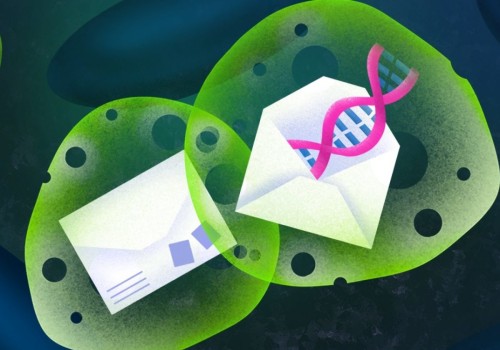
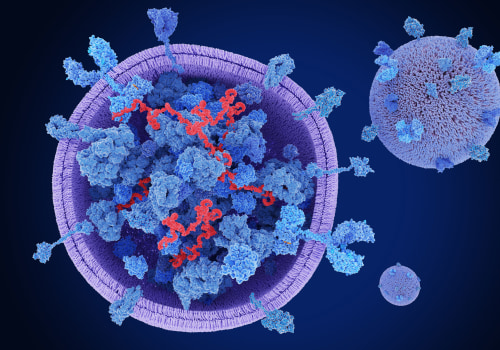
Exosomes are small extracellular vesicles, typically ranging from 30 to 150 nanometers in diameter, that are secreted by various cell types into the extracellular environment. They play a crucial role in intercellular communication, facilitating the transfer of proteins, lipids, and nucleic acids between cells.This unique ability to transport molecular cargo makes exosomes significant players in numerous biological processes, including immune responses, cell proliferation, and apoptosis.One of the most compelling aspects of exosomes is their potential as biomarkers for disease detection. Because they encapsulate specific molecular signatures reflective of their cell of origin, exosomes can provide valuable insights into the physiological and pathological states of an organism. For instance, exosomes derived from cancer cells often carry distinct proteins and genetic material that can indicate the presence of tumours or the progression of disease.The role of exosomes in biomarker discovery is multifaceted:
- Diagnostic Potential: Exosomes can be isolated from various biological fluids such as blood, urine, and saliva, making them accessible for non-invasive diagnostic tests. Their presence and composition can reveal critical information about disease states.
- Prognostic Indicators: The molecular content of exosomes can help predict disease outcomes.
For example, specific RNA profiles within exosomes have been associated with tumour aggressiveness and patient survival rates.
- Therapeutic Monitoring: Changes in exosomal content can be monitored over time to assess treatment efficacy. This allows for real-time insights into how well a patient is responding to therapy.
Their ability to reflect the molecular landscape of their parent cells positions them as vital tools for early disease detection, monitoring treatment responses, and ultimately improving patient outcomes.
The Role of Exosomes in Disease Detection
Exosomes, which are small extracellular vesicles secreted by various cell types, have emerged as significant players in the field of disease detection. These nanometre-sized vesicles carry a cargo of proteins, lipids, and nucleic acids that reflect the physiological state of their parent cells, making them valuable biomarkers for a range of diseases.One of the most promising applications of exosomes is in the detection of cancer. Tumour cells release exosomes into the bloodstream, and these vesicles can contain specific biomarkers that indicate the presence of malignancies. For instance, studies have shown that exosomes derived from prostate cancer cells carry unique RNA signatures that can be detected in the blood of patients.This non-invasive approach not only aids in early diagnosis but also allows for monitoring treatment responses and disease progression.In addition to cancer, exosomes are also being investigated for their role in cardiovascular diseases. Research has indicated that exosomes released from endothelial cells can provide insights into vascular health. For example, elevated levels of certain exosomal microRNAs have been associated with conditions such as atherosclerosis and heart failure. By analysing these exosomal markers, clinicians may be able to identify patients at risk for cardiovascular events much earlier than traditional methods allow.The potential of exosomes as biomarkers extends beyond mere detection; they also hold promise for therapeutic applications.
By understanding the molecular composition of exosomes in various diseases, researchers can develop targeted therapies that harness these vesicles to deliver drugs directly to affected tissues.In summary, exosomes represent a frontier in biomarker research, offering a non-invasive means to detect and monitor diseases such as cancer and cardiovascular conditions. Their ability to encapsulate and transport critical biological information makes them invaluable tools in the quest for early diagnosis and personalised treatment strategies.
Mechanisms of Exosome Release and Uptake
Exosomes are small extracellular vesicles that play a pivotal role in intercellular communication and have emerged as significant biomarkers for various diseases. Understanding the mechanisms of exosome release and uptake is essential for elucidating their biological significance and potential applications in disease detection.Mechanisms of Exosome Release
The release of exosomes from cells involves several intricate biological processes. Primarily, exosomes are formed within the endosomal system of the cell.
This process begins with the invagination of the plasma membrane, leading to the formation of early endosomes. These early endosomes can mature into multivesicular bodies (MVBs), which contain intraluminal vesicles (ILVs). The MVBs then either fuse with lysosomes for degradation or with the plasma membrane to release ILVs as exosomes into the extracellular space.Several factors influence exosome release, including:
- Cell Type: Different cell types exhibit varying rates and mechanisms of exosome release, influenced by their physiological state.
- Stimuli: External stimuli such as stress, inflammation, or hypoxia can enhance exosome production.
- Protein Machinery: Proteins such as Alix, Tsg101, and various Rab GTPases are crucial for the biogenesis and secretion of exosomes.
Uptake Mechanisms of Exosomes
The uptake of exosomes by recipient cells is equally complex and involves multiple pathways. Exosomes can be internalised through:
- Endocytosis: This is the most common mechanism, where exosomes are engulfed by the target cell membrane, leading to their internalisation into endosomal compartments.
- Membrane Fusion: In some cases, exosomes can directly fuse with the plasma membrane of recipient cells, releasing their contents into the cytoplasm.
- Receptor-Mediated Endocytosis: Specific receptors on target cells can recognise and bind to surface proteins on exosomes, facilitating their uptake.
This intercellular communication is crucial in maintaining homeostasis and can also play a role in disease progression. For instance, in cancer, exosomes can carry oncogenic factors that promote tumour growth and metastasis.In summary, understanding the mechanisms behind exosome release and uptake not only sheds light on their biological roles but also enhances our comprehension of their potential as biomarkers for disease detection and therapeutic targets.
Challenges in Using Exosomes as Biomarkers
While exosomes hold great promise as biomarkers for disease detection, several challenges and limitations hinder their widespread application in clinical diagnostics. Understanding these challenges is crucial for advancing the field and ensuring that exosome-based biomarkers can be effectively utilised in medical practice.Variability in Exosome Content
One of the primary challenges in using exosomes as biomarkers is the inherent variability in their content. Exosomes are released by various cell types and can carry a diverse array of molecules, including proteins, lipids, and nucleic acids.This variability can be influenced by numerous factors, such as the type of cell from which they originate, the physiological state of the cell, and external environmental conditions. As a result, the composition of exosomes can differ significantly between individuals and even within the same individual over time.
Standardisation Issues
The lack of standardisation in exosome isolation and analysis techniques further complicates their use as reliable biomarkers. Currently, there are multiple methods for isolating exosomes, including ultracentrifugation, precipitation, and size-exclusion chromatography. Each method has its advantages and disadvantages, leading to discrepancies in yield and purity of exosome samples.Without standardised protocols for isolation and characterisation, it becomes challenging to compare results across studies or to establish consistent diagnostic criteria.
Validation of Biomarkers
Another significant hurdle is the validation of exosome-based biomarkers. For a biomarker to be clinically useful, it must undergo rigorous validation processes to confirm its specificity and sensitivity for the disease in question. Many potential exosomal biomarkers identified in preliminary studies have not yet been validated in larger cohorts or across diverse populations. This lack of robust validation raises concerns about their reliability and applicability in real-world clinical settings.Regulatory Challenges
The regulatory landscape surrounding biomarker development also presents challenges.Regulatory bodies require comprehensive evidence demonstrating that a biomarker is both safe and effective before it can be used in clinical practice. The pathway to achieving this level of evidence for exosome-based biomarkers is still being defined, which may slow down their integration into routine diagnostics.In conclusion, while exosomes represent a promising frontier in biomarker research, addressing these challenges is essential for realising their full potential in disease detection. Continued research efforts focused on standardisation, validation, and regulatory compliance will be vital for advancing the use of exosomes as reliable biomarkers in clinical diagnostics.
Future Perspectives on Exosome Research and Biomarkers
The field of exosome research is rapidly evolving, with significant advancements anticipated in the coming years. As our understanding of exosomes deepens, their potential as biomarkers for disease detection is becoming increasingly evident.Exosomes, which are small extracellular vesicles secreted by various cell types, play a crucial role in intercellular communication and can carry a diverse array of biomolecules, including proteins, lipids, and nucleic acids. This unique composition makes them promising candidates for non-invasive diagnostic tools.One of the most exciting future trends in exosome research is the development of advanced isolation and characterization techniques. Current methods for isolating exosomes can be time-consuming and may not yield pure populations. Innovations such as microfluidic devices and nanotechnology are expected to enhance the efficiency and specificity of exosome extraction.
These advancements will facilitate the identification of disease-specific exosomal signatures, allowing for more accurate diagnostics.Moreover, the integration of artificial intelligenceartificial intelligence (AI) and machine learning into biomarker discovery processes is poised to revolutionise how we interpret exosomal data. By analysing large datasets derived from exosomal profiles, AI algorithms can identify patterns that may be indicative of specific diseases. This could lead to the development of predictive models that not only diagnose diseases at earlier stages but also monitor treatment responses more effectively.Potential applications of exosome biomarkers extend beyond cancer detection. Research is increasingly exploring their role in neurodegenerative diseases, cardiovascular conditions, and infectious diseases.
For instance, exosomes derived from neuronal cells may provide insights into the early stages of Alzheimer’s disease by revealing changes in protein expression or RNA profiles associated with neurodegeneration.Furthermore, as personalised medicine continues to gain traction, exosome biomarkers could play a pivotal role in tailoring treatment strategies to individual patients. By analysing a patient’s unique exosomal profile, healthcare providers may be able to predict which therapies are likely to be most effective based on the molecular characteristics of their disease.In conclusion, the future of exosome research holds immense promise for enhancing disease detection through innovative biomarker technologies. As we continue to unravel the complexities of exosomes and their biological significance, we can expect to see transformative changes in how diseases are diagnosed and managed.For instance, exosomes derived from neuronal cells may provide insights into the early stages of Alzheimer’s disease by revealing changes in protein expression or RNA profiles associated with neurodegeneration.Furthermore, as personalised medicine continues to gain traction, exosome biomarkers could play a pivotal role in tailoring treatment strategies to individual patients. By analysing a patient’s unique exosomal profile, healthcare providers may be able to predict which therapies are likely to be most effective based on the molecular characteristics of their disease.In conclusion, the future of exosome research holds immense promise for enhancing disease detection through innovative biomarker technologies. As we continue to unravel the complexities of exosomes and their biological significance, we can expect to see transformative changes in how diseases are diagnosed and managed.
Conclusion: The Promise of Exosomes in Disease Detection
In summary, the exploration of exosomes as biomarkers for disease detection has unveiled a transformative potential in the field of medical diagnostics. These nano-sized vesicles, secreted by various cell types, carry a wealth of molecular information, including proteins, lipids, and nucleic acids, which reflect the physiological state of their parent cells.This characteristic makes exosomes invaluable in identifying and monitoring a range of diseases, from cancers to neurodegenerative disorders.The ability to isolate and analyse exosomes from easily accessible biological fluids such as blood, urine, and saliva enhances their appeal as non-invasive biomarkers. This non-invasive nature not only improves patient compliance but also allows for repeated sampling over time, facilitating dynamic monitoring of disease progression and treatment response.Moreover, the specificity of exosomal content to particular diseases offers a promising avenue for developing targeted therapies. For instance, certain exosomal proteins may serve as indicators of tumour presence or progression in cancer patients, enabling earlier diagnosis and more tailored treatment strategies.However, despite the promising findings surrounding exosomes, significant challenges remain. The standardisation of isolation techniques and analytical methods is crucial to ensure reproducibility and reliability in clinical settings.
Furthermore, extensive research is needed to fully understand the biological roles of exosomes in various diseases and their potential implications in therapeutic interventions.As we look to the future, it is imperative that researchers continue to delve into the complexities of exosome biology. By advancing our understanding of these vesicles and refining their application as biomarkers, we can pave the way for innovative diagnostic tools that enhance early detection and improve patient outcomes. The journey into the realm of exosomes is just beginning, and its promise in revolutionising disease detection cannot be overstated.