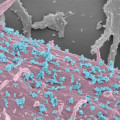
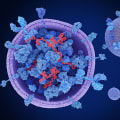
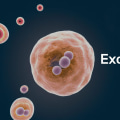
Exosomes are fascinating biological entities that play a crucial role in cell communication and regeneration. These tiny vesicles, typically ranging from 30 to 150 nanometers in diameter, are secreted by various cell types and contain a rich cargo of proteins, lipids, and nucleic acids. Their primary function is to facilitate intercellular communication, allowing cells to exchange information and influence each other's behaviour. This unique capability makes exosomes a significant focus in the field of regenerative medicine, particularly for their potential in enhancing healing processes and tissue repair.The benefits of exosomes extend far beyond their role in cellular communication.
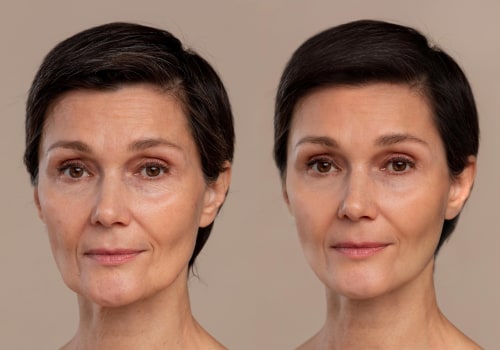
In recent years, they have garnered attention for their therapeutic applications, especially in skin treatments. Exosome therapy harnesses the regenerative properties of these vesicles to promote skin rejuvenation, improve elasticity, and reduce the visible signs of aging. By delivering essential growth factors and signalling molecules directly to target cells, exosomes can stimulate collagen and elastin production, leading to firmer, more youthful-looking skin.Moreover, exosome therapy is not only effective but also minimally invasive, making it an appealing option for those seeking aesthetic improvements without the downtime associated with more invasive procedures. As research continues to unveil the myriad ways in which exosomes can be utilised in medical and cosmetic applications, their significance in enhancing skin health and overall appearance becomes increasingly clear.
Understanding how often to use exosomes and the optimal treatment protocols can help individuals achieve their desired results while maximising the benefits of this innovative therapy.
What Are Exosomes?
Exosomes are small extracellular vesicles that play a pivotal role in intercellular communication. These nano-sized structures, typically ranging from 30 to 150 nanometers in diameter, are secreted by various cell types and contain a complex mixture of proteins, lipids, RNA, and other biomolecules. Their primary function is to facilitate the transfer of molecular signals between cells, thereby influencing numerous physiological processes.Structure of Exosomes
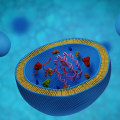
The structure of exosomes is characterised by a lipid bilayer membrane that encapsulates their cargo. This membrane is crucial as it protects the contents from degradation and allows for the selective release of specific molecules.
Within the exosome, you will find:
- Proteins: These include membrane proteins that aid in the recognition and uptake of exosomes by recipient cells, as well as cytosolic proteins that can influence cellular functions.
- Lipids: The lipid composition can vary depending on the cell type from which the exosome originates, impacting their functionality and interaction with target cells.
- Nucleic Acids: Exosomes carry various forms of RNA, including mRNA and microRNA, which can modulate gene expression in recipient cells.
Role of Exosomes in Cell Communication
Exosomes serve as vital mediators of cell communication. They enable cells to communicate over long distances by transferring bioactive molecules that can alter the behaviour of target cells. This process is essential for various biological functions, including:
- Immune Response: Exosomes can carry antigens and other immune-modulating factors that help in the activation or suppression of immune responses.
- Tissue Repair: In regenerative medicine, exosomes derived from stem cells have shown potential in promoting tissue repair and regeneration by delivering growth factors and signalling molecules.
- Pathological Processes: In diseases such as cancer, exosomes can facilitate tumour progression by transferring oncogenic signals to surrounding healthy cells.
The Benefits of Exosome Therapy
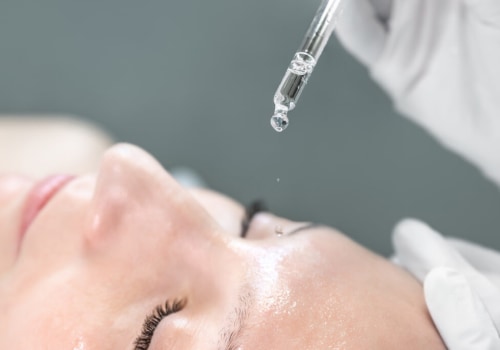
Exosome therapy has emerged as a revolutionary approach in the field of regenerative medicine, particularly for skin rejuvenation. The benefits of exosome therapy are numerous, making it an attractive option for those seeking to enhance their skin's appearance and health.One of the primary advantages of exosome therapy is its ability to promote healing and regeneration.Exosomes are natural nanoparticles that facilitate communication between cells, delivering essential proteins, lipids, and genetic material that stimulate cellular processes. When applied to the skin, exosomes can significantly accelerate healing by:
- Enhancing collagen production: Collagen is vital for maintaining skin elasticity and firmness. Exosomes stimulate fibroblasts, the cells responsible for collagen synthesis, leading to improved skin texture and reduced signs of aging.
- Reducing inflammation: Exosomes possess anti-inflammatory properties that can help calm irritated skin, making them beneficial for individuals with conditions such as rosacea or acne.
- Improving hydration: By promoting the production of hyaluronic acid, exosomes help maintain skin moisture levels, resulting in a plumper and more youthful appearance.
The regenerative effects of exosomes can lead to:
- Smoother skin: The stimulation of new cell growth helps to diminish fine lines and wrinkles, providing a smoother surface.
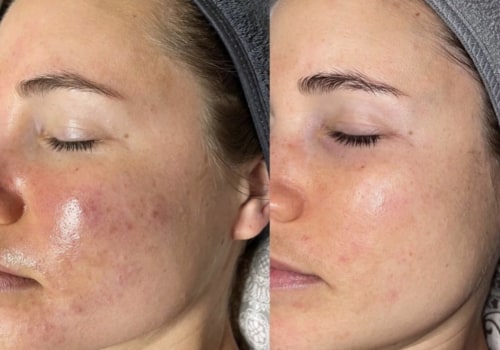
- Even skin tone: Exosomes can assist in reducing hyperpigmentation and age spots, contributing to a more uniform complexion.
- Minimised pore size: By enhancing overall skin health, exosomes can help reduce the appearance of enlarged pores.
How Often Should You Use Exosomes?
Determining the optimal frequency for exosome treatments is crucial for achieving the best possible results.While general guidelines exist, individual factors play a significant role in tailoring a treatment plan that suits your specific needs.Typically, exosome treatments are recommended to be spaced out between two to four weeks. This interval allows the skin to fully respond to the therapy, maximising the benefits of each session. However, the ideal frequency can vary based on several factors:
- Skin Condition: The severity of your skin concerns will influence how often you should receive treatments. For instance, individuals with more pronounced signs of aging or skin damage may require more frequent sessions initially.
- Desired Results: If you are aiming for significant improvements in skin texture and elasticity, a series of treatments may be necessary.
A common recommendation is to undergo between three to six sessions , spaced approximately 30 days apart .
- Response to Treatment: Each person's skin reacts differently to exosome therapy. Some may notice immediate improvements after just one session, while others might require multiple treatments to see substantial changes. Regular assessments with your practitioner can help adjust the treatment plan as needed.
- Combination with Other Treatments: Exosomes can be effectively combined with other procedures such as microneedling or radiofrequency treatments. In such cases, the timing of exosome applications may be adjusted to enhance overall results.
This ongoing care helps to support collagen and elastin production over time, ensuring that your skin remains vibrant and youthful.Ultimately, it is essential to consult with a qualified practitioner who can evaluate your unique situation and recommend a personalised treatment schedule. By adhering to these guidelines and maintaining open communication with your healthcare provider, you can optimise the benefits of exosome therapy and achieve lasting improvements in your skin's appearance.
Recommended Treatment Protocols
When considering exosome therapy, understanding the recommended treatment protocols is essential for achieving optimal results. The frequency and number of sessions can significantly influence the effectiveness of the treatment, and these protocols are tailored to meet individual patient needs.Typically, a series of three to six sessions is advised for most patients. This range allows for adequate time to assess the skin's response to the therapy and make any necessary adjustments to the treatment plan.Each session is generally spaced two to four weeks apart. This interval is crucial as it allows the skin to recover and respond to the exosomes, maximising their regenerative potential.For those undergoing microneedling with exosomes, a slightly different approach may be taken. In this case, treatments are often recommended every four to six weeks. This timing is particularly beneficial as it aligns with the skin's natural healing processes, ensuring that the exosomes can effectively stimulate collagen and elastin production.After completing an initial series of treatments, many patients find that maintenance sessions every six to twelve months can help sustain the improvements achieved.
This ongoing care is vital for prolonging the benefits of exosome therapy, as it supports continuous skin rejuvenation and health.It’s important to note that individual responses to exosome therapy can vary widely. Factors such as skin type, age, and specific skin concerns will influence how often treatments should be administered. Therefore, a personalised consultation with a qualified practitioner is essential to develop a tailored treatment plan that aligns with your unique needs.In summary, while a general guideline suggests three to six sessions spaced two to four weeks apart, your specific treatment protocol may differ based on your individual circumstances. Regular follow-ups with your healthcare provider will ensure that you receive the most effective care throughout your exosome therapy journey.
Combining Exosome Therapy with Other Treatments
Exosome therapy has emerged as a revolutionary approach in the realm of aesthetic treatments, particularly when combined with other modalities such as microneedling.This synergy not only enhances the overall effectiveness of the treatments but also provides patients with a more comprehensive skincare solution.
Microneedling
is a minimally invasive procedure that creates micro-injuries in the skin, stimulating the body’s natural healing processes. When exosomes are introduced during or after microneedling, they can significantly amplify the benefits of the treatment. The exosomes, which are rich in growth factors and proteins, facilitate cellular communication and promote tissue regeneration. This combination leads to improved skin texture, increased collagen production, and enhanced hydration.One of the primary advantages of combining exosome therapy with microneedling is the synergistic effect it creates.
While microneedling alone can rejuvenate the skin by encouraging new cell growth, the addition of exosomes accelerates this process by delivering essential nutrients directly to the targeted areas. This results in faster recovery times and more pronounced results.Moreover, patients often report a significant reduction in downtime when these treatments are combined. The healing properties of exosomes help to soothe inflammation and redness that may occur post-microneedling, allowing individuals to return to their daily activities sooner.In addition to microneedling, exosome therapy can be effectively integrated with other aesthetic procedures such as chemical peels , laser treatments , and radiofrequency therapies. Each of these treatments has its unique benefits, and when paired with exosomes, they can enhance skin rejuvenation outcomes.
For instance:
- Chemical Peels: Combining exosomes with chemical peels can help mitigate irritation and enhance skin healing post-treatment.
- Laser Treatments: Exosomes can support recovery from laser resurfacing by promoting collagen synthesis and reducing inflammation.
- Radiofrequency Therapies: When used alongside radiofrequency treatments, exosomes can improve skin elasticity and firmness.
Expected Results from Exosome Treatments
When considering exosome treatments, it is essential to have a clear understanding of the expected results and the timeline for these improvements. Patients often seek exosome therapy for its regenerative properties, which can lead to significant enhancements in skin quality and overall appearance.Immediate Results
One of the most appealing aspects of exosome therapy is the potential for immediate results.
After the initial treatment session, many patients report noticeable improvements in their skin's texture and hydration levels. This is primarily due to the exosomes' ability to stimulate cellular communication and promote healing processes within the skin.Typically, patients may experience:
- Increased hydration: Enhanced moisture retention in the skin, leading to a plumper appearance.
- Reduced redness: A decrease in inflammation and irritation, resulting in a more even skin tone.
- Smoother texture: An immediate softening of fine lines and wrinkles as the skin begins to rejuvenate.
Short-Term Benefits
Within a few weeks following treatment, patients can expect further improvements as collagen and elastin production ramps up. This phase typically spans 4 to 6 weeks post-treatment, during which:
- Fine lines and wrinkles: Continue to diminish as the skin becomes firmer and more resilient.
- Pore size: May appear reduced due to improved skin elasticity.
- Overall radiance: Skin often looks healthier and more vibrant as cellular turnover increases.
Long-Term Results
The long-term benefits of exosome therapy can be profound, with many patients noticing sustained improvements for up to 24 months or longer. This extended timeline is attributed to the ongoing production of collagen and elastin triggered by the treatment.
Over time, patients may observe:
- Improved skin elasticity: A more youthful appearance as the skin regains its natural firmness.
- Reduction in pigmentation: A more uniform skin tone with fewer age spots or discolorations.
- Enhanced overall skin health: A significant boost in tissue health at a cellular level, leading to lasting improvements.
Potential Side Effects and Considerations
As with any medical treatment, exosome therapy comes with its own set of potential side effects and considerations that patients should be aware of before proceeding. Understanding these aspects is essential for making an informed decision about whether this innovative treatment is right for you.While exosome therapy is generally considered safe, some individuals may experience mild to moderate side effects.These can include:
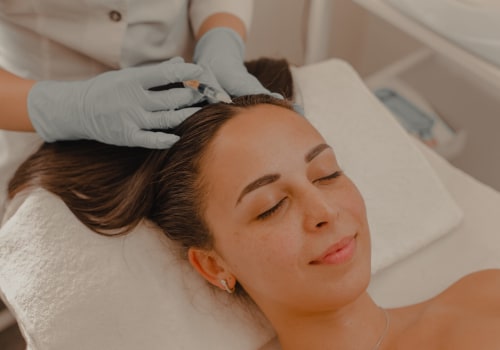
- Redness and Swelling: It is common to experience temporary redness and swelling at the injection site. This usually subsides within a few hours to a couple of days.
- Itching or Discomfort: Some patients report a sensation of itching or mild discomfort in the treated area, which typically resolves quickly.
- Bruising: As with any injection-based treatment, there is a risk of bruising. This can vary depending on the individual's skin type and sensitivity.
- Infection: Although rare, there is a potential risk of infection at the injection site. It is crucial to follow post-treatment care instructions to minimise this risk.
- Individual Health Conditions: Patients with certain health conditions or compromised immune systems may be at a higher risk for adverse effects.
A thorough consultation with a qualified healthcare provider is essential to assess individual risks.
- Quality of Exosomes: The source and quality of exosomes used in therapy can significantly impact safety. It is vital to choose a reputable clinic that uses high-quality, ethically sourced exosomes.
- Combination with Other Treatments: If you are undergoing other cosmetic procedures, discuss these with your practitioner. Combining treatments may increase the likelihood of side effects.
FAQs About Exosome Therapy
Exosome therapy has gained significant attention in recent years, leading to a plethora of questions from potential patients.Below are some of the most frequently asked questions regarding exosome treatments, addressing common concerns and providing clarity on this innovative therapy.
What are exosomes?
Exosomes
are tiny vesicles secreted by cells that play a crucial role in cell communication. They contain a variety of biomolecules, including proteins, lipids, and nucleic acids, which facilitate the transfer of information between cells. This natural process is essential for tissue repair and regeneration.
How do exosomes work in therapy?
In the context of therapy, exosomes are used to enhance the body’s natural healing processes. When applied to the skin, they stimulate fibroblasts to produce collagen and elastin, leading to improved skin texture and elasticity.This regenerative effect can significantly reduce the appearance of fine lines and wrinkles.
Are there any side effects associated with exosome therapy?
Exosome therapy is generally considered safe, with minimal side effects. Patients may experience mild redness or swelling at the injection site, which typically resolves within a few hours. However, as with any medical treatment, it is essential to consult with a qualified practitioner to discuss potential risks.How often should I undergo exosome treatments?
The frequency of exosome treatments can vary based on individual needs and skin conditions. Generally, a series of three to six sessions is recommended, spaced about two to four weeks apart.After the initial treatment course, maintenance sessions every six to twelve months can help sustain results.
Can exosomes be combined with other treatments?
Yes, exosome therapy can be effectively combined with other aesthetic procedures such as microneedling or laser treatments. This combination can enhance overall results by promoting deeper skin rejuvenation and accelerating healing.Who is a suitable candidate for exosome therapy?
Exosome therapy is suitable for individuals looking to improve their skin’s appearance and health. It is particularly beneficial for those experiencing signs of aging or skin damage due to environmental factors. However, a thorough consultation with a healthcare provider is necessary to determine if this treatment aligns with your specific needs.By addressing these common questions and concerns about exosome therapy, we hope to provide clarity and encourage informed decisions regarding this advanced treatment option.Conclusion: The Future of Exosome Therapy in Aesthetic Medicine
As we conclude our exploration of exosome therapy in aesthetic medicine, it is essential to reflect on the transformative potential this innovative treatment holds for the future of skincare and rejuvenation.Throughout this article, we have delved into the mechanisms by which exosomes operate, their role in cellular communication, and the remarkable benefits they offer in enhancing skin health and appearance.The versatility of exosome therapy is one of its most compelling attributes. From improving skin elasticity and hydration to reducing the appearance of fine lines and wrinkles, exosomes have demonstrated their efficacy across various applications. As we have discussed, the treatment can be tailored to individual needs, making it a highly personalised approach to skincare.Looking ahead, the future of exosome therapy in aesthetic medicine appears promising. Ongoing research continues to uncover new applications and refine existing techniques, paving the way for even more effective treatments.
As our understanding of exosomes deepens, we may see advancements that enhance their delivery methods, increase their potency, and broaden their use beyond aesthetic applications into areas such as wound healing and scar reduction.Moreover, as patients become increasingly aware of the benefits of regenerative medicine, the demand for non-invasive treatments like exosome therapy is likely to grow. This shift towards natural and holistic approaches to skincare aligns with broader trends in health and wellness, where individuals seek solutions that not only improve appearance but also promote overall skin health.In conclusion, exosome therapy stands at the forefront of a new era in aesthetic medicine. Its ability to harness the body’s natural healing processes offers a unique opportunity for individuals seeking effective and long-lasting results. As we continue to explore and innovate within this field, it is crucial for both practitioners and patients to stay informed about the latest developments in exosome research and treatment protocols.
The journey towards achieving optimal skin health through exosome therapy is just beginning, and its future holds exciting possibilities.